Stone Lodge presents a mixed but actionable picture for prospective residents and families. Strengths repeatedly described include a warm, community-oriented culture, generally clean and bright common areas and apartments, and staff who are often characterized as friendly and willing to help. The property offers a variety of social and recreational programs, transportation to appointments, on-site salon and wellness amenities, and an assisted-living support option available through an on-site provider. The location near medical facilities and the property’s perceived affordability are additional consistent positives.
Care and staff: Many reviewers praised the day-to-day attentiveness and compassion of direct-care and housekeeping staff, and several noted management and tour staff who make move-in and onboarding easier. At the same time, there is a clear pattern of operational concerns tied to staffing—high turnover, variable coverage, and the effects of those shortages on service timing and responsiveness. Reviewers expressed particular unease about gaps in overnight clinical supervision and about changes to emergency-response infrastructure that reduced direct-call options; these raise questions about readiness for residents with higher or rapidly changing care needs.
Dining and housekeeping: Dining is a prominent area of polarization. Positive comments highlight well-run dining events, menu choices, and themed buffets; negative feedback centers on inconsistency in food quality, temperature control, and preparation (undercooked/overcooked or lukewarm meals), along with slower service at peak times. Several reviewers linked a perceived decline in meal quality to staffing changes and ownership transition. Housekeeping is frequently described as adequate or weekly, but some reviewers called out variability in frequency and cleanliness in particular areas, including sanitation concerns in some common or corridor areas.
Activities and community life: The community atmosphere and social programming are generally well regarded. Many residents cited an active schedule of classes, games, outings, and opportunities to meet neighbors; others noted periods when musical groups or certain activity types were less frequent. Overall, Stone Lodge tends to appeal to independently functioning older adults who value social engagement; reviewers emphasized that it is less suitable for people who require continuous personal assistance or who anticipate rapid progression to higher-care needs.
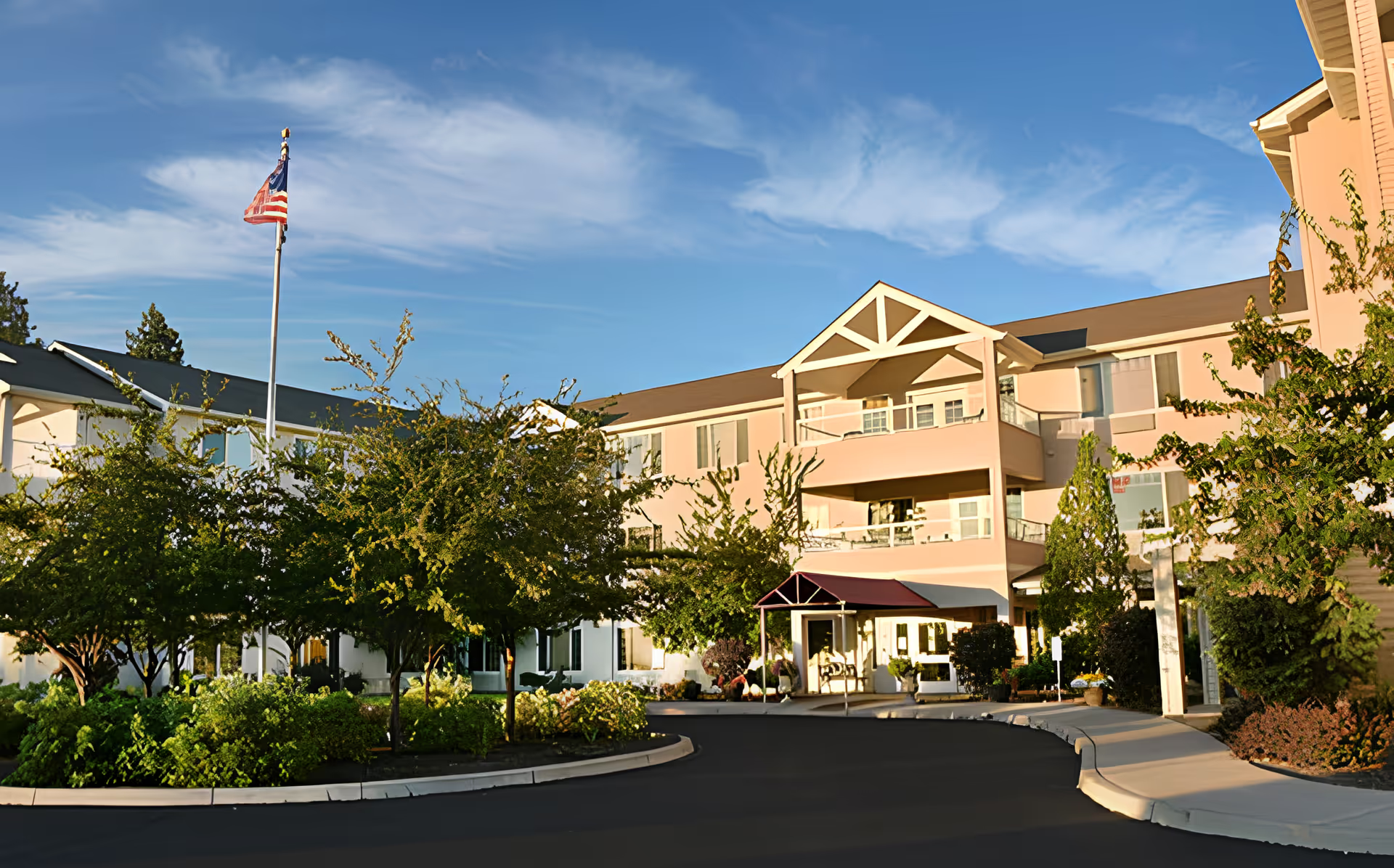
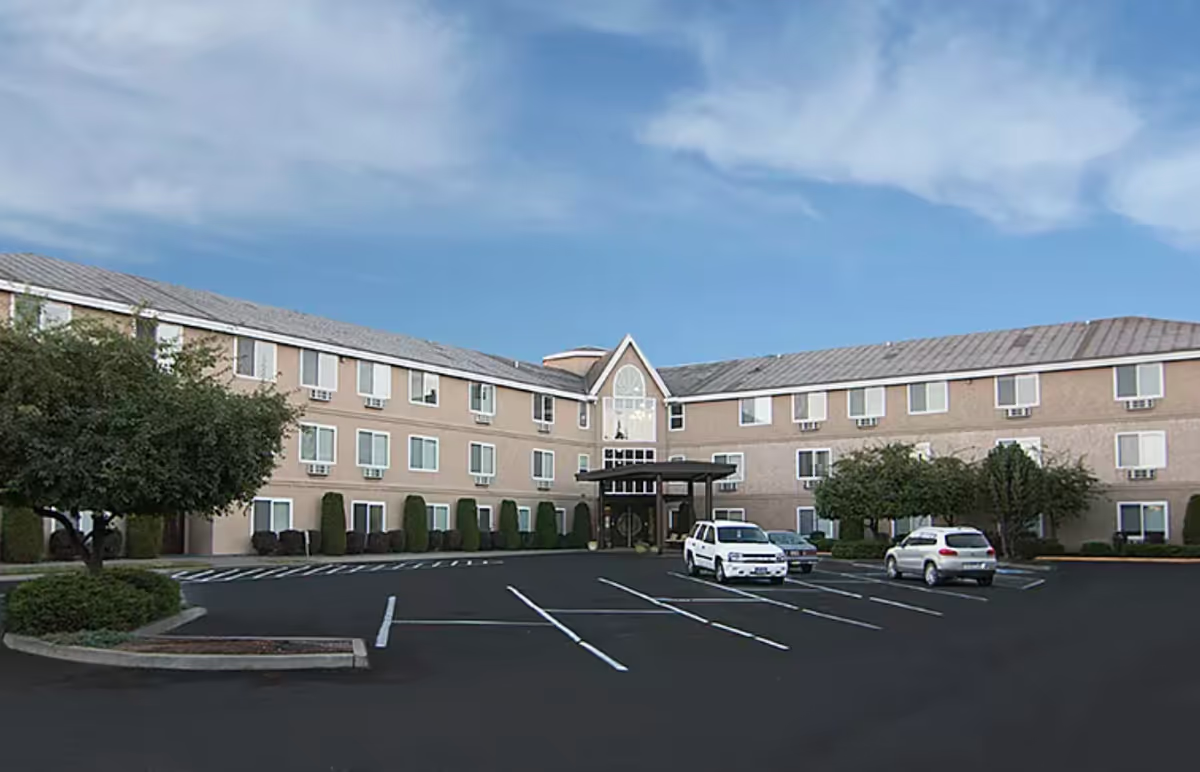
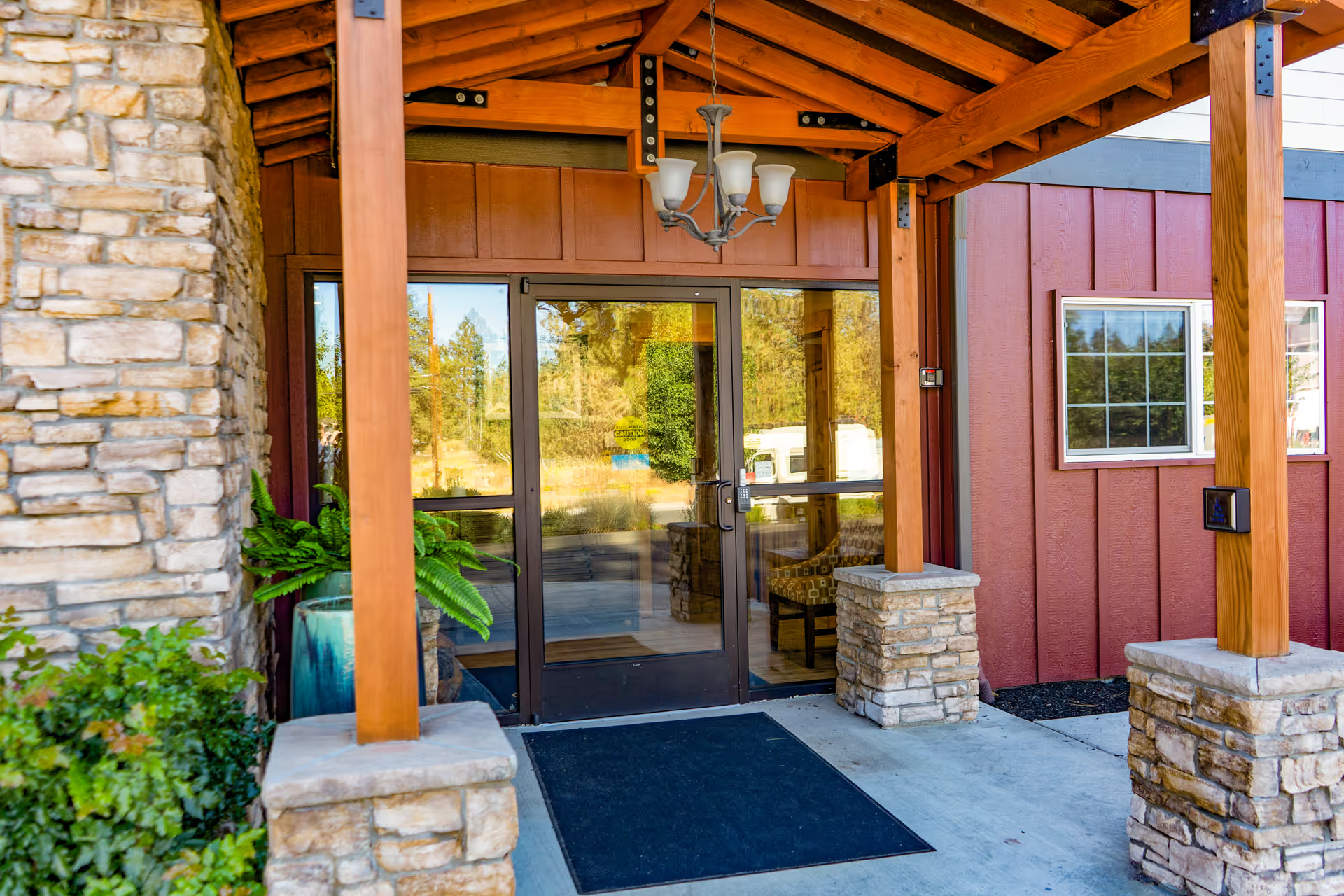
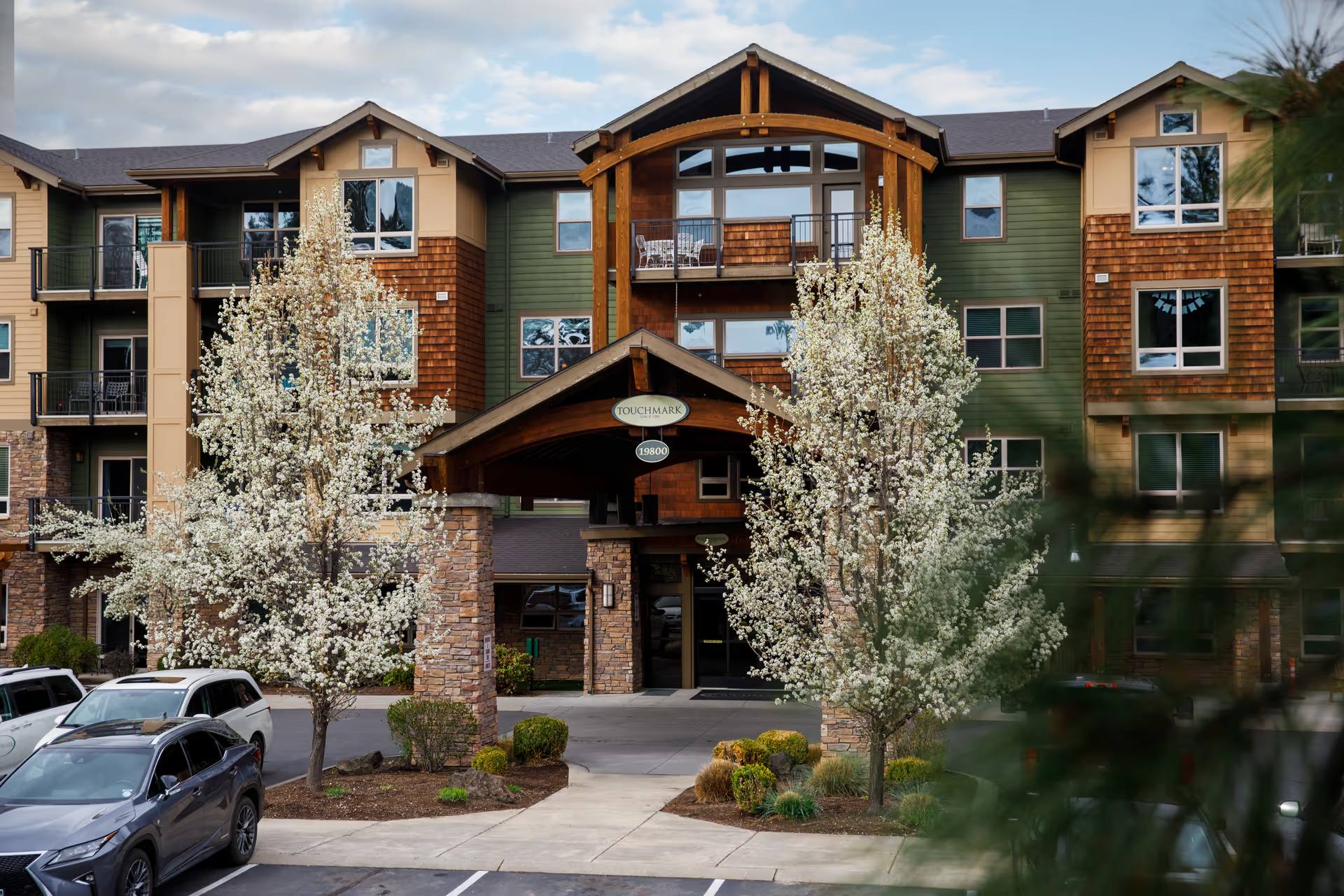
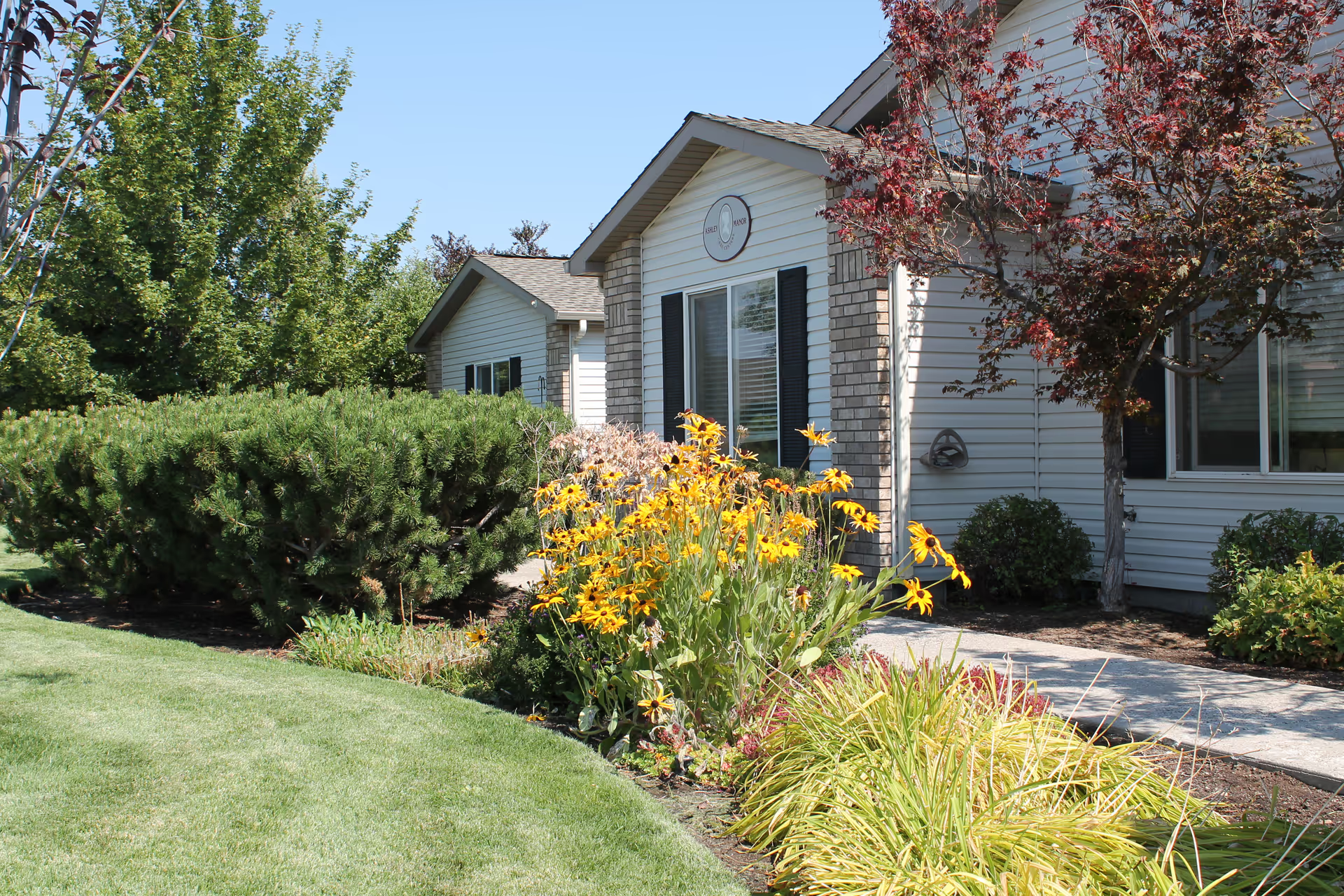
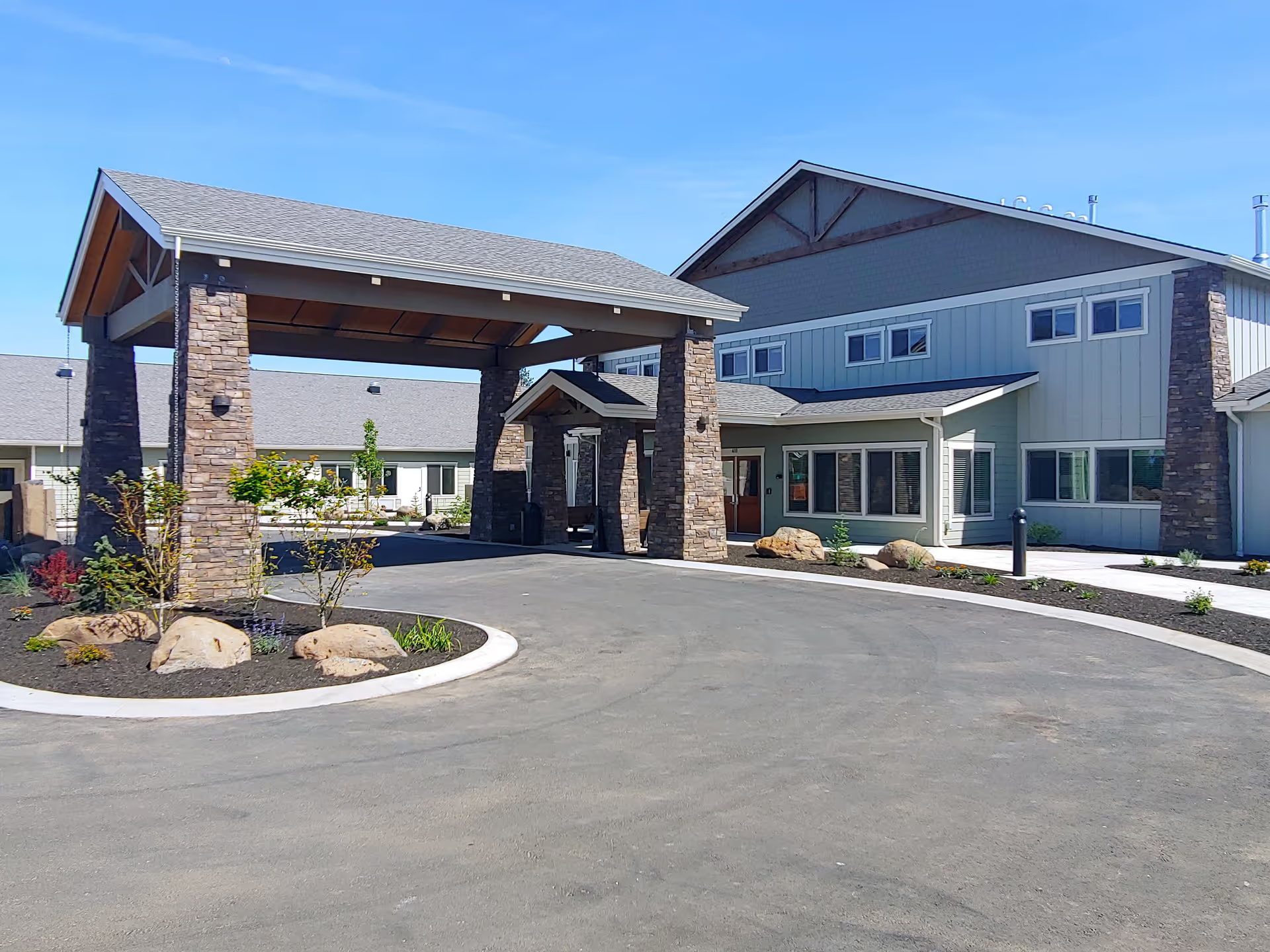
Facilities and access: The physical plant—bright units, windows, views, and pleasant public spaces—earns positive comments. However, reviewers pointed out variability in apartment sizes and amenity distribution (balconies, views), and practical limitations such as elevator capacity and lack of some in-unit services (e.g., a telephone). A small number of operational issues (night-entry procedures, front-desk responsiveness) were flagged as inconveniences that can affect daily life and visitor access.
Management and patterns: Ownership and management transitions emerged as a notable theme. Several reviewers felt service consistency, activity frequency, and meal quality declined following changes in management. Communication shortfalls with families during clinical or infection-control events were also cited as a recurring concern. Conversely, other reviewers praised prompt management responsiveness and compassionate leadership in certain situations. These mixed experiences suggest that service levels can be uneven and may depend on current leadership and staffing stability.
Overall recommendation guidance: Stone Lodge will likely be a good fit for independent seniors seeking an active, social community with reasonable pricing and convenient location. Families should evaluate the facility’s current staffing stability, evening and overnight clinical coverage, emergency-response arrangements, and recent dining performance during a visit. For people who expect increasing personal-care needs, clarify assisted-living capacity and transfer pathways, because the community appears optimized for residents who remain fairly self-sufficient.