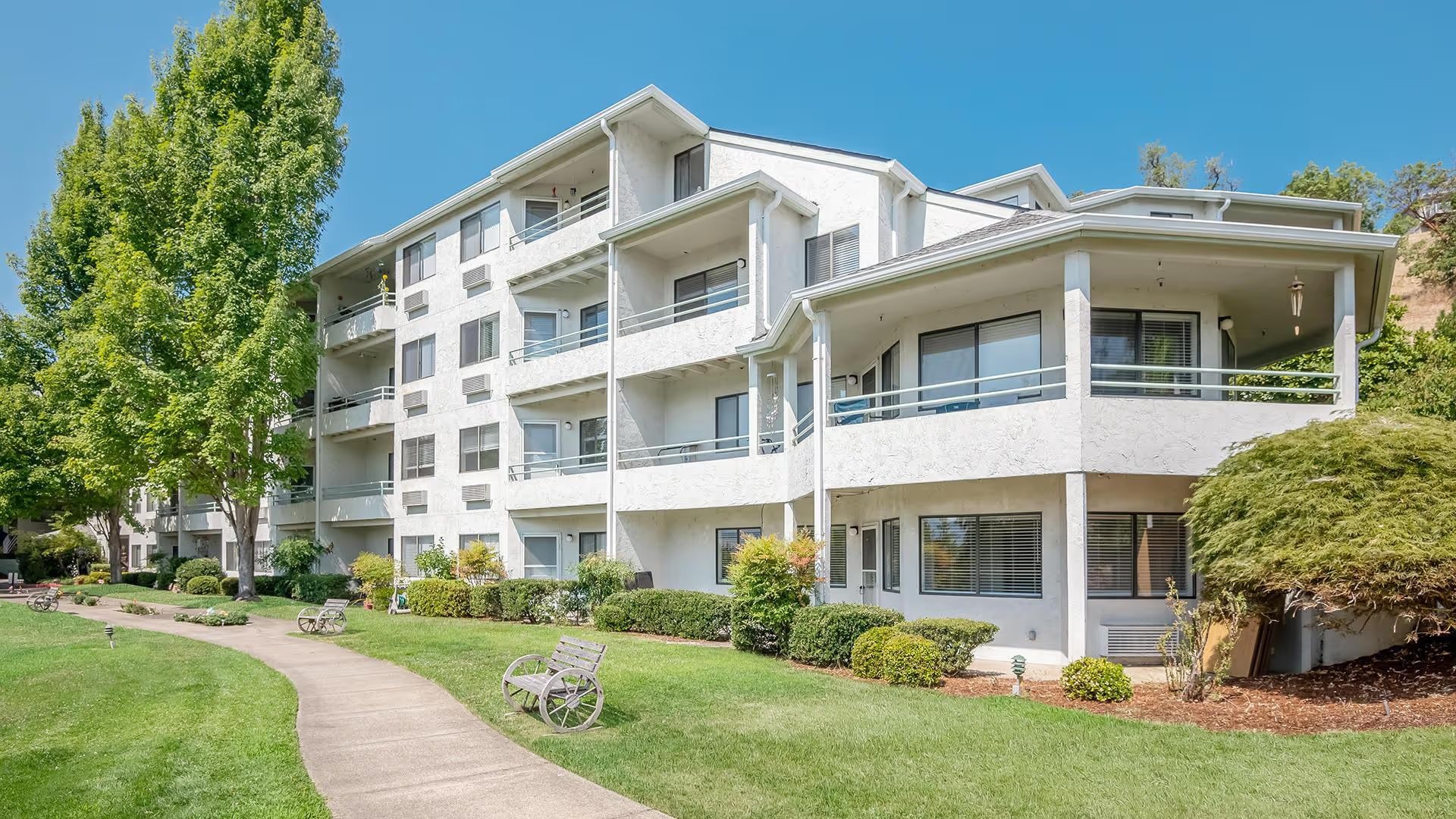
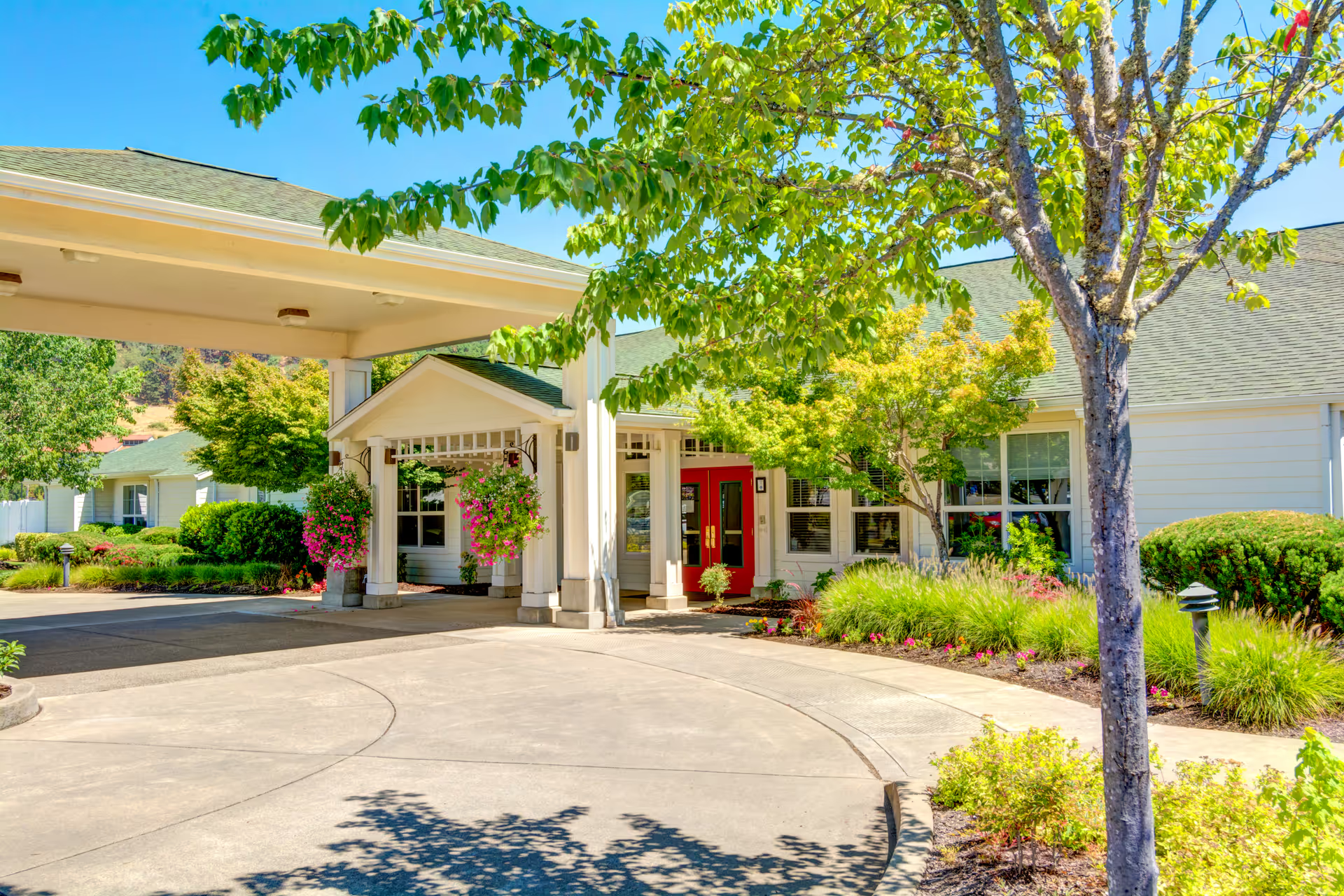
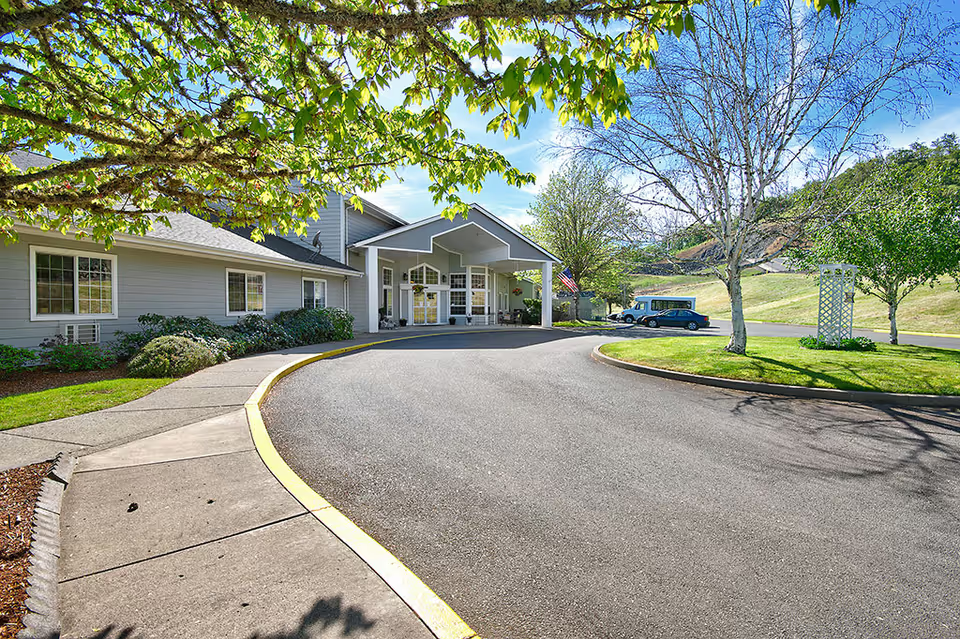
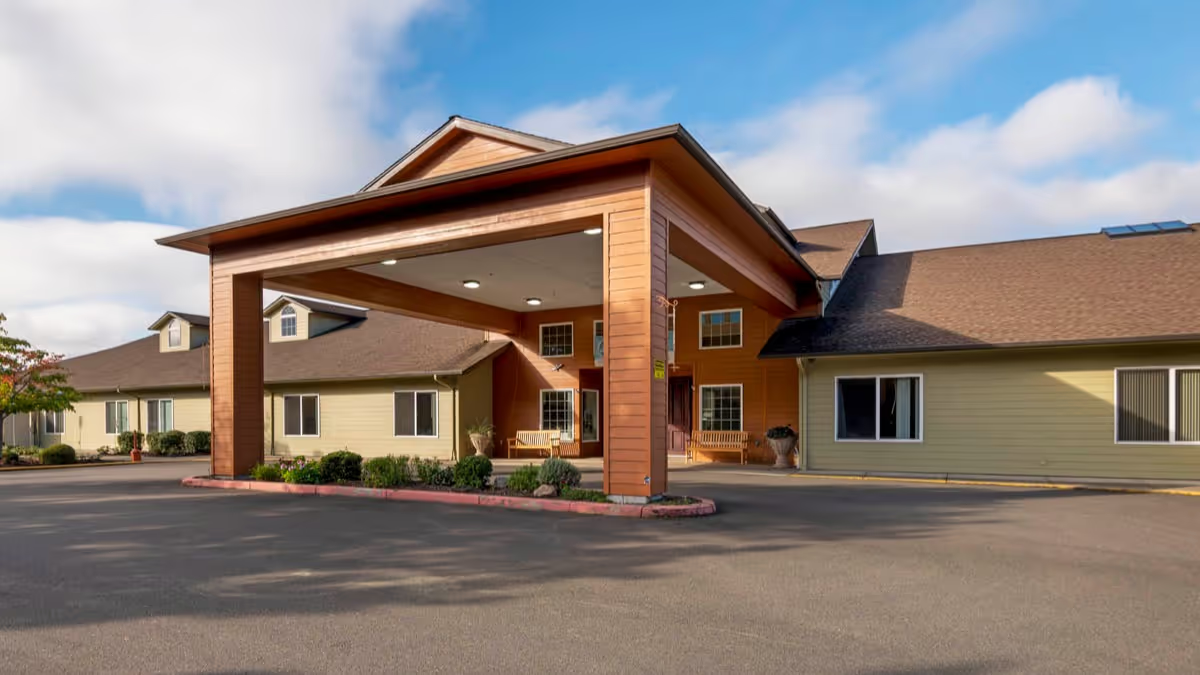
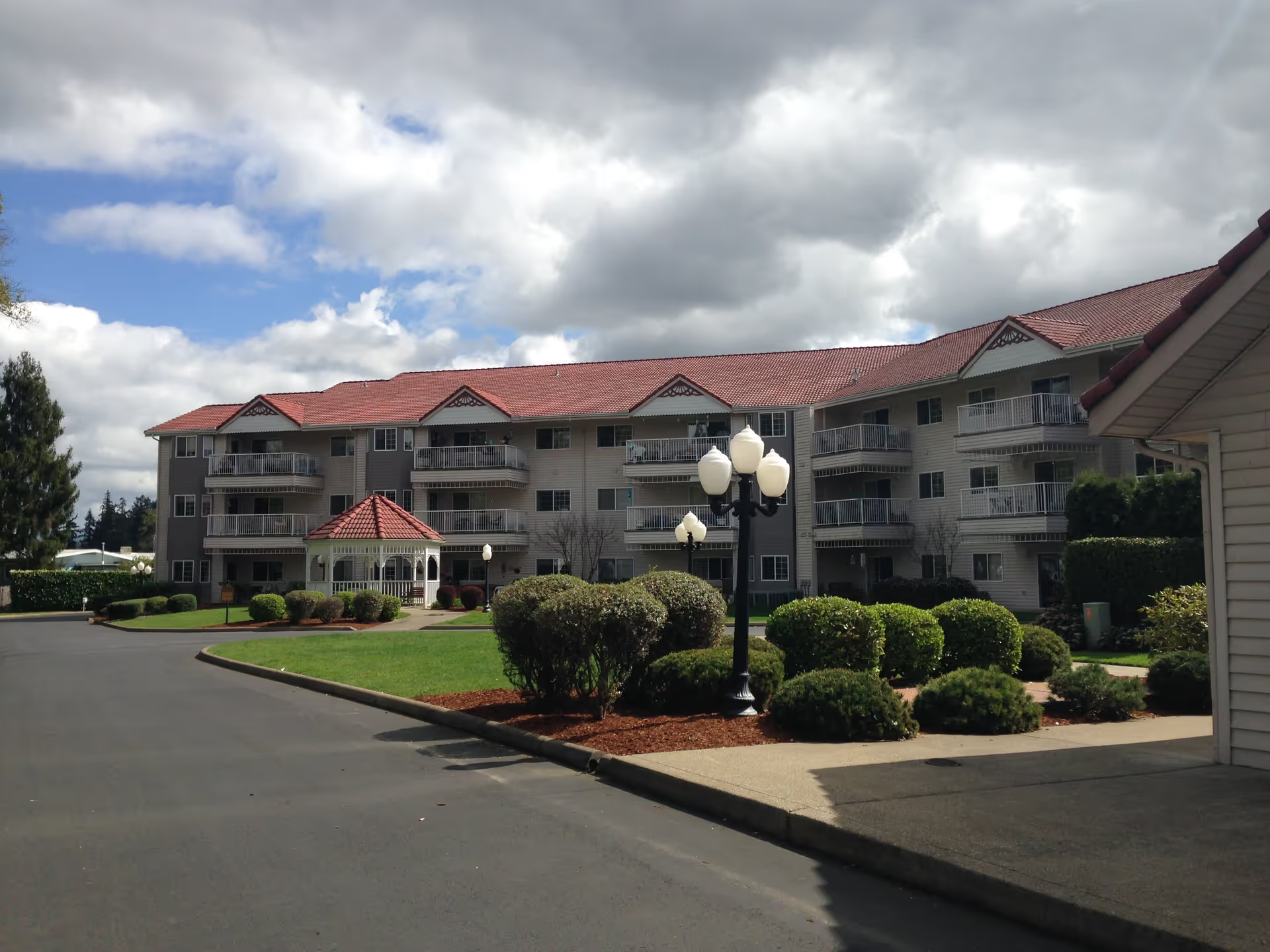
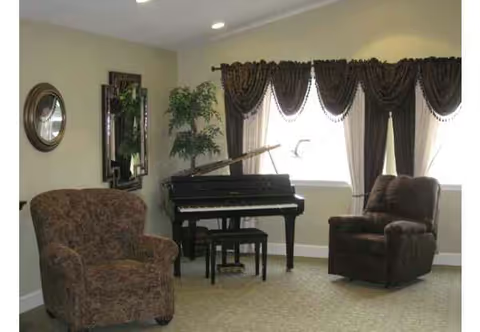
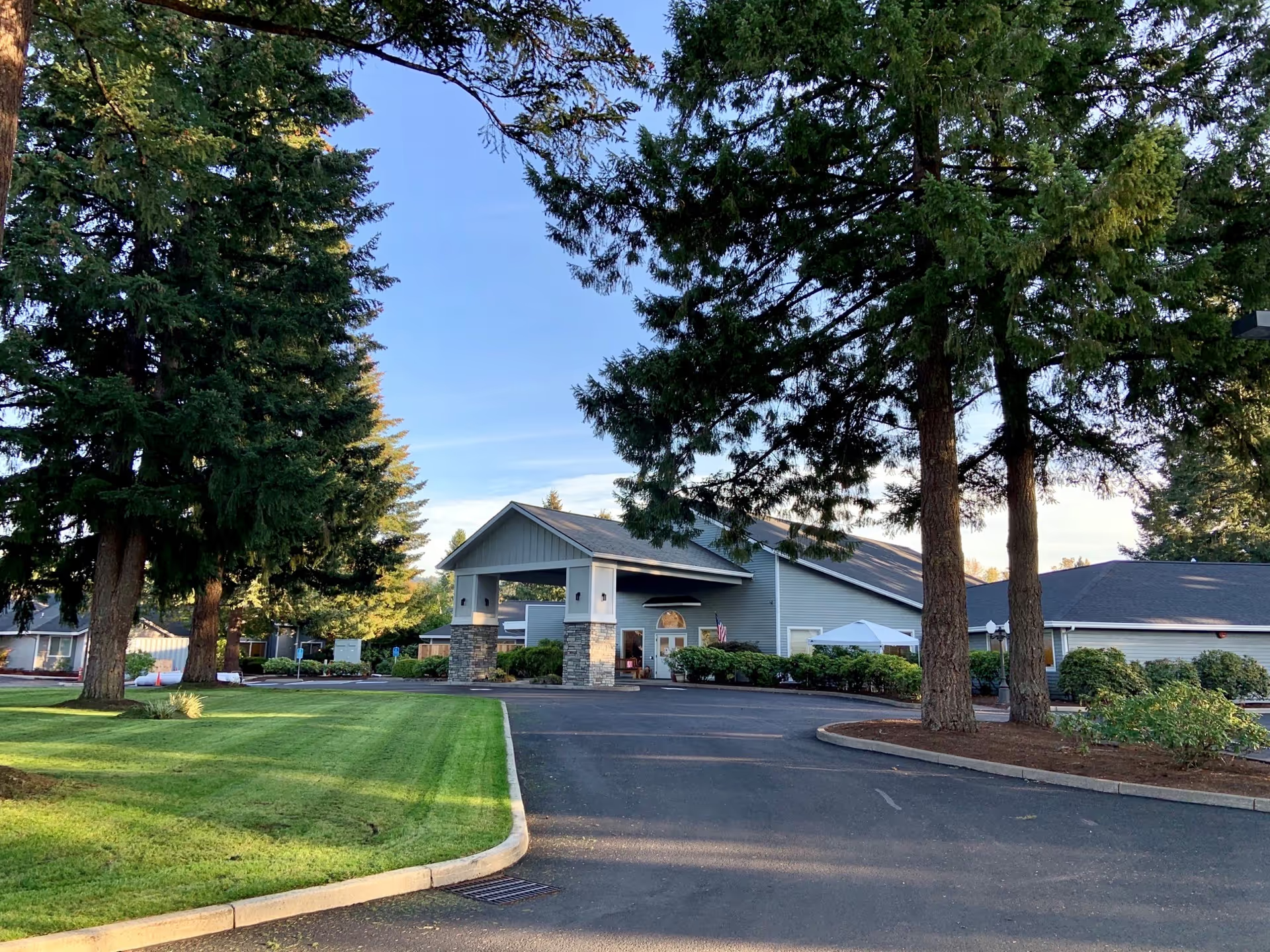
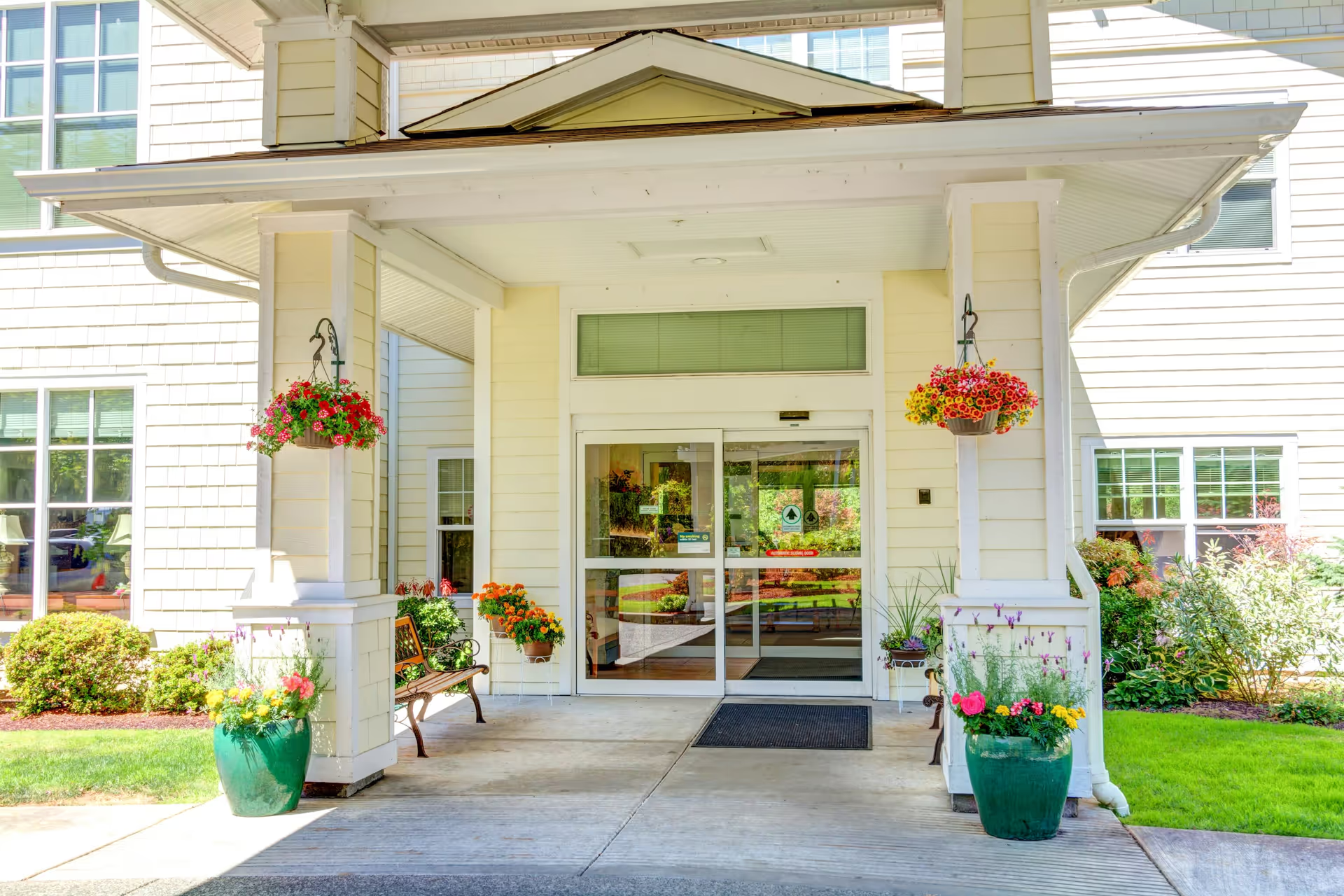
Linus Oakes Village presents as a well-kept independent-living community with a strong emphasis on a home-like atmosphere, social engagement, and campus amenities. Many reviewers praised the facility's cleanliness, modern and renovated apartment layouts, abundant storage, and outdoor walking spaces. The grounds and common areas are described as attractive and well maintained, and the community offers a variety of housing types (including cottages and two-bedroom units) that accommodate different household sizes.
Staff quality and resident relationships are recurring strengths. Numerous comments highlight courteous, knowledgeable, and supportive front-line staff; residents and visitors commonly note that staff learn residents' names and create a welcoming environment. On-site service offerings such as a beauty shop, woodworking/hobby areas, and transportation to medical appointments and local errands reinforce the independent-living orientation. However, reviewers also pointed to concerns about leadership and complaint handling: a serious allegation regarding administrator conduct was raised and described as unresolved in that instance, and several accounts characterize complaint-resolution as inadequate. These accounts suggest prospective residents and families should ask specifically about recent leadership turnover, current complaint processes, and staff stability during tours.
Dining and activities are central to community life but appear inconsistently described across reviews. Many residents praise the dining program—restaurant-style service, varied menus, and well-prepared dinners are frequently commended. At the same time, other reviewers describe a reduced meal-service model (one or two meals provided, or changes tied to infection-control periods) and occasional dissatisfaction with food quality. Activity programming is consistently viewed positively: scheduled exercise classes, card games, holiday events, knitting groups, and social coffee hours are noted as a strength that supports social connection.
Facility management and operations show mixed signals. The physical plant is generally reported as meticulous and modern, but multiple reviews raise operational concerns: delayed repairs (notably prolonged elevator outages) and other maintenance lags that can affect residents who use mobility aids; questions about emergency-system reliability and routine service levels; and variability in housekeeping and maintenance invoice practices. Financial transparency is another area of concern. Reviewers describe large entrance or buy-in requirements, higher-than-expected rents in some cases, fees buried in paperwork, and instances of billing errors or disputed charges. Prospective residents should review contracts carefully, request an itemized fee schedule, and seek clarifications on move-out charges and maintenance estimates.
In summary, Linus Oakes Village offers many of the desirable attributes of an independent-living community: a friendly, socially active resident body; a broad activities calendar; attractive grounds; and generally highly regarded front-line staff. At the same time, there are operational cautions to investigate further—meal-plan consistency and current dining arrangements, billing and contract clarity, recent maintenance-response performance, accessibility constraints related to site layout, and how leadership handles serious complaints. These factors will be important to weigh for families deciding whether the community’s strengths align with an individual’s care needs and financial expectations.