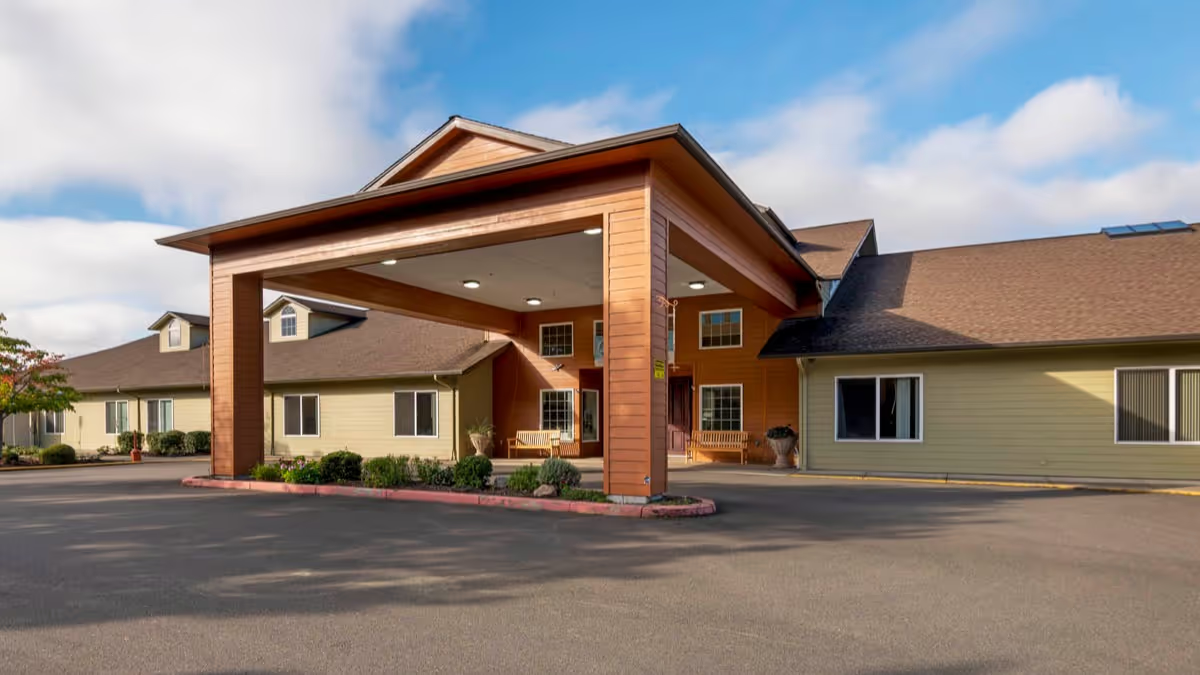
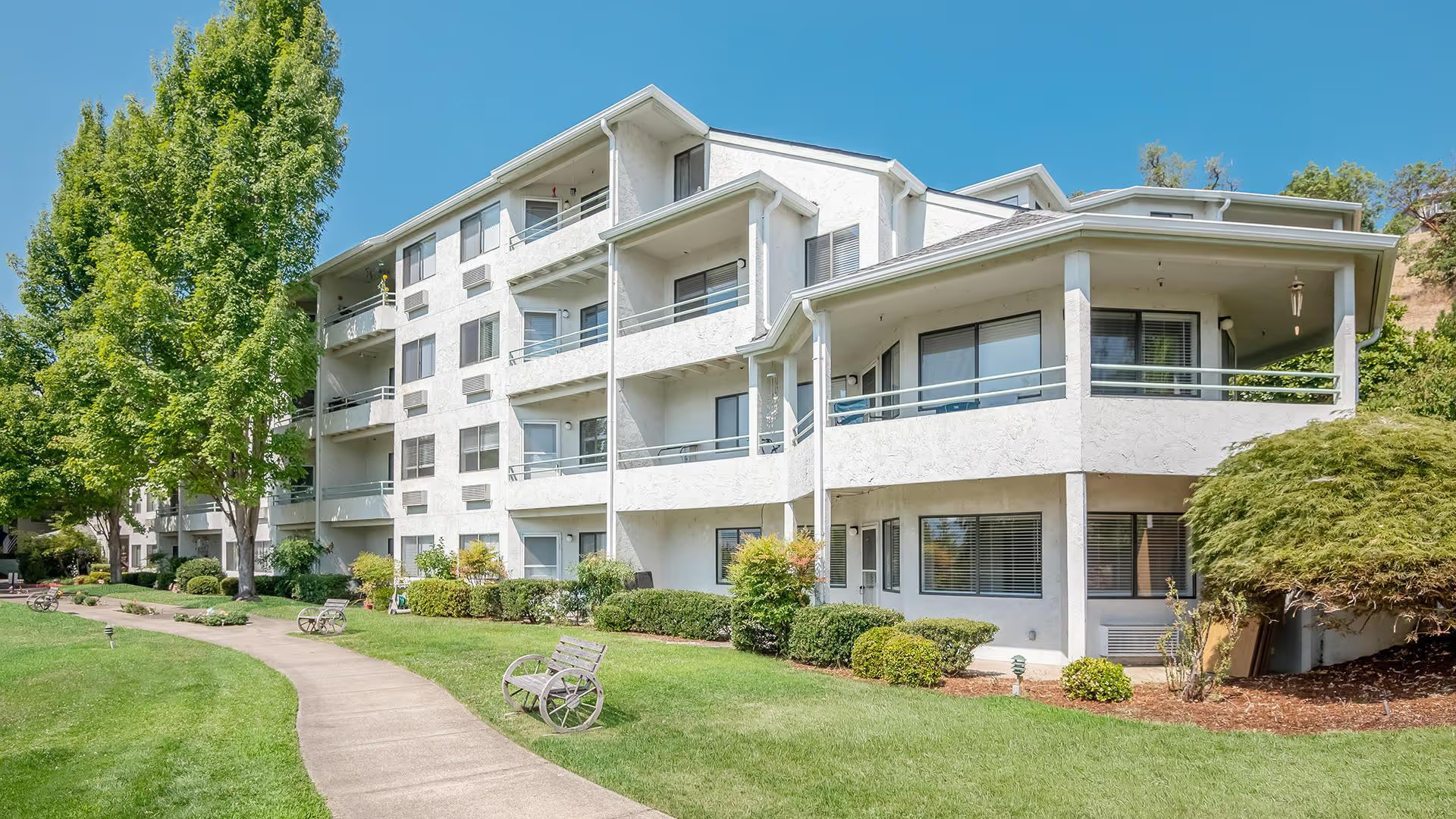
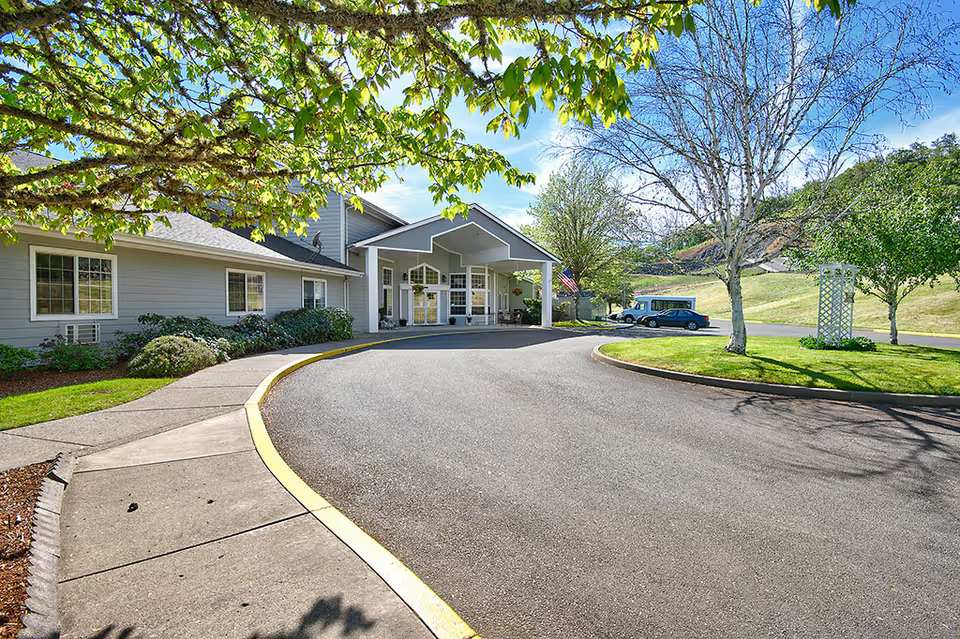
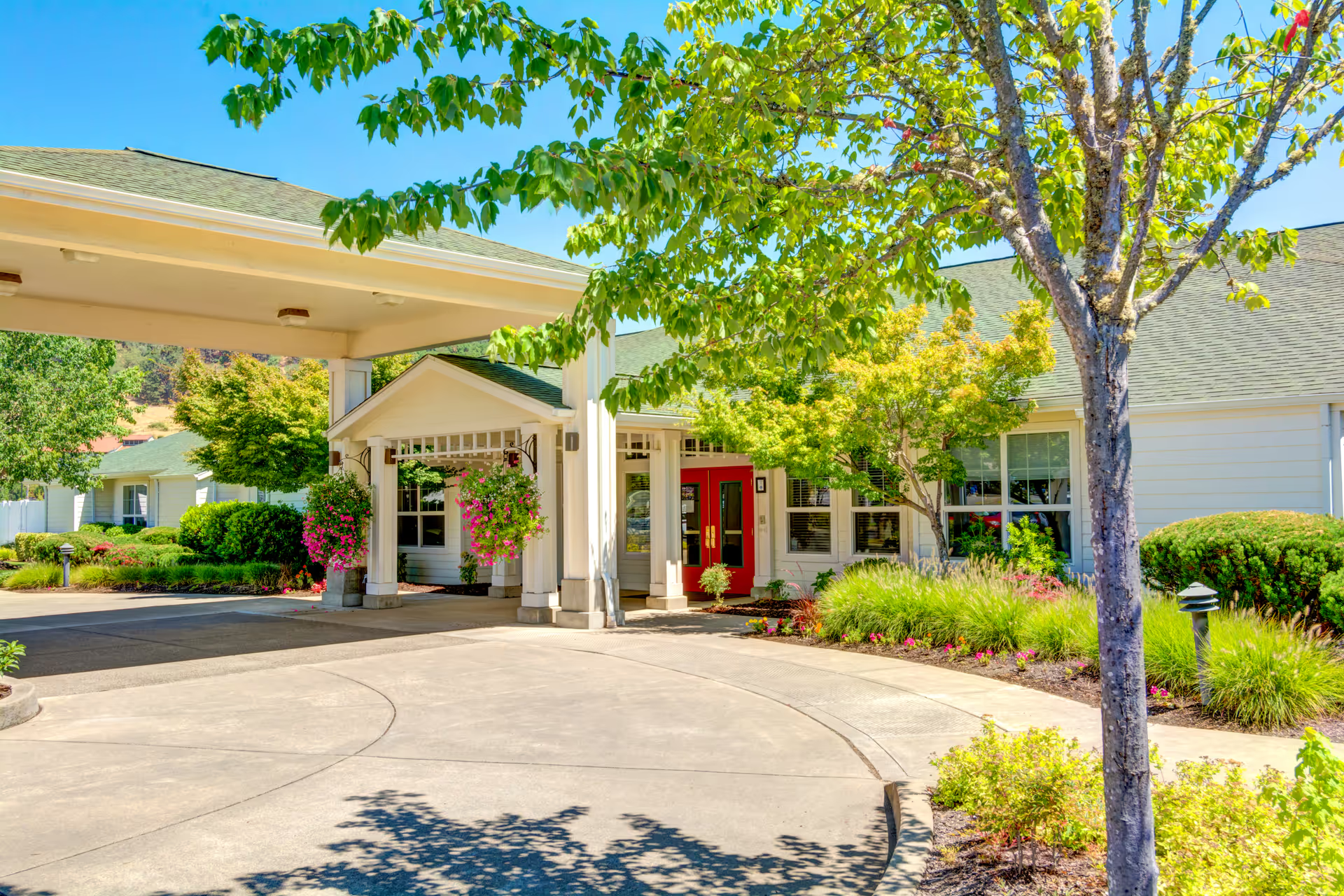
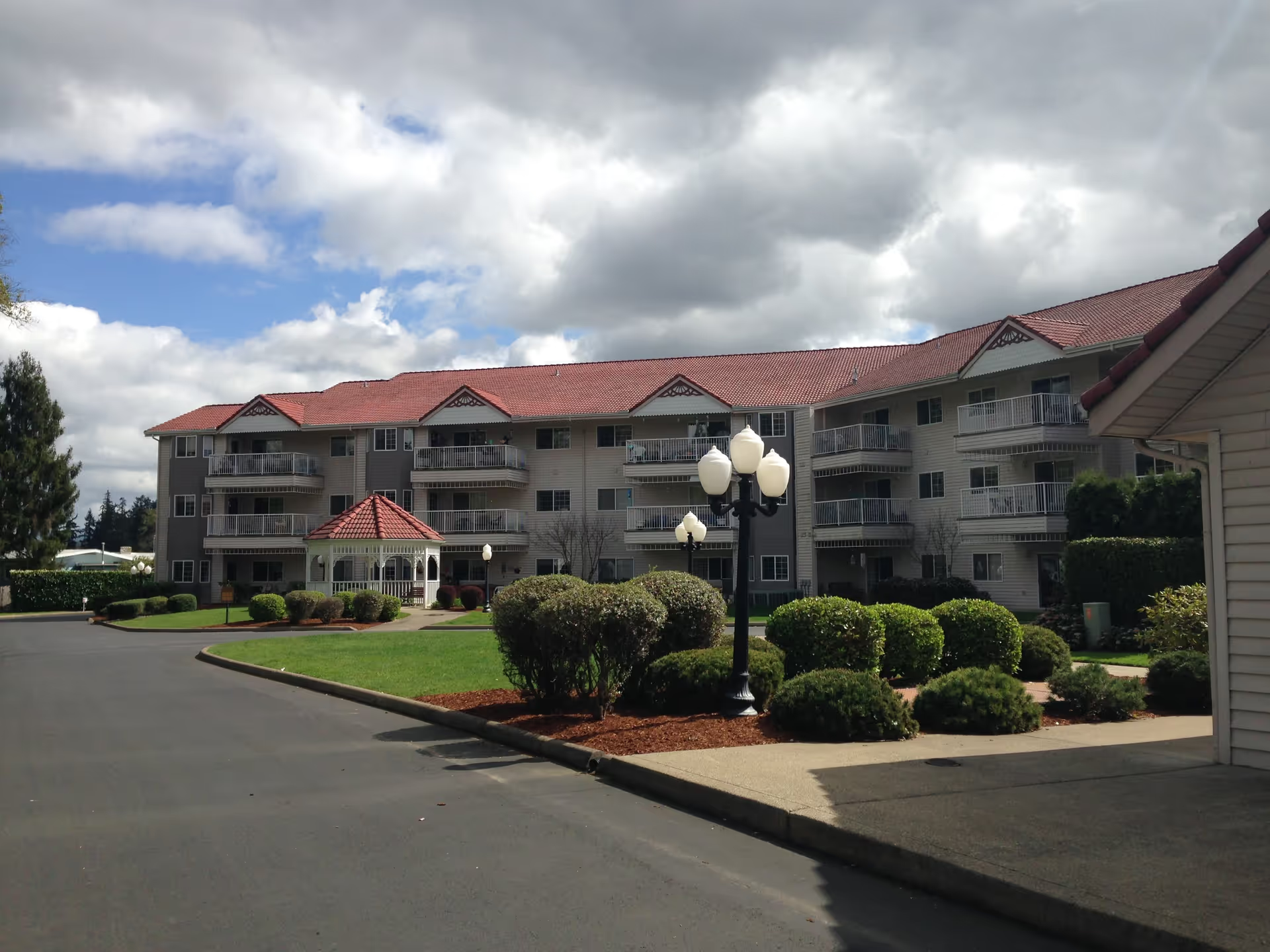
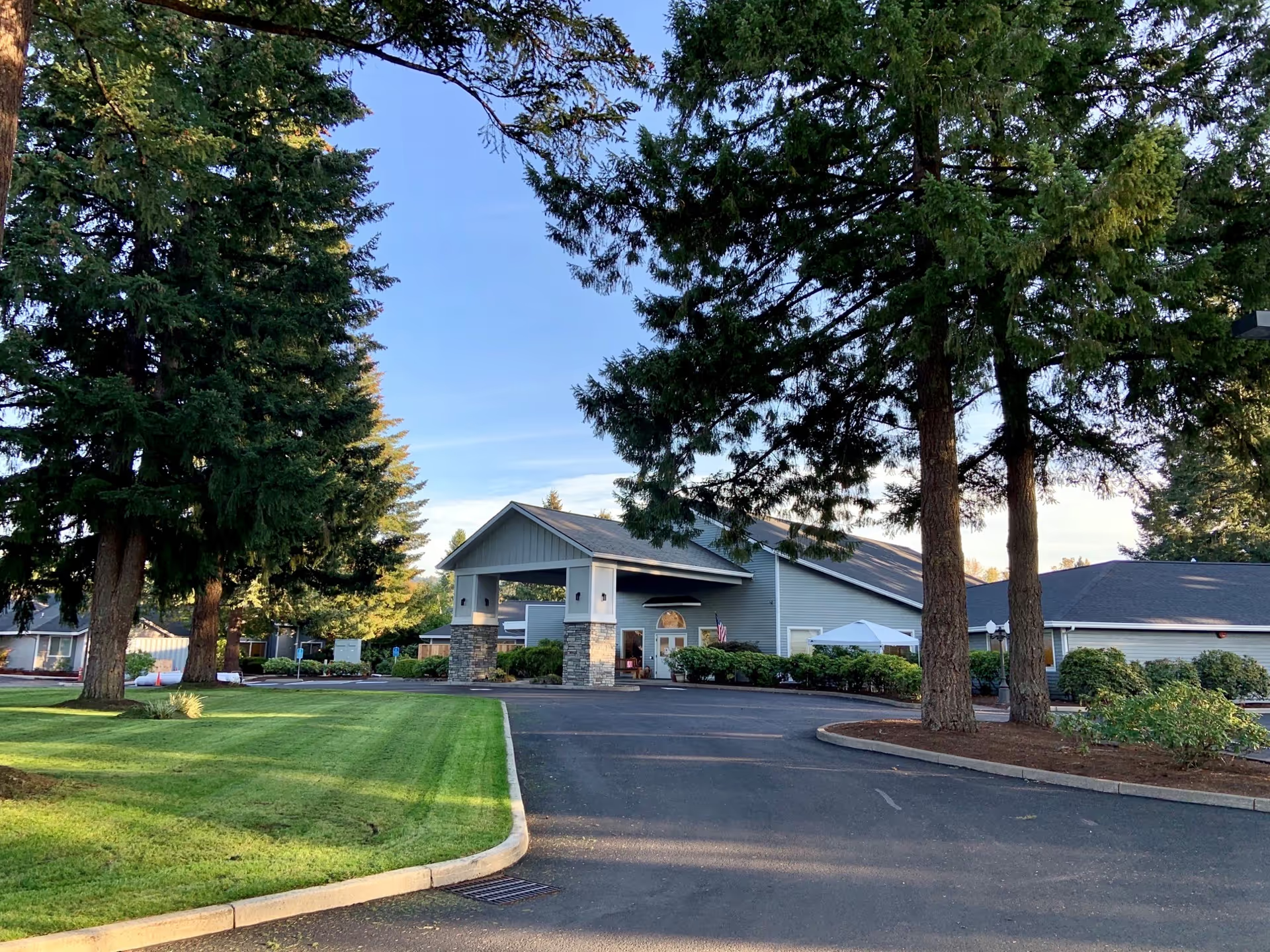
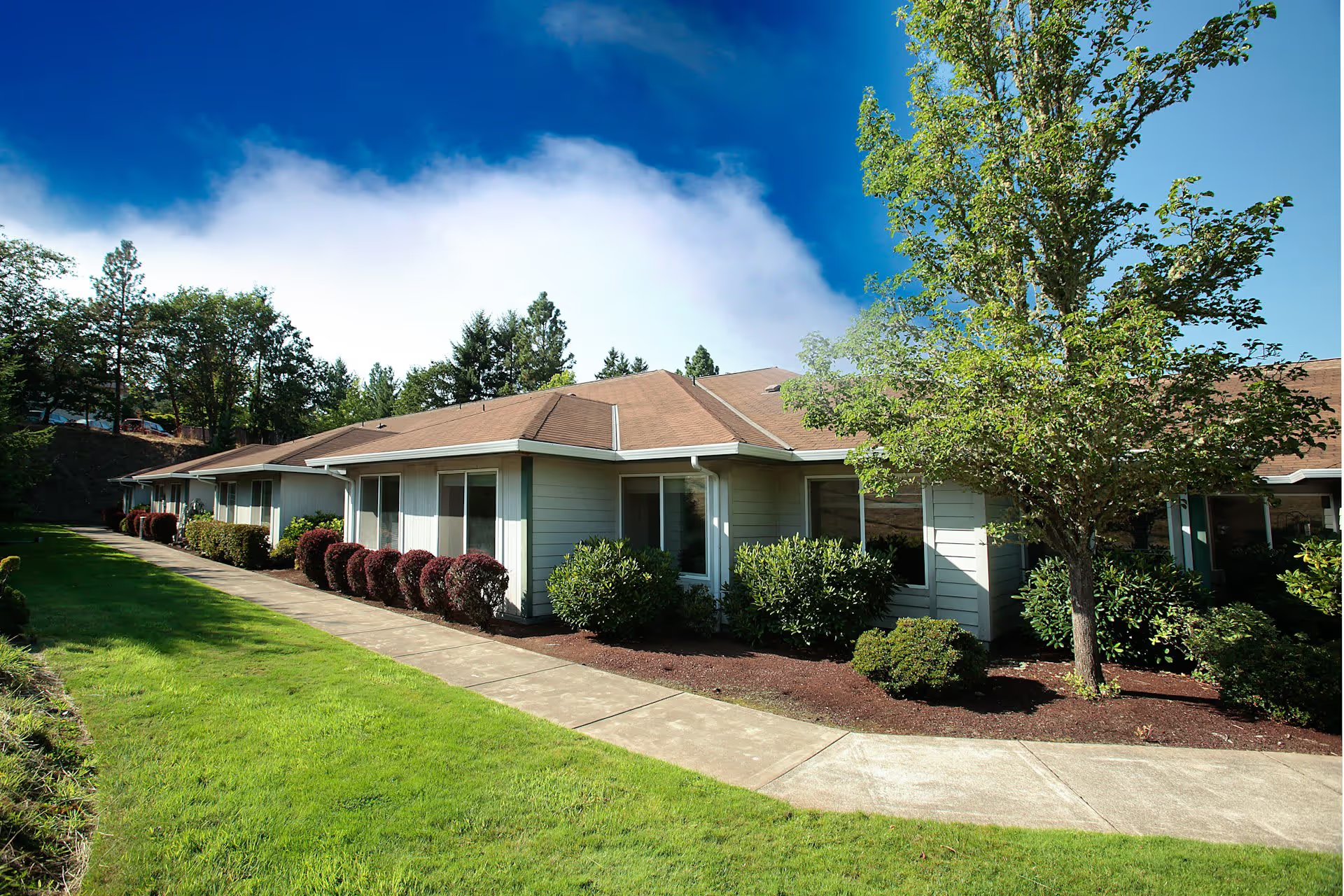
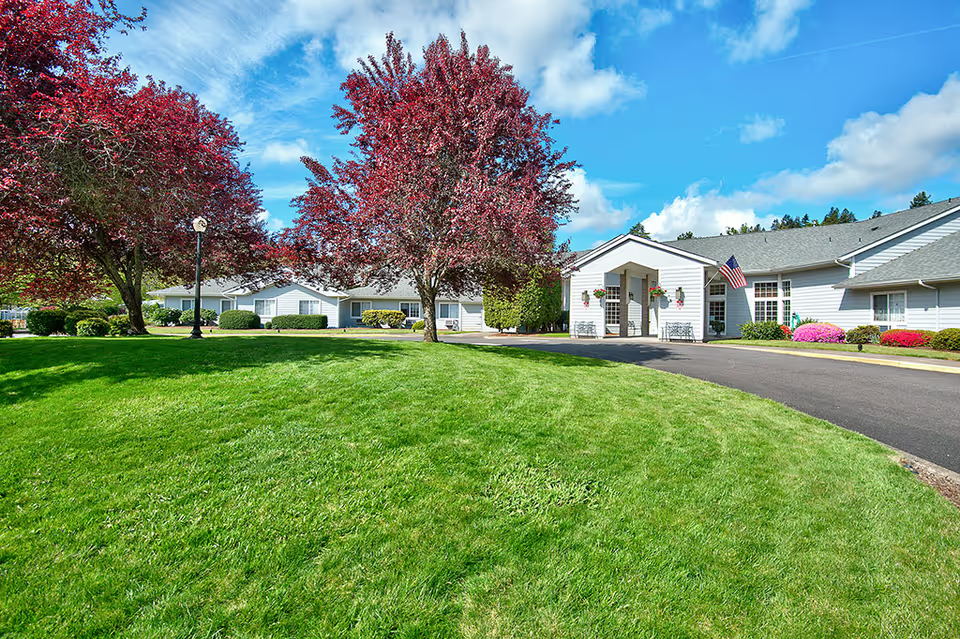
Overall impression: The facility is commonly described as clean, well-maintained, and home-like, with many families praising the caregiving team and the degree of social engagement residents experience. Several accounts emphasize attentive, accommodating staff who facilitate transitions, encourage participation in activities, and maintain pleasant living and dining areas. Outdoor spaces and larger private rooms are noted positively, and many residents reportedly enjoy meals and regular outings.
Care and staff: Clinical and day-to-day care is generally characterized as high quality; staff are frequently described as kind, cheerful, and willing to go beyond basic duties to support residents. That said, there are recurring operational concerns around staff professionalism and role clarity. Reviewers describe instances where staff actions or decision-making appeared outside expected role boundaries, and families have identified inconsistent responsiveness to questions or requests. Separately, there are serious claims alleging disrespectful treatment and a toxic workplace culture; these are significant and merit direct inquiry by prospective families and regulators when appropriate.
Dining and activities: The program offers a range of activities (bingo, outings, regular social events) and many residents are reported to be socially engaged after arrival. Dining spaces are described as comfortable and home-like, and many reviewers say meals are enjoyable. At the same time, others describe the food as institutional or inconsistent with home-style cooking, indicating variability in dining quality that prospective families should clarify with the facility.
Facilities and management: Physical spaces receive strong marks for cleanliness, absence of unpleasant odors, and a pleasant presentation throughout common areas and private rooms. Secure courtyards and easy onboarding for new residents are additional strengths. Management-related themes are mixed: while front-line caregivers are praised, reviewers point to gaps in management-level communication, public-relations skills, and responsiveness. These managerial concerns, together with perceptions of limited specialized memory-care programming and questions about value relative to cost, suggest areas for targeted questions during a tour.
Guidance for prospective families: Ask about staff roles and training, escalation procedures for clinical or behavioral issues, and how the facility documents and communicates incidents. Tour dining areas during a meal service to assess consistency and home-style options. Inquire specifically about on-site memory-care programming and placement pathways if specialized dementia care may be needed. Finally, seek clarification on family communication protocols and any steps management has taken to address workplace-culture concerns so you can evaluate both day-to-day care and organizational oversight.