The reviews present a mixed picture in which frontline care and rehabilitation services are often singled out as strengths while facility-level operations and consistency are frequent concerns. Many families and residents praise the compassion and attentiveness of nursing staff and certified nursing assistants, and therapy services (physical, occupational, and speech) are widely described as effective contributors to recovery and discharge planning. Dietary services receive repeated positive comments for accommodating special needs and providing enjoyable meals. Housekeeping, maintenance, reception, and certain administrative staff are also noted as welcoming and helpful, contributing to a generally bright and supportive atmosphere on many units.
At the same time, recurring operational issues underpin much of the negative feedback. Staffing instability and short-staffed shifts are described as creating inconsistent care availability and delayed responses to resident needs. Several items indicate gaps in clinical oversight and medication management, including inconsistent pain control, glycemic management, and adherence to protocols for feeding tubes, catheters, and wound care. These clinical-process concerns are often linked in reviews to delays in escalation, uneven physician follow-up, and variability in how clinical questions are handled.
Communication and logistics are additional areas of concern. Families describe difficulty reaching staff by phone, front-desk coverage gaps, and inconsistent message-handling; separate comments point to delays or confusion during discharge and transitions. Management and leadership perceptions are mixed: some accounts describe responsive administrators who address concerns, while others characterize leadership turnover, morale issues, and decision-making that staff and families find unsatisfactory. Personal-property handling and laundry processes emerge as a tangible operational risk, with multiple accounts noting lost or mishandled clothing and belongings.
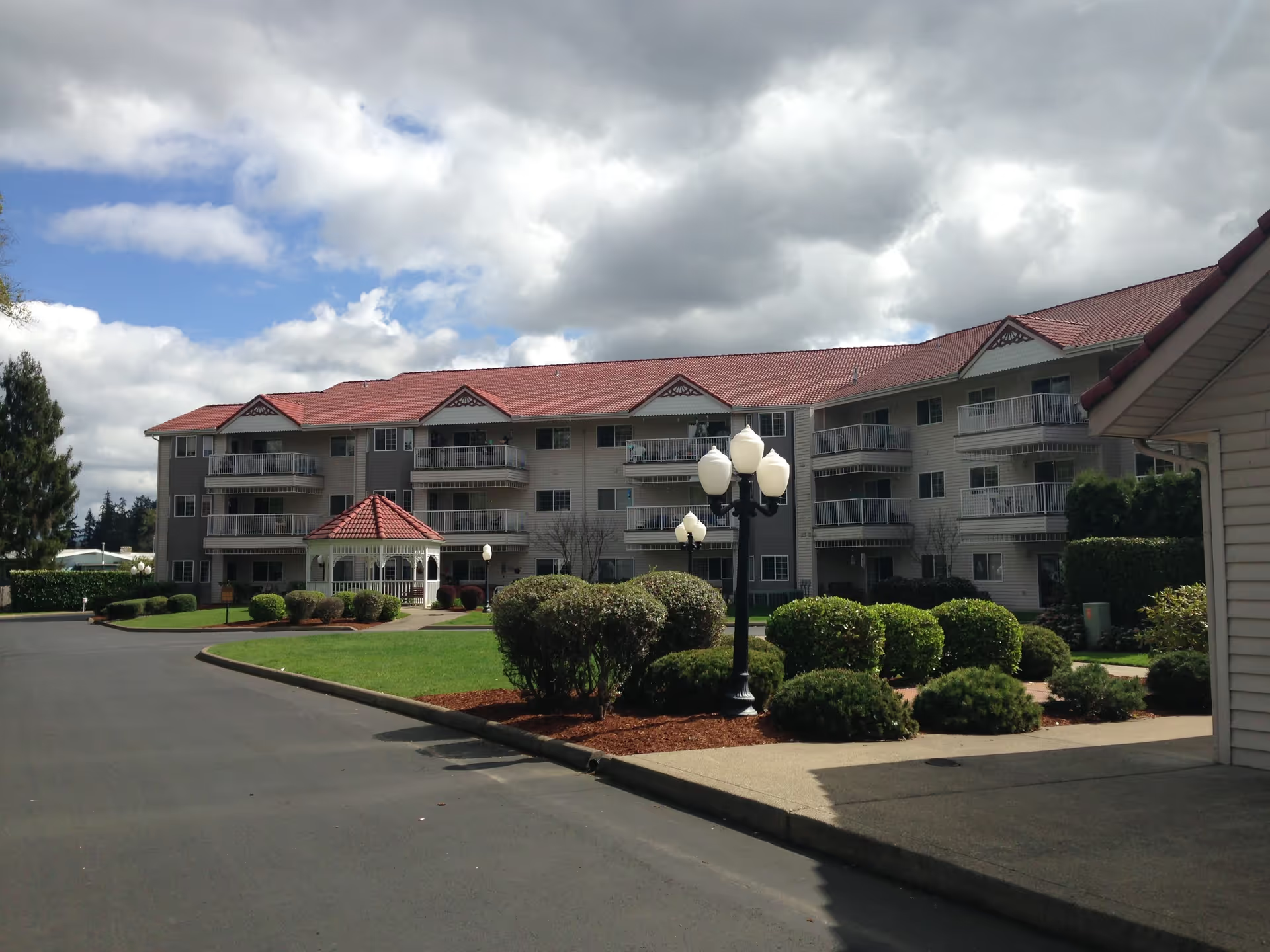
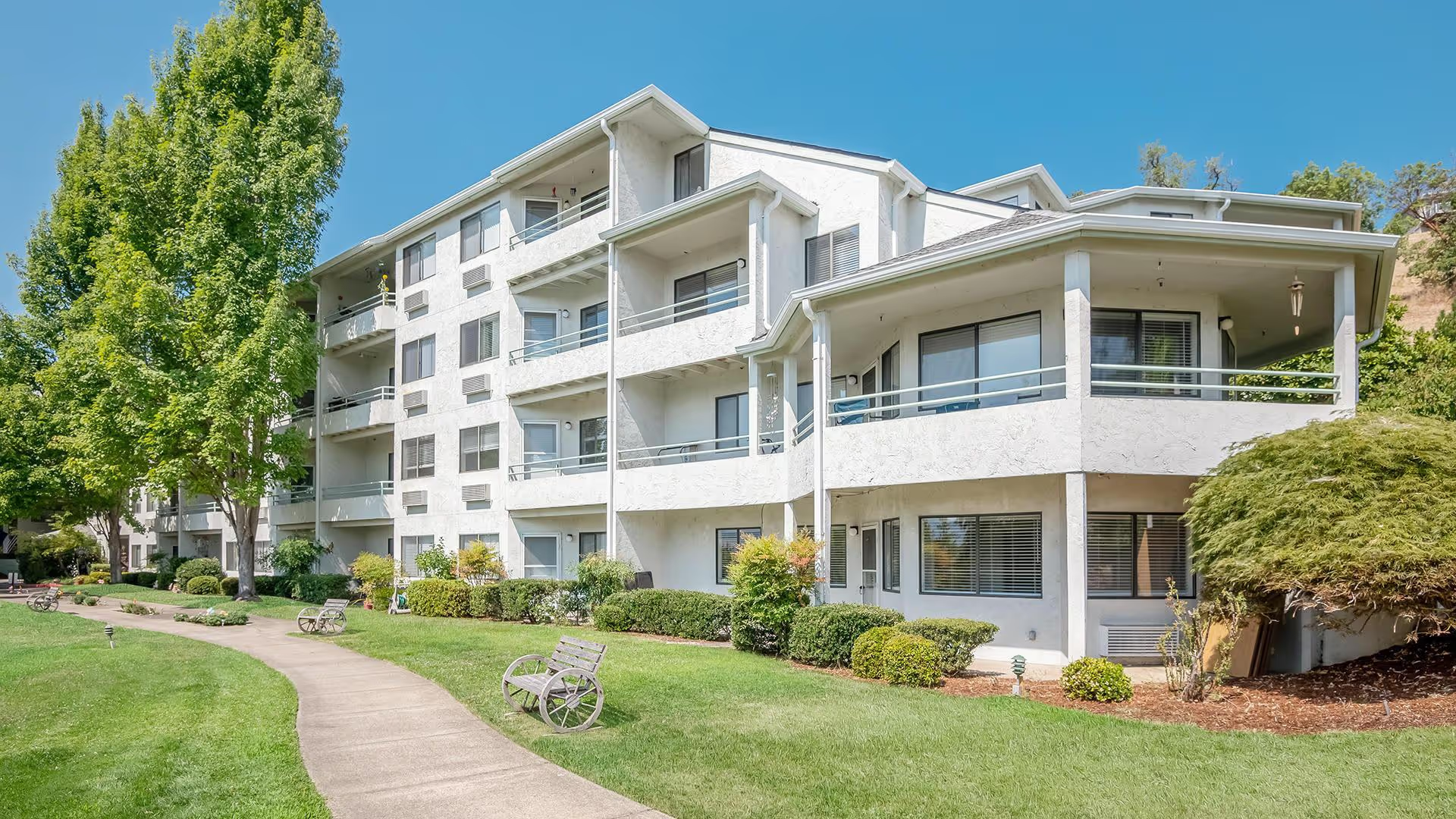
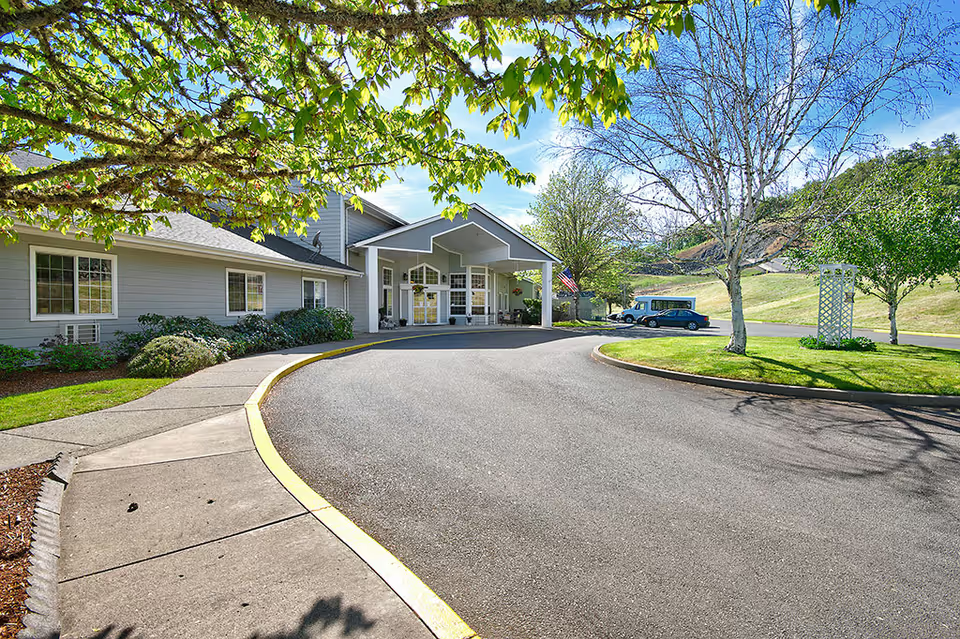
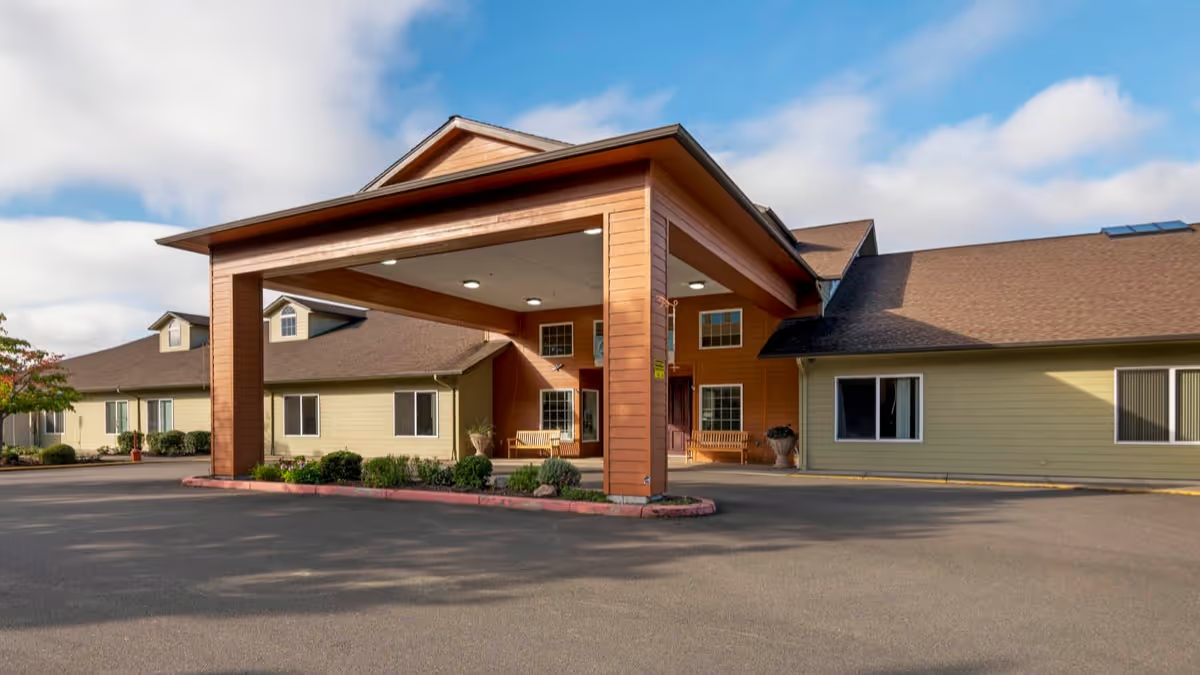
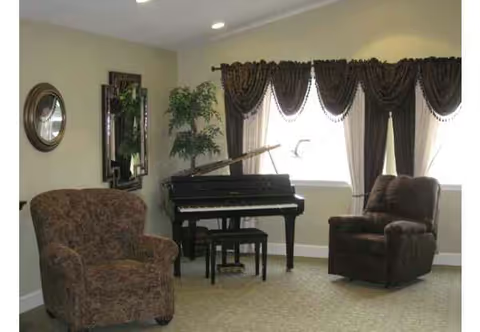
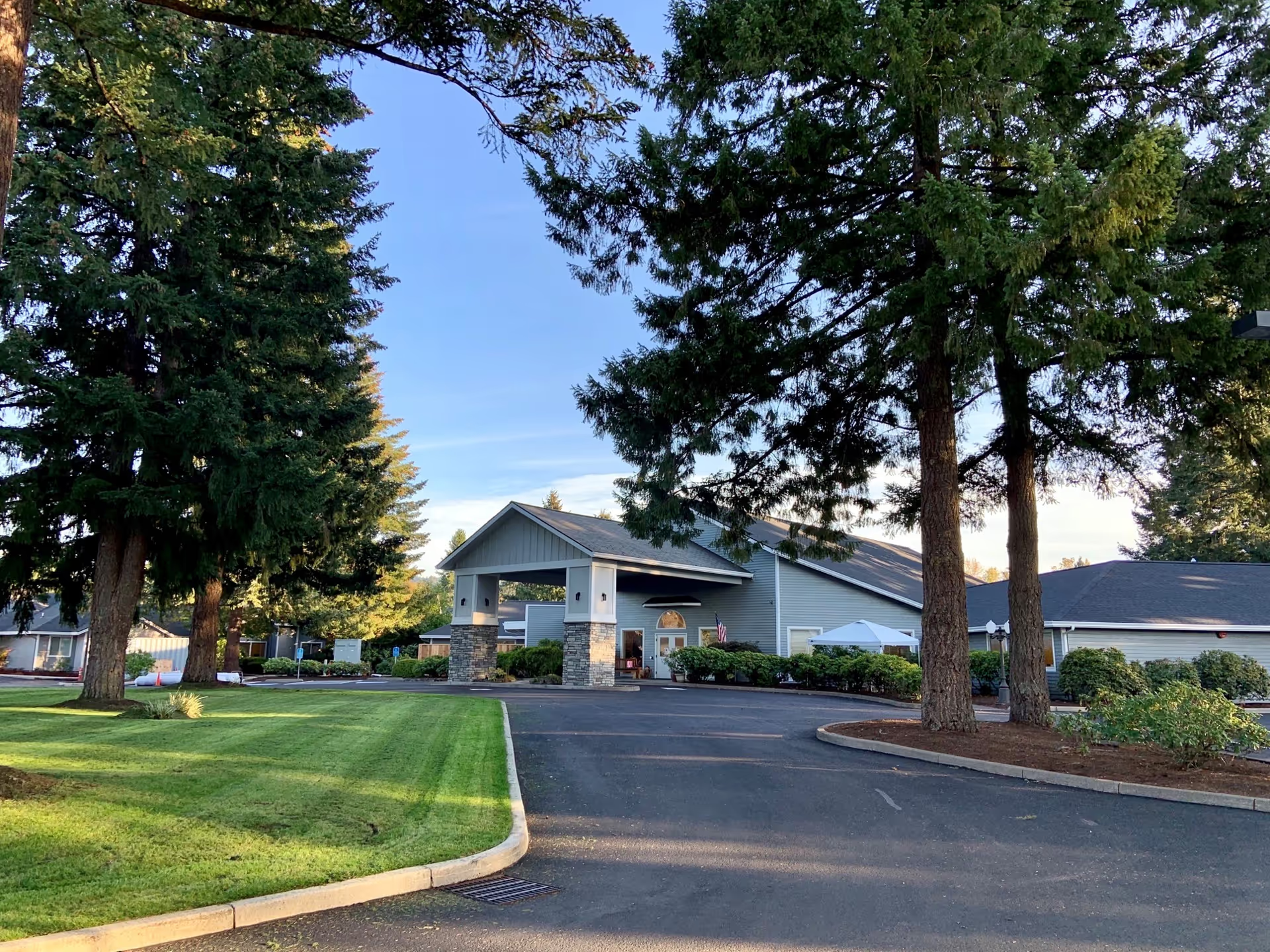
Physical plant and environment impressions are also variable. Many reviewers describe clean, bright rooms and a cheerful atmosphere that supports recovery; others describe dated areas, temperature concerns, and sanitation or pest-control issues in select units, suggesting uneven maintenance across the facility. Privacy limitations related to shared rooms and bathrooms are noted as a drawback for residents who prioritize single-occupancy or private bathing facilities. A small number of reviews raise concerns about end-of-life communication and the handling of postmortem paperwork; these are serious family-level concerns that prospective families should discuss directly with leadership.
For prospective residents and families: the facility appears to offer strong rehabilitation and many compassionate frontline caregivers, which may be especially valuable for post-acute recovery. Before placement, it is advisable to assess current staffing levels on the intended unit, confirm clinical oversight arrangements (attending physician coverage, pain-management protocols, device care procedures), review laundry and personal-property processes, and ask how the facility handles family communication and discharge coordination. An in-person tour focusing on unit cleanliness, phone/front-desk accessibility, and room occupancy options will help determine whether the facility’s operational practices align with the family’s priorities.