Reviews of The Dalles Health and Rehabilitation present a mixed but thematically consistent picture. Many families describe a caring environment with strong clinical rehabilitation services and nursing attention that supports recovery and improved mobility. At the same time, a subset of accounts raises operational and communication concerns that materially affected family trust and resident safety perceptions.
Care and staff: Positive comments concentrate on hands-on caregiving and therapy. Multiple families praised nurses, CNA caregivers, and the physical therapy team for being compassionate, encouraging, and effective in restoring mobility and facilitating hip- and post-surgical recoveries. Reviewers frequently used language indicating that staff went above and beyond and that residents felt well cared for. However, there are clear reported gaps in specific clinical capabilities: several reviewers noted the facility does not consistently meet the needs of residents with dementia, and others flagged weaknesses in medication administration and storage controls. There are also complaints describing variability in staff professionalism and conduct, including concerning interpersonal interactions and consent-process issues.
Dining and activities: Many reviewers complimented the dining experience and kitchen staff, calling meals good and staff attentive. Activity and therapy programming received favorable mentions for engagement and support of mobility goals. Conversely, a few accounts described inconsistent meal quality and service errors, indicating that dining performance may vary across shifts or residents.
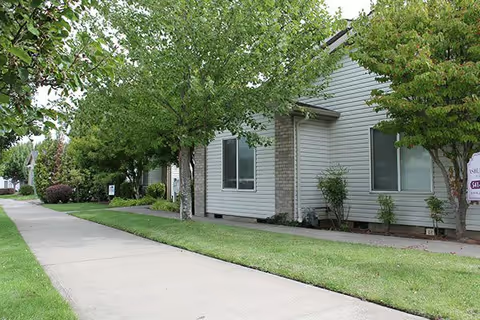
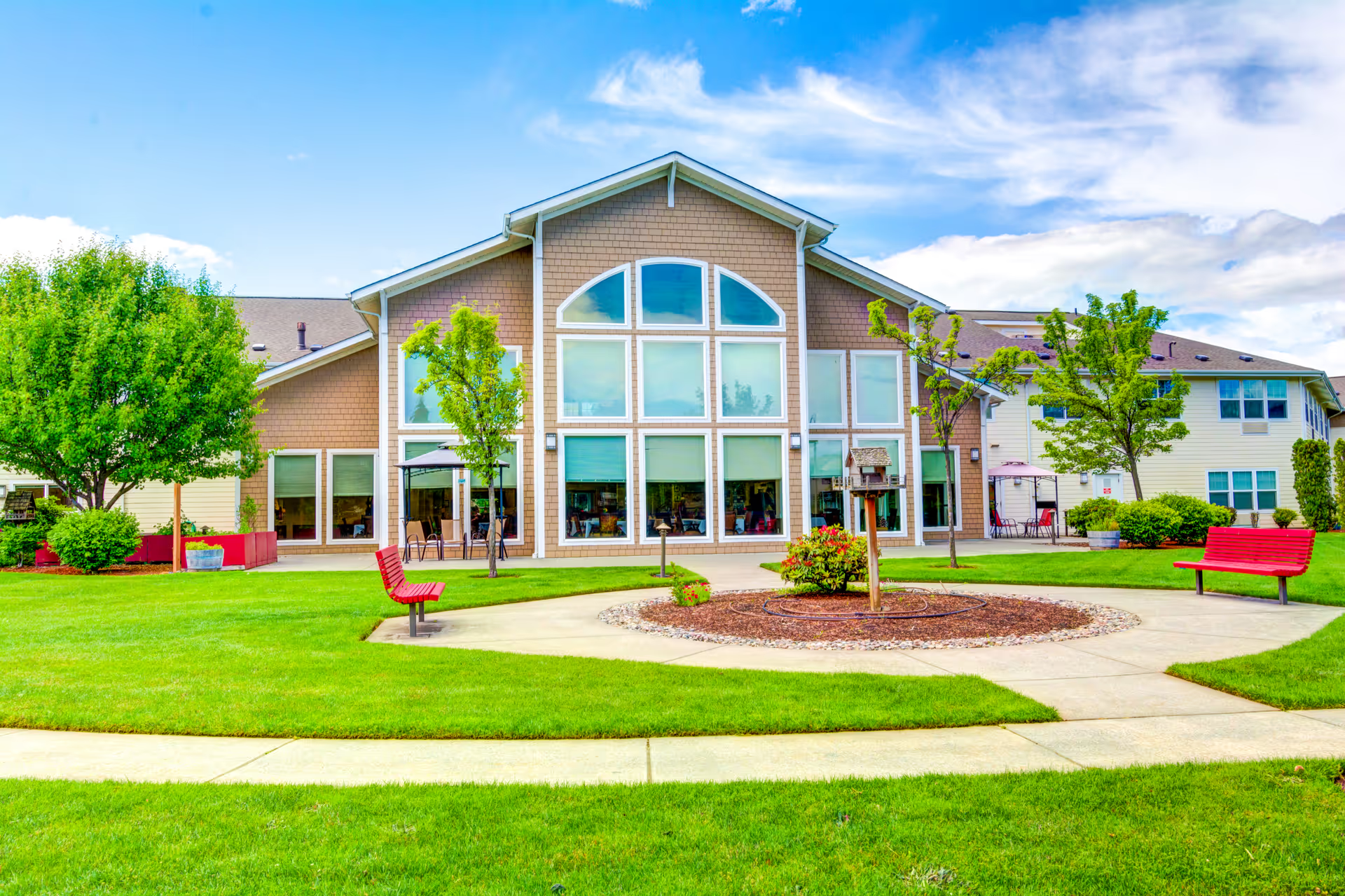
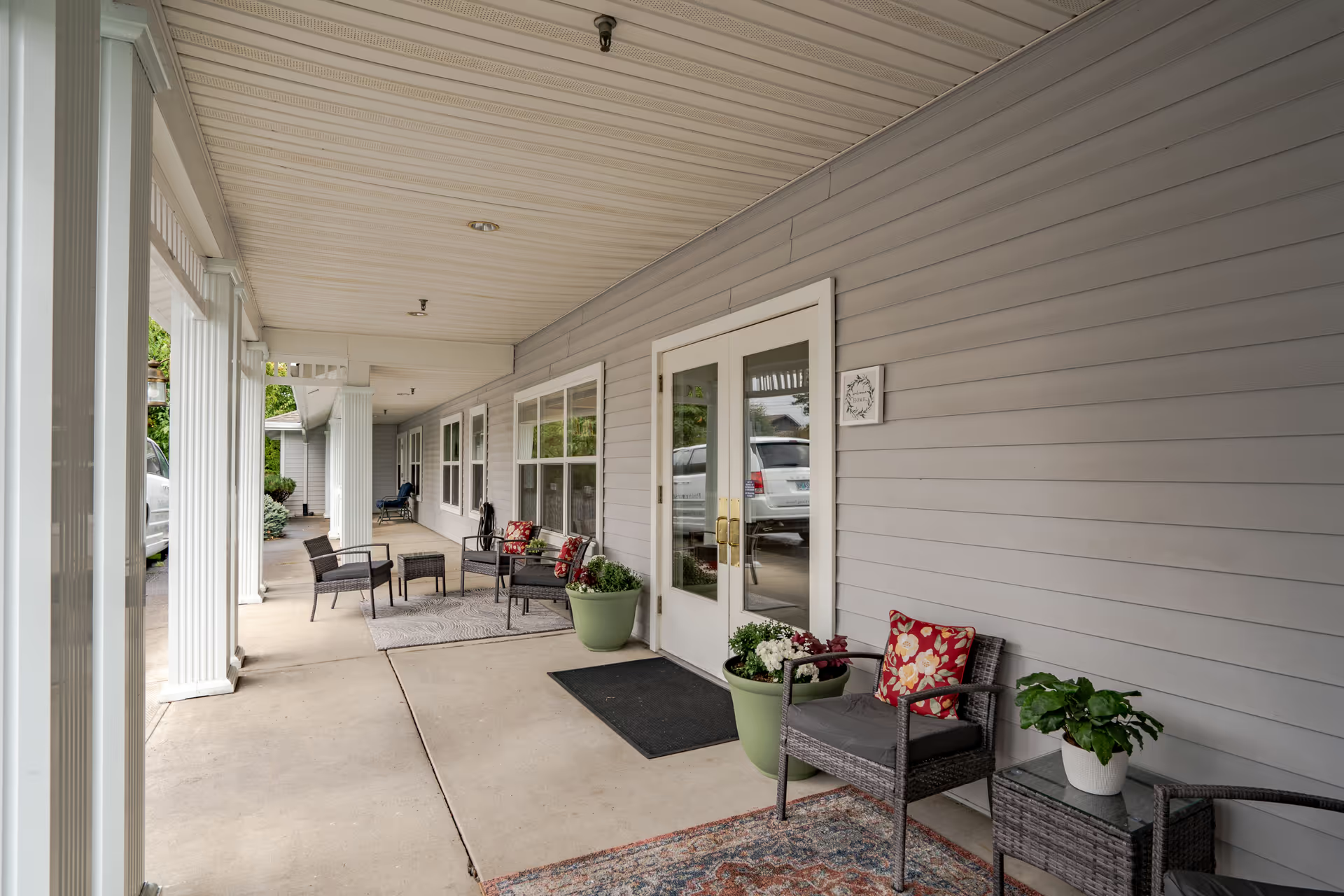
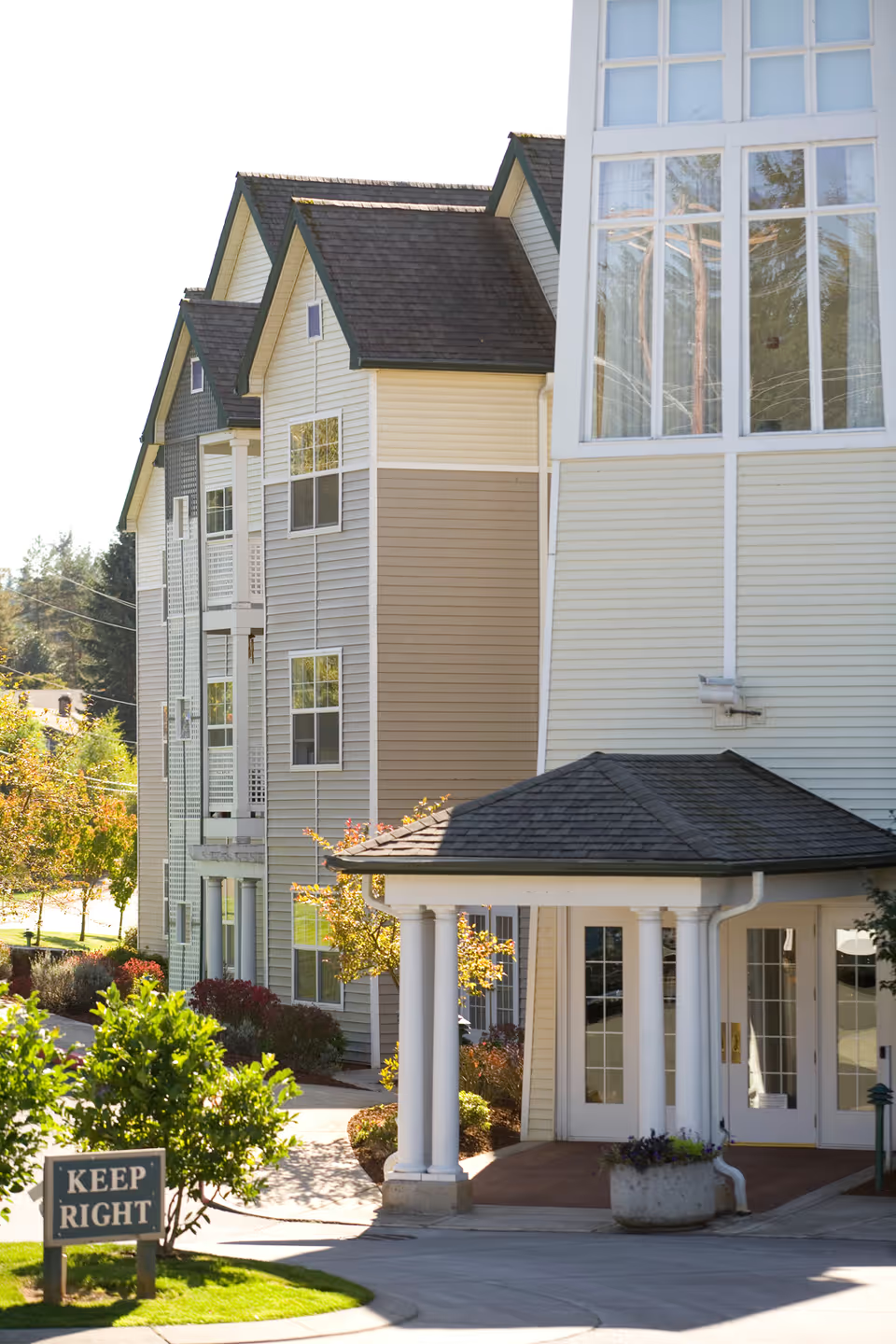
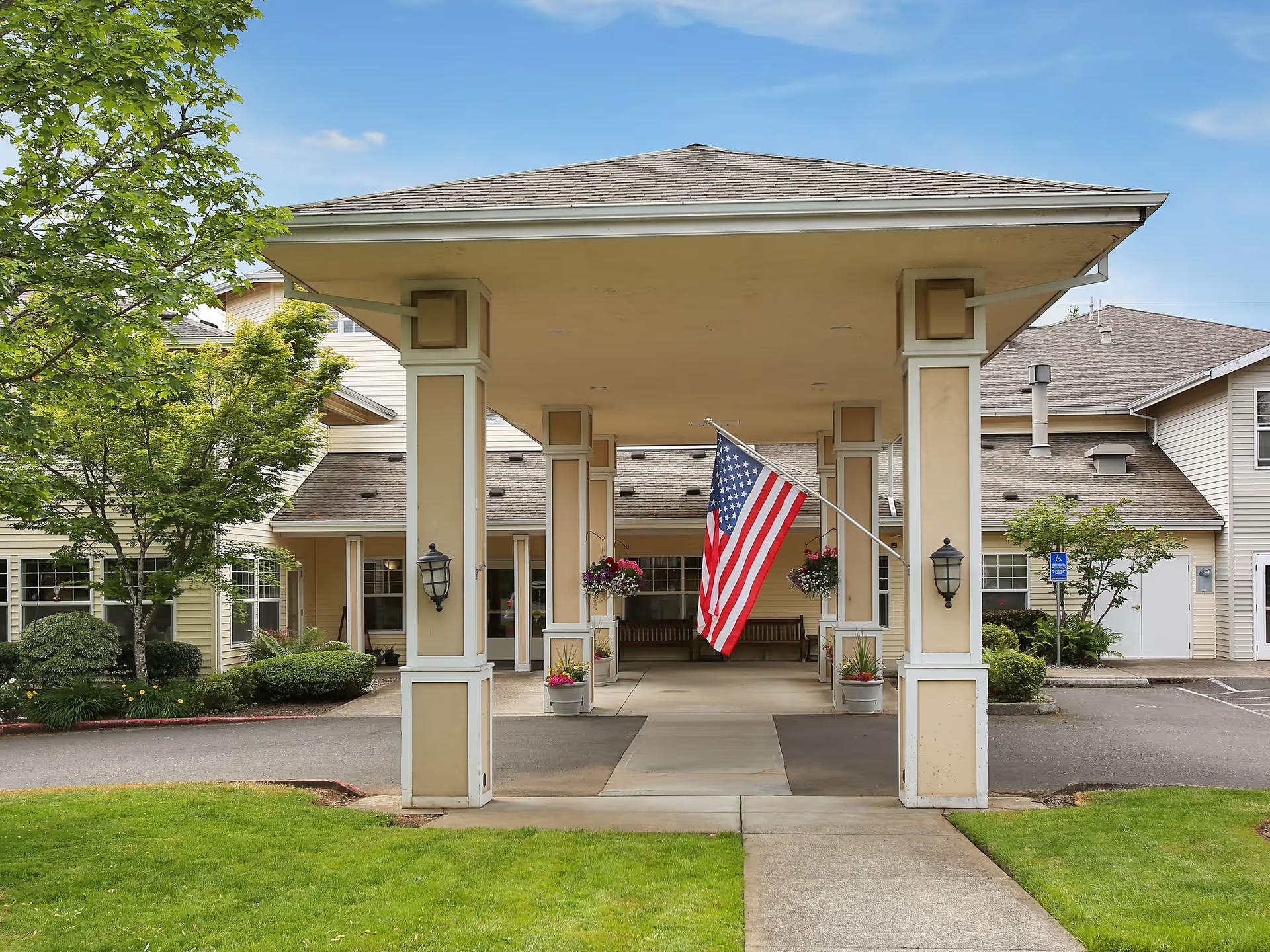
Facilities and safety: Positive comments mention clean, comfortable rooms and an overall sanitary environment. Contrasting comments raise concerns about inconsistent housekeeping and maintenance in parts of the facility, and at least one reviewer noted access challenges due to the site's remote location and winter conditions. Importantly, some families reported gaps in incident response and notification procedures, including delayed or absent communication following safety events; these reports point to an operational weakness in how safety incidents are managed and communicated to families.
Management and communication: Several families praised administrators for being supportive and involved, citing efficient coordination of transfers and discharge placements when handled well. At the same time, a number of reviews describe inadequate communication practices, including problems with written discharge notices, incomplete explanations of care decisions, and variability in management follow-through. There are also allegations of inappropriate consent practices and disrespectful communication in individual cases that have significantly affected family confidence.
Notable patterns and takeaways: Prospective residents and families are likely to encounter a facility with strong rehabilitation expertise, attentive caregivers, and many staff who cultivate a family-like atmosphere. Those strengths coexist with operational inconsistencies — most prominently in dementia-specific care, medication controls, housekeeping/maintenance, and family communication around incidents and discharge. Visiting in person, asking targeted questions about dementia care protocols, medication administration procedures, incident-notification policies, and winter accessibility, and verifying written discharge/consent processes will help families assess whether the facility’s strengths align with their specific needs.