Overall impression: Reviewers portray Columbia Ridge as a small, well-kept senior community with a warm, home-like atmosphere and a strong emphasis on personal attention. The facility is repeatedly described as clean, attractive, and situated in a pleasant residential area. Many comments highlight a close-knit community feel and an organized approach to hospitality and events, which contributes to residents’ sense of belonging and family engagement.
Care and staff: Care quality is consistently framed as attentive and personalized. Staff are described as compassionate, resident-focused, and willing to help; front-desk and leadership figures are singled out as helpful and stabilizing presences. Families emphasize respectful treatment, individualized attention, and a staff culture that prioritizes residents’ comfort and safety. The facility’s smaller size is noted as supporting closer staff–resident relationships and more consistent oversight.
Dining and activities: Dining receives frequent praise — meals are characterized as home-style, enjoyable, and varied (breakfasts, special dinners, and themed events are noted). The dining areas are described as clean and inviting. Activities are described as abundant and diverse, ranging from card games and neighborhood walks to live music and family-oriented events. Organized social programming and community events are cited as positive contributors to residents’ engagement and quality of life.
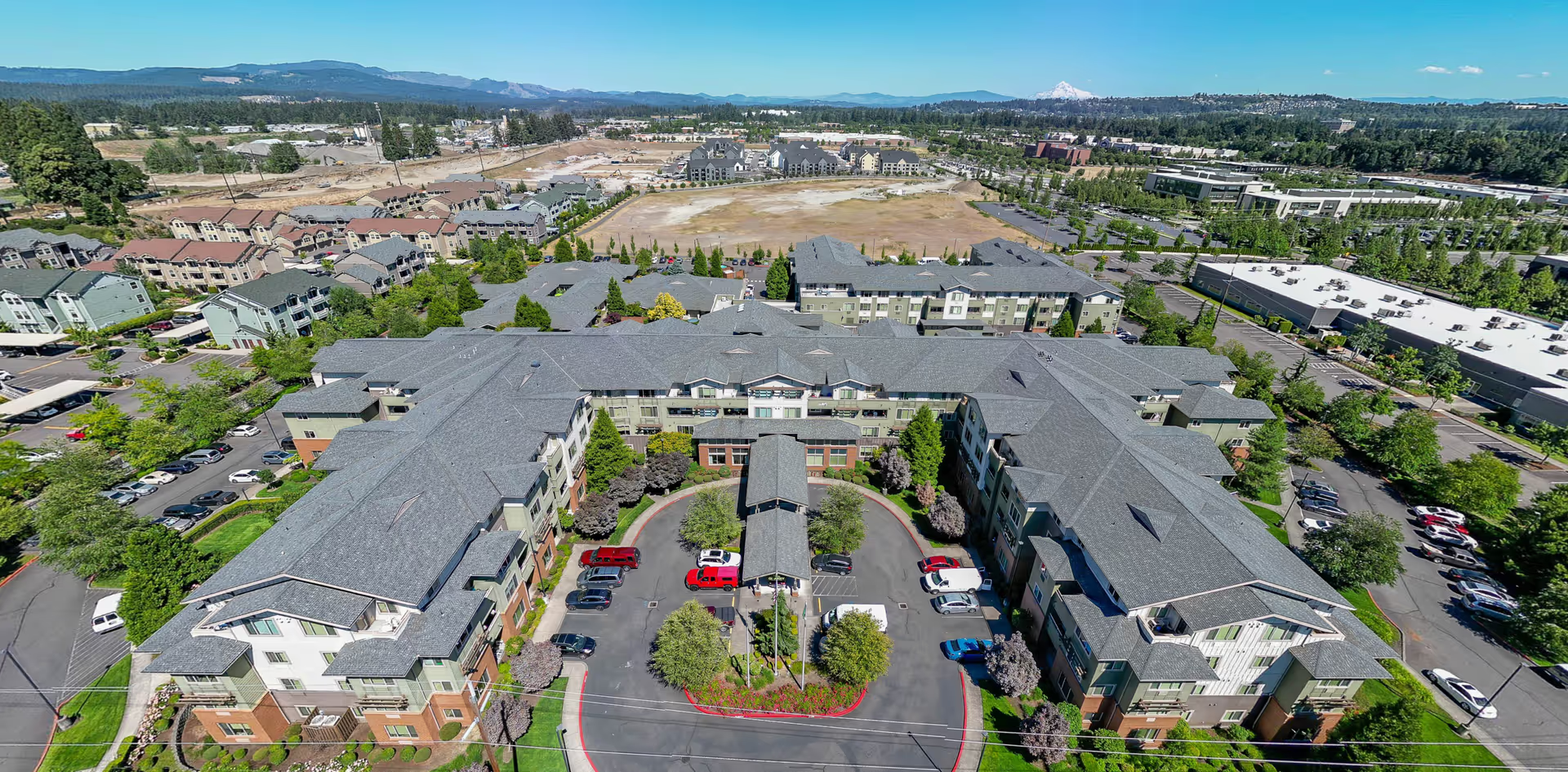
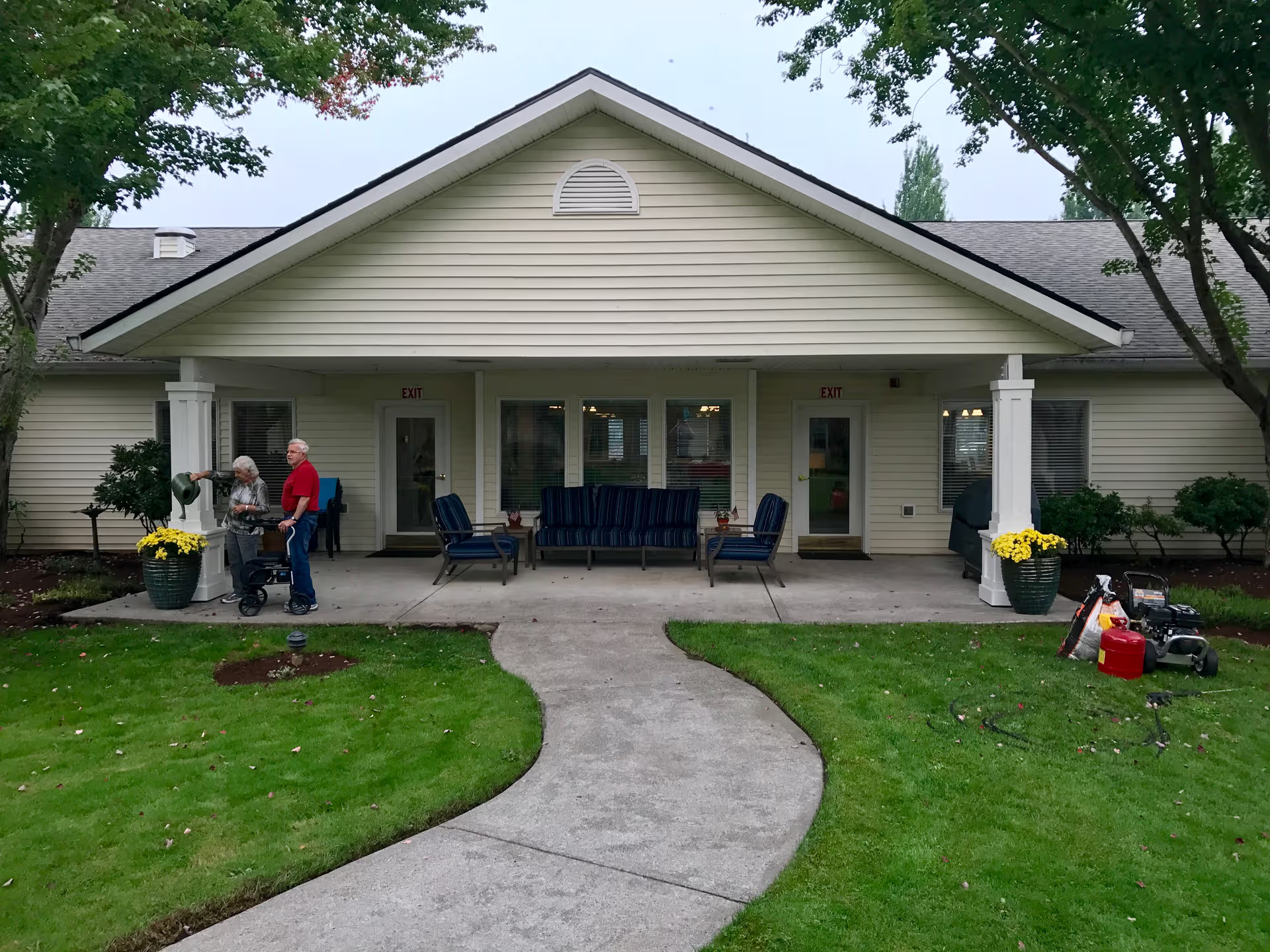
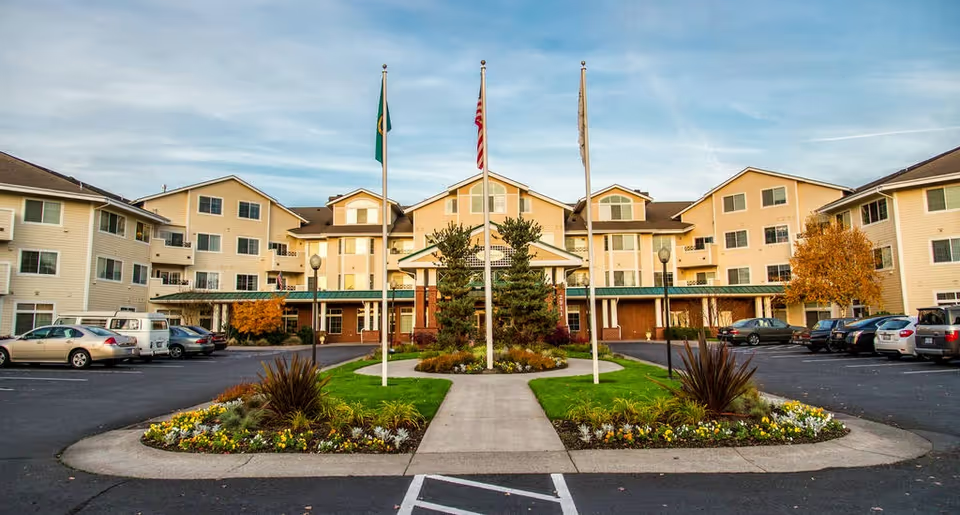
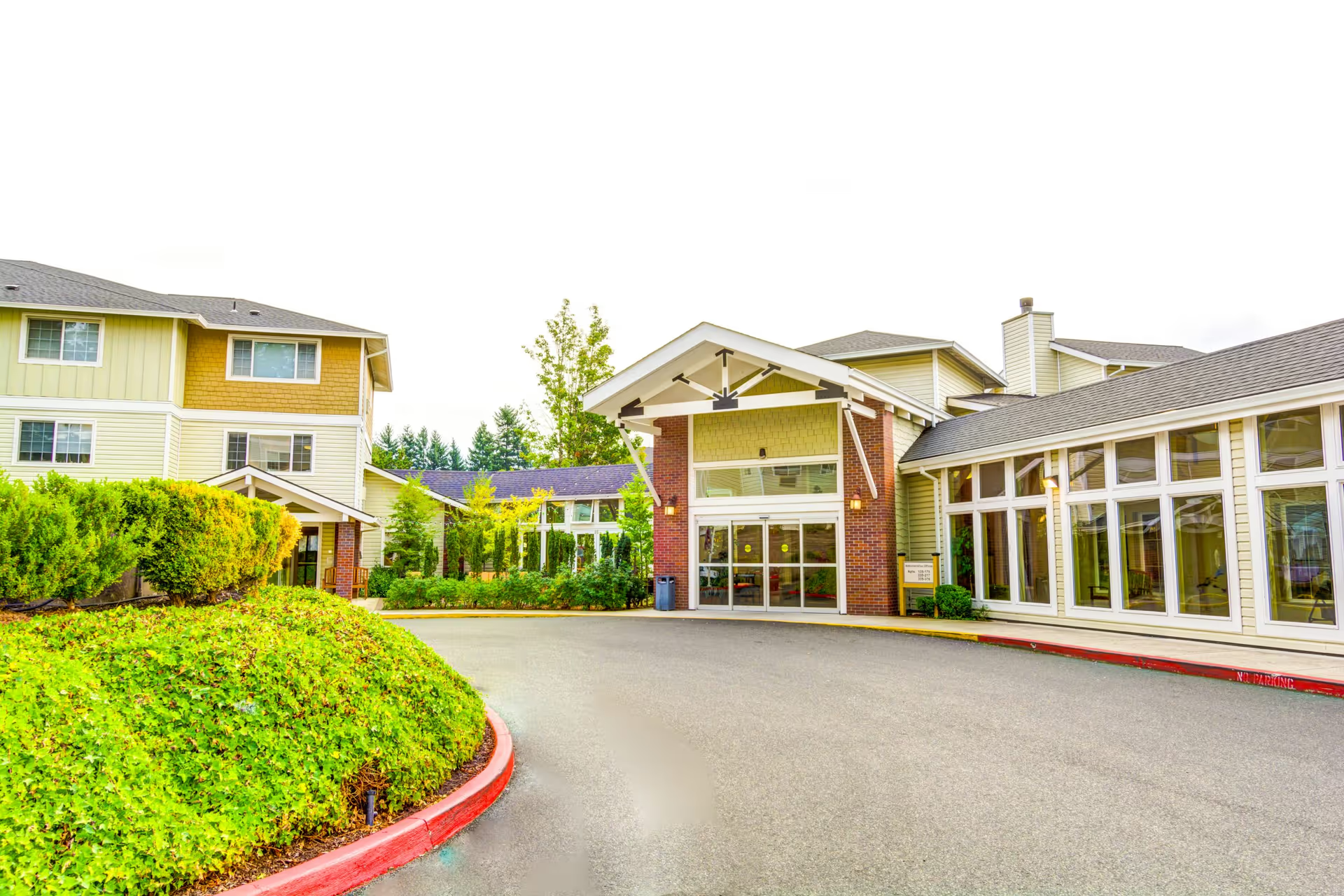
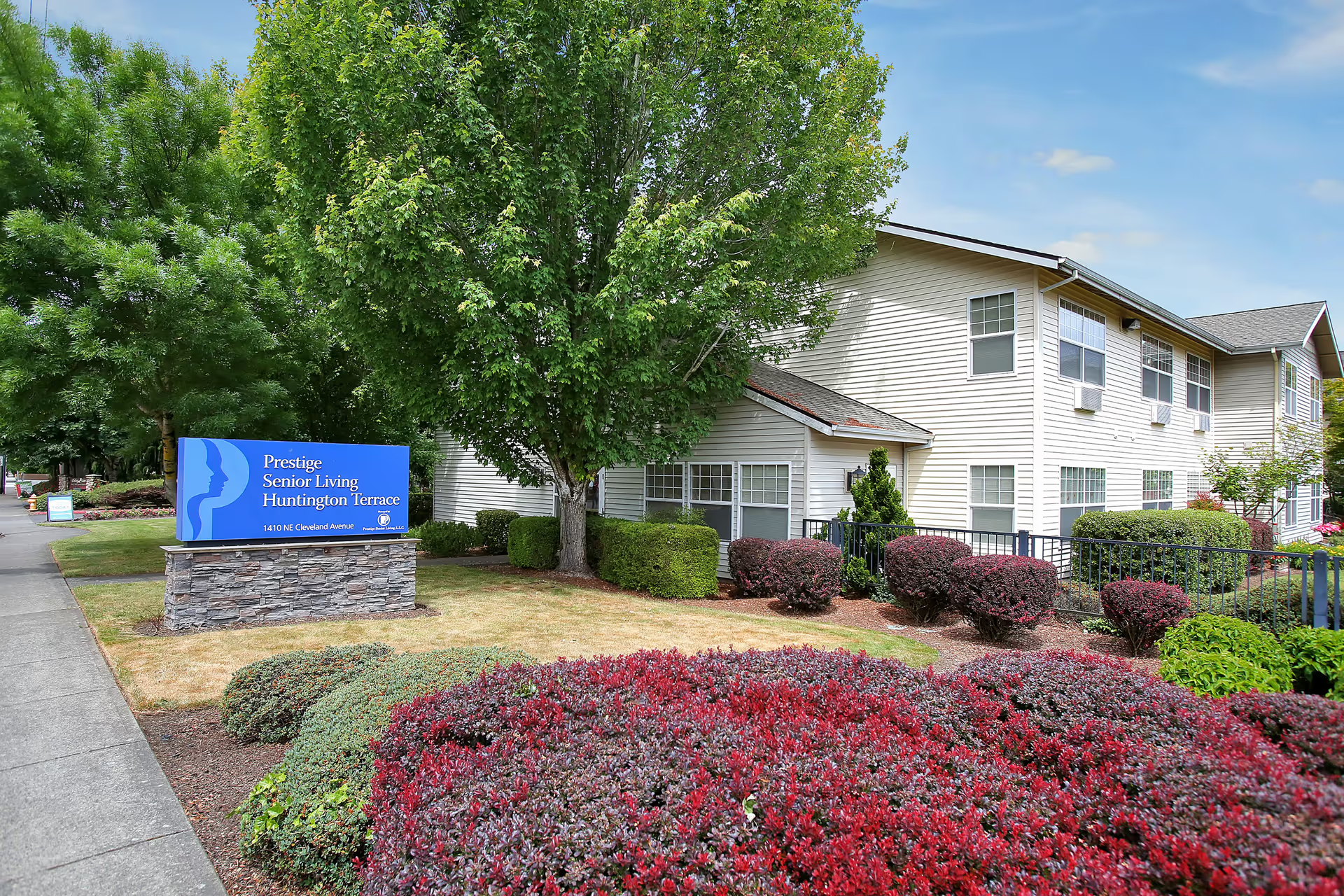
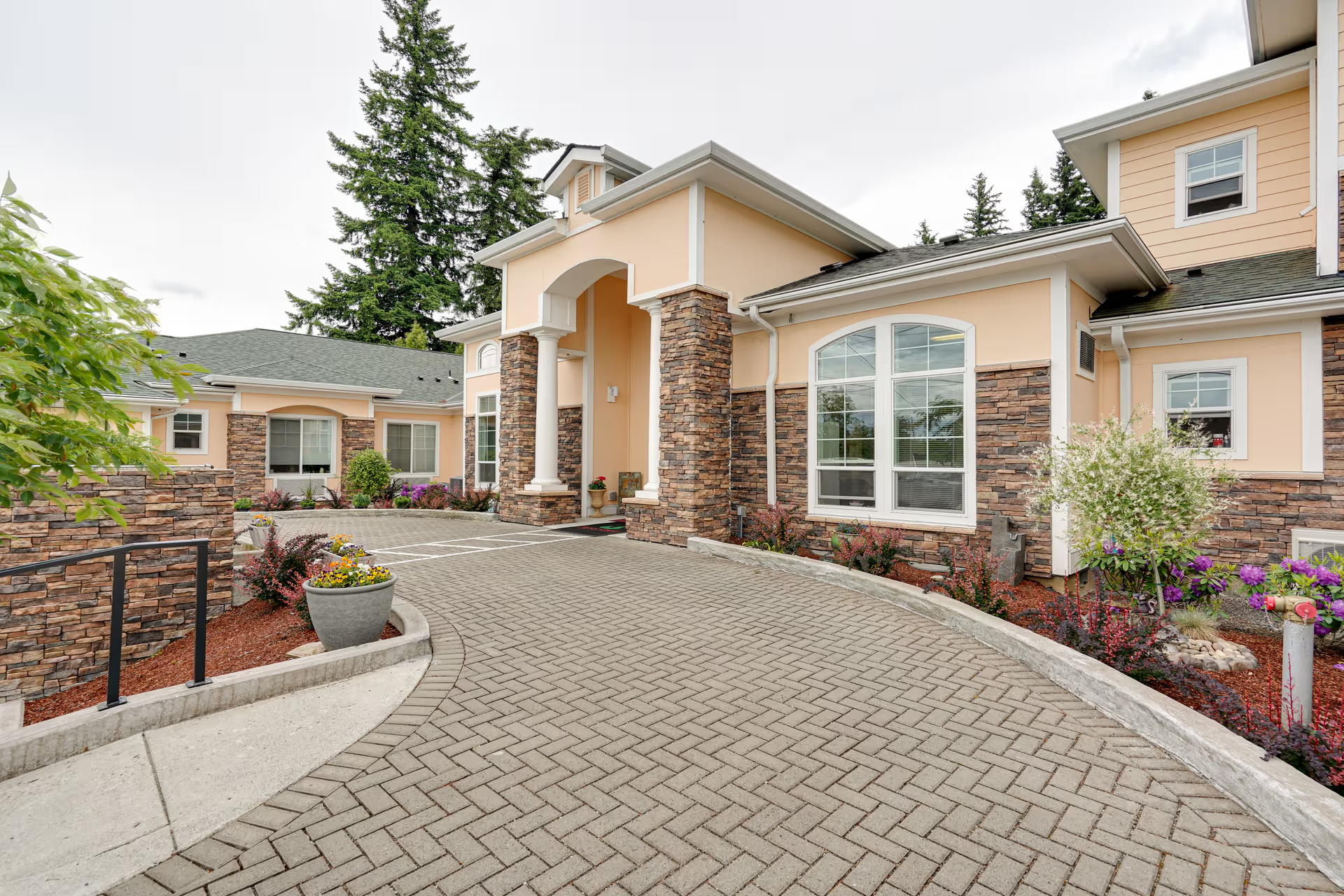
Facilities and environment: Apartments are described as well-appointed and comfortable, and the grounds and interior common areas are described as clean, orderly, and attractive. Reviewers highlight a sense of safety and security, as well as an uplifting atmosphere supported by greenery and pleasant surroundings.
Management and operations: Management and event organization are generally viewed as professional and resident-first; leadership is credited with creating a welcoming move-in experience and maintaining community standards. However, operational weaknesses emerge around clinical transitions and staffing processes. Several accounts point to delays in clinical reassessments and in making higher-level care or admission decisions after emergency-department interactions, which caused family stress. Relatedly, reviewers noted gaps in communication between the facility and outside medical providers or ER staff during those transitions.
Notable patterns and tradeoffs: The dominant pattern is positive — strong interpersonal care, appealing dining, active programming, and a comfortable living environment. The main operational concerns are systemic rather than pervasive: delays and communication gaps during acute care transitions, and a perceived rigidity in hiring/training practices that can limit the facility’s flexibility. Prospective residents and families should weigh the facility’s clear strengths in daily living and community against the need to clarify processes for hospital-to-facility transitions, clinical reassessments, and staff responsiveness in urgent situations. Asking specific questions about transfer protocols, expected timelines for reassessment, and points of contact for post-ER communication can help families assess fit and preparedness for acute-care events.