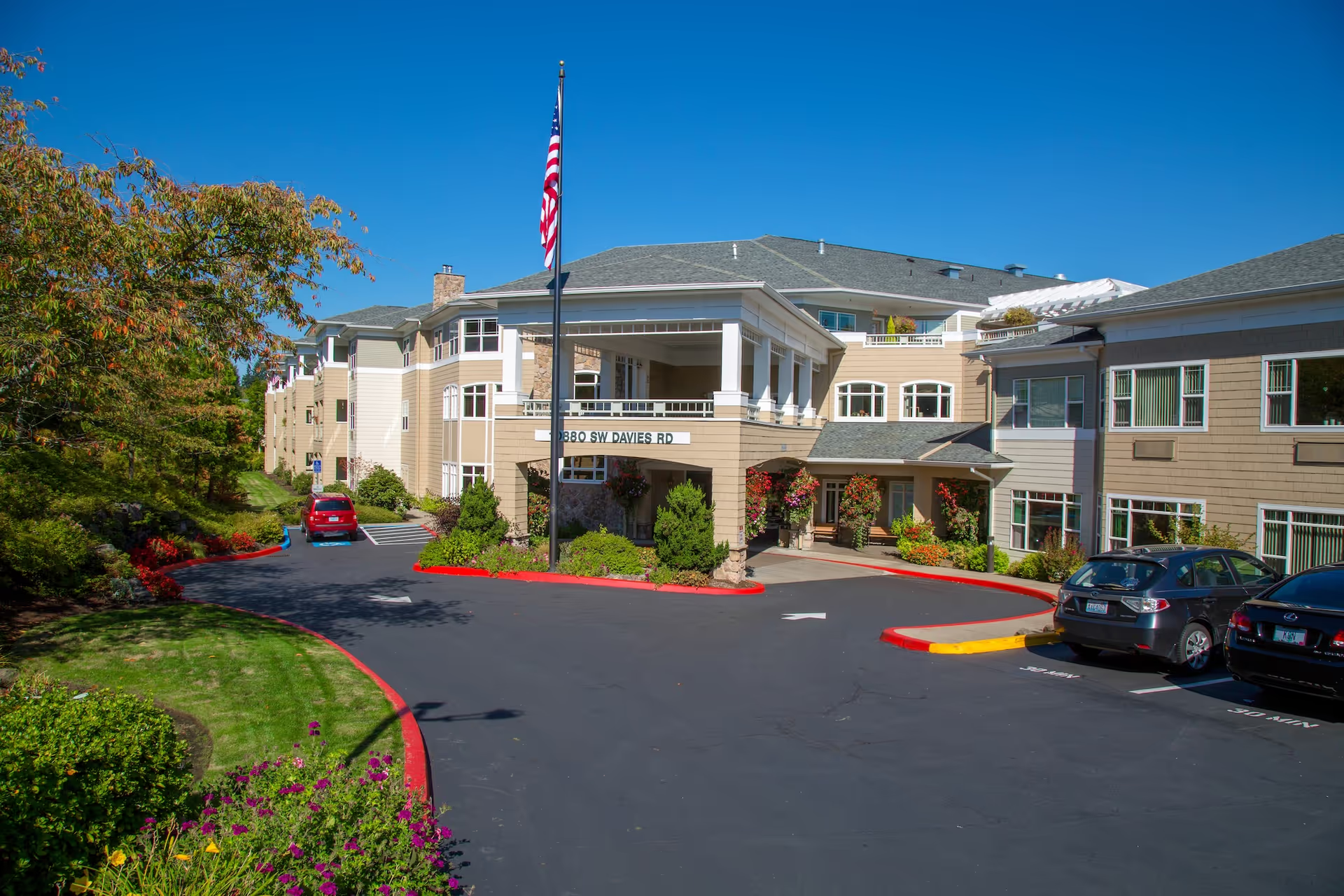
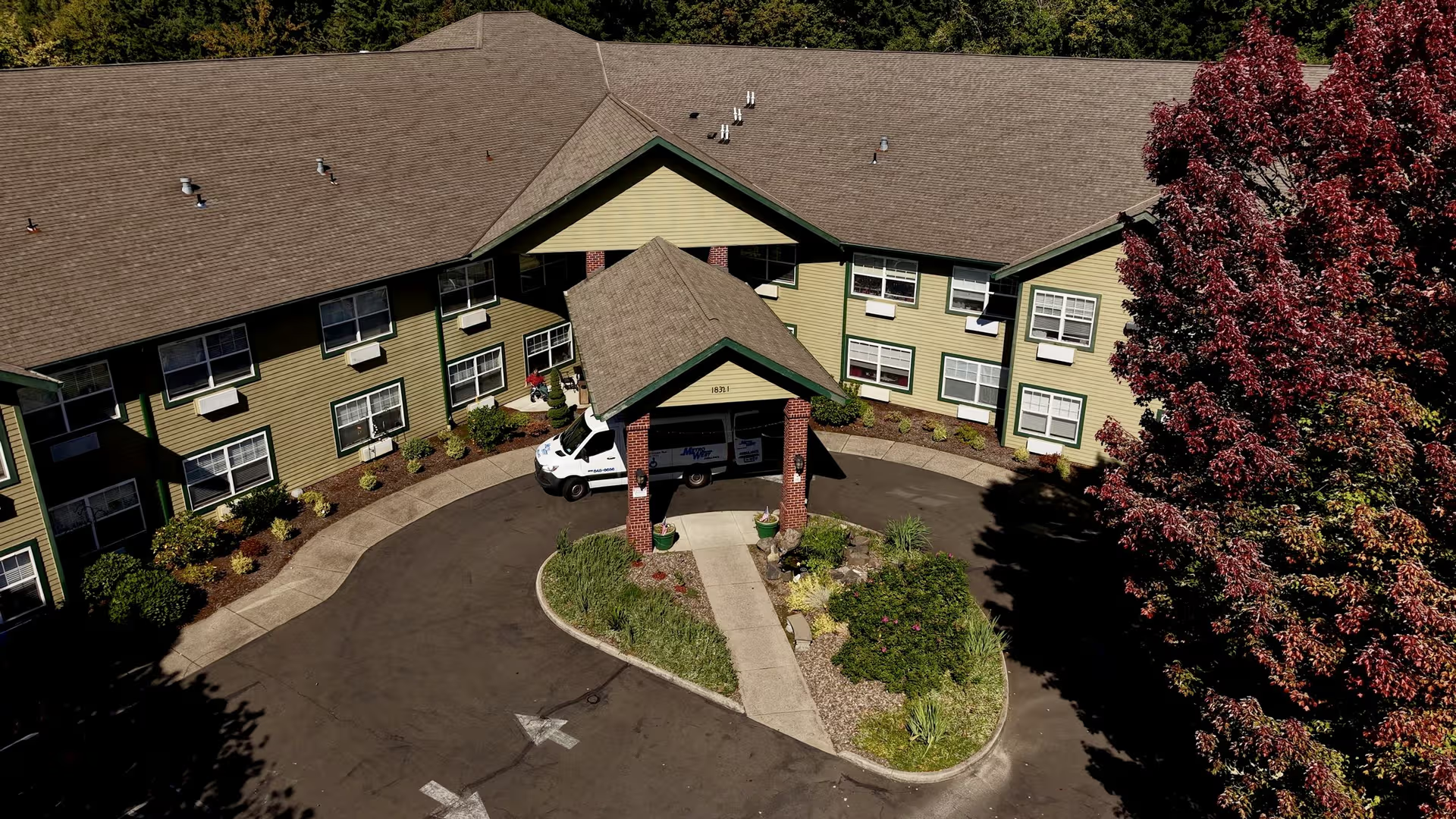
Overall impression: Reviews present a mixed but consistent pattern: many families praise individual caregivers, therapy teams, and communicative leadership, while other accounts raise operational concerns that affect day-to-day resident experience. Positive narratives emphasize attentive, compassionate staff members, strong PT/OT services, and proactive family communication. Negative narratives focus on recurring operational weaknesses such as sanitation, responsiveness, and medication-control practices.
Care quality and clinical operations: Clinical services elicit divergent experiences. Several families describe effective nursing care, attentive bedside staff, and rehabilitation programs that contributed to recovery. At the same time, there are recurring concerns about delayed medication administration, slow or inconsistent response to call lights, and nighttime staffing gaps that affected residents with sundowning or elevated needs. Incontinence-care delays and inconsistent bathing/shower schedules were mentioned as operational gaps. There are also allegations regarding diversion or theft of medications and resident meals; these are serious claims that families should verify with facility leadership and regulators when relevant.
Staff and management: Staff behavior and competence appear variable across shifts and roles. Many reviewers single out specific employees and leaders for professional, compassionate service and good family communication; management accessibility and social-work support were positive in several accounts. Conversely, other reports describe high staff workload, turnover, and instances of poor communication tone or teamwork. This suggests uneven supervision and variability in staffing levels or training between units and shifts.
Dining and activities: Opinions on dining are mixed. Some families found meals acceptable and activities (including puzzles and organized events) to be morale-boosting; the activities director was highlighted positively. Others cited inconsistent meal quality, complaints about cold or dry dishes, and concerns about meal distribution practices. Therapy and activities appear to be strengths when consistently staffed and scheduled.
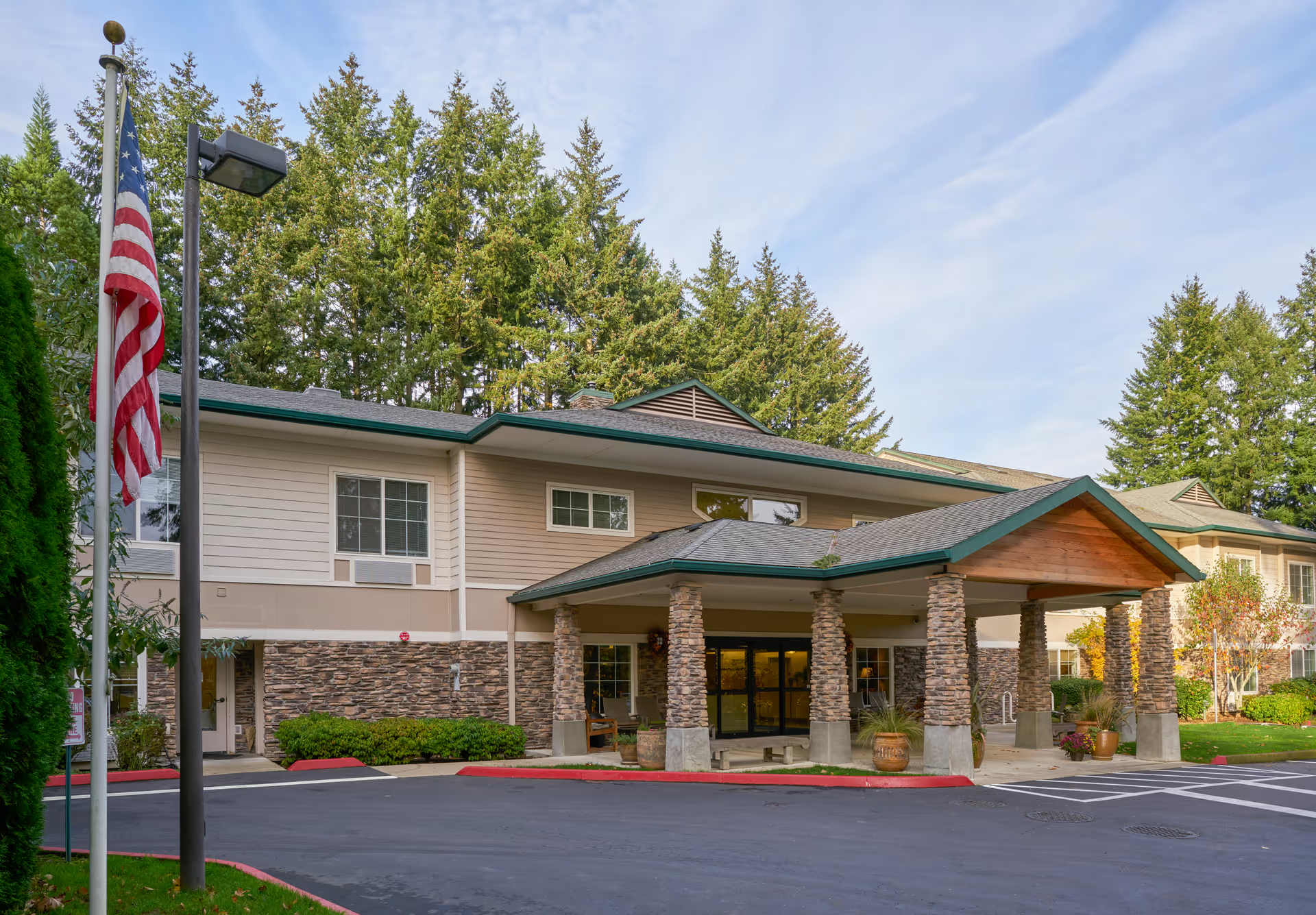
Facilities and infection control: Facility condition descriptions vary from clean and well-organized to areas with sanitation and odor concerns, particularly in older parts of the building. Reviewers raised questions about ventilation and housekeeping consistency. There are also concerns about infection-control processes, including COVID-related isolation and transmission questions; these are important to review with facility administration and local public-health records.
Notable patterns and practical guidance: The pattern in these reviews is one of strong individual performers and therapy capacity combined with operational inconsistencies—especially around sanitation, nighttime responsiveness, medication controls, and dining continuity. Prospective residents and families should ask targeted questions during tours: staffing ratios by shift, medication-safeguarding procedures, call-light response metrics, cleaning and laundry protocols, bathing schedules, infection-control policies and recent inspection results, and how therapy services are scheduled and adjusted. Request current policies on medication security and grievance/incident reporting, and speak directly with nursing leadership about continuity of care during night shifts and high-acuity periods.
In summary, Sapphire at Tigard Rehab appears to provide high-quality rehabilitation and compassionate care in many cases, supported by staff who are praised for communication and therapy outcomes. However, operational variability—especially around cleanliness, responsiveness, medication management, and dining—warrants careful, specific inquiry before placement and ongoing monitoring if a loved one is admitted.