Maple Farm Nursing Center elicits strongly mixed impressions. Many families and residents praise the caregiving staff: reviewers repeatedly describe compassionate, attentive nurses and aides who form meaningful relationships with residents, provide skilled rehabilitation services, and demonstrate professional infection-control practices during the pandemic. Several comments highlight successful rehab and skilled nursing care, a sense of safety, and staff who listen to families’ concerns.
The facility’s social programming and dining are frequently cited as positives. Reviewers note engaging activities (bingo, speakers), pet visits, and special-event meals and celebrations that support a home-like atmosphere. Meal options are described as flexible and occasionally celebratory (themed dinners, birthday or holiday events), and some residents report enjoying the food. However, timing and consistency of meal delivery is a recurrent operational issue: late breakfasts and missed timing were noted by some families.
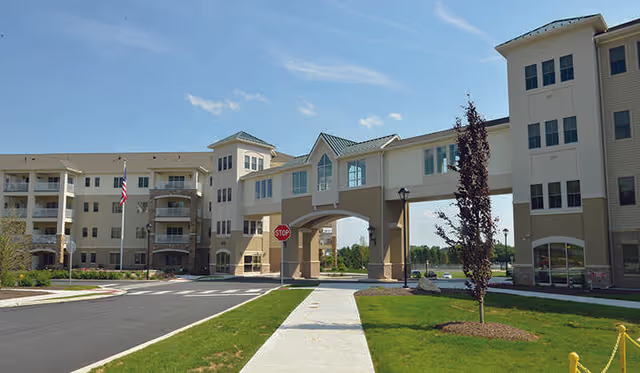
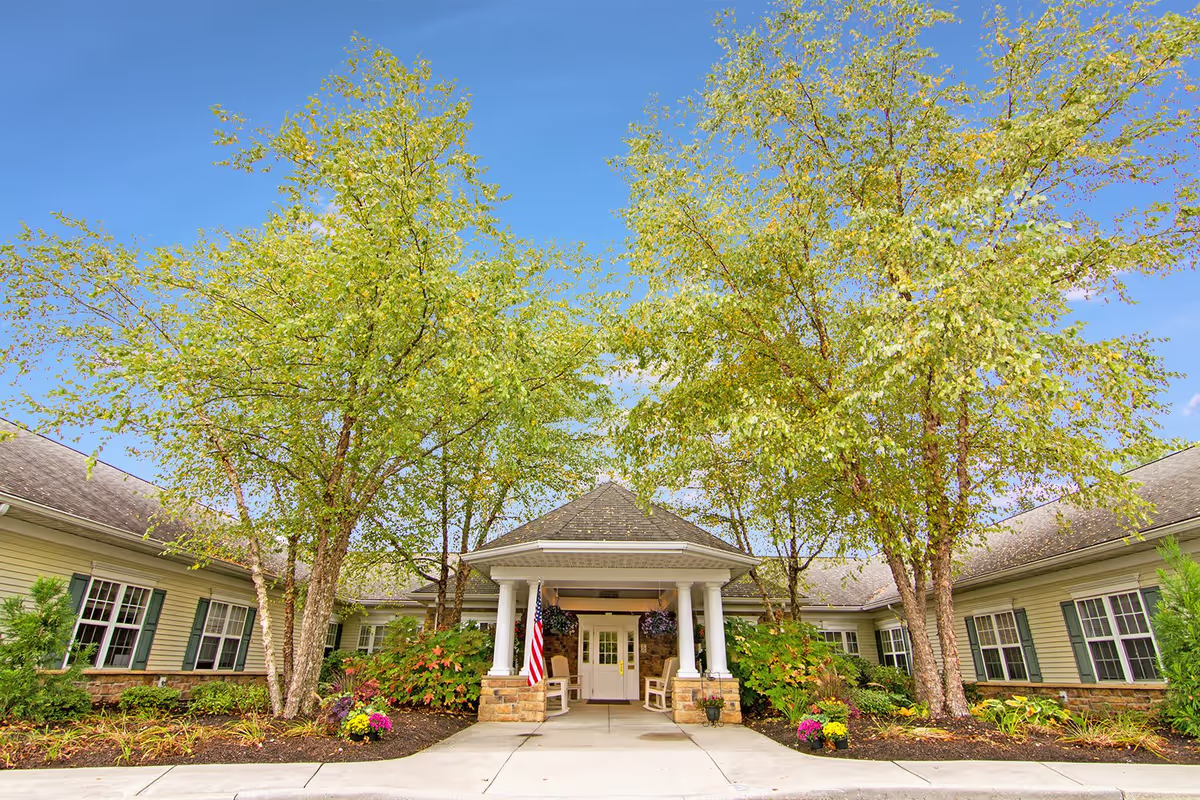
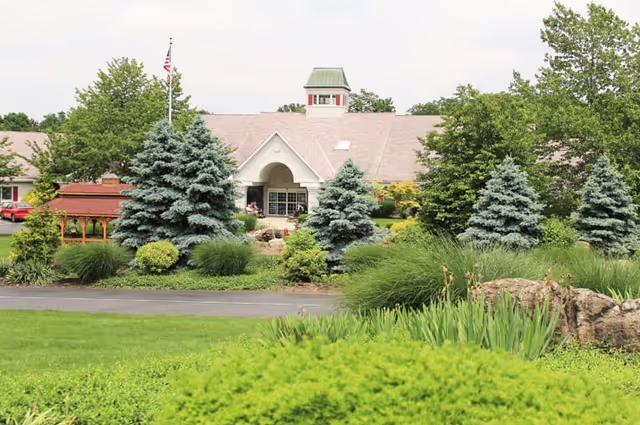
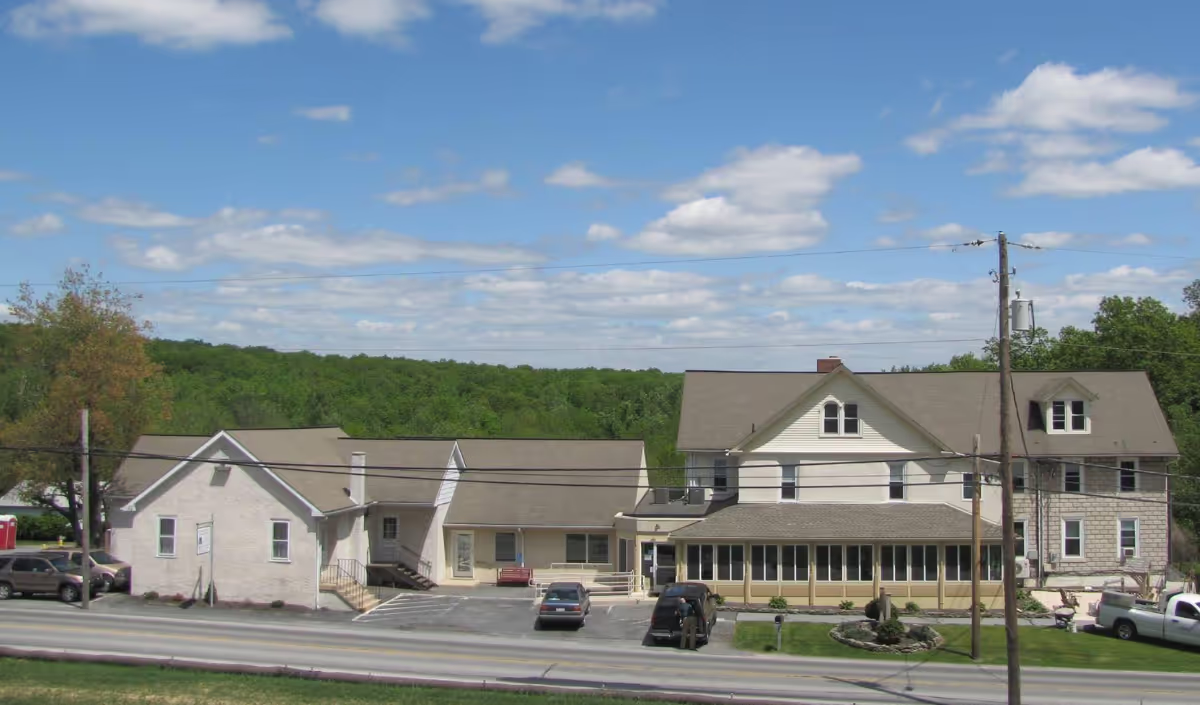
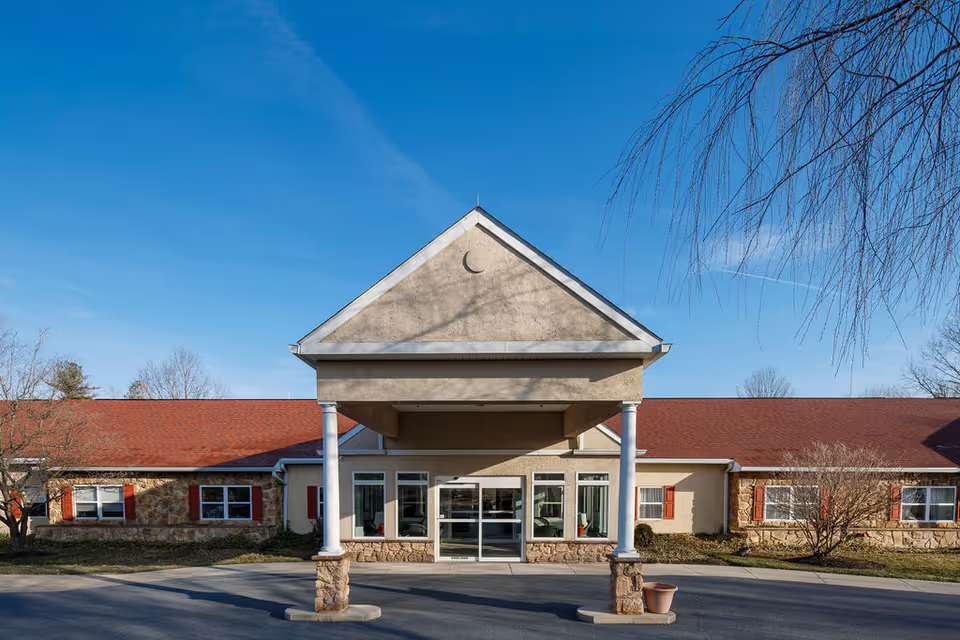
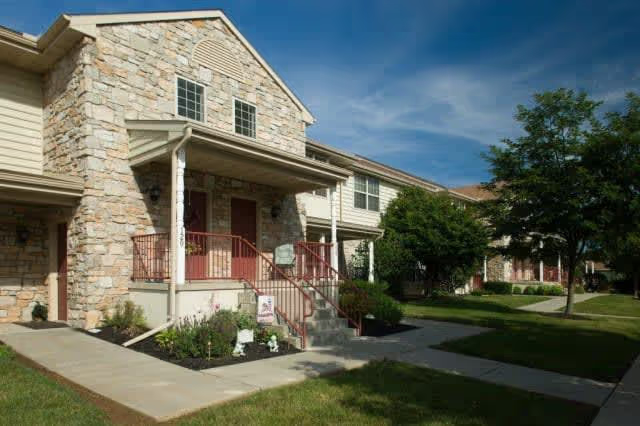
Physical plant impressions are bifurcated. The campus and exterior grounds are described as attractive and well cared for, and some rooms are spacious with pleasant views. At the same time, interior maintenance appears uneven: multiple reviewers described dated or worn décor, peeling wallpaper, and threadbare carpeting or dining-room furnishings that suggest limited interior upkeep. This pattern indicates stronger investment in grounds and exterior appearance than in routine interior refurbishment.
Communication and management practices show variability. While many reviewers commend staff empathy and professionalism, others cite inconsistent responsiveness from admissions and front-desk personnel and difficulties obtaining timely bed-availability or placement information. More seriously, there are reports of gaps in family communication during critical events and end-of-life situations; one reviewer raised a serious allegation and indicated intent to pursue regulatory review. These accounts point to uneven processes for escalation, notification, and family updates.
Taken together, Maple Farm’s strengths are its caring clinical staff, rehabilitation capability, engaging activities, and attractive setting. But prospective residents and families should also weigh operational weaknesses: inconsistent interior maintenance, variability in day-to-day responsiveness, meal-service timing issues, and occasional breakdowns in critical-event communication. A visit focused on tour of both interior spaces and common areas, direct conversations with nursing leadership about communication protocols and staffing levels, and clarification of admissions procedures would help families assess fit and address the specific variability noted in reviews.