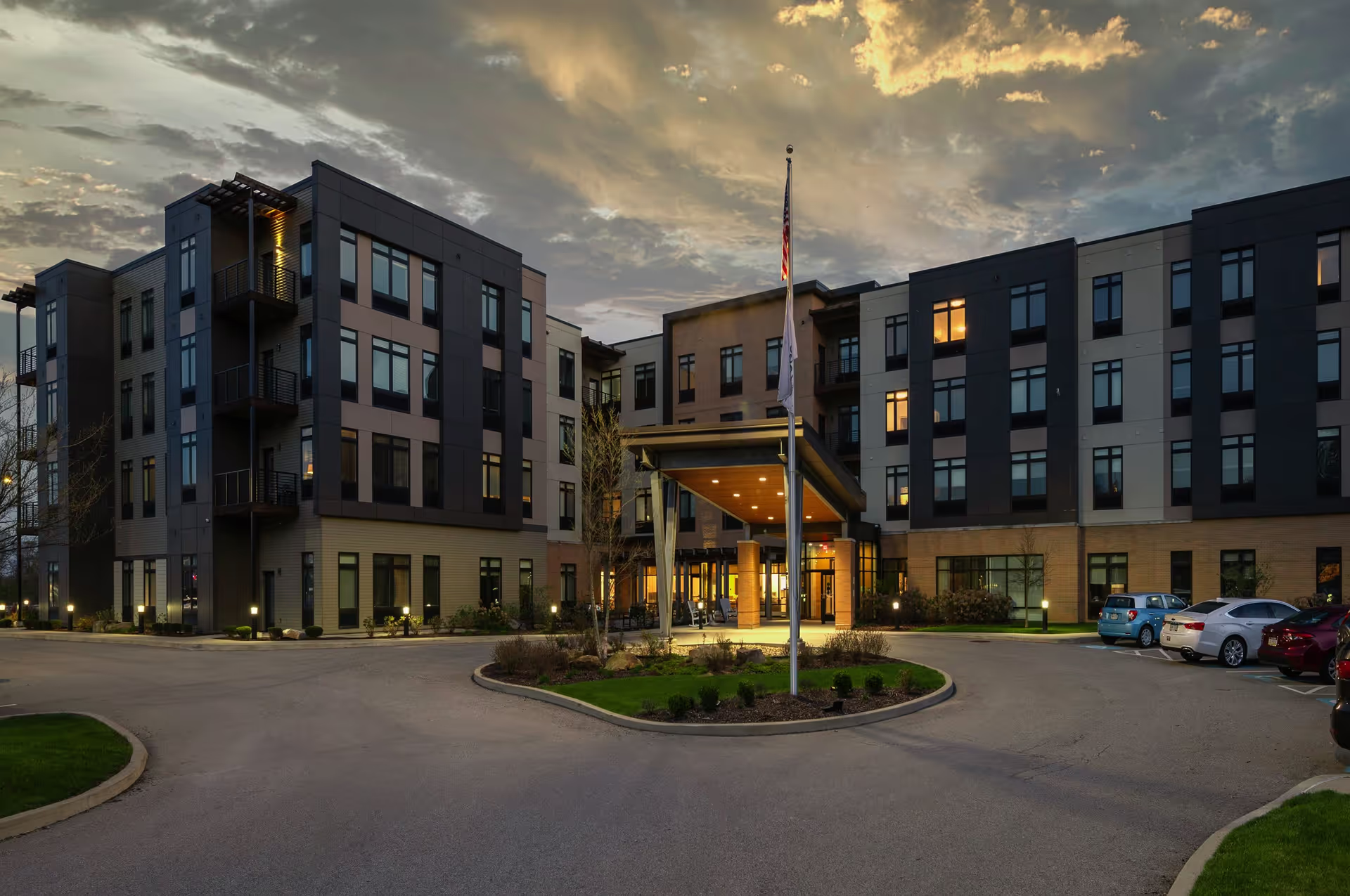
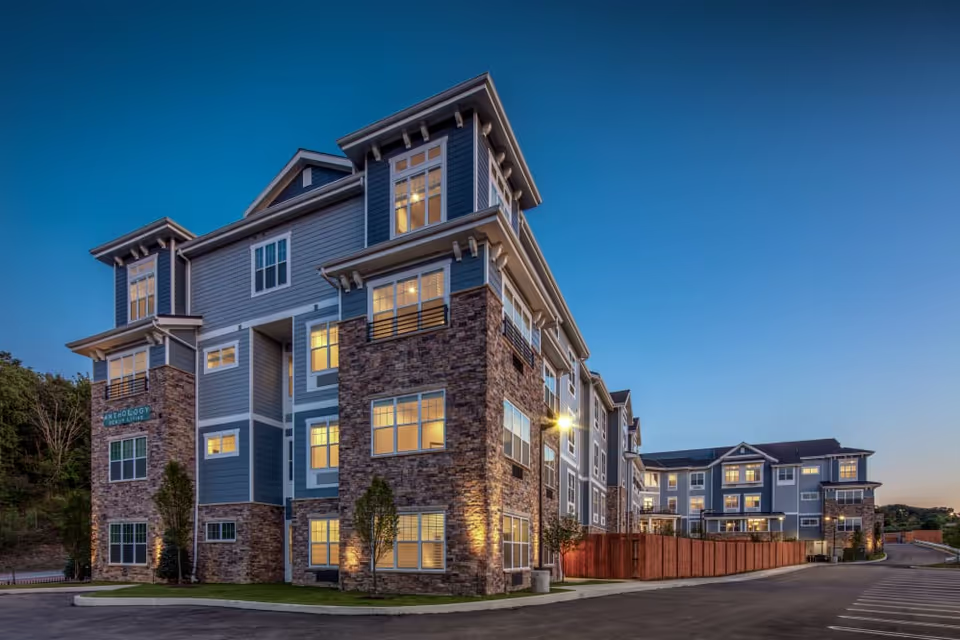
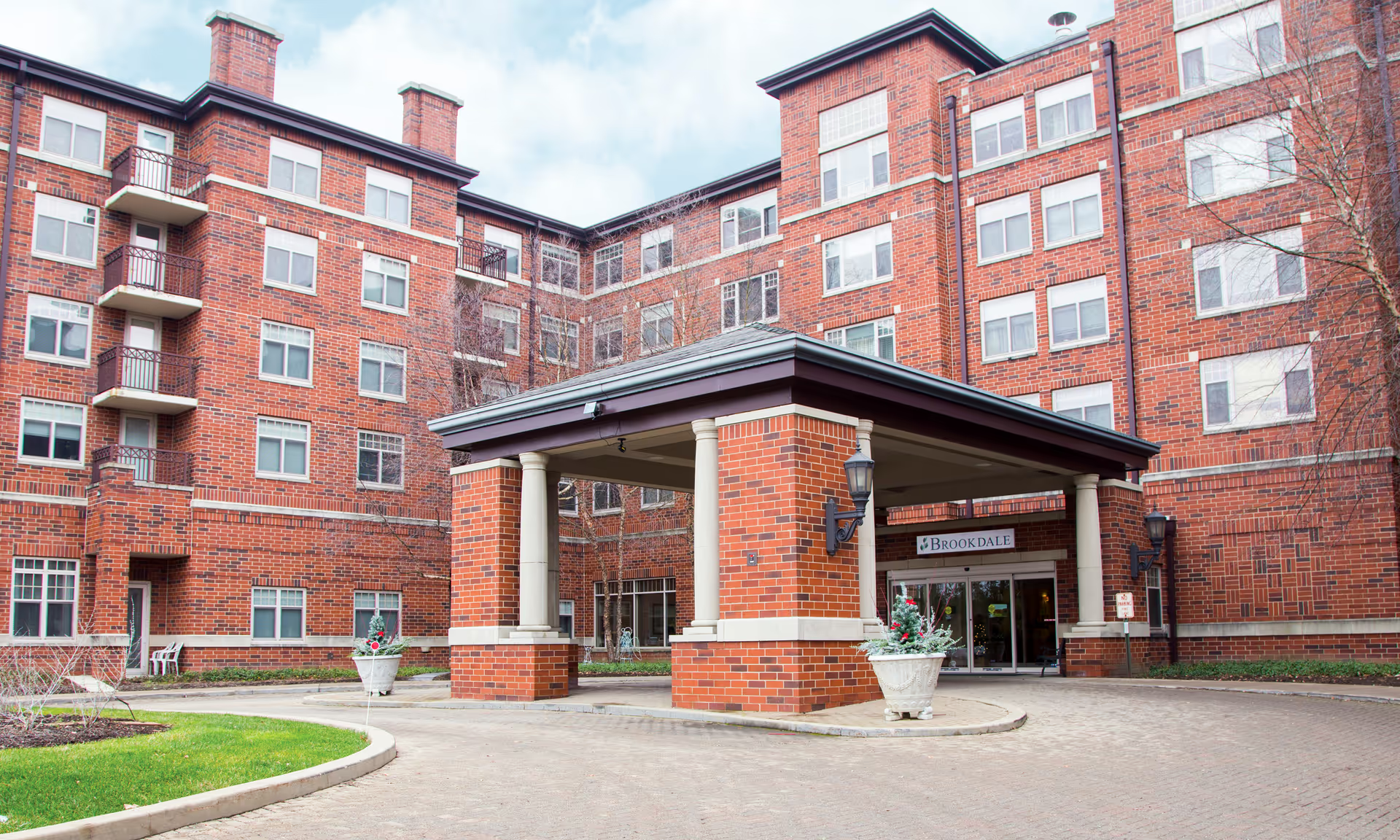
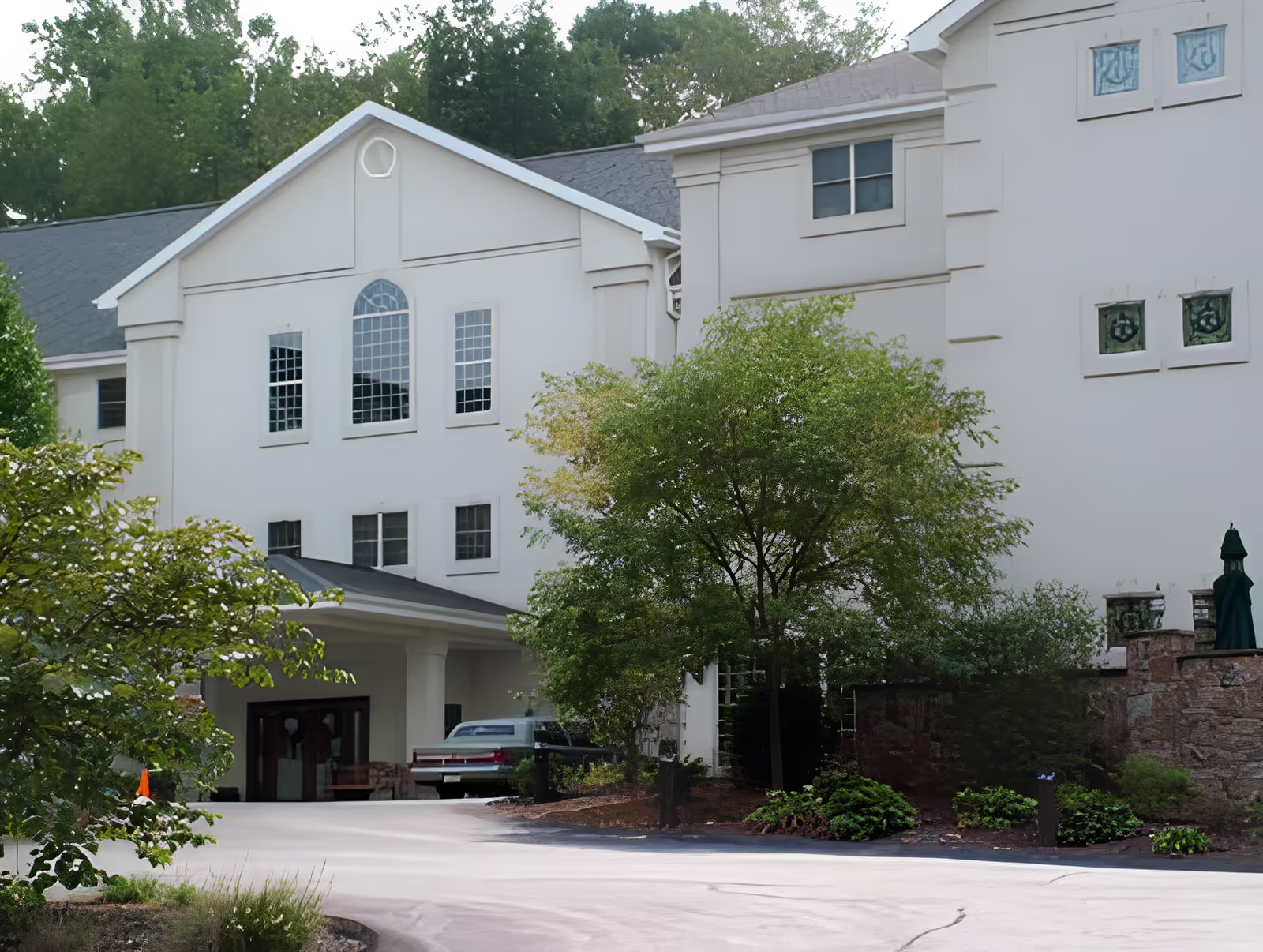
Tapestry Senior Living Moon Township elicits strongly mixed impressions. Many reviews praise the physical environment — reviewers frequently describe a bright, hotel-like interior, a distinctive indoor courtyard, pleasant outdoor gardens, and well-appointed apartments. The community offers a broad array of activities, therapy-animal interactions, transportation to appointments and outings, and multiple dining venues with flexible ordering options. Several families highlighted warm, personable staff, efficient admissions and move-in support, on-site medical and therapy resources, and routine services such as weekly housekeeping and laundry.
At the same time, a substantial cluster of operational concerns appears across reviews. Staffing is the most consistent theme: high staff turnover, frequent use of agency personnel, and chronic understaffing were described as contributing to uneven day-to-day care. These staffing patterns are associated with reports of inconsistent caregiver responsiveness, delayed checks, and lapses in routine assistance. Families described situations where promised or expected morning checks, assistance with dressing, or timely attention to incontinence needs were not reliably delivered.
Clinical oversight and medication practices are another area of concern. Several narratives describe delays in clinical follow-up, questions about medication administration, and at least a few critical incidents that required hospital evaluation. Reviewers also noted limited visible nursing leadership on the floor at times; nursing staff were described more frequently as administrative or liaison roles rather than consistently present for direct clinical care. These issues combined to create worry for families who prioritized close clinical supervision.
Dining and programming receive mixed feedback. The community offers multiple dining choices and around-the-clock ordering in some formats, and many residents enjoy the food and the dining staff’s attentiveness. Conversely, other families found portions small, menu items bland or not tailored to specific dietary preferences, and communication about alternate meal requests unclear. Activity programming is robust in many areas — town-square setups, theater, classes, and outings were noted — but activity availability appears inconsistent by unit, and memory-care households were described as having fewer or less-structured options.
Sanitation and housekeeping are areas of variable performance: while many reviewers praise clean common spaces and well-maintained areas, others described sanitation concerns on specific units, inconsistent room-turnover practices, and bedding/linen management problems. Communication and administration drew mixed reactions as well: some families praised prompt, supportive leadership and staff follow-up, while others reported slow or unresponsive administrative handling of concerns and perceived discrepancies between marketing promises and delivered services.
For prospective residents and families, the pattern suggests a facility with strong environmental and programmatic assets but operational variability driven largely by staffing and oversight issues. Key questions to raise during a tour or admissions conversation include current staff-to-resident ratios, the proportion of agency versus direct-employed staff, how nursing coverage and clinical oversight are structured across shifts, housekeeping and linen-change schedules, specific dining options and portion policies, and how the community documents and responds to family concerns. Observing morning routines, mealtimes, and activity periods in the unit being considered can help assess whether the day-to-day reality aligns with the facility’s amenities and marketing materials.