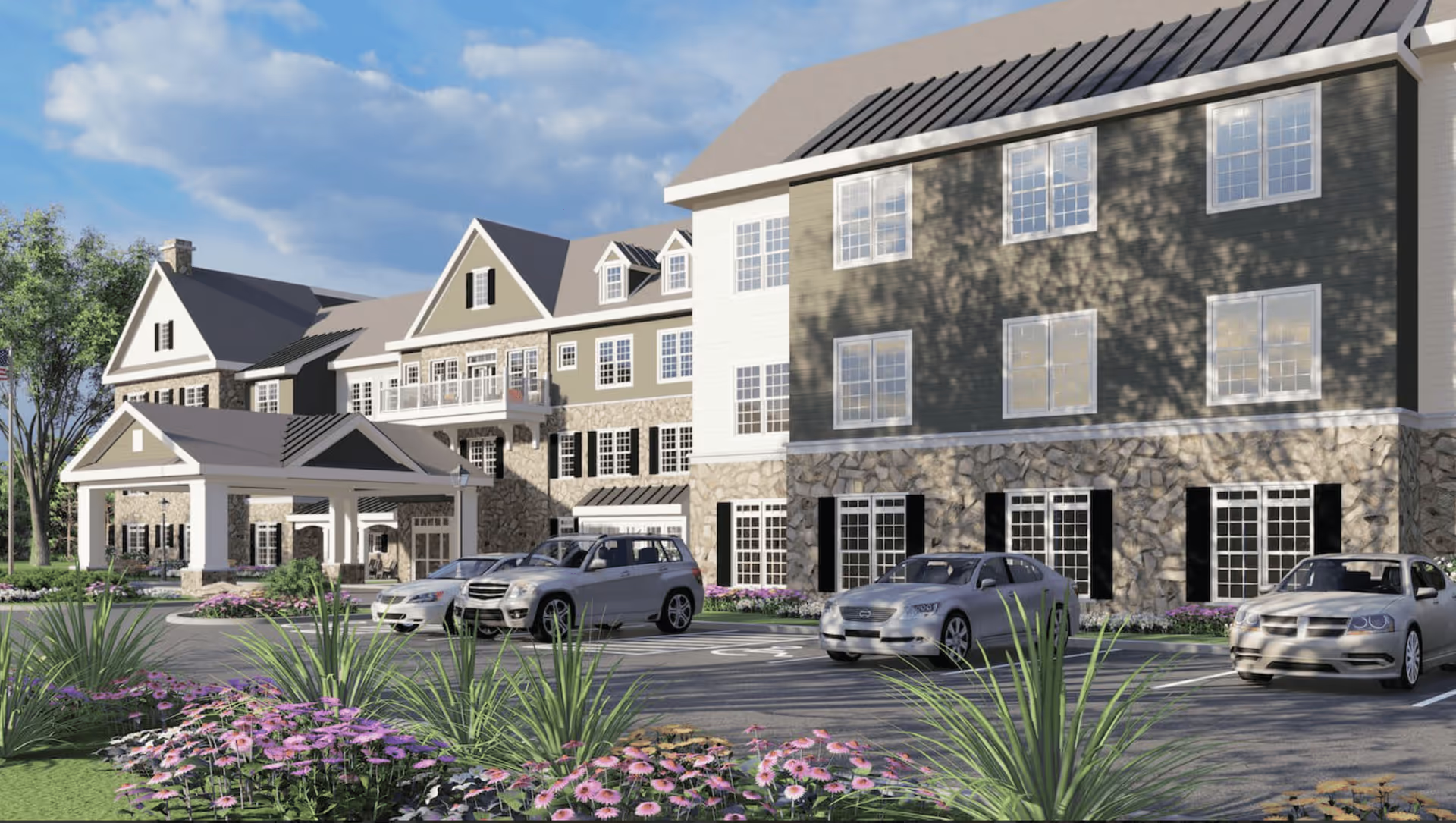
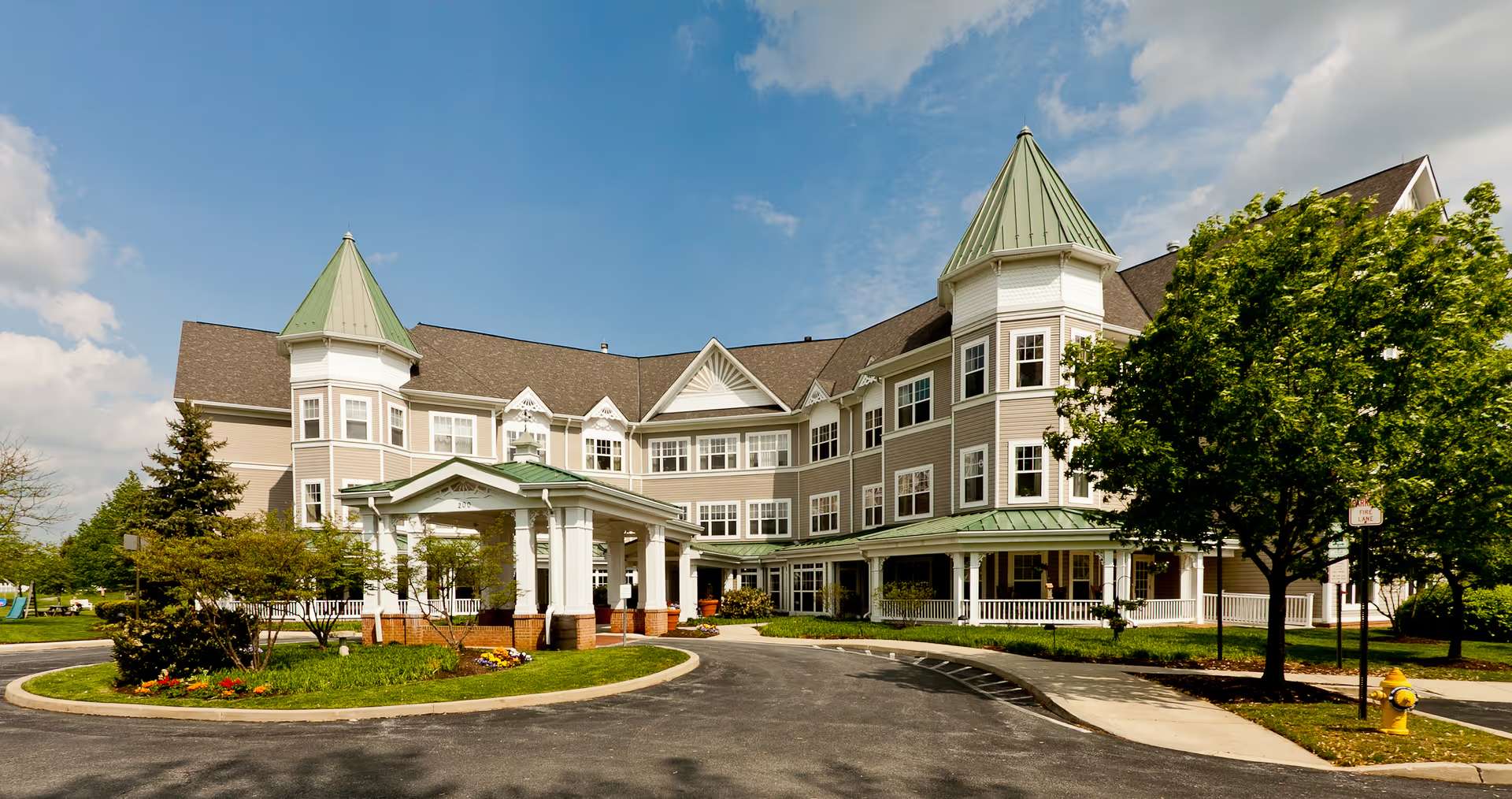
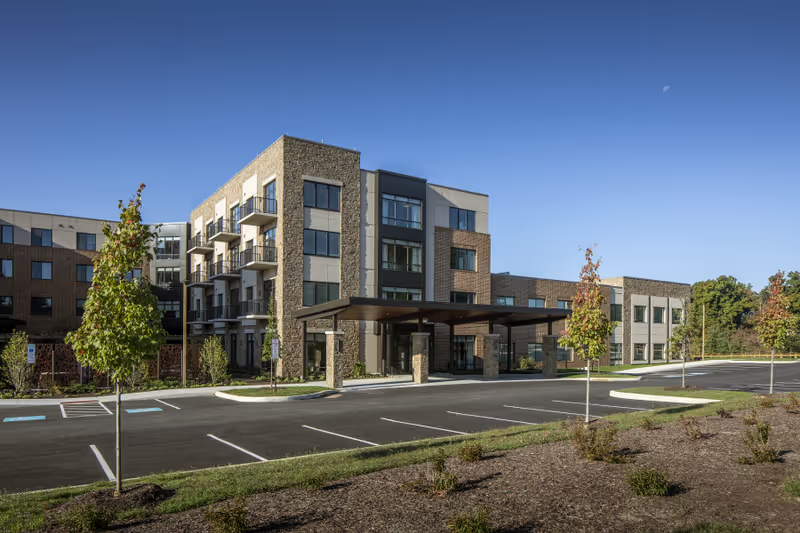
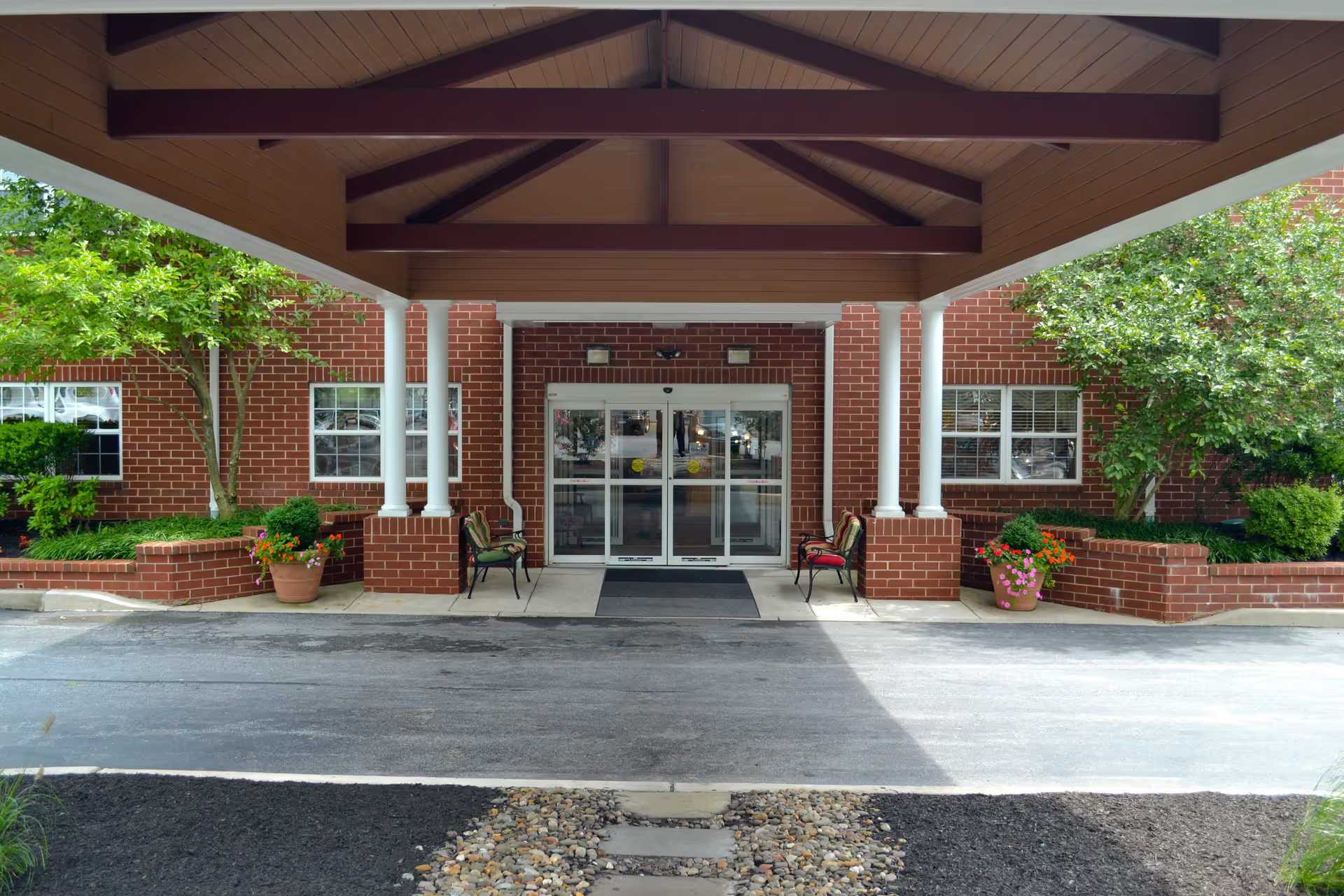
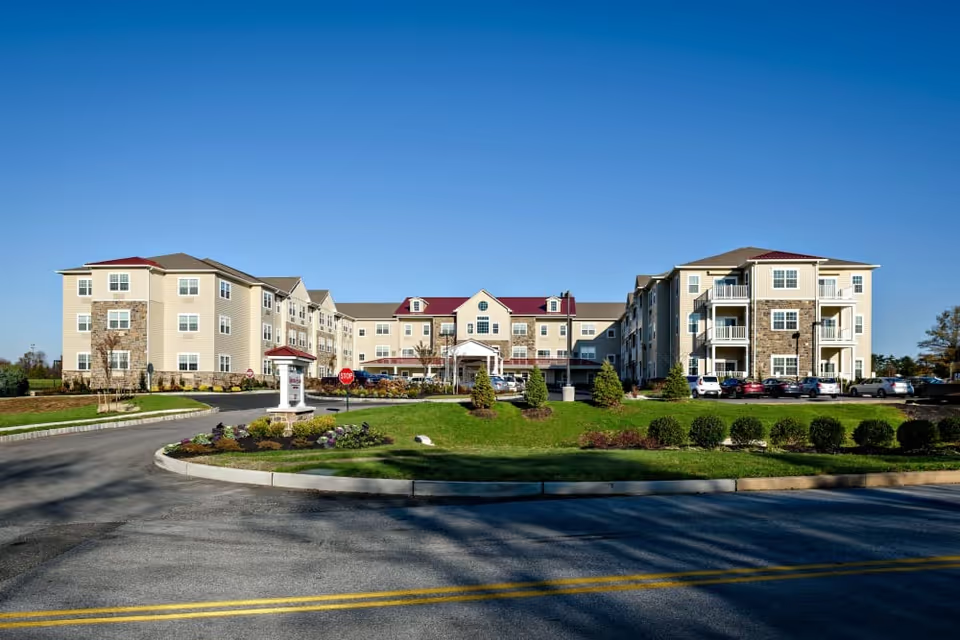
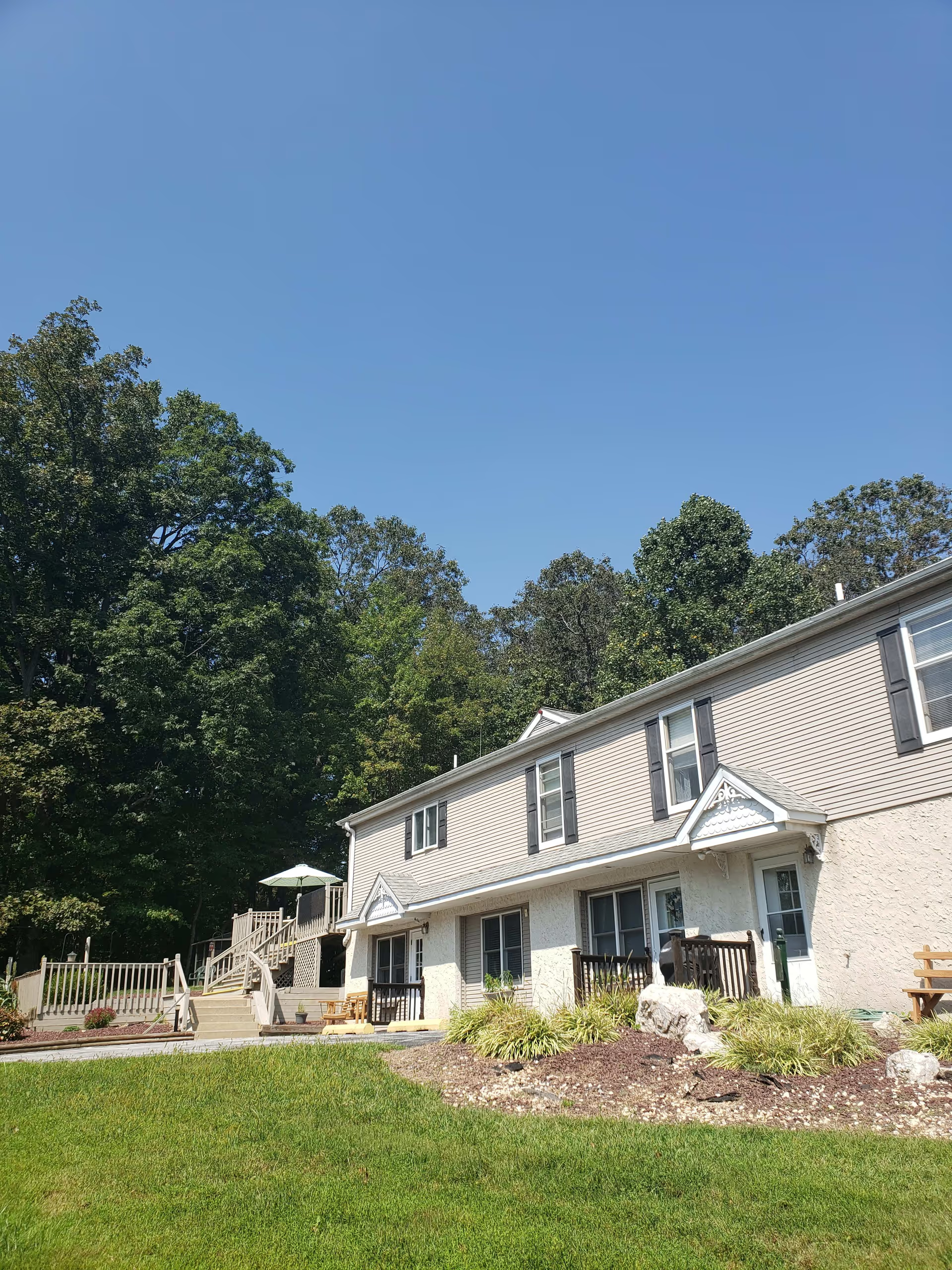
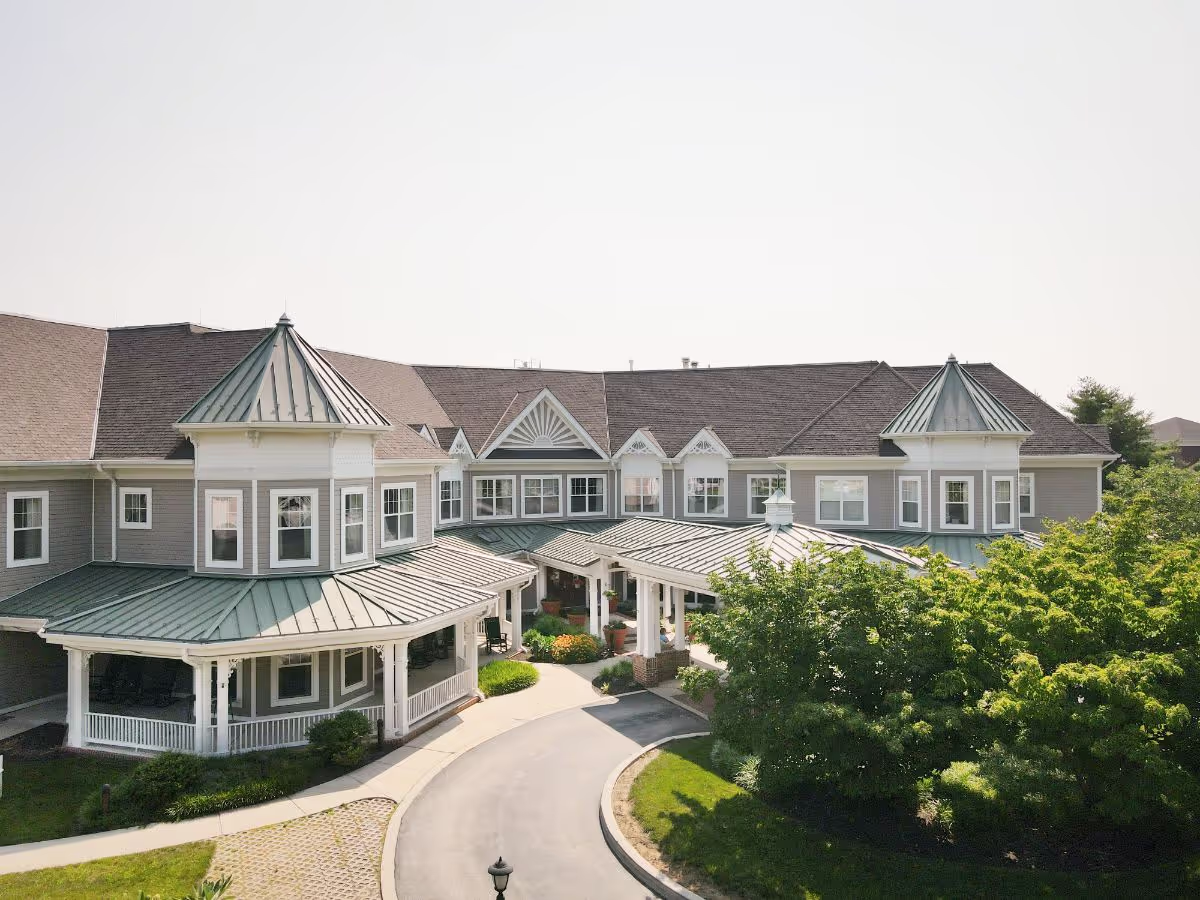
Ashbridge Manor presents as a converted hotel offering apartment-style independent living with a broad set of on-site services and amenities. Strengths frequently cited include accessible layouts and elevator service, multiple floor plans and kitchenettes, an indoor pool used for therapy, an exercise facility with therapy staff, and regular visiting medical professionals. The campus and common areas are often described as clean and well kept, and the community offers restaurant-style dining with a chef, transportation for appointments and outings, a full activities calendar, and weekly housekeeping and linen service. For residents seeking social engagement and convenient access to shopping and services, the location and programming are clear advantages.
Care and staffing impressions are mixed but generally favorable for routine needs. Many families and residents note friendly, professional caregiving staff, on-site nursing coverage, and access to occupational and physical therapy and visiting specialists. The life-alert/emergency-call system and 24-hour staffed front desk provide additional peace of mind for independent residents. At the same time, recurring operational concerns center on administrative communication and consistency: some families experienced delays in responsiveness, perceived variability in front-desk professionalism, and turnover that affected continuity of service. Prospective residents who require higher levels of assisted care or memory care should note that the community’s model is oriented toward independent living with supplemental supports rather than full assisted- or memory-care levels.
Dining and activities are important selling points but show variability. The facility offers two main meals most days, restaurant-style dining, and a chef-driven menu; residents commonly praised the dining atmosphere and variety. However, feedback about food quality is inconsistent and some residents noted differences between dining-room meals and delivered room service. The activities program is active—bingo, music, outings, church services, movies, and therapy classes are often available—but access to amenities and programming has been constrained during infection-control events, which affected residents’ ability to participate at times.
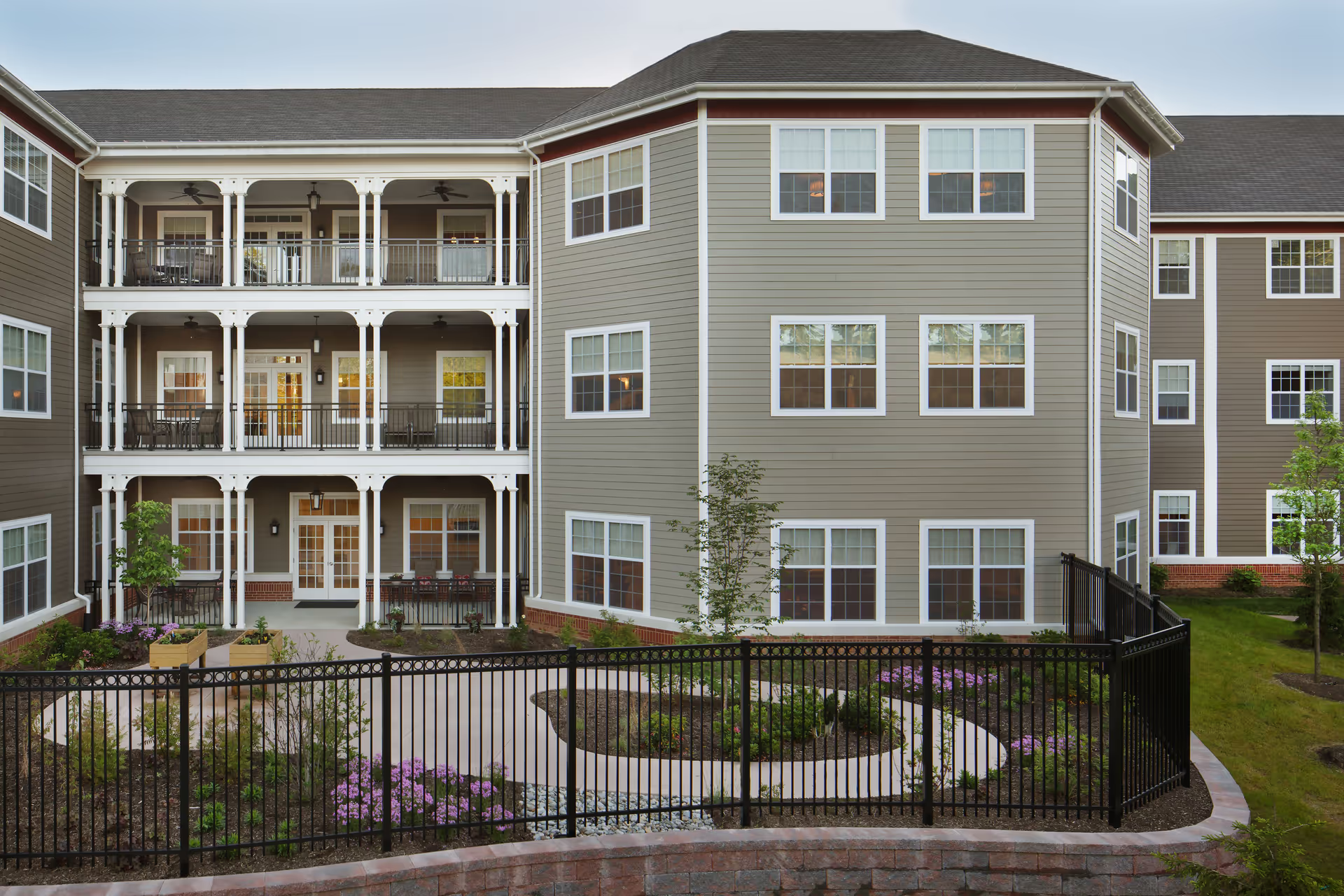
Facility condition and maintenance present a mixed picture. Many reviewers praised the overall cleanliness, landscaped courtyard, and pleasant common areas. At the same time, several indicators point to aging infrastructure and maintenance reliability issues: elevator outages, HVAC and mold concerns in specific units or vents, hot hallways, intermittent laundry equipment issues, and occasional odor concerns in maintenance areas. Housekeeping is provided on a weekly basis, but some families described reliability gaps in service. Billing transparency and extra charges were also recurring themes: residents and families advised clarifying what is included in rent, which services incur additional fees, and how charges are communicated.
Management and policy patterns to note: communication style and administrative professionalism appear inconsistent across interactions—many staff are characterized as helpful and accommodating, while other experiences highlighted curt or unresponsive administrative contacts. Emergency-planning and evacuation preparedness were flagged as areas for clarification. Additionally, policies that affect placement suitability—such as an ambulation-only requirement and the absence of on-site memory care—are important operational constraints for those with mobility or cognitive decline.
Overall, Ashbridge Manor is likely to suit relatively independent older adults who want apartment-style living with robust social programming, on-site therapy and medical access, and convenient location. Families considering the community should verify current maintenance protocols, emergency plans, housekeeping schedules, and the full scope of included versus extra-cost services; prospective residents with progressive care needs should confirm availability of appropriate higher-dependency supports or consider alternate communities with memory or assisted-care units.