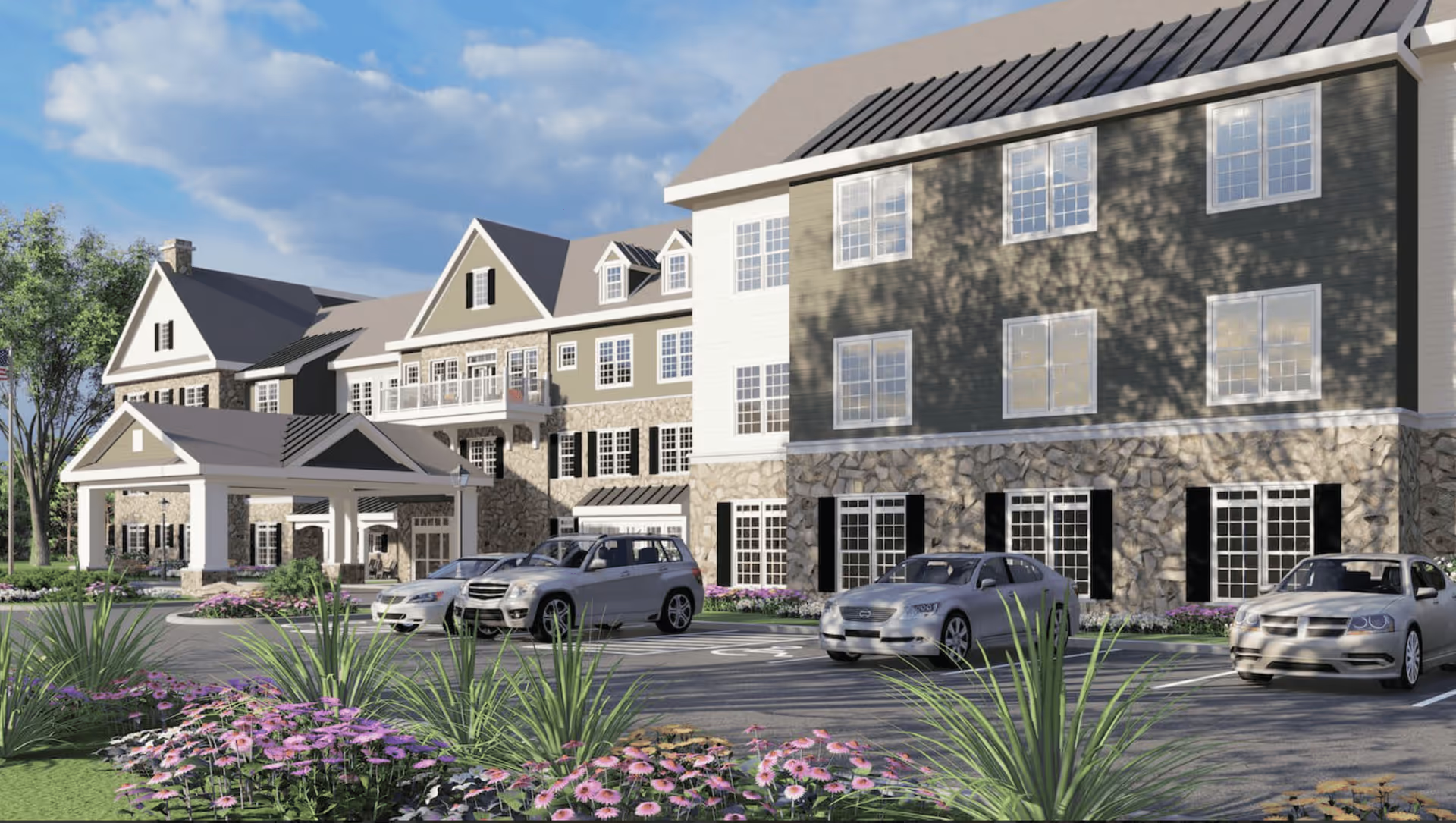
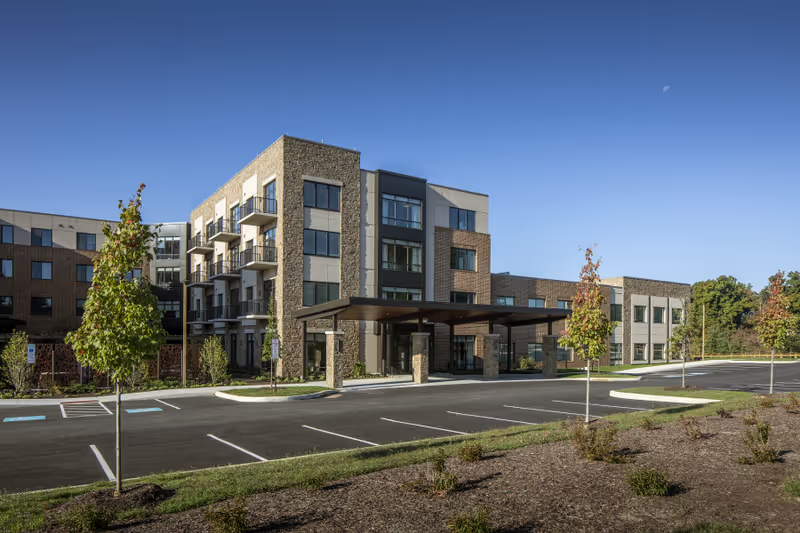
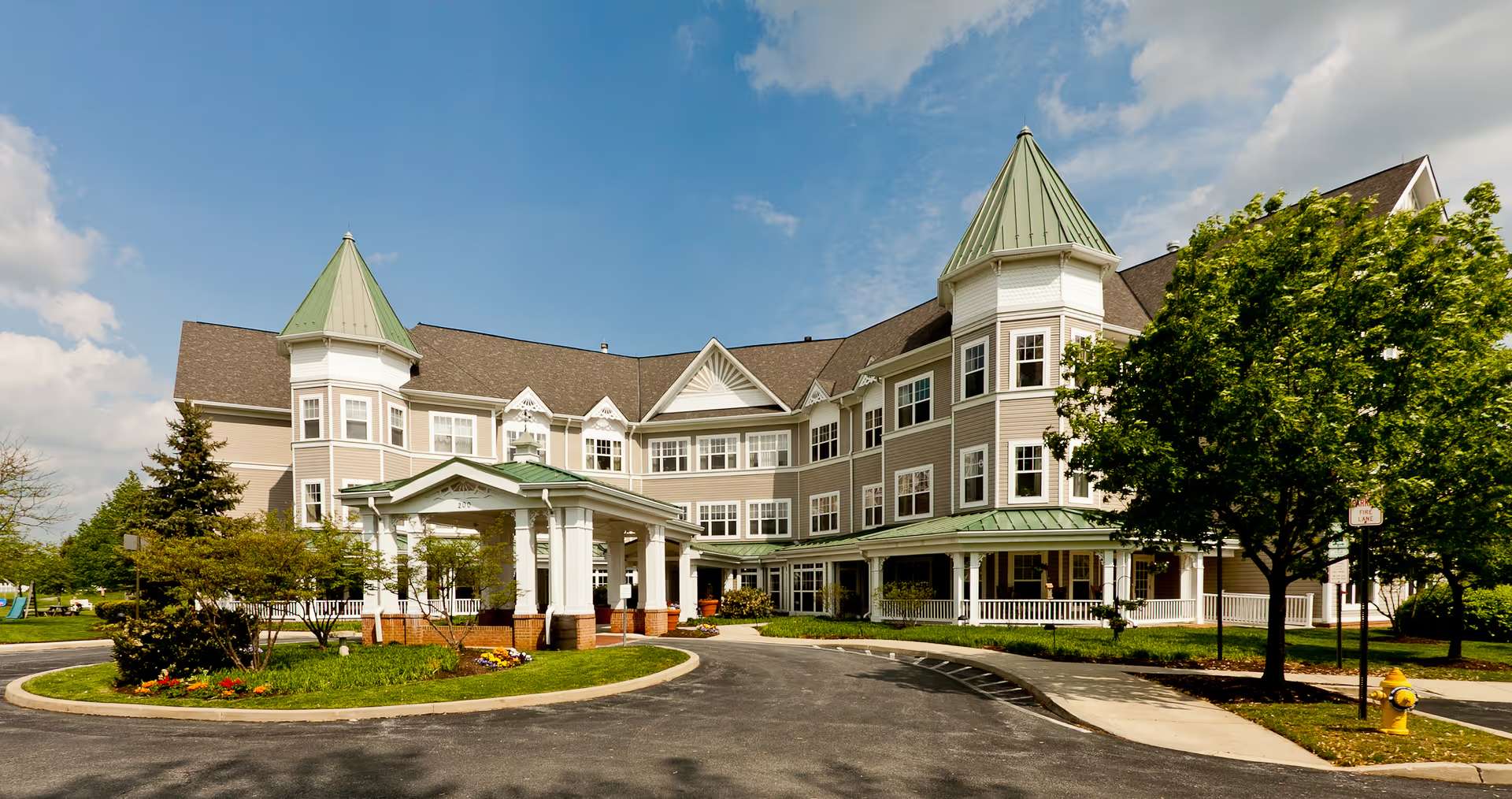
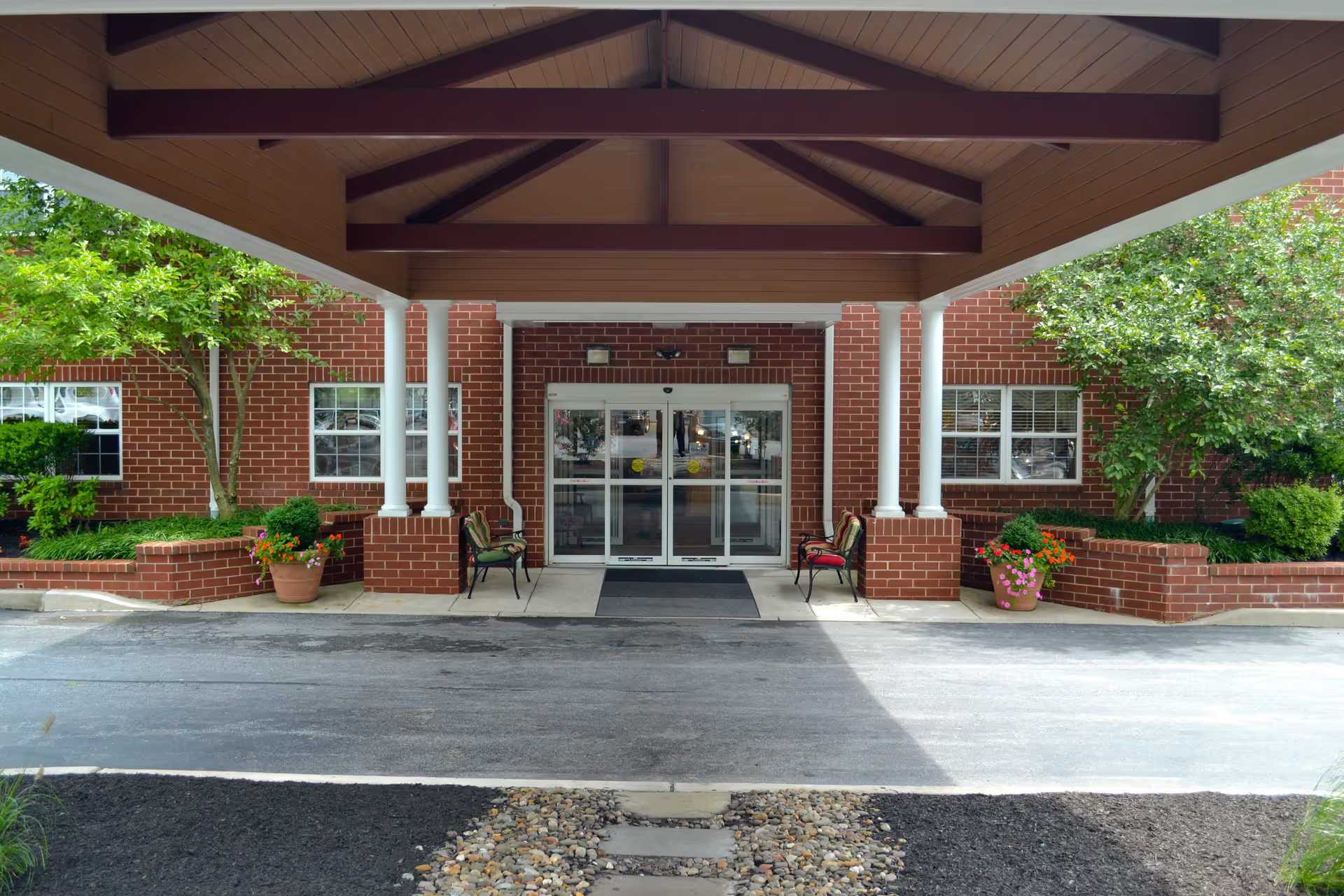
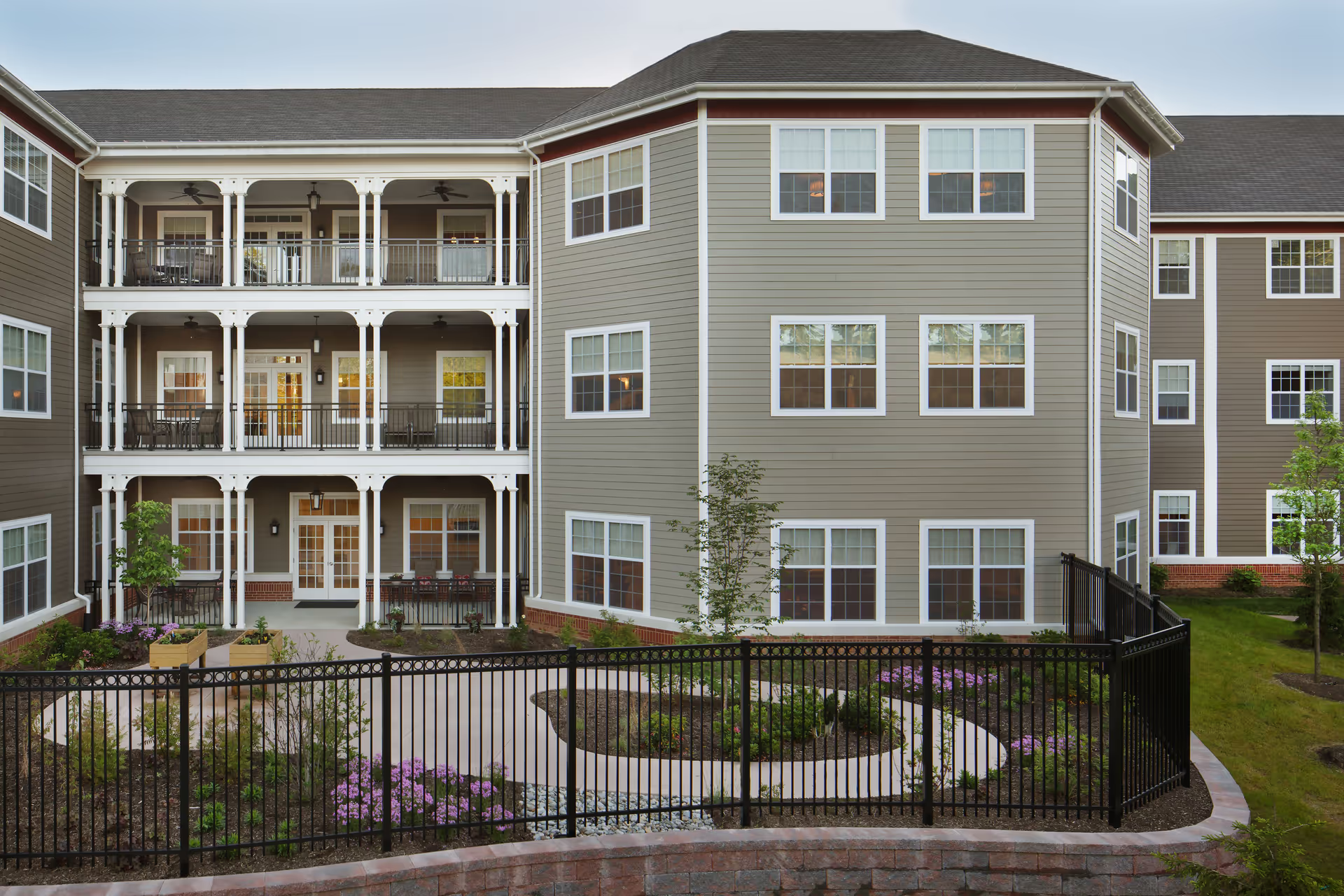
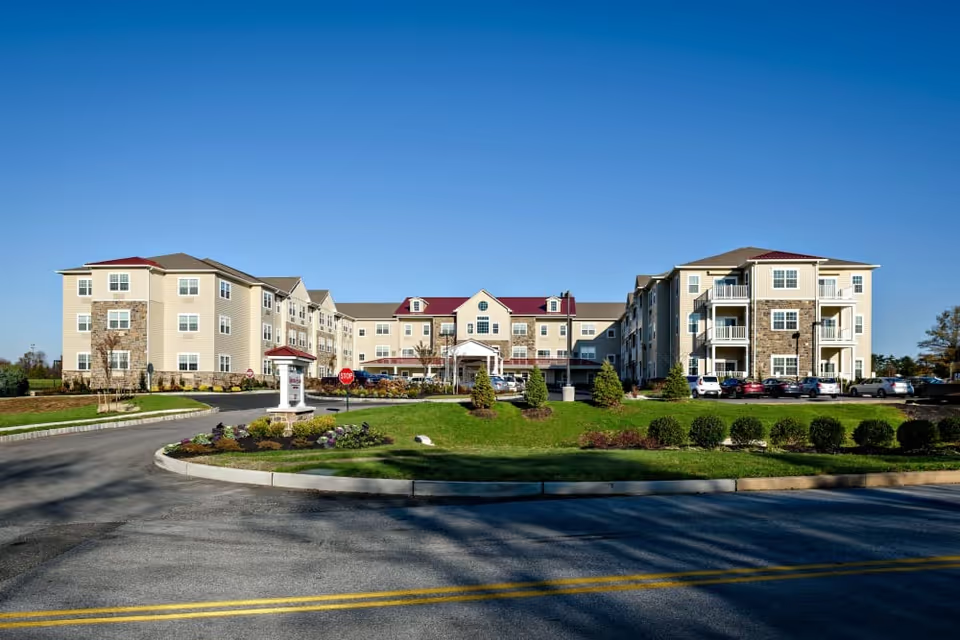
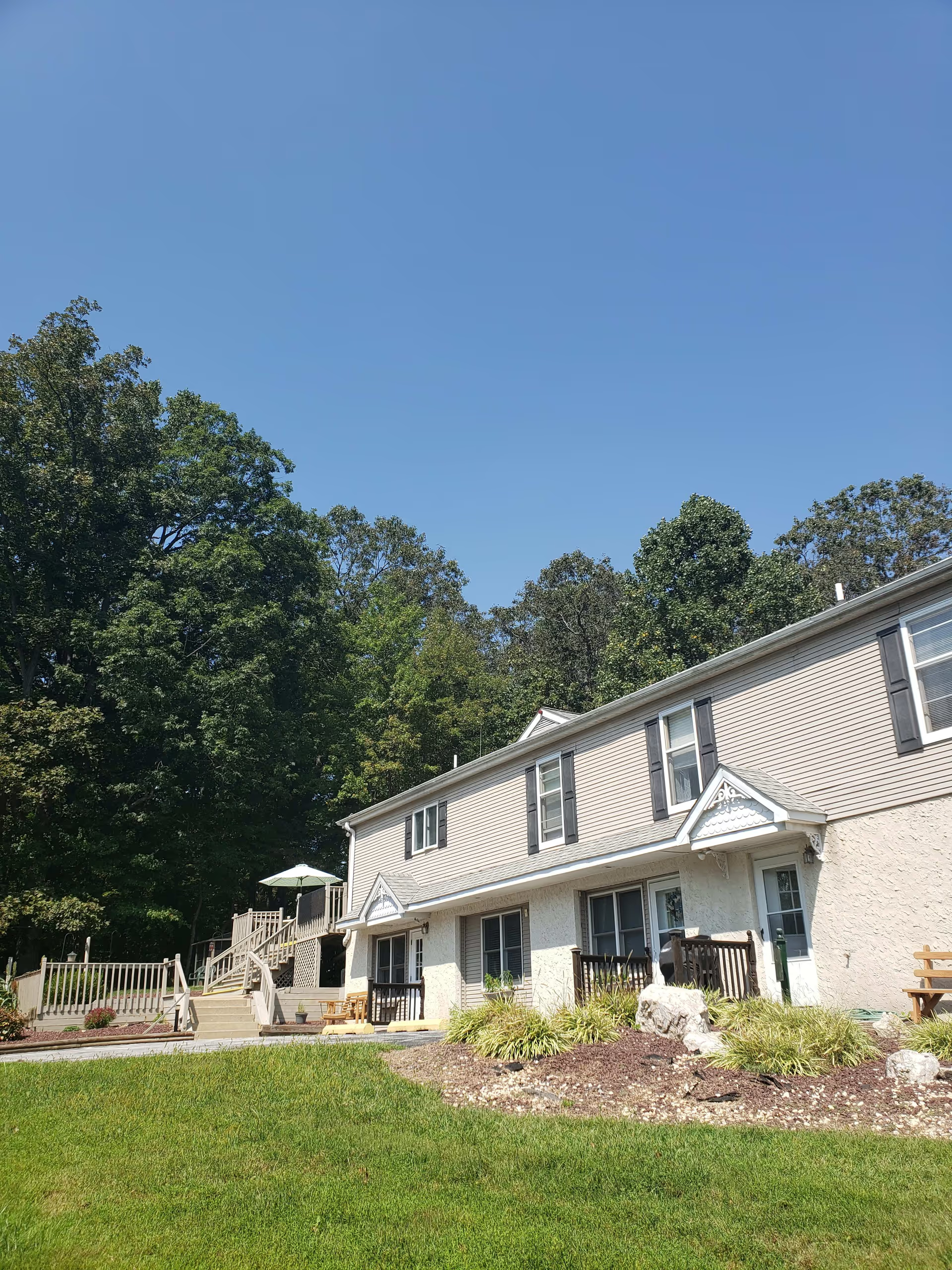
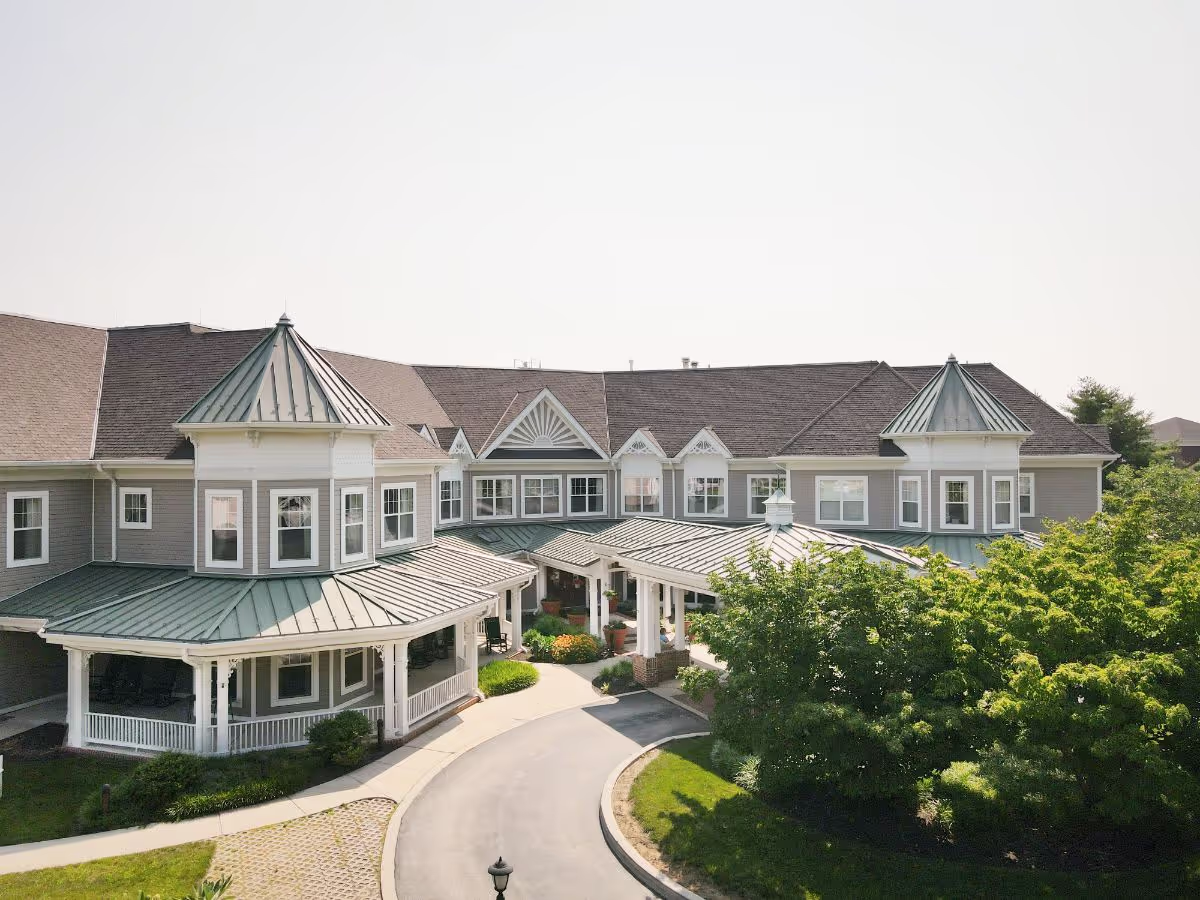
Simpson Meadows presents as a well-appointed retirement community with many of the physical and programmatic features families look for: attractive common areas and grounds, a variety of apartment sizes and finishes, and a broad set of on-site amenities (library, fitness room, movie nights, dining rooms and scheduled transportation). Reviewers commonly praised the facility’s maintenance, bright interiors, and the ability to personalize apartments. The community also offers a continuum of care—independent living, assisted living, memory care—as well as comprehensive on-site medical services and transportation for specialists, which is a strength for residents who need regular clinical access.
Staffing and day-to-day caregiving draw mixed but important observations. Many comments describe staff as friendly, knowledgeable, and attentive—staff who learn residents’ names and provide compassionate end-of-life and hospice support. At the same time, other comments describe stressed or rushed staff, higher caregiver-to-resident ratios, and a perceived decline in professionalism following leadership changes. These accounts point to operational variability: while individual caregivers and teams receive consistent praise, staffing levels and staff conduct appear uneven at times, which can affect timeliness and the tone of communication.
Dining and activities are generally seen as strengths. The community runs a varied activities program with creative leadership, musical groups, lectures, and frequent social offerings; for independent-living residents this is a clear positive. Dining is described as better-than-average by some reviewers, with options to cook in-unit for those who prefer. However, several families described declines or inconsistency in meal quality and dining service, particularly compared with pre-pandemic experiences.
Cleanliness and maintenance are mostly praised, but there are recurring, localized concerns. Some reviewers note sanitation and odor concerns in particular areas, inconsistent laundry and linen handling, and parts of the personal-care area that feel worn. These comments are not universal, but they indicate uneven housekeeping standards in some units or shifts. Maintenance responsiveness and the general upkeep of public spaces were more often highlighted positively, though a few reviewers called out older areas that need upgrades.
Management and administrative practices show both strengths and weaknesses. Admissions staff and tour guides are frequently described as helpful and informative, and the facility offers useful move-in support such as veteran-benefits guidance. Conversely, reviewers have raised issues with leadership turnover, inconsistent visitation or infection-control policies (particularly during COVID-related restrictions), and lapses in billing or exit-process communication. There are also practical constraints to note: higher-than-average monthly costs, extra fees for some services, and a wait list or limited capacity for transfers to higher levels of care.
Overall pattern: many families and residents express satisfaction with the facility’s physical environment, amenity set, and the compassionate conduct of individual caregivers, while operational challenges—most notably staffing levels, consistency of housekeeping/laundry, management communication, and variability in memory-care engagement—appear as recurring themes. Prospective residents and families would benefit from an in-person tour, asking specific questions about current staffing ratios and shift coverage, laundry and housekeeping protocols, memory-care program content and staffing, infection-control/visitation policy details, wait-list expectations for higher-level care, and the facility’s billing and discharge procedures before finalizing a decision.