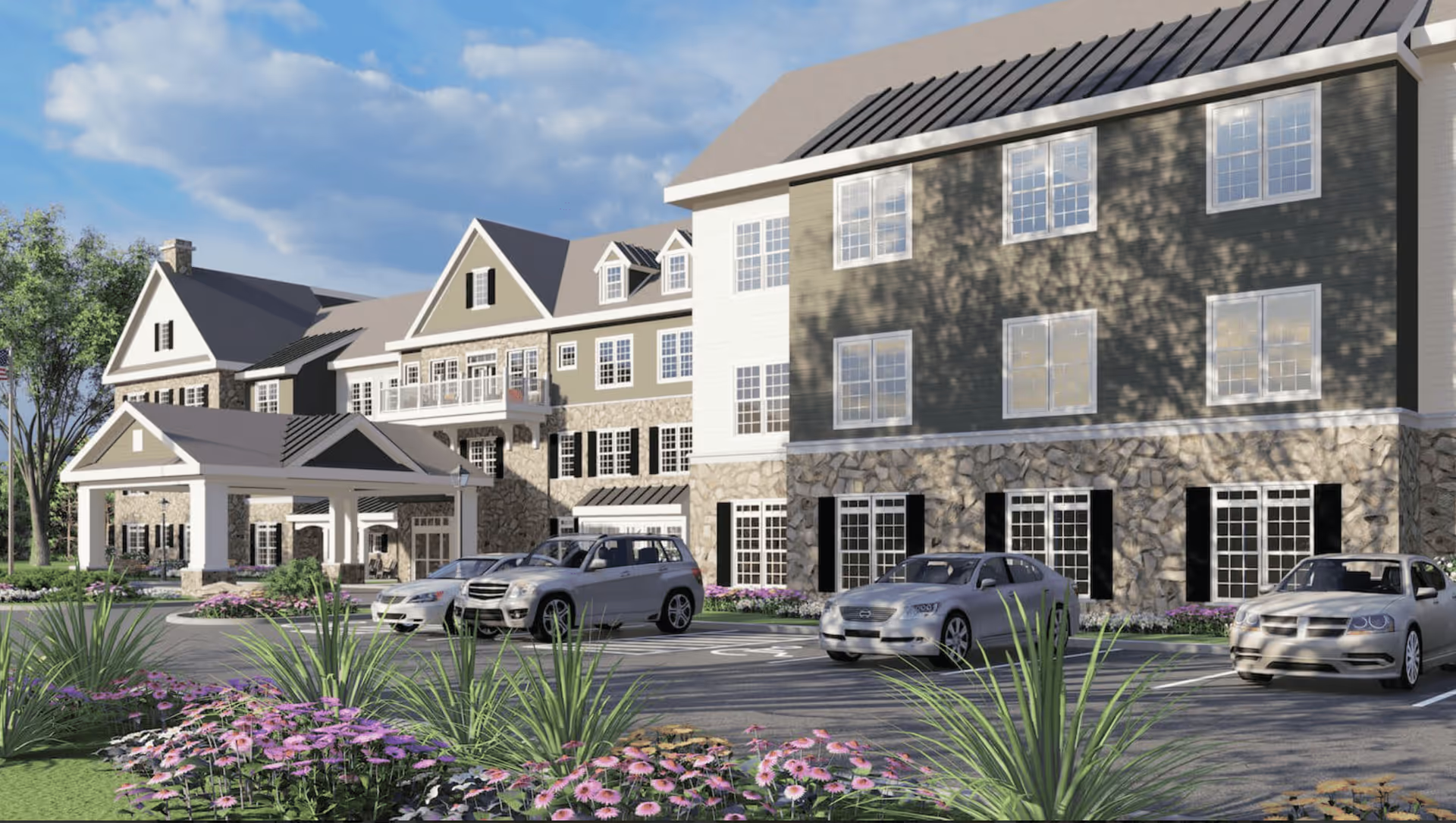
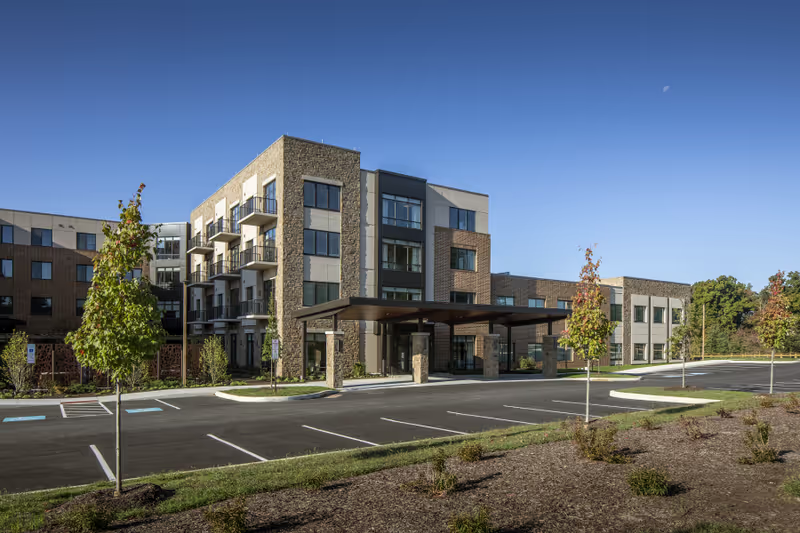
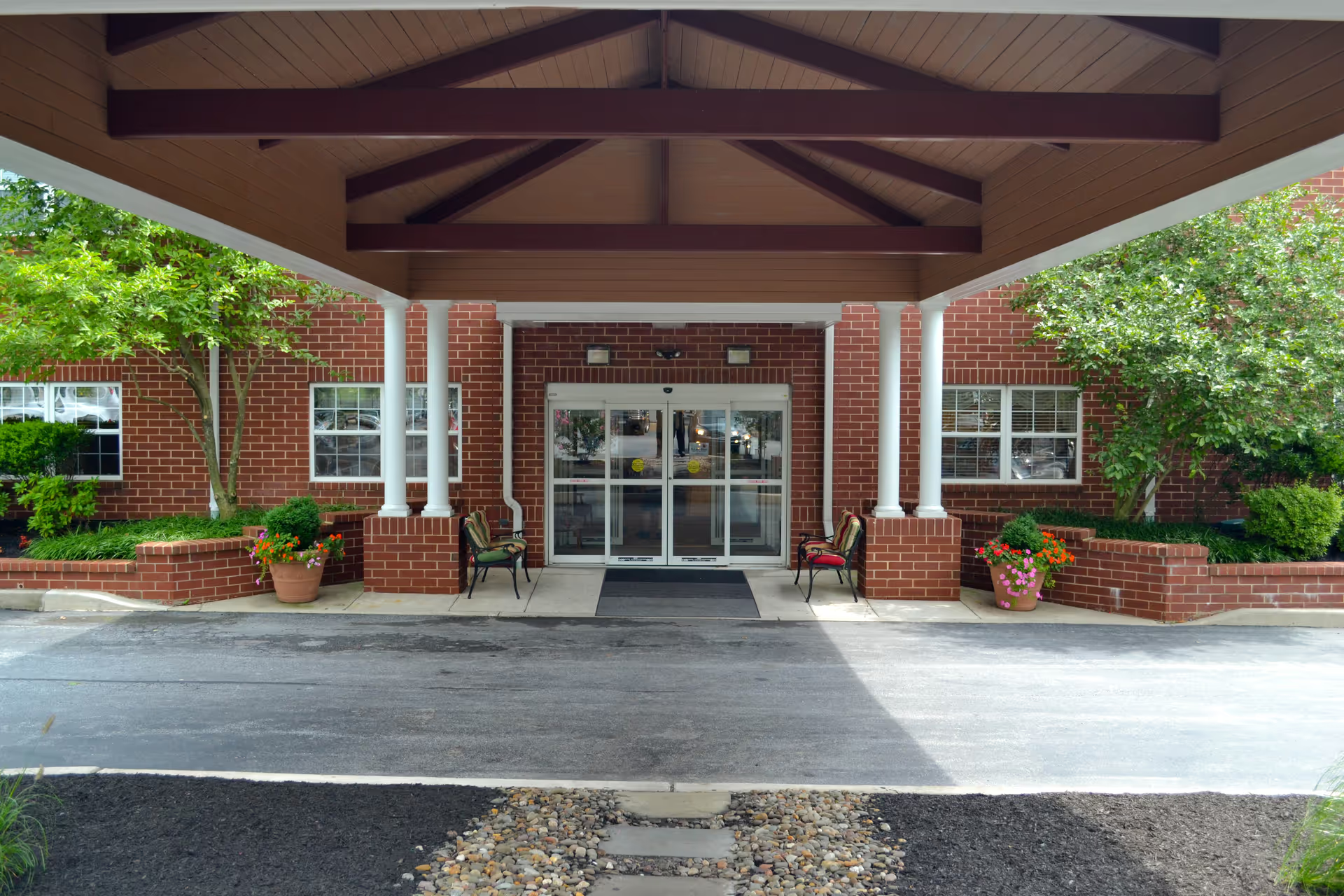
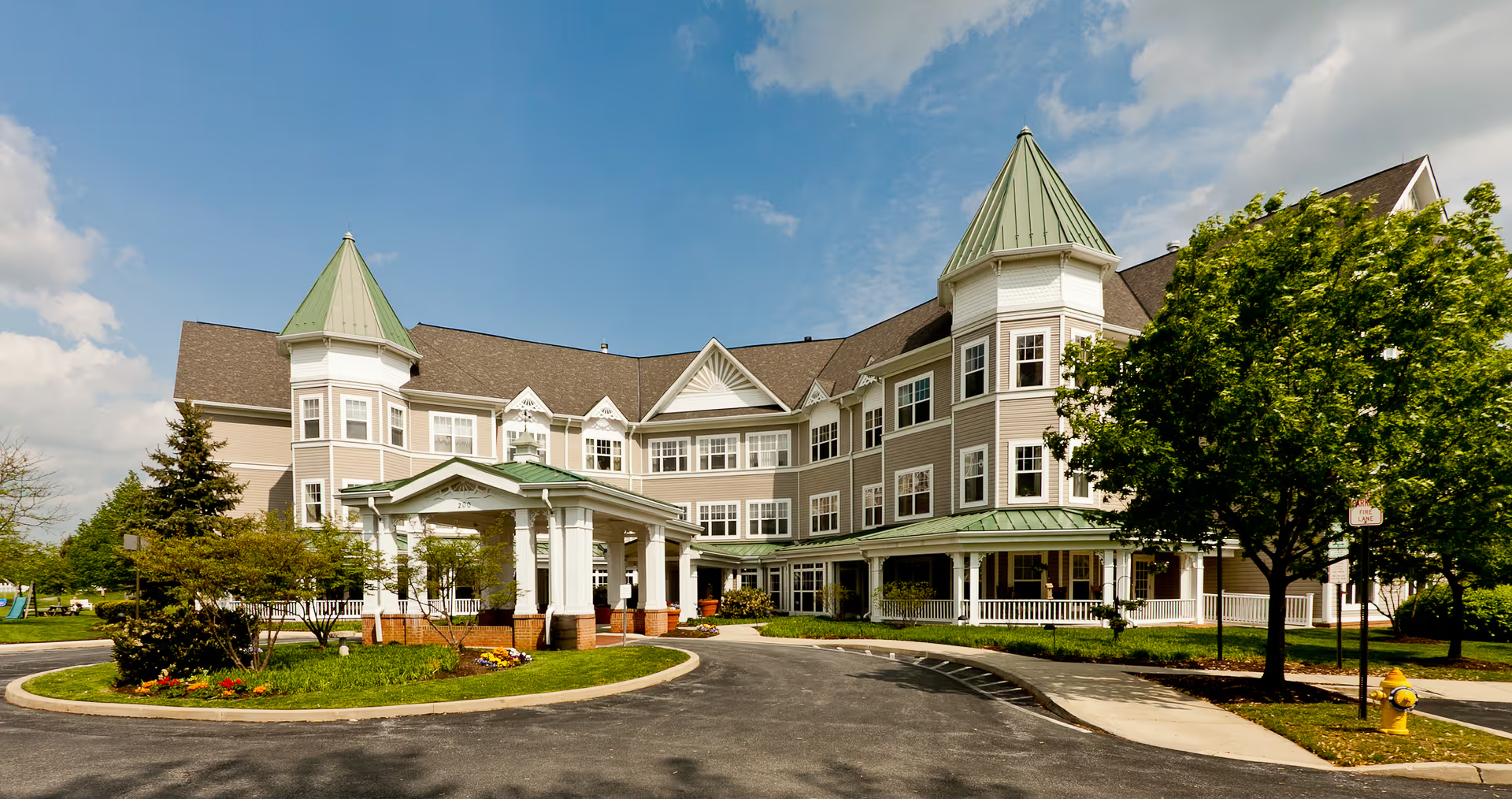
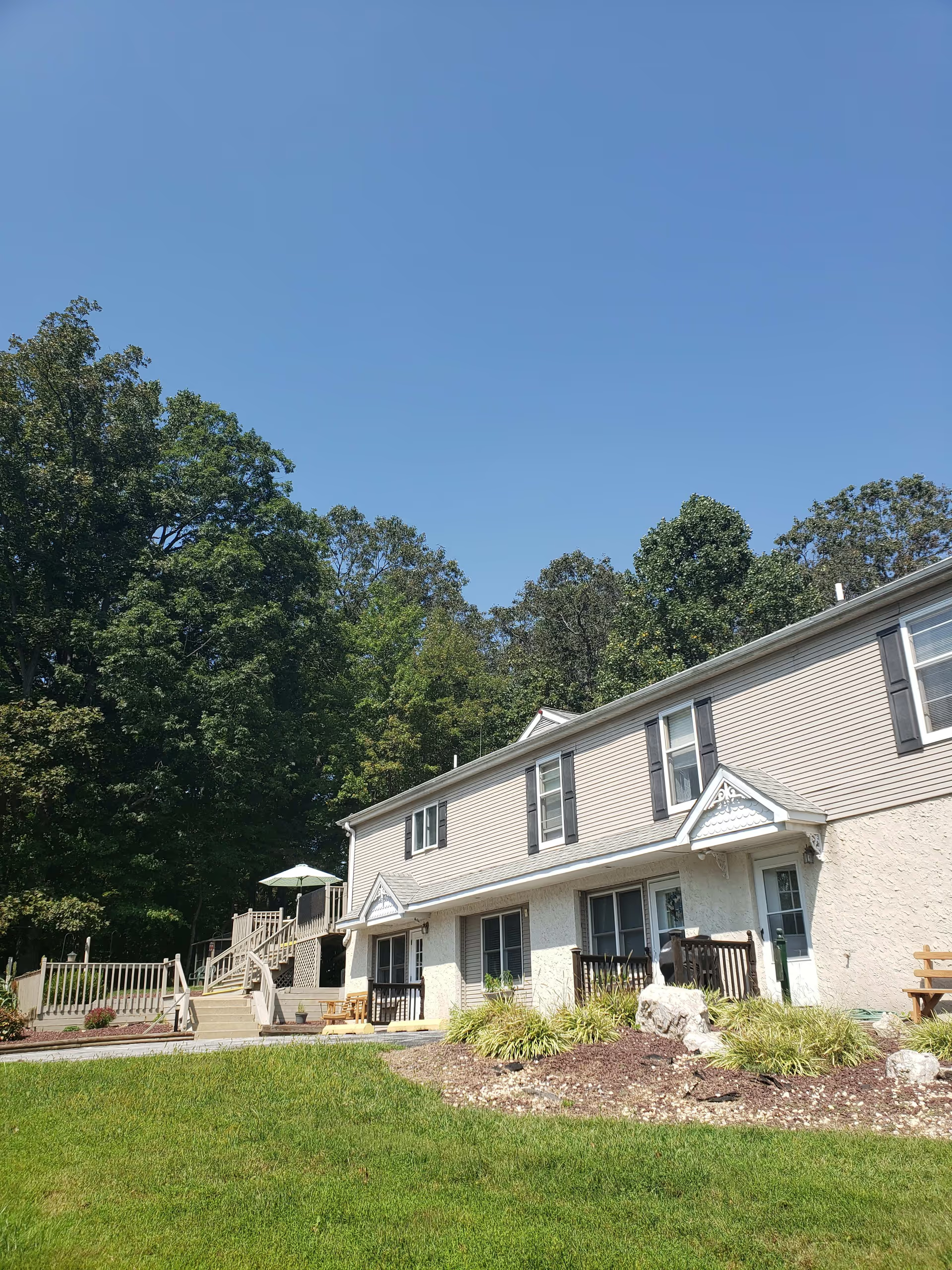
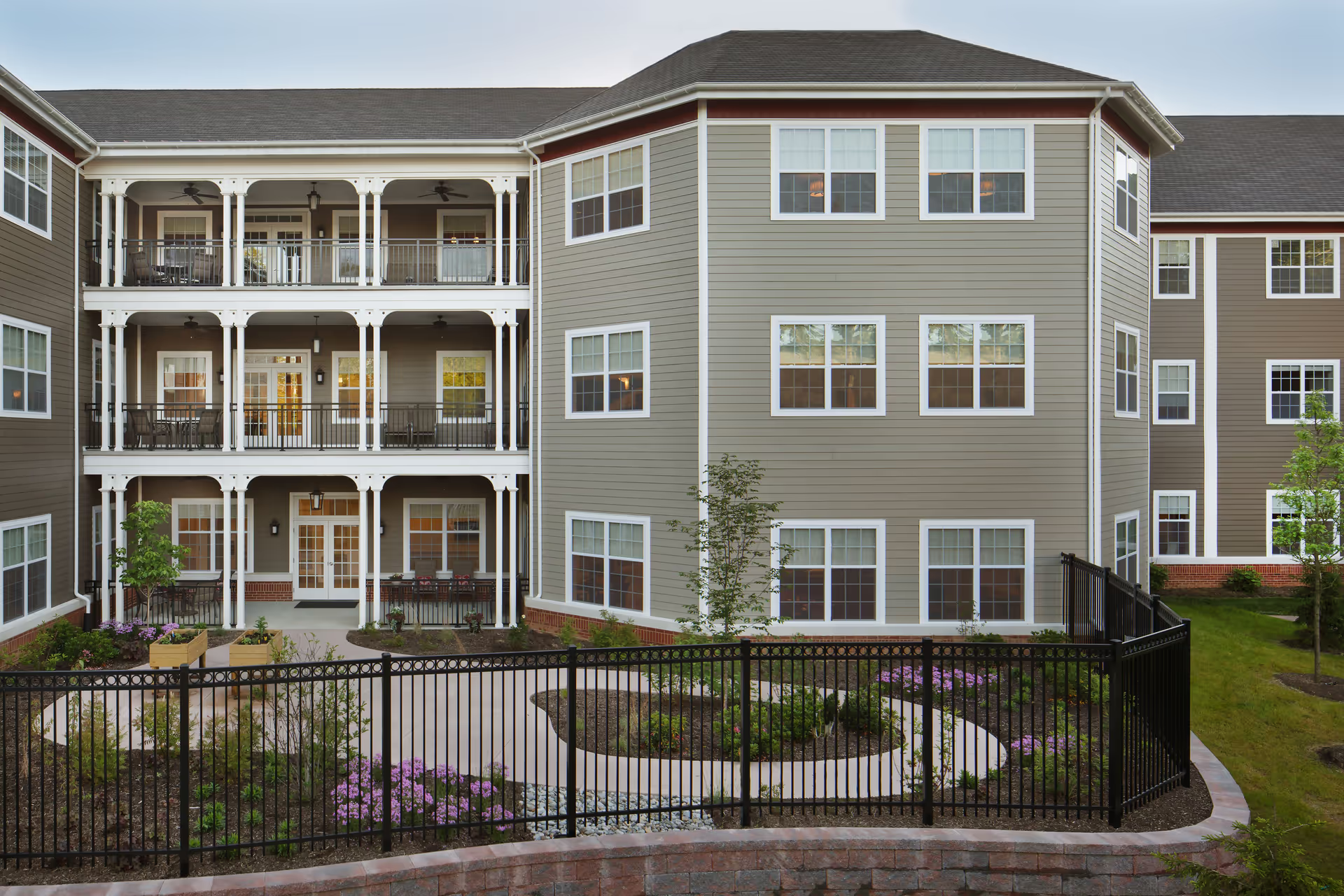
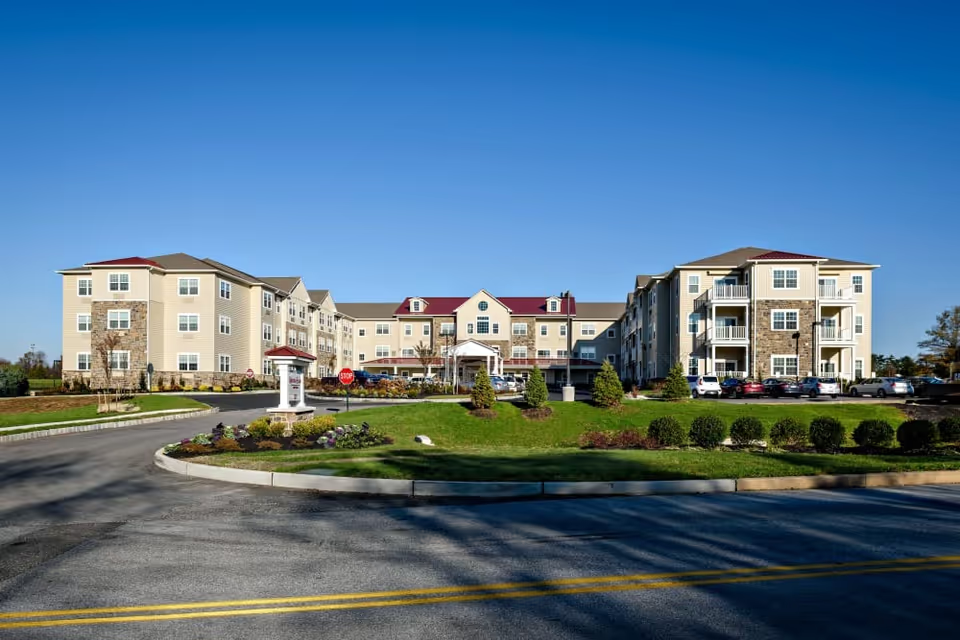
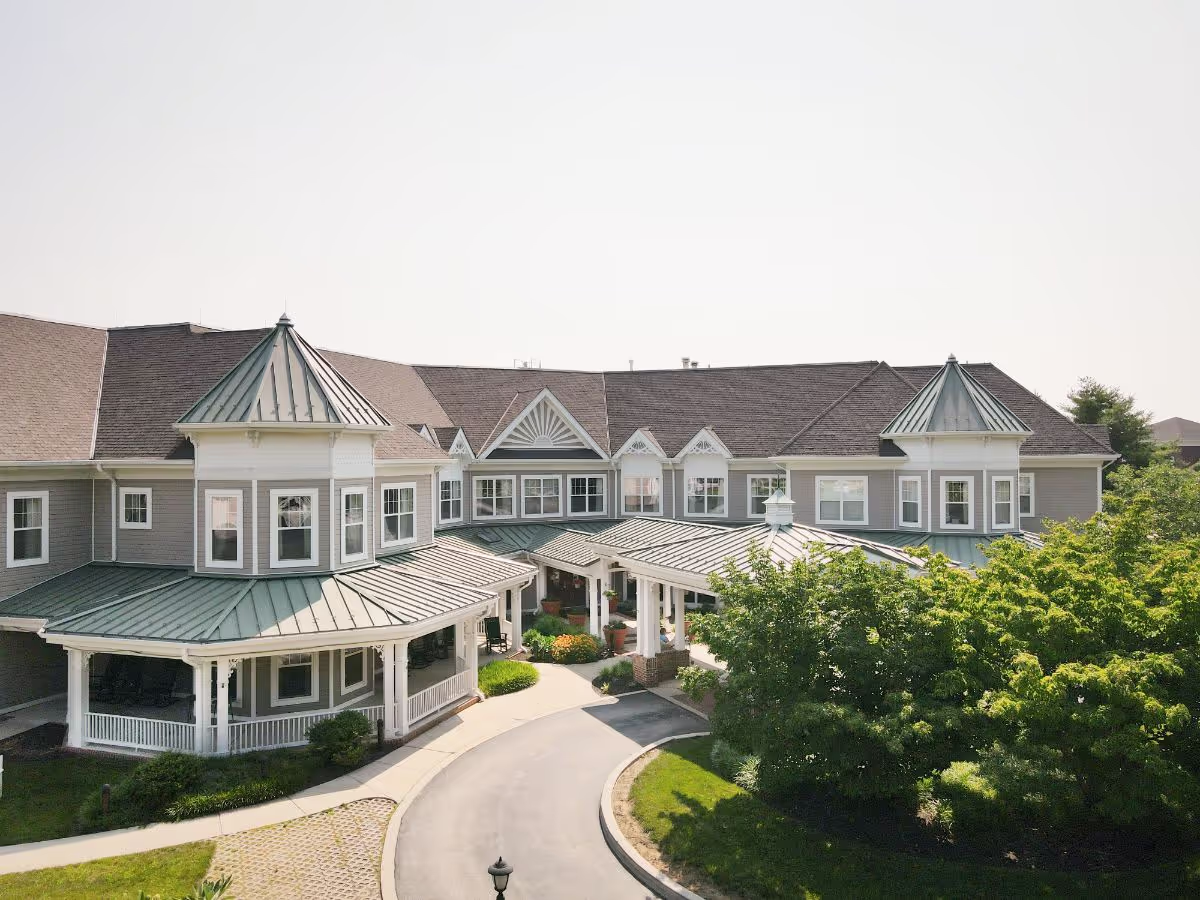
Reviewers describe a facility with substantial strengths in hands-on care, rehabilitation, spiritual life, and resident engagement, tempered by operational inconsistencies. Strengths most consistently mentioned include a compassionate direct-care workforce (nurses, CNAs, and aides), an outstanding physical/occupational therapy program that supports functional recovery, and attentive front-desk/admissions staff and concierge services who facilitate transitions. The campus environment — including well-maintained grounds, an on-site chapel with daily Mass, and varied activity programming supported by volunteers — contributes to a welcoming, community-oriented atmosphere.
Clinical and day-to-day care are areas of clear contrast. Many families praise individualized attention from social workers, discharge planning, and therapy teams; however, accounts also point to variability in clinical oversight, medication administration, and pain management. Operational weaknesses cited across reviews include inconsistent staffing coverage (notably evenings and weekends), lapses in supervision, and workforce turnover that can affect continuity of care. A small number of serious clinical concerns and regulatory questions were raised by reviewers; these accounts underscore the importance of confirming current oversight, incident reporting processes, and clinical governance when evaluating the facility.
Housekeeping, sanitation, and dining receive mixed assessments. Numerous reviewers describe clean, odor-free common areas, timely laundry service, and tidy rooms, while other accounts identify uneven bathroom and floor cleaning and incontinence-care delays. Dining is likewise inconsistent: the kitchen is responsive to individualized dietary needs and offers multiple meal options, yet several families found the food's overall taste and consistency lacking. Prospective residents should ask about meal-service standards, sanitation schedules, and menu rotation during a tour.
Activities and social life are generally highlighted as a strength. The facility offers a variety of daytime and evening programs, live music, exercise classes, and campus events that foster social engagement; the memory-care unit and rehabilitation programs in particular are described as promoting socialization and cognitive stimulation. Pastoral care and daily chapel services are important features for residents seeking a faith-based environment.
Management and communication present a mixed picture. Positive notes include approachable unit managers, helpful directors, and specific staff members repeatedly praised for going above and beyond. Conversely, reviewers also cite inconsistent leadership presence, slow or unsatisfactory complaint handling, and occasional communication breakdowns (for example, discharge paperwork mismatches and delayed responses to concerns). These patterns suggest variability by unit and shift rather than a uniform operational profile.
Bottom line: St. Martha Center offers strong rehabilitation services, meaningful spiritual programming, engaged activity options, and many praised caregivers and therapists. At the same time, prospective residents and families should evaluate current staffing patterns, infection-control and sanitation practices, medication and emergency protocols, and the facility's complaint/incident-resolution processes during an in-person visit. Asking for unit-specific staffing ratios, recent survey or inspection outcomes, and examples of how the facility addressed prior concerns will help clarify whether the facility’s strengths are reliably sustained on the unit and shift that would serve a particular resident.