Overview: Reviews of St. Martha Villa present a mixed but coherent pattern: the community is repeatedly praised for its compassionate caregiving, strong memory-care programming, and apartment-style living options, while operational and infrastructure issues appear to produce significant variability in day-to-day resident experience. Many families emphasize warm, attentive staff—including nurses, aides, front-desk personnel, and specific staff members who are singled out for exceeding expectations—and several accounts describe a well-run memory-support unit with dementia-trained staff and a safe wandering design.
Care quality and staffing: Clinical and hands-on care receives both high praise and substantive criticism. Positive accounts describe attentive nursing, effective therapy/rehab support, and staff engagement in activities. Conversely, other reviews describe delays in basic assistance (bathing, hair care, drink availability) and concerns about timeliness of response. A recurrent theme is staffing strain—short-staffed shifts, high turnover, and employees who appear overworked—which reviewers link to slower responses, inconsistent personal-care delivery, and variable continuity of caregivers.
Staff, culture, and management: Staff demeanor is a strong positive in many accounts: compassionate, patient, and family-oriented employees are often highlighted. Admissions and move-in coordination are frequently described as smooth and flexible. At the same time, several reviews note problematic interactions with management—defensive communication, poor follow-up on concerns, and billing or medication-authorization problems. These administrative weaknesses amplify clinical and operational shortcomings when they affect family communication or incident follow‑up.
Dining and nutrition: Dining experiences are inconsistent across reviews. Some families report enjoyable, well-served meals and accommodating dietary adjustments; others describe poor preparation, small portions, and insufficient mealtime assistance. Beverage access and assistance for residents with limited mobility are particular pain points. Prospective residents should clarify meal-service schedules, portioning, and support available during dining and non-meal hours.
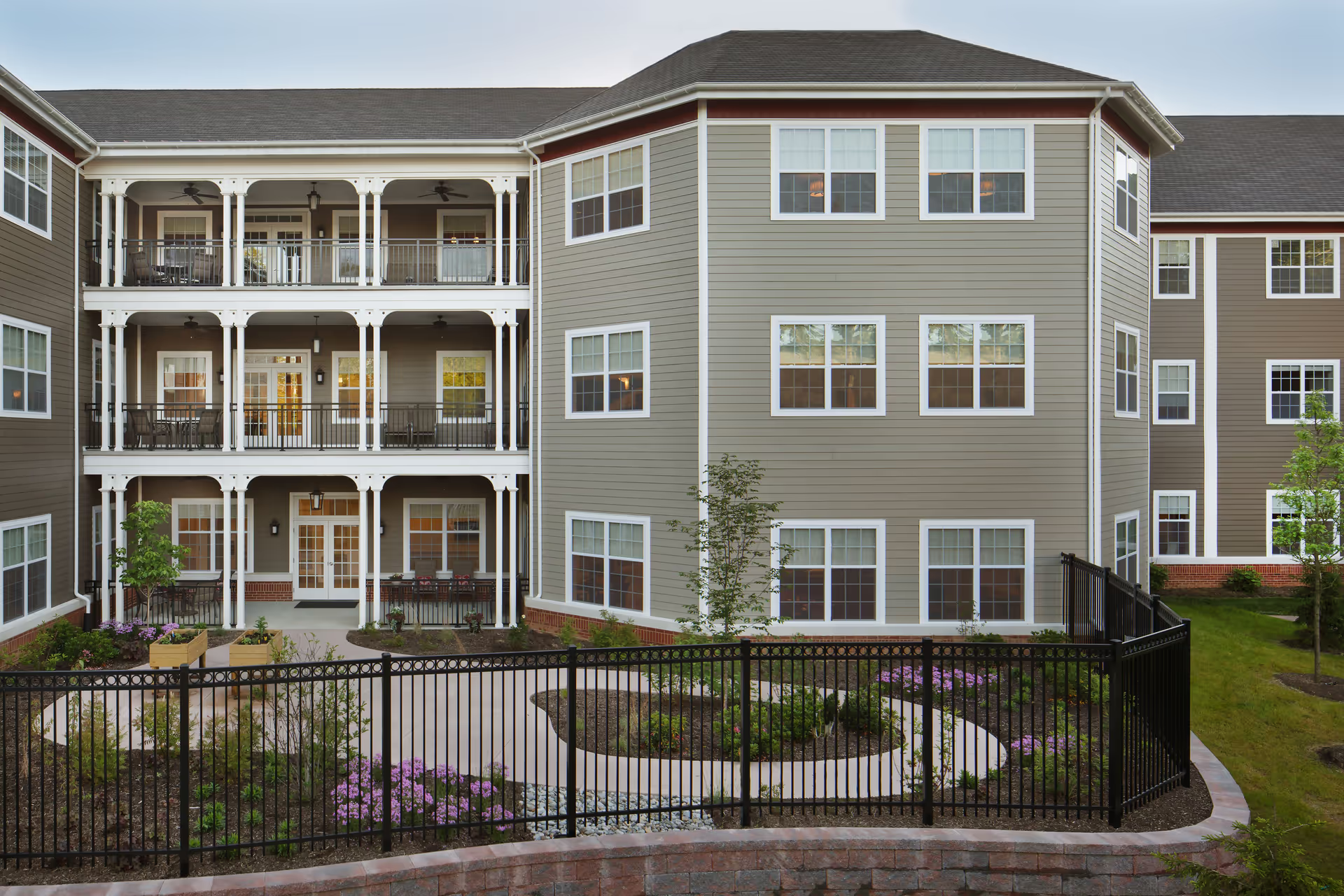
Activities and social programming: Activity programming is generally a strength, particularly in memory care—music, religious services, outings, and unit-level engagement are commonly noted. However, participation and variety appear uneven in some areas; a few reviewers characterized programming as minimal or limited to passive options. The community offers outdoor spaces and a garden that support engagement, though upkeep of these areas is described as variable.
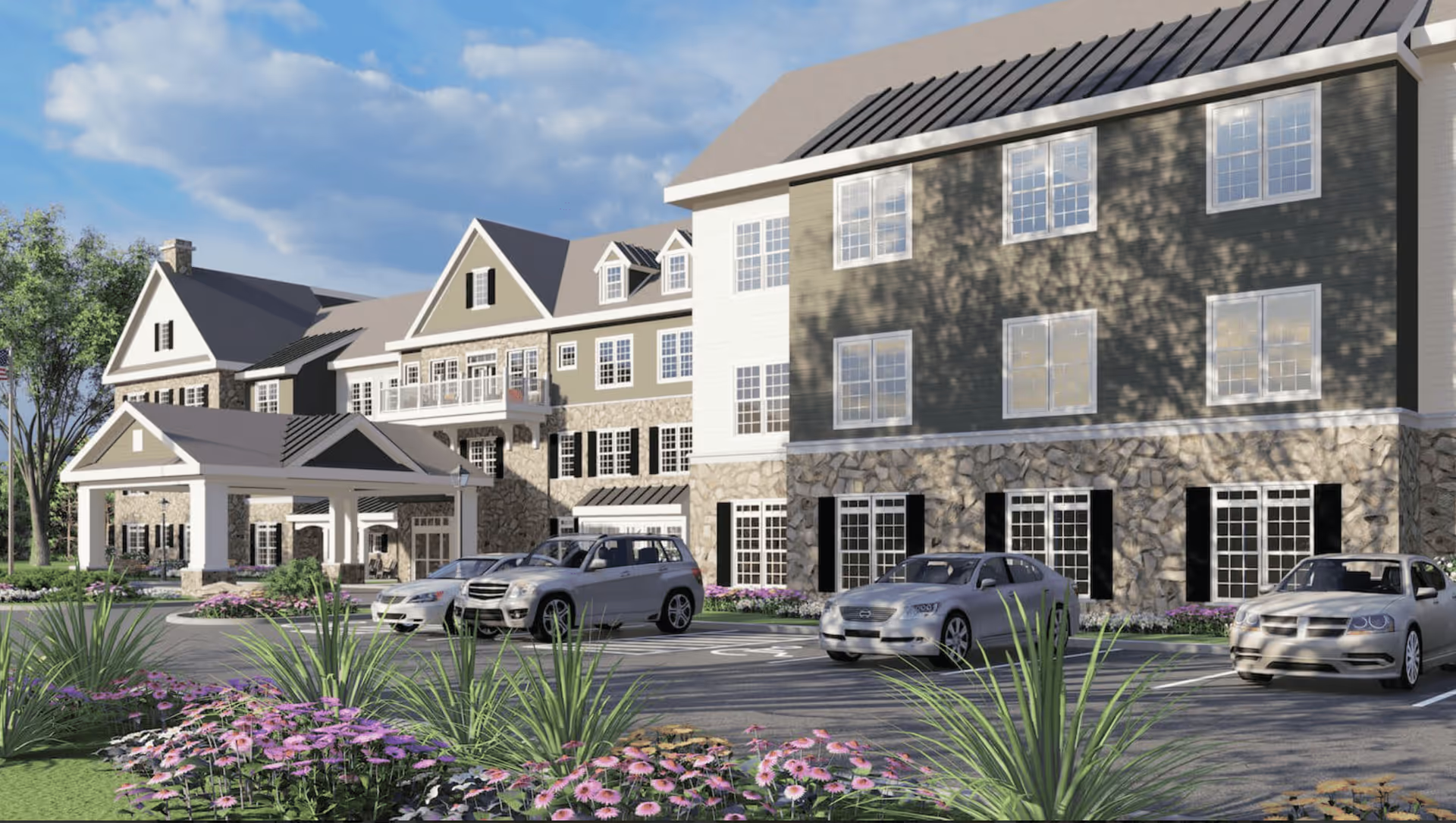
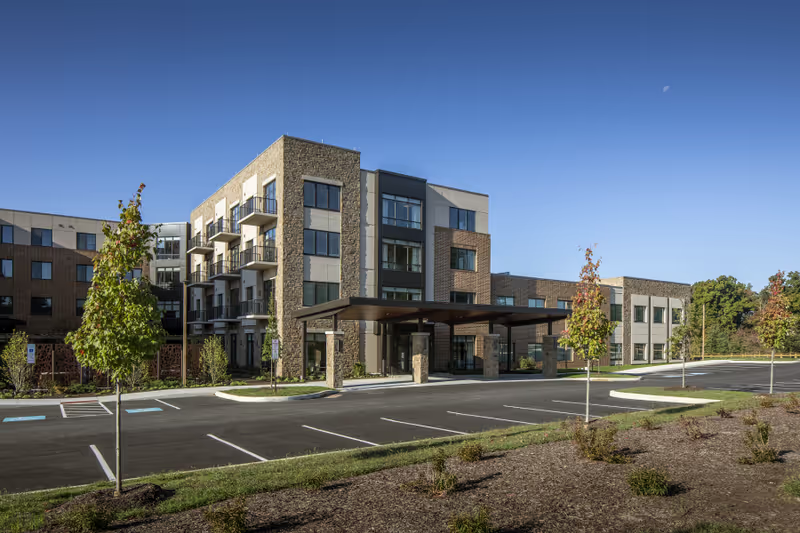
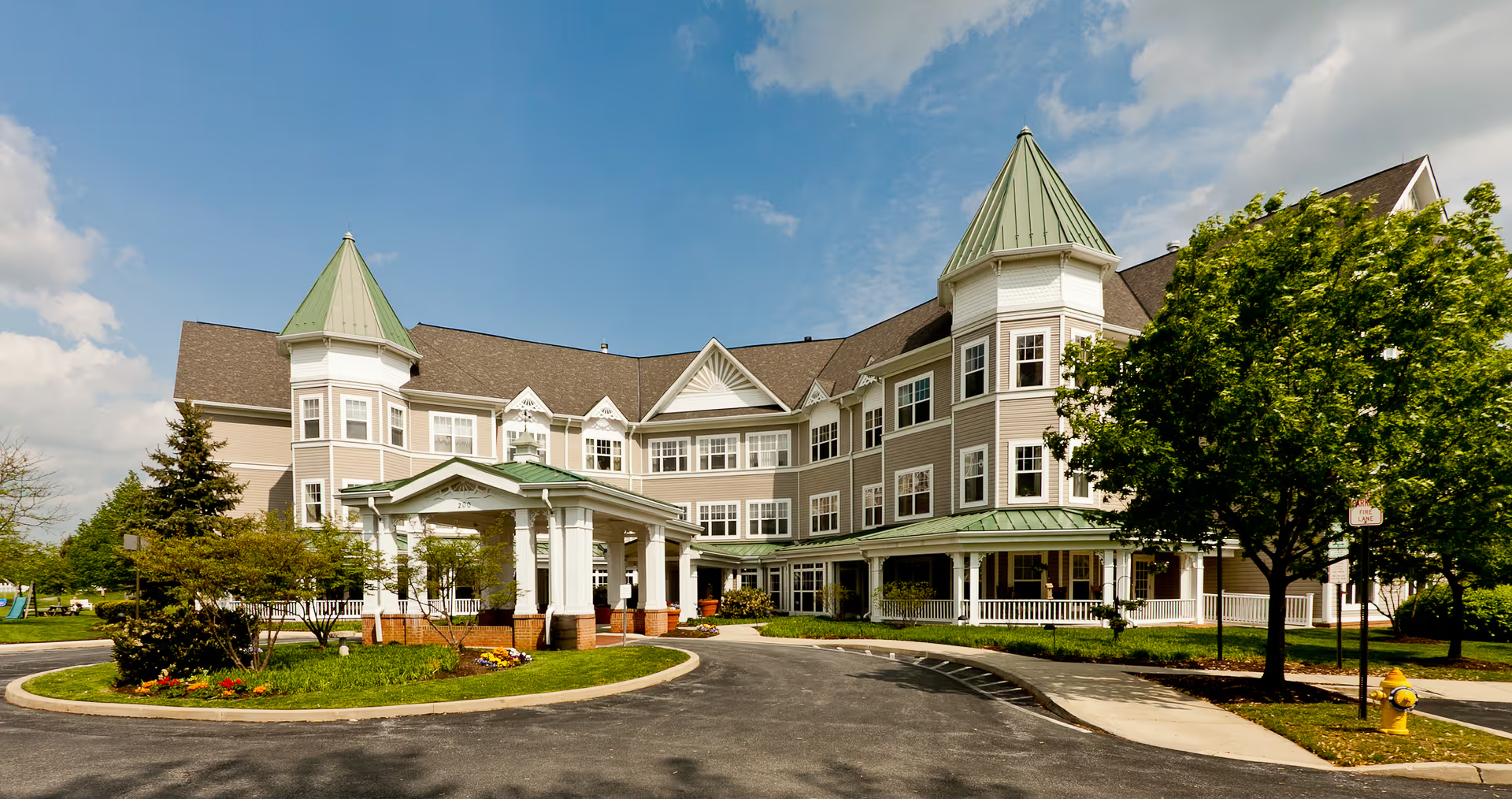
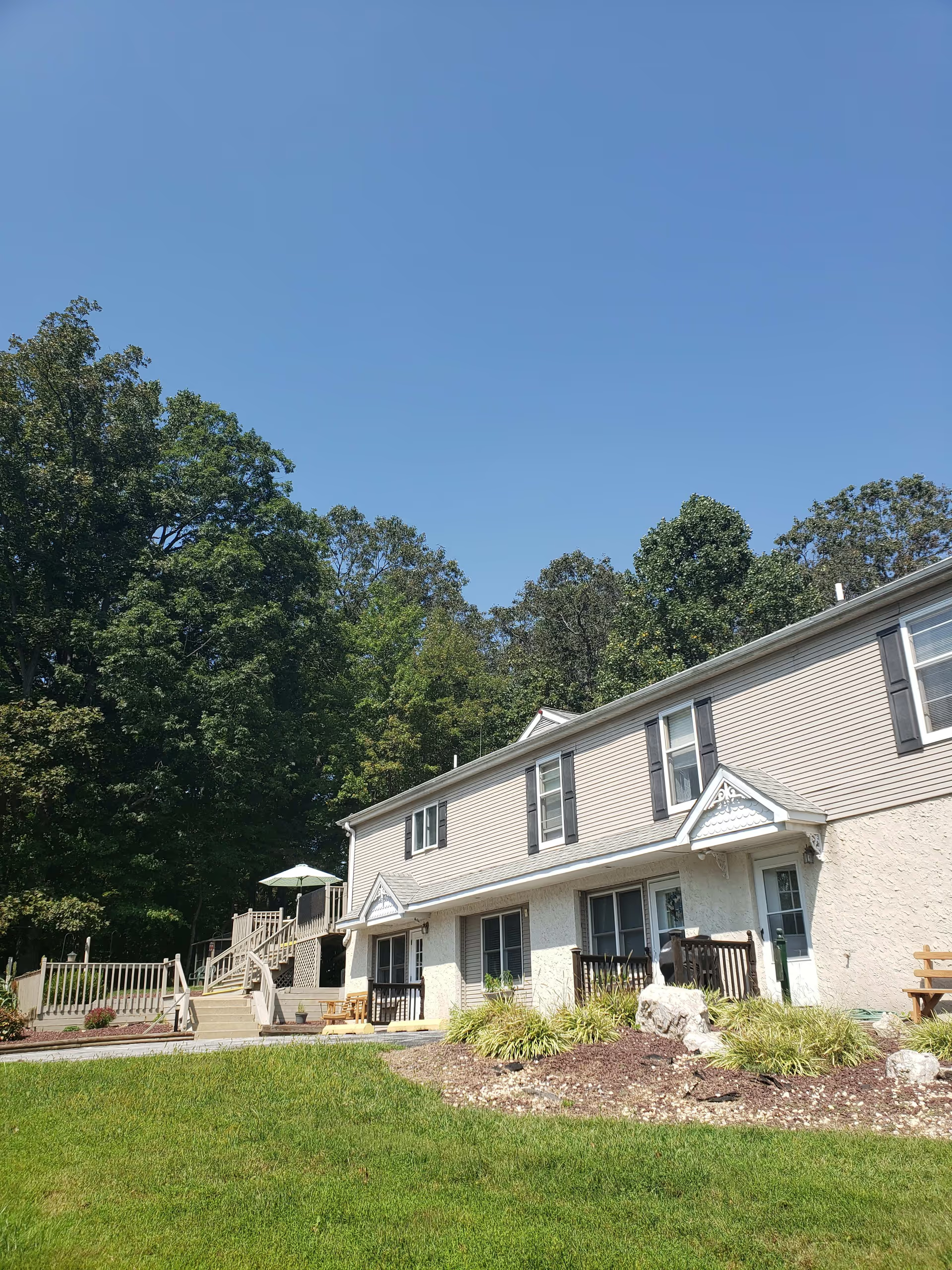
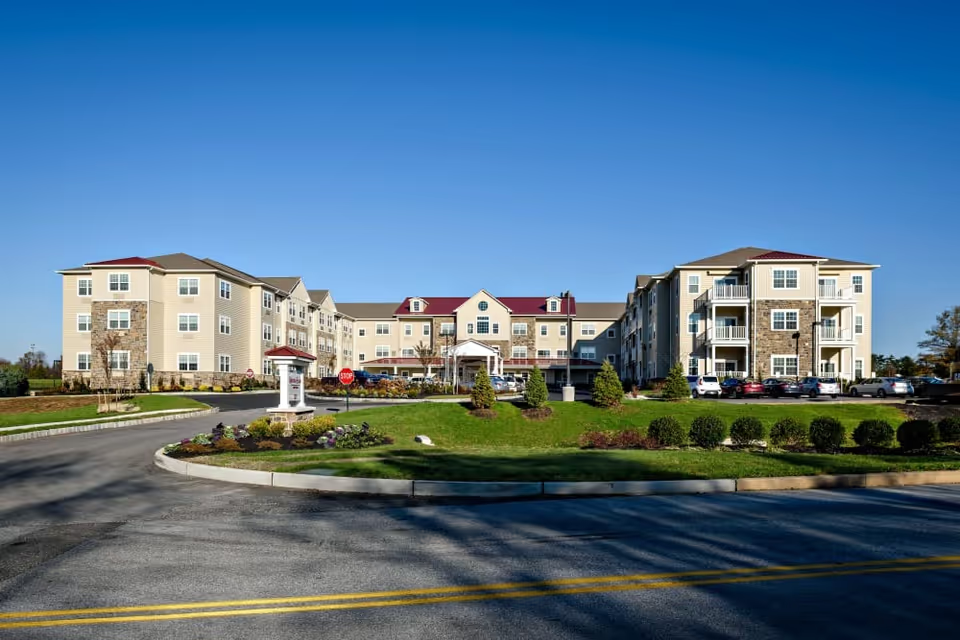
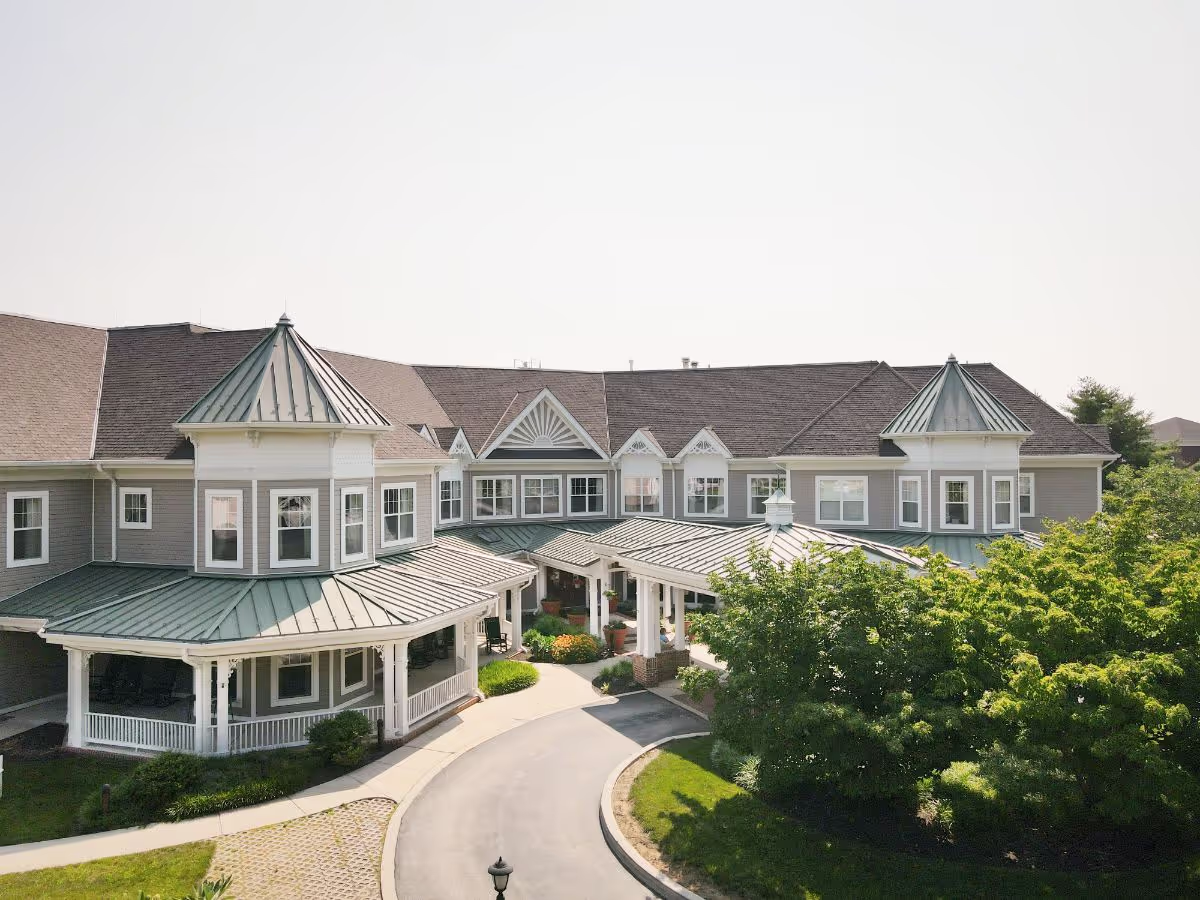
Facilities and maintenance: Physical plant feedback is mixed. Apartment layouts, kitchenettes, and private rooms are valued. Yet the building is described as older and sometimes showing deferred maintenance—elevator outages, HVAC/temperature-control variability, chipped cabinetry, and occasional cleanliness issues in common areas and grounds. Laundry and housekeeping services are available, but turnaround and thoroughness have been inconsistent by account.
Safety, infection control, and policies: Some reviews raise concerns about emergency response, circulation and egress obstructions, and inconsistent infection-control practices or communication around COVID measures. There are also references to restrictive dining-room rules and variable visitation practices in certain units. A few accounts describe serious post-incident concerns that families should explore in detail with administration.
Notable patterns and guidance for families: The overall impression is polarized: families who experience stable staffing and engaged direct-care teams report high satisfaction, particularly for memory care; other families encountering staffing gaps, communication failures, or maintenance breakdowns report significant dissatisfaction. Prospective residents and advocates should verify current staffing ratios and turnover data, ask about housekeeping and laundry schedules, request recent maintenance logs (elevator, HVAC), review medication-authorization and billing procedures, clarify mealtime assistance and beverage access, and tour multiple units at different times of day to observe activity programming and cleanliness. Also inquire about emergency protocols, family-communication practices, and how management addresses complaints and incident follow-up.
Conclusion: St. Martha Villa offers many strengths—compassionate caregivers, a well-regarded memory-care program, apartment-style living, and active social programming—but operational variability in staffing, housekeeping, dining, and building maintenance can materially affect resident experience. A focused, up-to-date inquiry during tours and conversations with leadership can help families determine whether the current operational profile matches their priorities and risk tolerance.