Country Meadows presents a largely favorable profile for prospective residents and families, with repeated praise for caregiving staff, memory-care services, and the facility environment. Many reviewers highlight compassionate nurses and aides, a visible focus on dignity and respect, and structured memory-care programming that includes art therapy, music sessions, reminiscence activities, and a Connection-style unit. Clinical supports such as on-site physical and speech therapy are noted as strengths that support residents’ functional needs and aging-in-place goals.
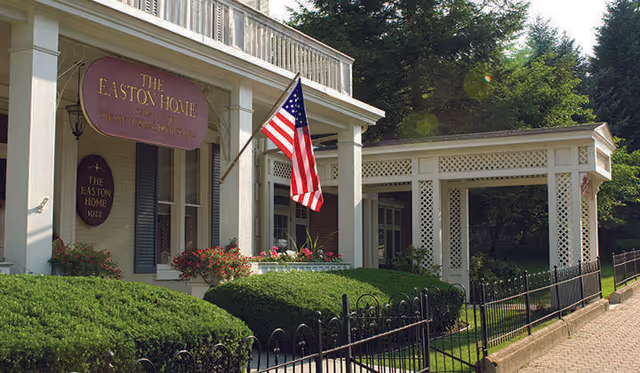
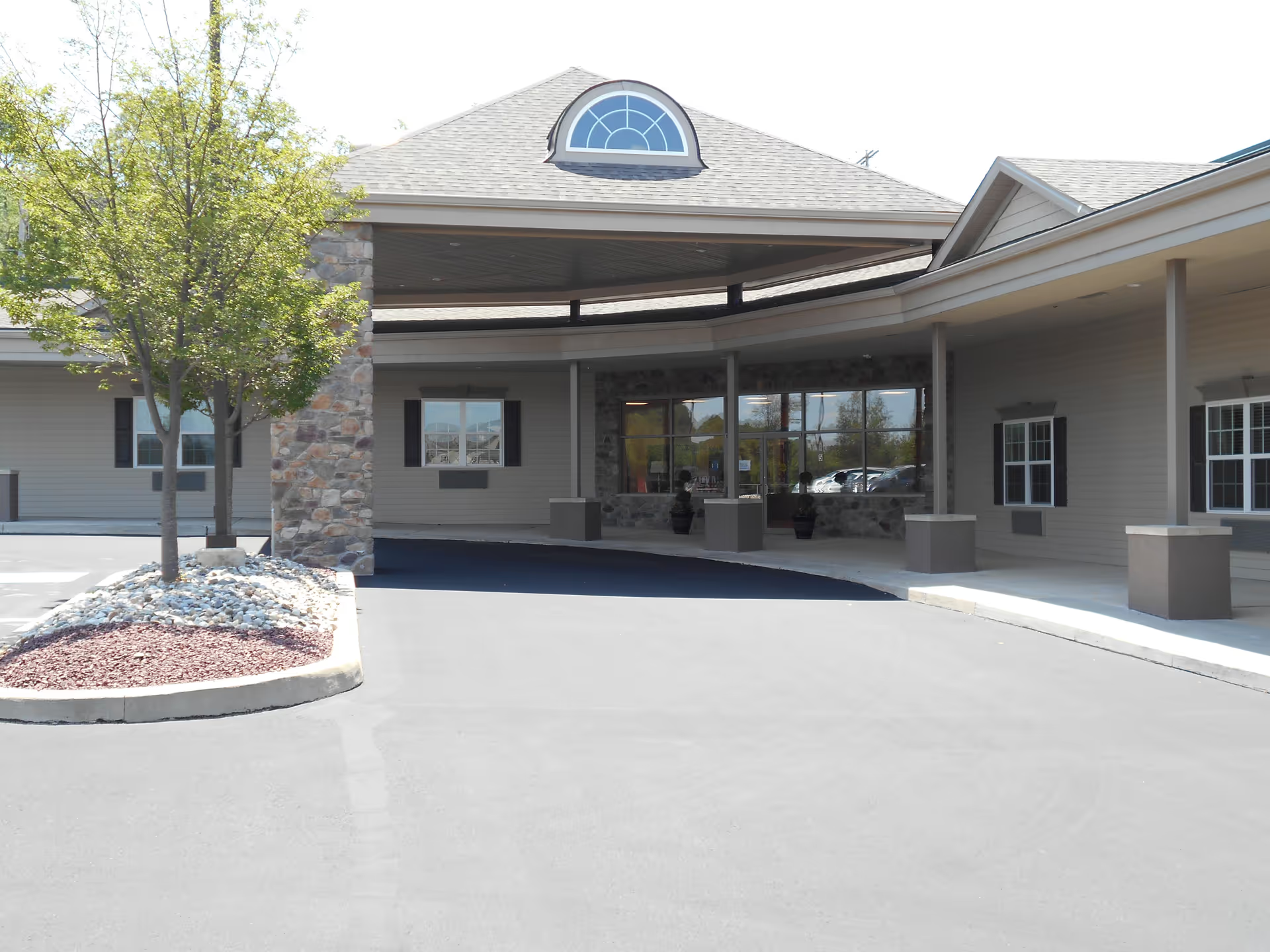
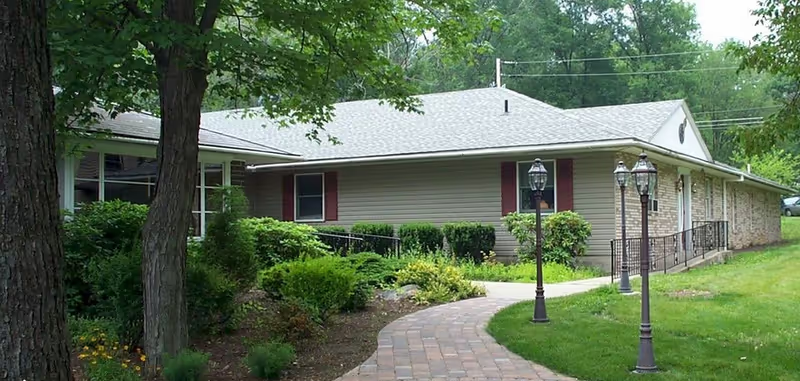
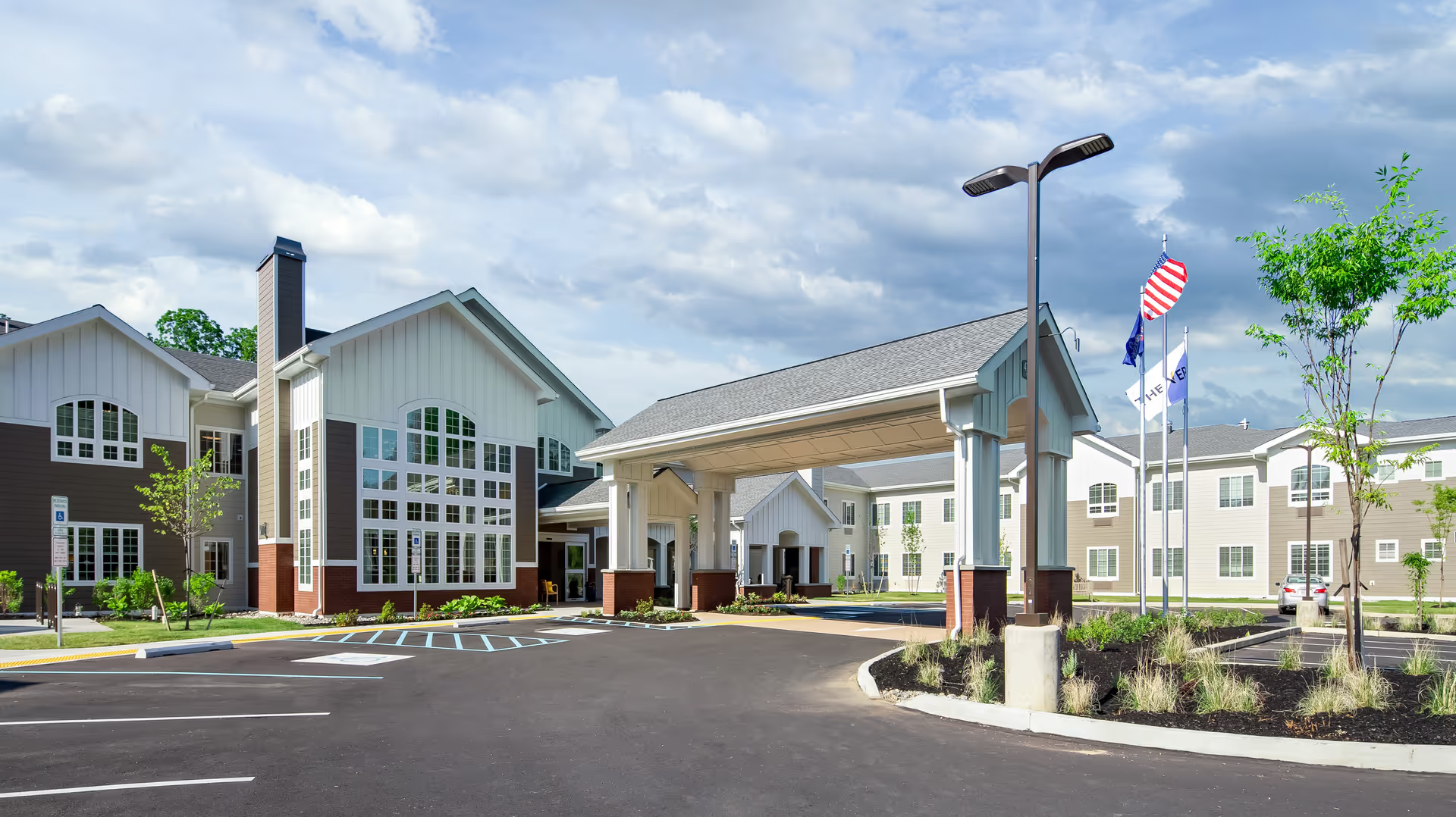
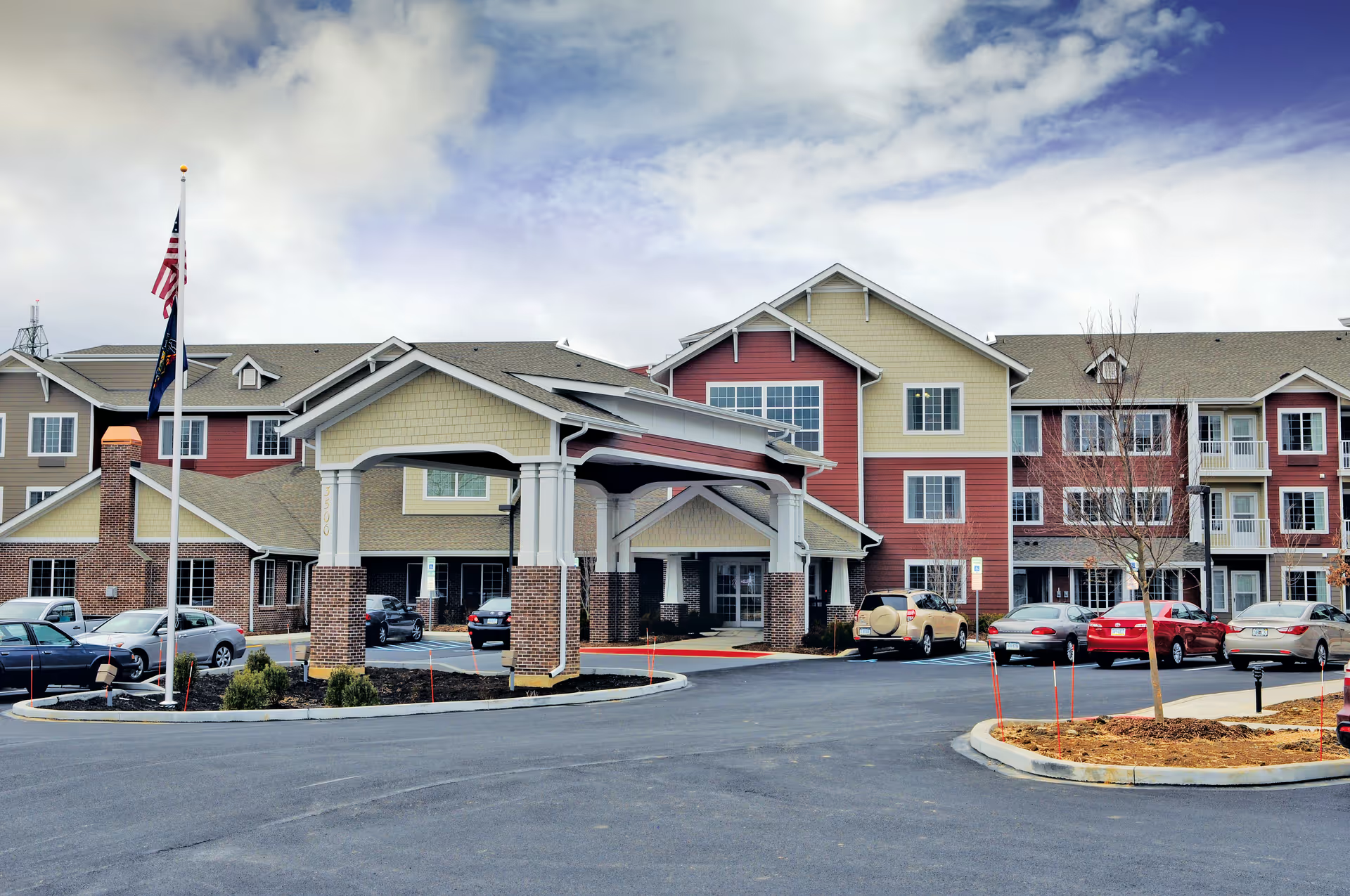
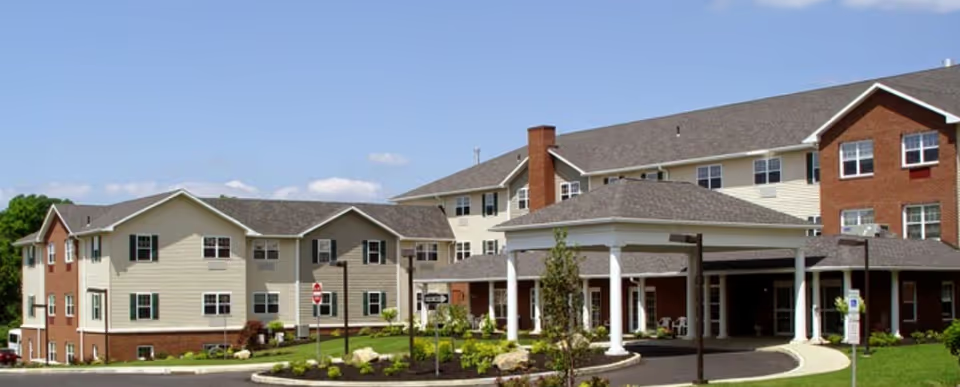
Staff and operational strengths are prominent in several areas. Housekeeping and support staff are described as attentive, and families commonly report warm greetings and staff who know residents by name. The activity program is comprehensive in scope: singing, bingo, arts and crafts, guest musicians, scheduled rides, happy hours and holiday recitals create a busy social calendar. The facility itself receives consistent praise — bright, hotel-like common areas, well-maintained grounds, accessible layouts that support ease of movement, safe bathrooms with grab bars, and an overall country-club atmosphere. Reviewers also mention positive dining-room ambiance and accessible amenities, with some describing a restaurant-style dining experience.
However, a distinct set of operational concerns recurs across feedback. Several reviewers raised issues about inconsistency in how activities are delivered and who is included; perceptions of favoritism by activity staff and uneven enforcement of schedules have led some residents to be left out of programming. Relatedly, families described variability in care continuity due to staff turnover, which can affect resident relationships and day-to-day consistency. There are also reports of uneven care quality between residents, and specific concerns about responsiveness to dementia-related behaviors, suggesting a need to clarify behavioral-management protocols and staff training continuity.
Dining and management-area concerns appear as sporadic but meaningful patterns. While many families praise the dining atmosphere, some comments cite inconsistent food quality. On the management side, a subset of feedback points to communication and complaint-handling frustrations, including perceived lack of transparency and uneven responsiveness from leadership. These issues contrast with other accounts that describe well-run administration and helpful, hands-on directors, indicating some variability in family experience.
In sum, Country Meadows offers a strong physical environment, a robust activity program, and many examples of compassionate clinical care — particularly in memory-care settings. Prospective families should weigh these strengths against operational variability flagged by reviewers: ask specific questions about staff turnover and continuity of care, how activity inclusion is managed, behavioral-health protocols for dementia care, dining-sample availability, and the facility’s approach to family communication and complaint resolution. Touring during active programming, meeting nursing and therapy staff, and reviewing contract/fee details can help assess whether the facility’s dominant strengths align with a specific resident’s needs and expectations.