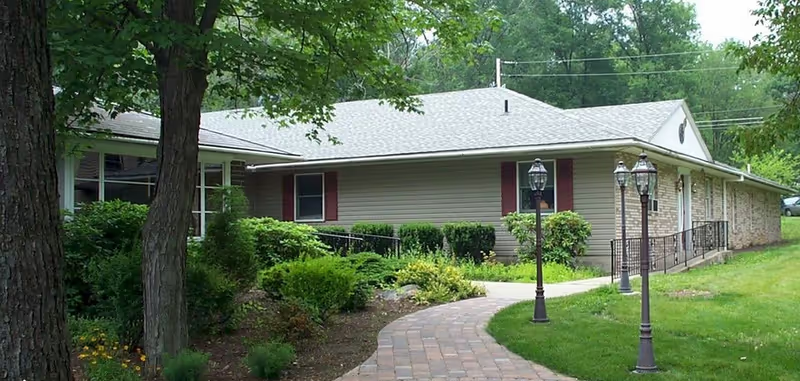
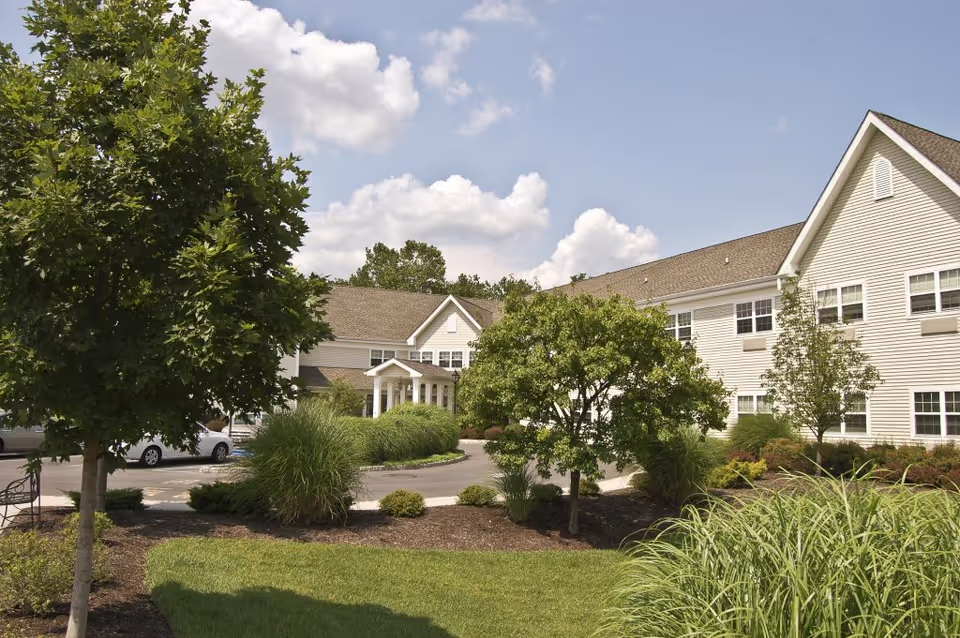
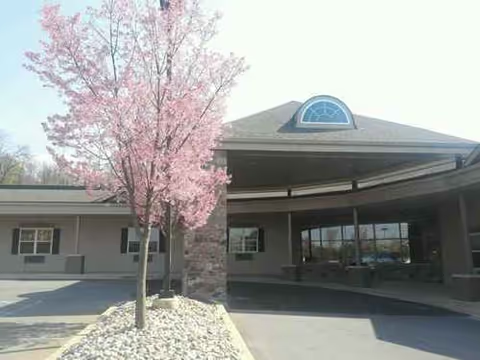
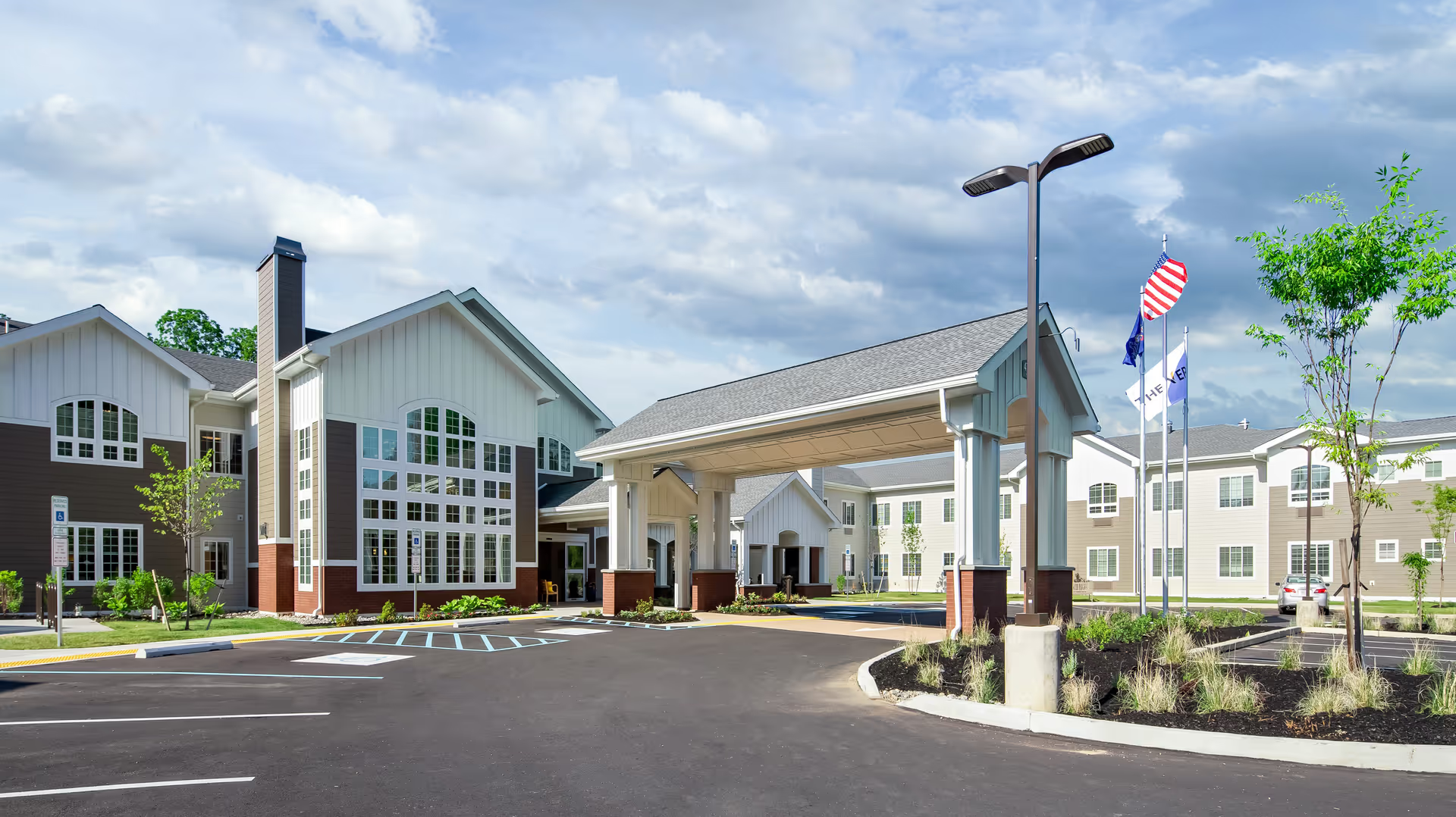
Asbury Chandler Estate presents as a tidy, bucolic senior-living community with a strong emphasis on independent living and a collegial, home-like atmosphere. Many accounts emphasize a clean facility, attractive grounds, and well-maintained common areas including a large activities room, library, dining rooms, and garden spaces. Housing options span independent cottages, downstairs apartments, and assisted suites; cottages are often described as comfortable and pet-friendly while some upstairs/assisted units are noted to be compact.
Staff and direct care are frequently identified as strengths. Reviewers praise compassionate, attentive employees and hands-on leadership, including an executive director who is described as accessible and flexible. Families often point to personalized attention delivered in a small resident population and timely, helpful answers from maintenance and kitchen teams. At the same time, there are recurrent concerns about inconsistent care experiences: understaffing and occasional delays in response to incidents are mentioned, and families considering higher-acuity care should seek current staffing and response-time information.
Dining receives mixed but specific feedback. Many reviewers compliment fresh, tasty meals prepared in a well-run kitchen and enjoy communal dining and snack times. Conversely, some describe repetitive menus or instances of lower-quality/frozen items. Overall, dining appears to be a strong feature for many residents but with variability that prospective residents may want to sample and discuss with administration.
Activity programming and social life are clear strengths: the facility hosts a variety of options (bingo, garden club, library activities, group meals, and large social areas) and residents are often described as upbeat and engaged. Accessibility to these programs can be limited for some cottage residents because on-site transportation to the main building is not consistently provided; non-drivers should ask about mobility support and scheduled transportation.
Facility design and amenities are generally well regarded. The wagon-wheel/short-hallway layout, secure common areas, and neatly kept cottages are positives. However, living-space constraints in some assisted or upstairs units—particularly limited private bathing facilities—are a practical limitation for residents who need greater privacy or accessibility. Some cottage units place more cleaning and maintenance burden on residents or families.
Administrative and safety patterns are mixed. While many families commend accommodating and friendly management, several accounts raise concerns about contract administration, financial transparency, and personal-property security; examples include disputes over negotiated rate changes, missing items, and disagreements about moving timelines. These describe operational gaps rather than universal practice, but they are material considerations: prospective residents should review contracts carefully, confirm written terms, and inquire about property-security measures and inventory/lockbox options.
Bottom line: Asbury Chandler Estate is often a good fit for older adults seeking independent living in a small, community-oriented setting with engaged staff, varied activities, and attractive grounds. Prospective residents and families considering assisted care or long-term financial commitments should perform due diligence around staffing levels, unit accessibility (private bathing and room size), dining consistency, transportation options for non-drivers, contract terms, and property-security arrangements before deciding.