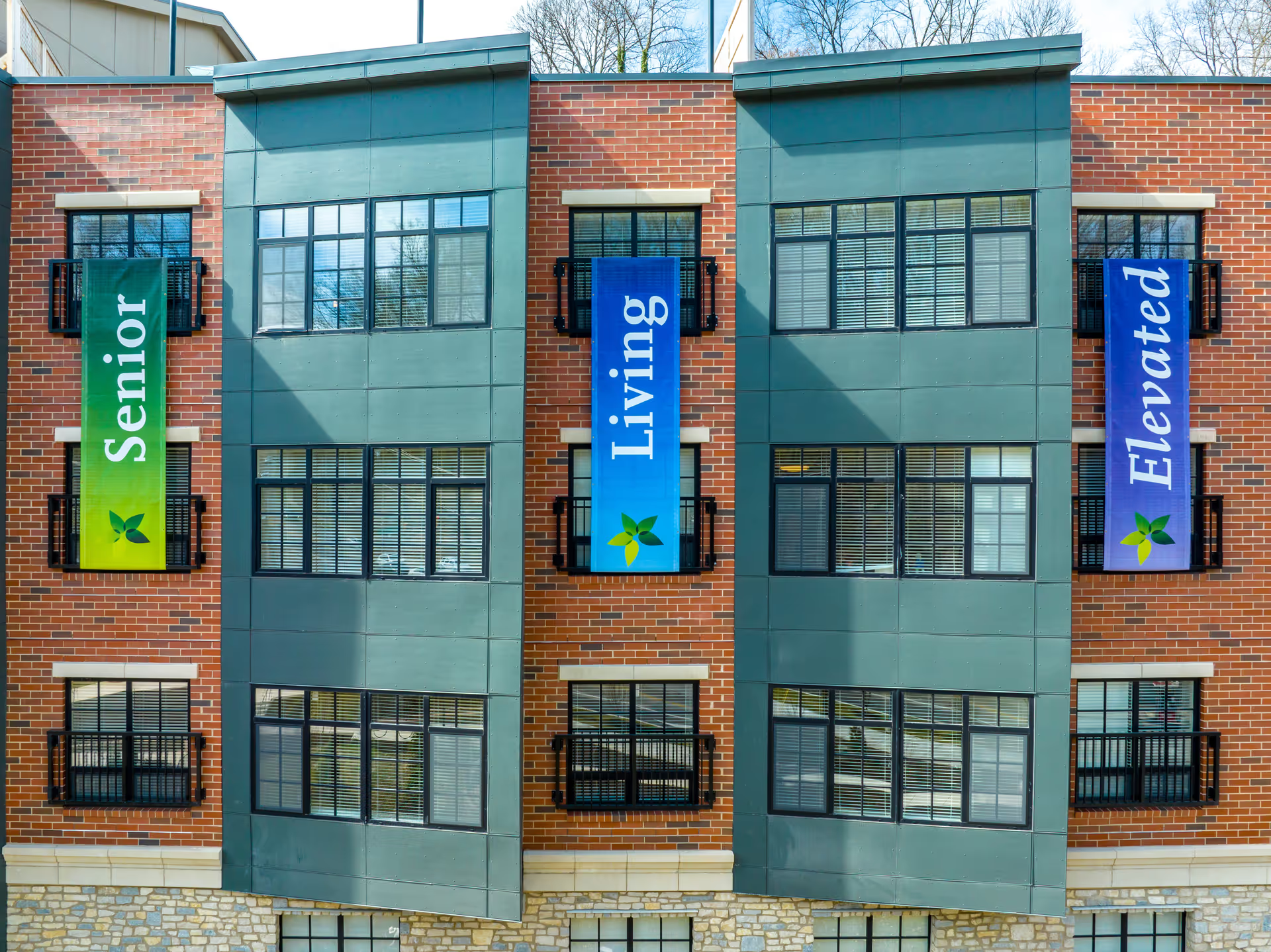
The reviews for Elkins Crest Health & Rehabilitation Center present a highly mixed picture with distinct strengths in therapy and interpersonal support alongside recurring operational and facility-level concerns. Many families and patients praised the rehabilitative services — physical, occupational and speech therapy — describing a well-equipped therapy gym and staff who are encouraging and effective in promoting discharge and functional improvement. Several reviewers also highlighted individual staff members, including CNAs, aides, social workers and front-desk personnel, as compassionate, attentive, and willing to go beyond routine duties, and some short-term stays were characterized as successful and recovery-focused.
At the same time, a consistent pattern of facility and operational deficiencies emerges. Cleanliness and sanitation issues in rooms, bathrooms and common areas are a repeated theme, accompanied by odor concerns and complaints about linen and housekeeping management. Reviewers described incontinence-care delays and inconsistent bathing or toileting assistance, which contributes to worries about daily personal care practices. The building itself appears to show signs of aging and deferred maintenance — problems such as broken fixtures, damaged furniture, windows and HVAC irregularities were noted — which affects resident comfort and perceptions of safety.
Clinical and managerial processes show variability. Several reviewers reported delayed nursing responses, missed or incorrect medications, and minimal or inconsistent discharge instructions, indicating gaps in medication-management and clinical oversight. Communication problems were reported at multiple levels: between shifts, between staff and families, and regarding infection-control events (including COVID-related transparency). There are also descriptions of unprofessional staff conduct (for example, heated exchanges at nursing stations and poor tone in resident interactions), as well as requests for better evening coverage and more consistent supervision during shift changes.
Dining and activities are similarly mixed. Some reviews commend the food, flexible meal options and an active, engaging activities program that supports socialization and mental stimulation. Others flagged unreliable meal service and failures to meet dietary accommodations (diabetic, low-sodium, non-dairy), suggesting inconsistent kitchen practices. Security and safety processes merit attention: reviewers raised concerns about resident supervision, unauthorized room access, fall risk, and the clarity of emergency/fire-protection systems. Pest-control concerns and allegations of theft or mishandling of personal items were also mentioned, which would warrant investigation.
Overall, the pattern is polarized: strong rehabilitative therapy and several dedicated staff members generate positive outcomes and gratitude from families, while pervasive operational shortcomings — cleanliness, maintenance, clinical responsiveness, communication, and safety protocols — produce frequent adverse impressions. Prospective residents and families should weigh the facility’s rehabilitation strengths and individual staffing positives against the operational issues described, and consider on-site inspection, specific questions about infection-control procedures, medication and discharge processes, evening staffing levels, housekeeping schedules, and contract/billing clarity before placement.