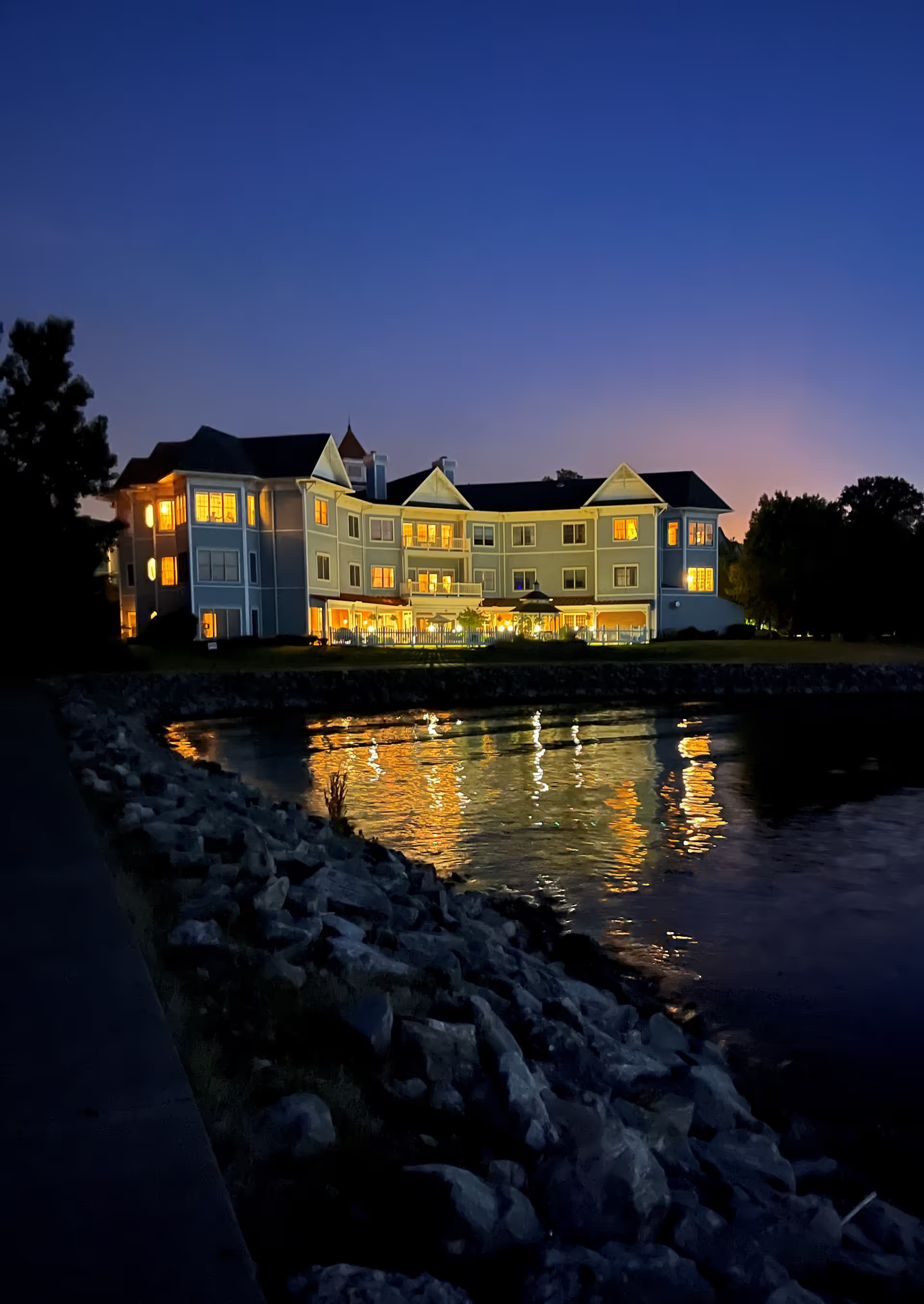
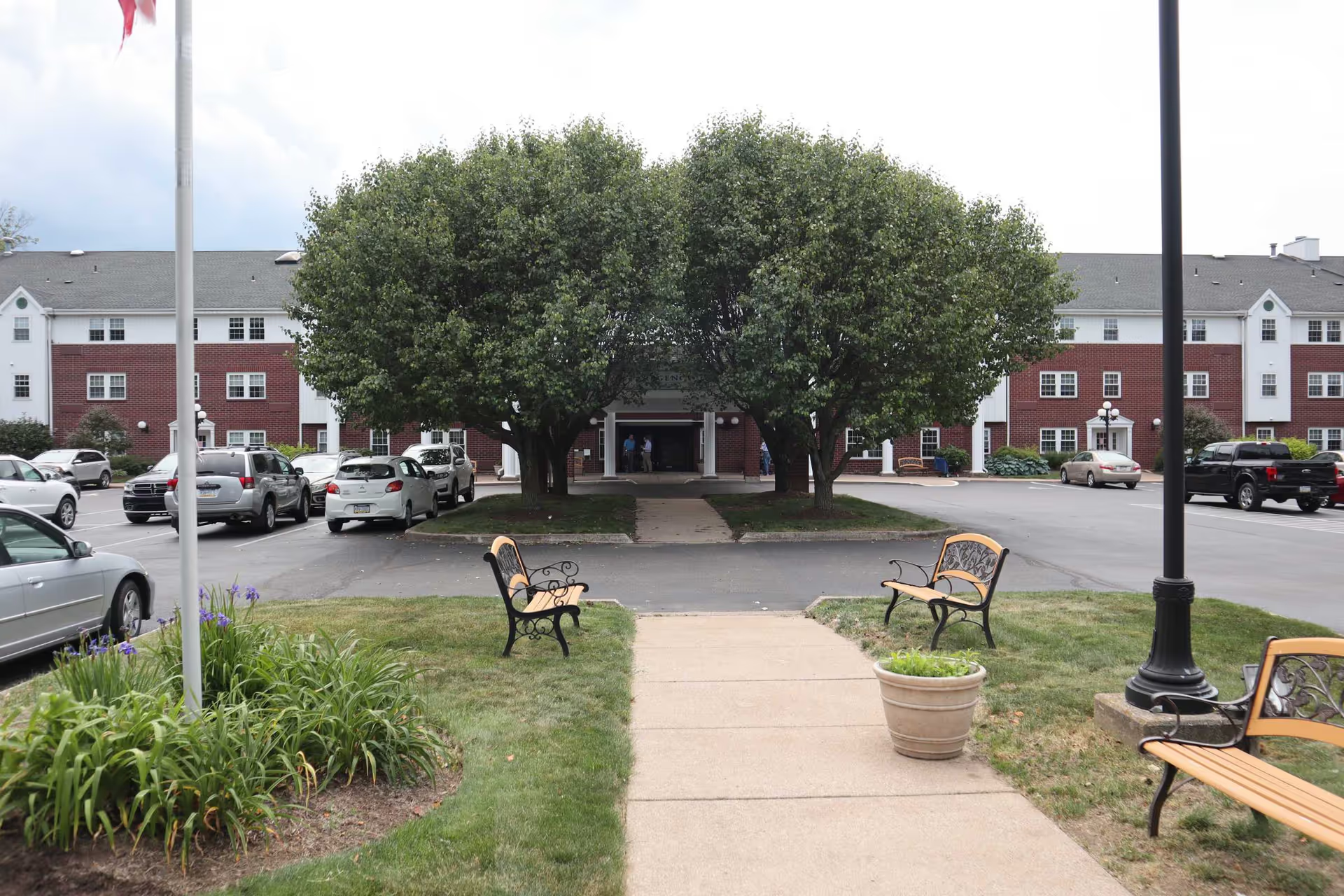
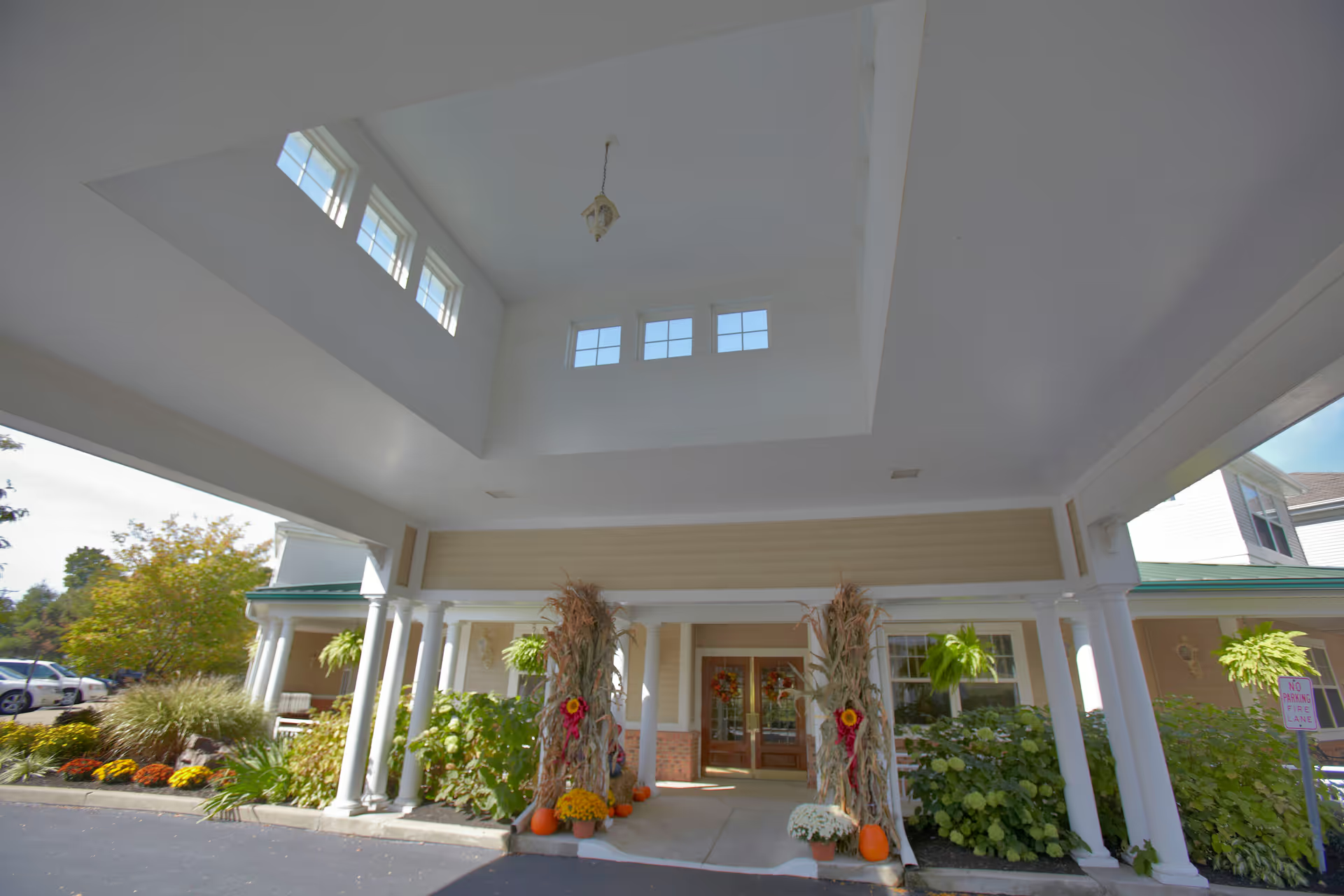
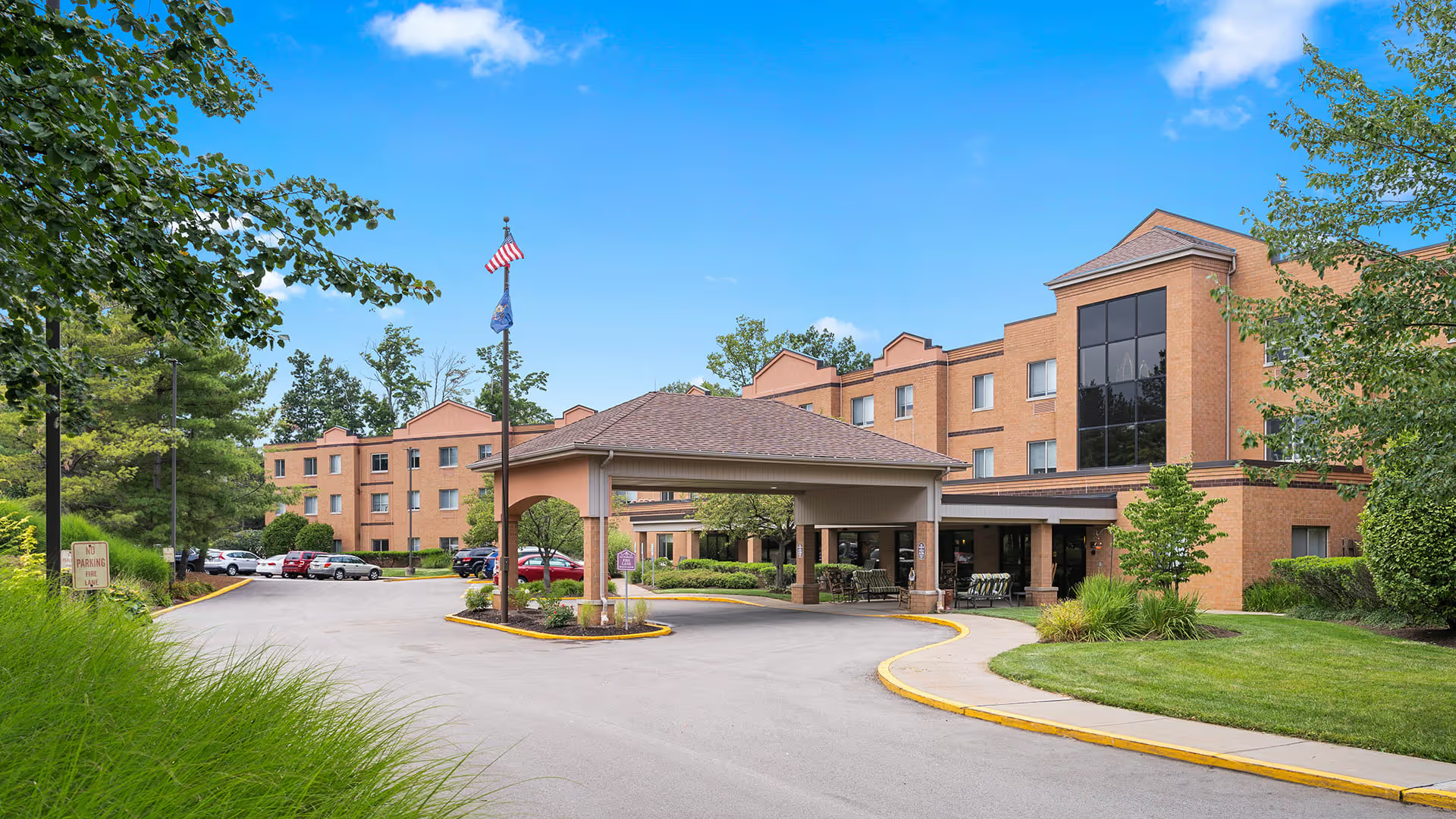
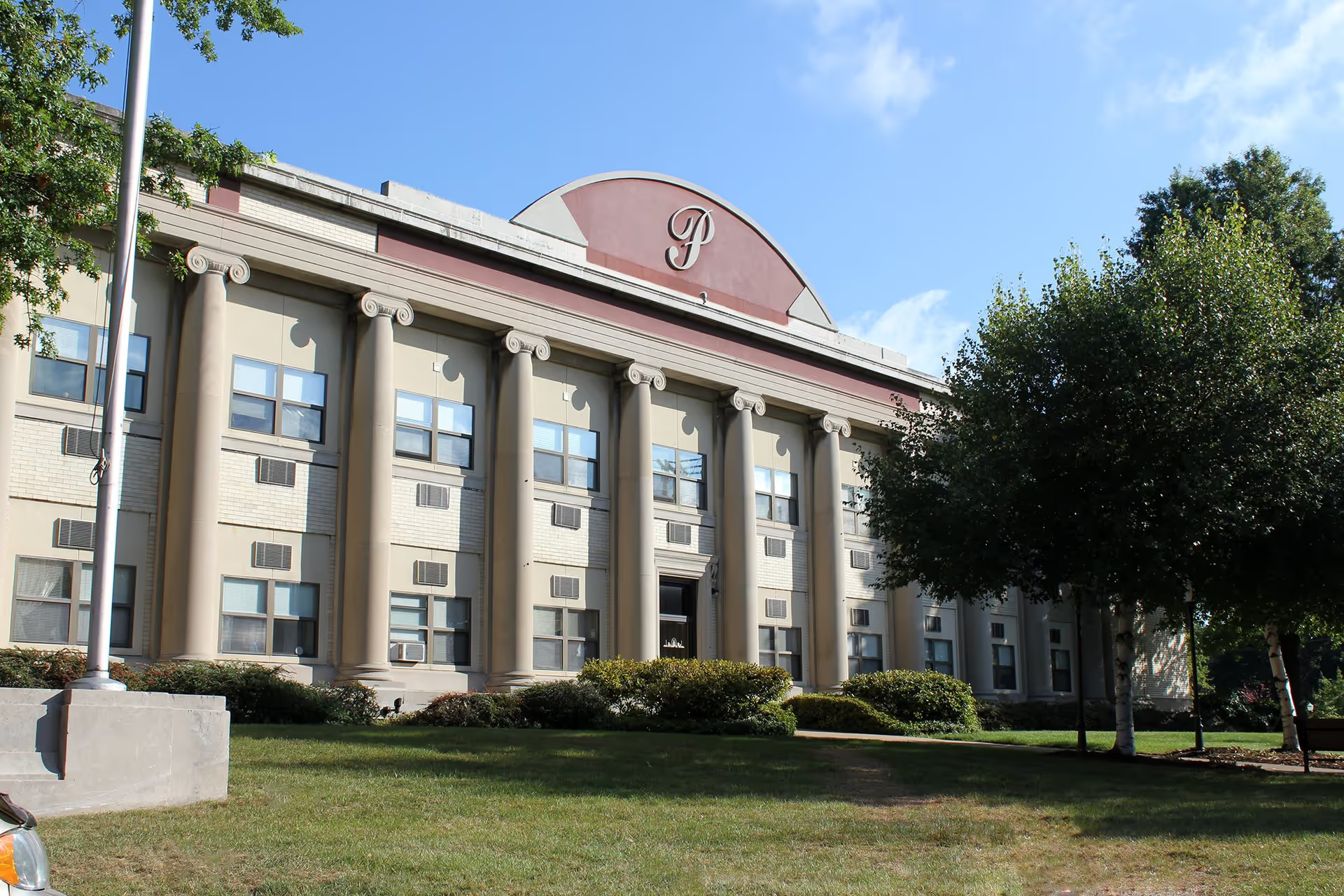
The Pennsylvania Soldiers' and Sailors' Home presents a mixed but distinct profile: it is strongly centered on veteran identity, historic character, and community engagement, while also exhibiting several operational weaknesses that families should evaluate. Reviewers emphasize the facility's strengths around veteran-focused programming, visible ceremonial respect, and frequent volunteer-driven events that connect residents with local school groups, scouts, and seasonal activities. The campus itself is repeatedly described as historic and scenic—large grounds, a chapel with notable stained glass, museum displays and cemetery—creating a palpable sense of place and nostalgia.
Care quality and clinical operations are an area of divergent experience. Many reviewers praise individual caregivers, nurses, and aides as attentive, professional, and capable—several accounts note rapid assessment and timely hospital transfers when needed. At the same time, there are consistent themes of inconsistent personal care: some families expressed that promised services were not always delivered, and there are reports of delays in attending to resident needs. These patterns point to variability in how care standards are applied across shifts or units rather than a uniform level of performance.
Staffing and interpersonal interactions follow a similar split. Numerous comments highlight friendly, knowledgeable staff and positive tour experiences that made prospective residents comfortable. Conversely, other comments document variable staff professionalism and communication tone, with isolated instances of unsatisfactory conduct. This suggests the facility relies on many dedicated employees but may have uneven training, supervision, or staffing consistency that affects resident experience.
Dining and everyday services are described in generally functional terms—food is available and the environment is described as open and sunny—but cost/value is a concern for some families. A few reviewers felt that fees or rent were high relative to the scope of services provided, indicating that the facility's service package and fee structure deserve close review during placement conversations.
Activities and social programming are clear strengths. The home offers wholesome, veteran-centric activities: storytelling, musical performances, holiday singing, summer carnivals, and intergenerational exchanges like children’s cards and scout visits. These programs contribute to a social atmosphere many residents find rewarding and help sustain a strong communal identity.
Facilities and campus management benefit from the site's historical assets and large acreage. Reviewers describe well-maintained grounds, striking art and historic features, and a generally clean common environment. Operational concerns focus on safety monitoring and transportation: family observations include gaps in surveillance or supervision and specific concerns about vehicle/transport safety, indicating oversight and policy areas that require attention. Additionally, there are serious concerns raised about financial oversight, including allegations of misuse of funds; such claims merit follow-up with facility management and appropriate oversight bodies.
In sum, prospective residents and families will find notable positives—strong veteran culture, meaningful activities, committed clinical staff, and a historic, peaceful setting—offset by operational inconsistencies that can affect day-to-day care and safety. Key due-diligence steps would include asking for recent staffing ratios, incident and transportation-safety policies, documentation of financial controls and audits, examples of how the facility ensures consistent care across shifts, and a detailed explanation of costs versus included services. Visiting during an activity and speaking with current residents and family members can help confirm whether the facility’s strengths align with an individual’s priorities and risk tolerance.