The reviews present a mixed but coherent portrait of St. Mary’s Home of Erie. Strengths consistently cited center on rehabilitation services: knowledgeable physical and occupational therapists, individualized therapy plans, good family involvement, and measurable functional improvement for many residents. Therapy teams and some nurses and aides are frequently described as attentive, compassionate, and outcome-focused. Several reviewers also praised front-desk and unit-level staff by name, and many noted effective aftercare and timely follow-up communication after discharge.
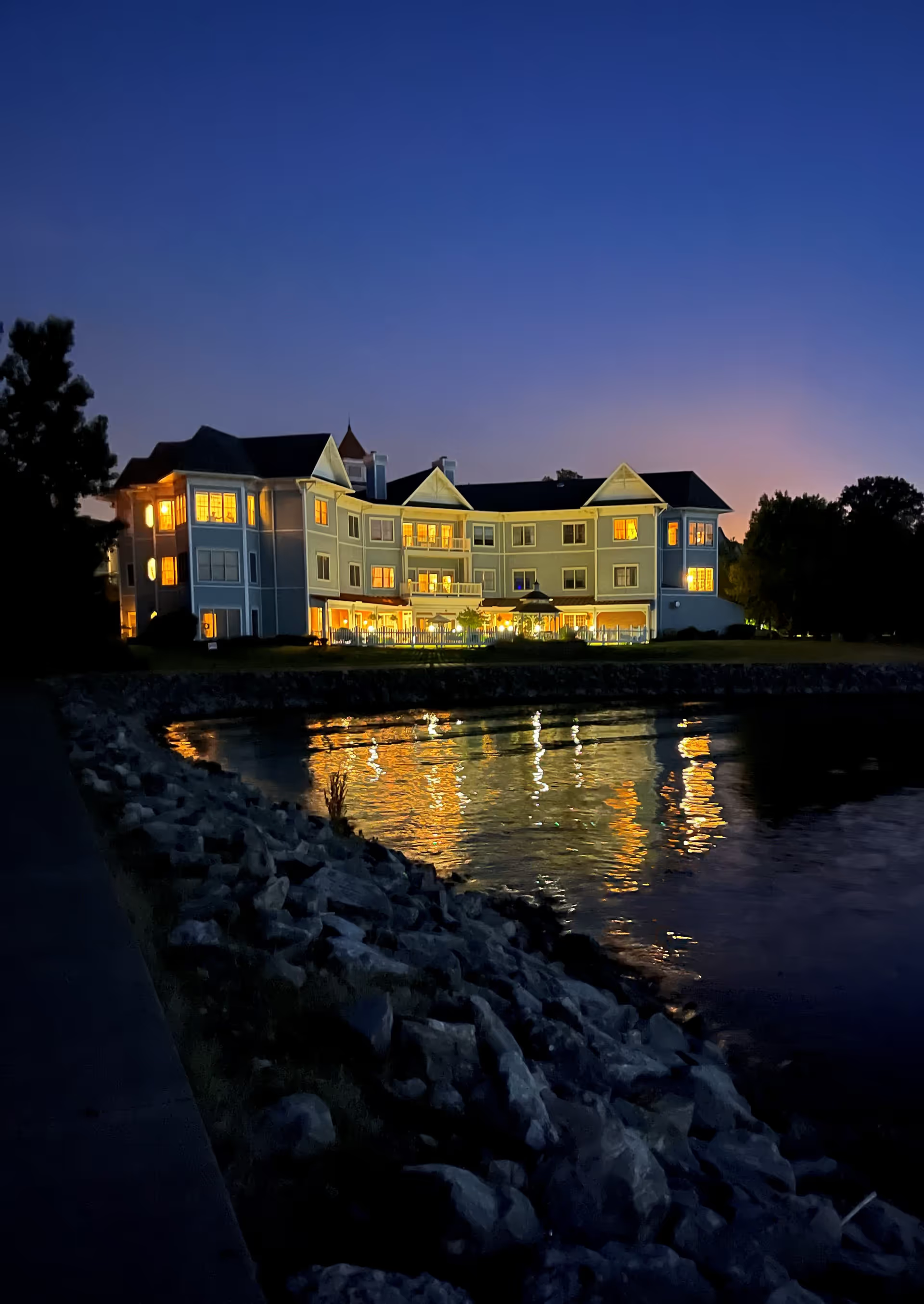
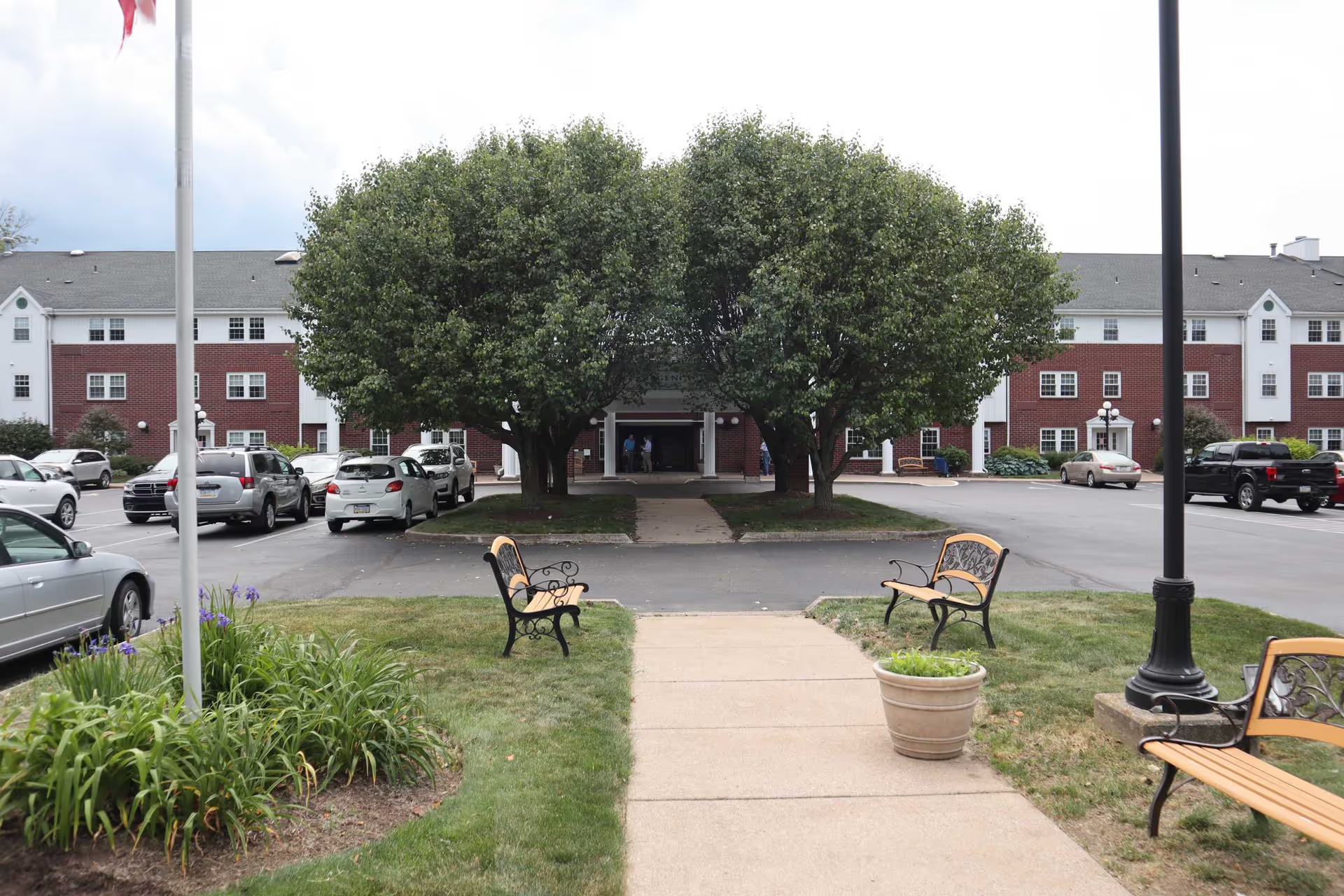
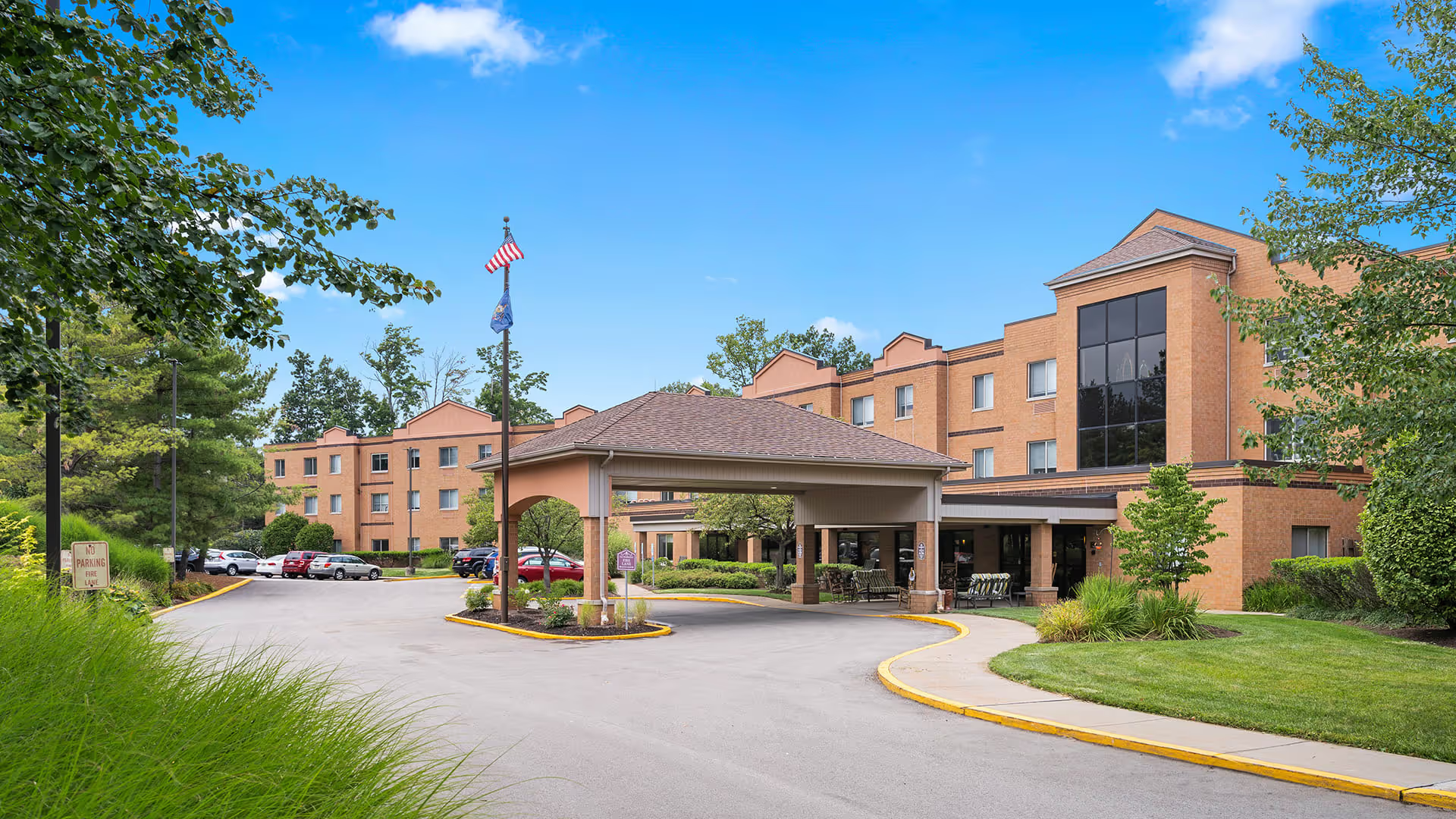
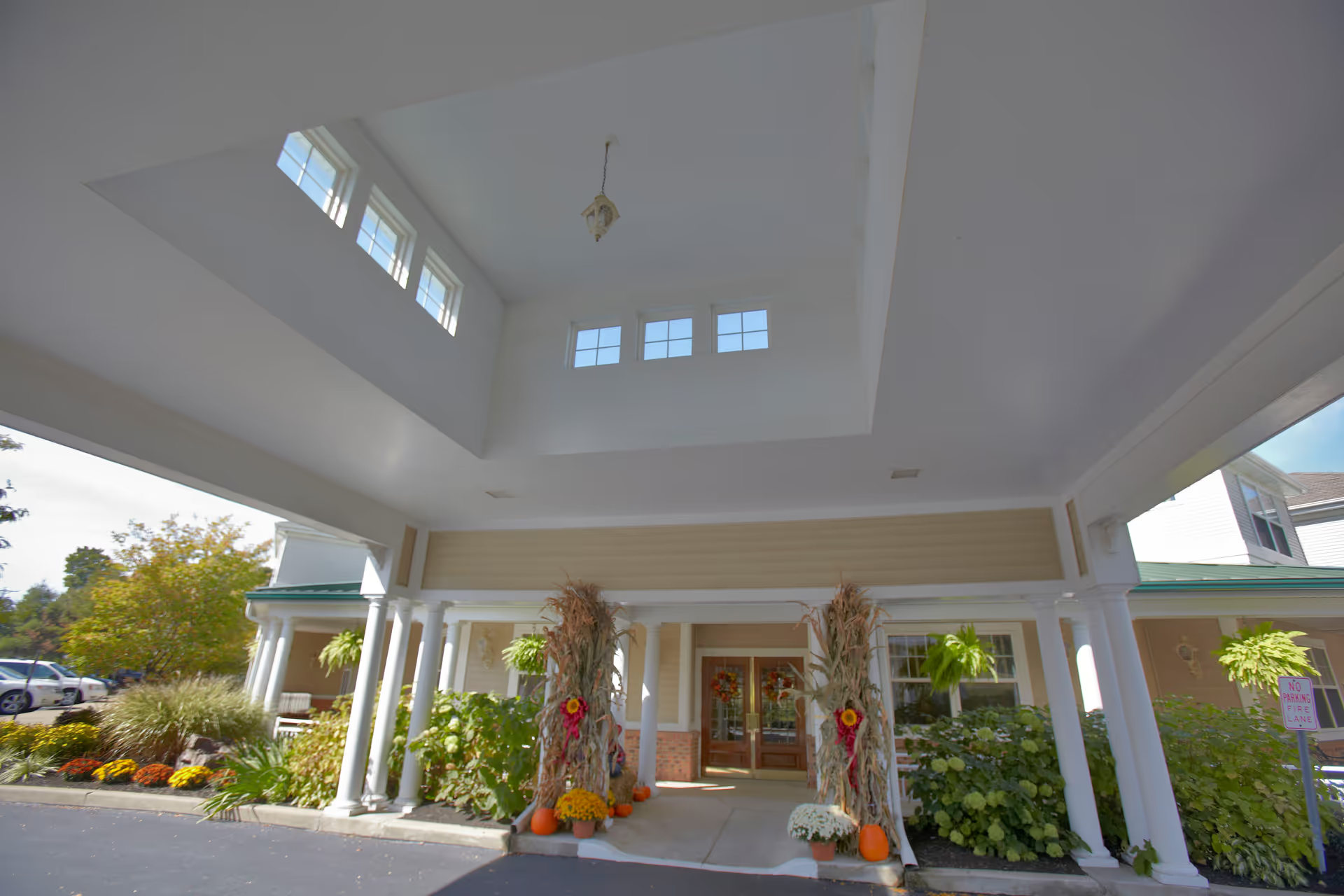
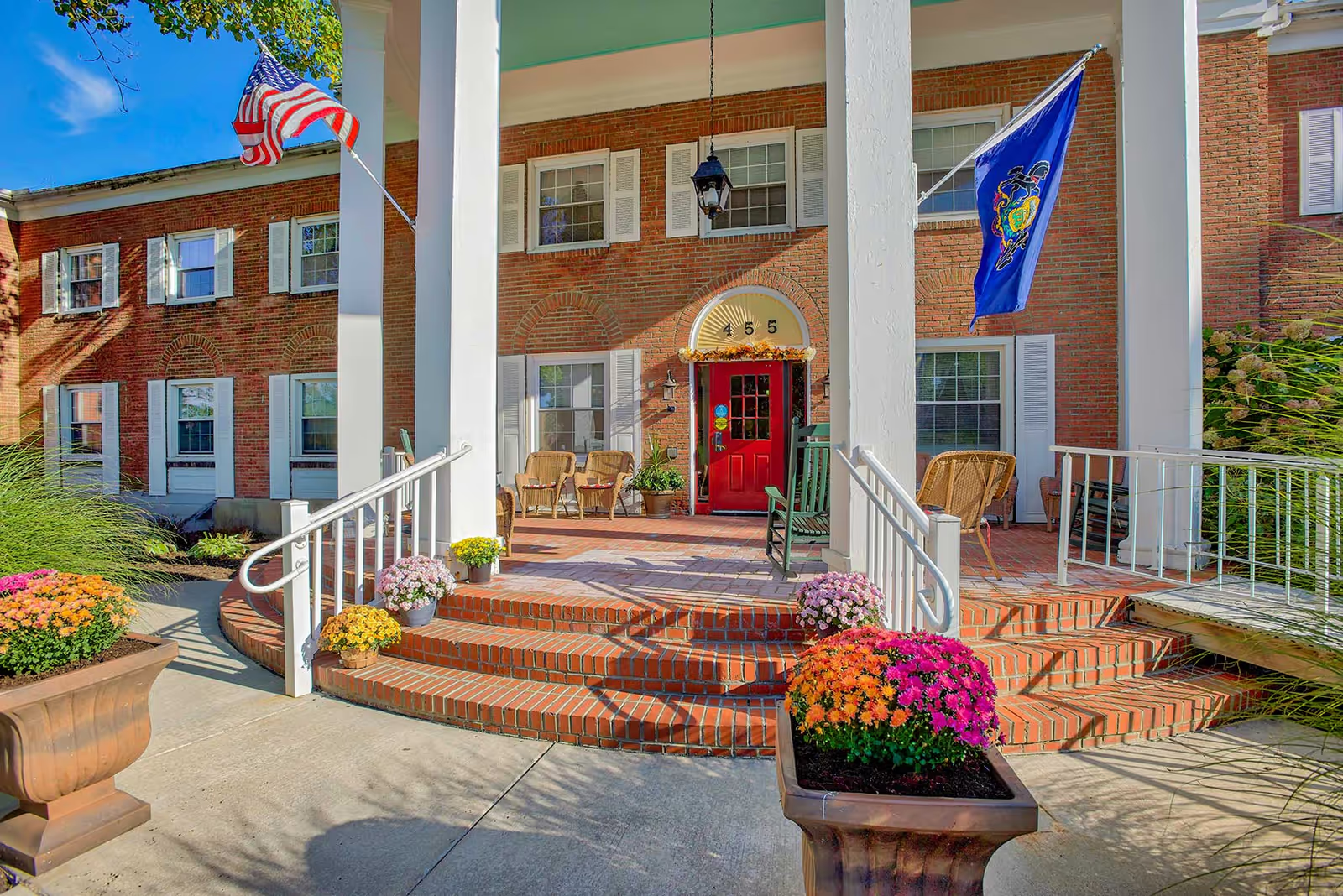
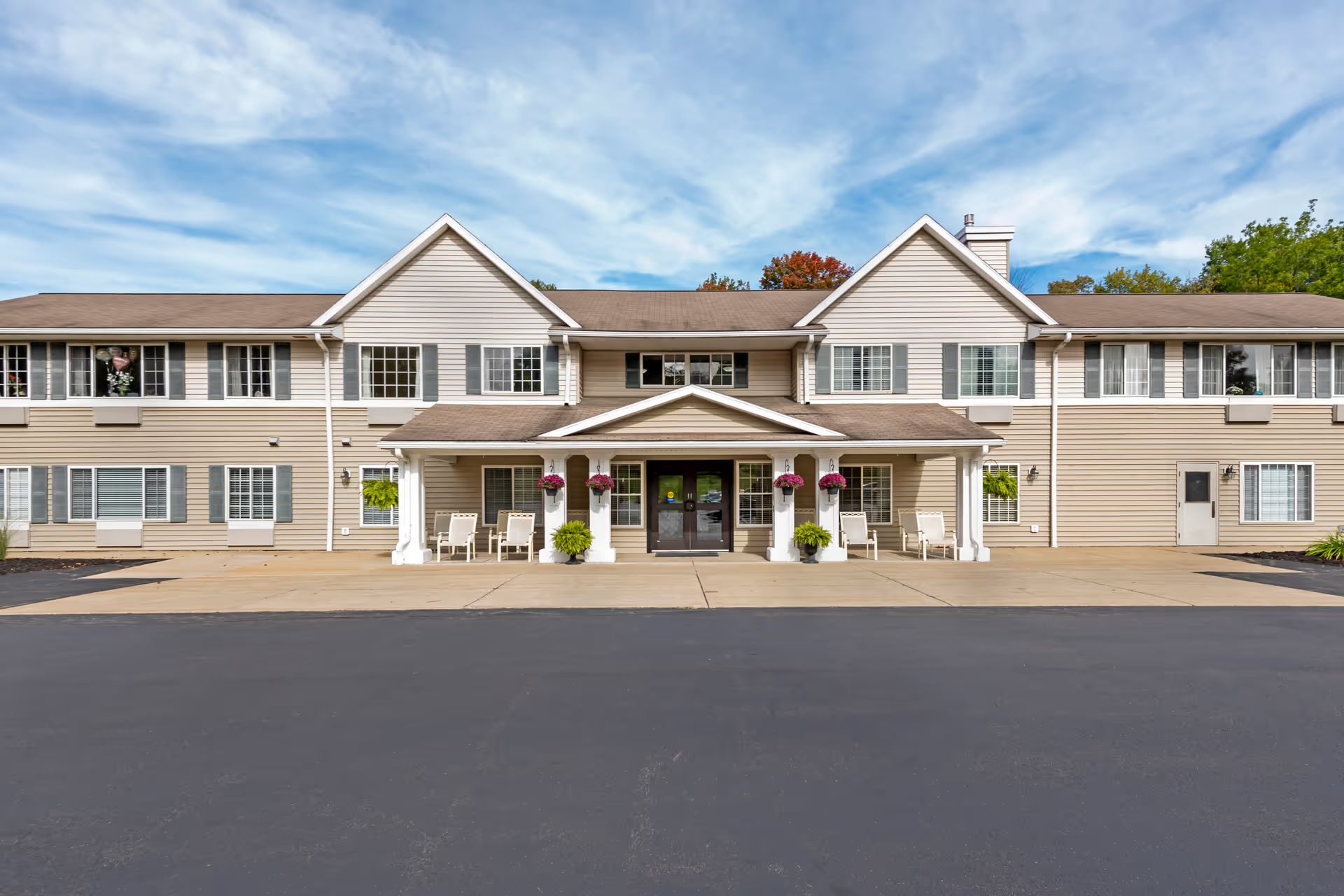
Facility and amenity feedback is generally positive. Multiple comments highlight a clean, modern building, well-maintained grounds, comfortable rooms, scenic views, and an attractive dining area. Activities programming and maintenance responsiveness receive favorable mentions. Dining and nutrition support are sometimes called out as a strength—particularly when a nutritionist tailors meals—but reviewers are split on overall food consistency and the social dining experience.
Recurring operational concerns are notable and cluster around staffing, communication, and care continuity. Many reviewers described inconsistent staffing levels, a reliance on temporary or agency staff, and meaningful variation in care quality across shifts (with daytime/first shift typically rated better than later shifts). Those patterns are associated with delays in call‑bell response and assistance, uneven room-cleaning and linen changes, and occasional challenges in medication- and incident-related documentation. Several families expressed frustration with discharge coordination, delayed or late discharges, and difficulty obtaining complete clinical records; there are isolated allegations of missing belongings and incomplete incident reporting.
Management and communication also emerge as mixed. Some reviewers praised responsive nursing leadership and administrative staff who addressed issues promptly; others described gaps in communication, inaccurate information given to families, and a perception that management was too busy to resolve medical or logistical concerns. The facility’s strengths in therapy and maintenance appear mitigated, in some cases, by operational weaknesses that affect day-to-day resident experience—particularly during understaffed shifts.
For prospective residents and families: the facility demonstrates clear strengths in rehabilitation, therapy outcomes, and physical environment. If clinical continuity, timely personal assistance, and a consistently staffed nursing presence are priorities, consider asking targeted questions during a tour: inquire about typical staff-to-resident ratios by shift, use of agency staff, call‑bell response expectations, policies for incident reporting and records access, and discharge planning procedures. Visiting during different shifts and speaking with recent family members can help gauge whether the facility’s operational practices match its clinical and amenity strengths.