Twinbrook Healthcare and Rehabilitation Center elicits a strongly mixed set of experiences. Many families highlight genuine strengths: several reviewers praised compassionate, attentive nurses and aides, effective speech and physical therapy services, and competent wound care and hospice coordination. Front‑desk staff and some administrators receive positive mention for approachability, and there are indications of tangible facility improvements and energized leadership under newer management. In multiple accounts therapy services and individual clinicians delivered meaningful functional gains and comfort at end of life.
At the same time, reviewers describe recurring operational weaknesses that create variability in the overall standard of care. Clinical processes appear inconsistent: accounts describe delays in patient evaluation, problems with medication ordering and administration, and examples where staff did not follow through on care plans or physician orders. These issues point to gaps in medication‑management controls and in clinical handoffs rather than isolated clinical skill deficits. Families also reported difficulty reaching caseworkers or receiving timely updates, suggesting shortcomings in family communication and interdisciplinary coordination.
Staffing and conduct are another pattern of concern. Several narratives indicate limited staffing levels—particularly on weekends—long waits for assistance with toileting or transfers, and uneven staff competency. While some staff are repeatedly praised for going above and beyond, others were described as unprofessional in tone, inattentive to privacy during in‑room conversations, or insufficiently trained in bedside assistance. These mixed reports suggest that staff performance and conduct are uneven across shifts and units.
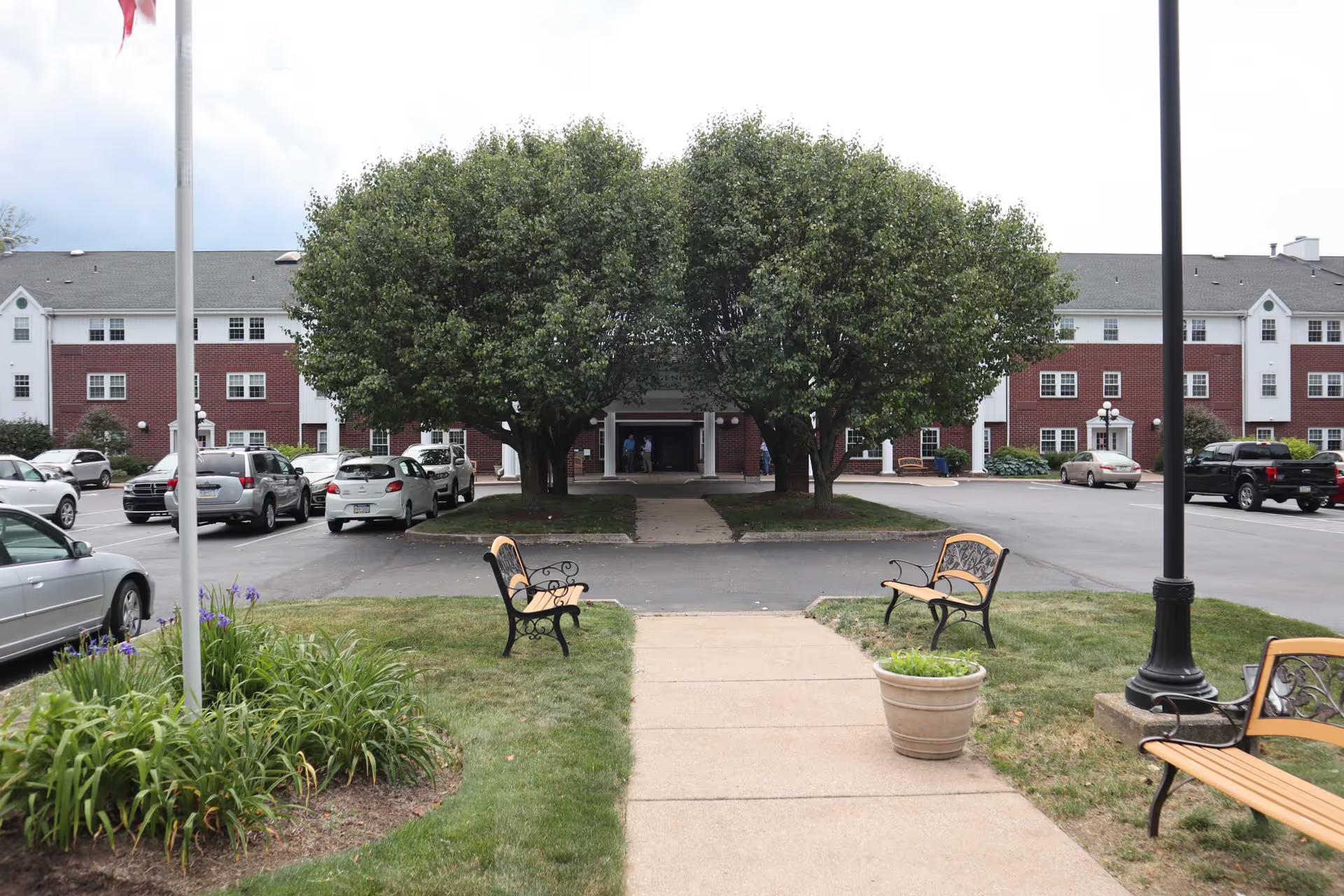
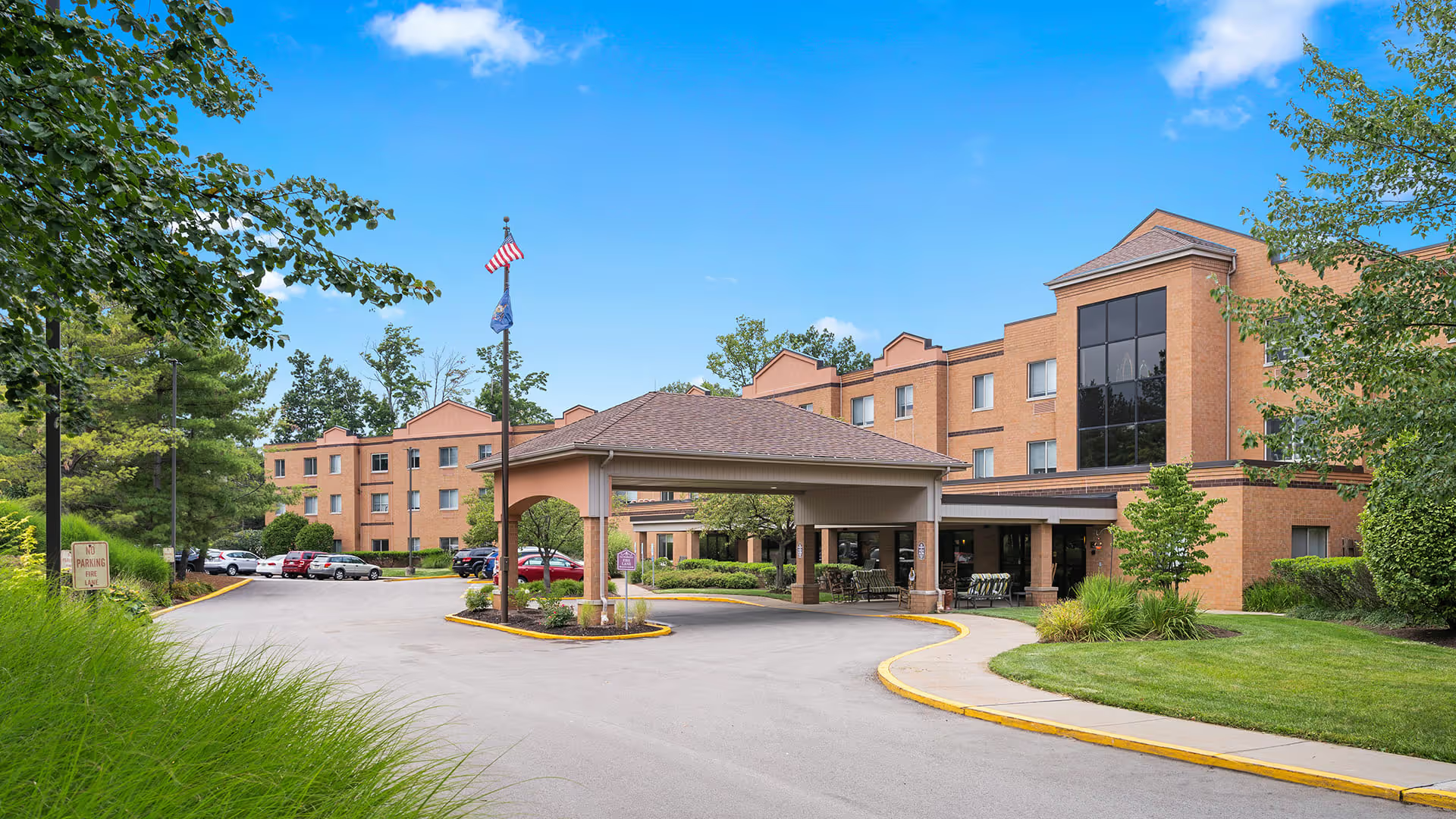
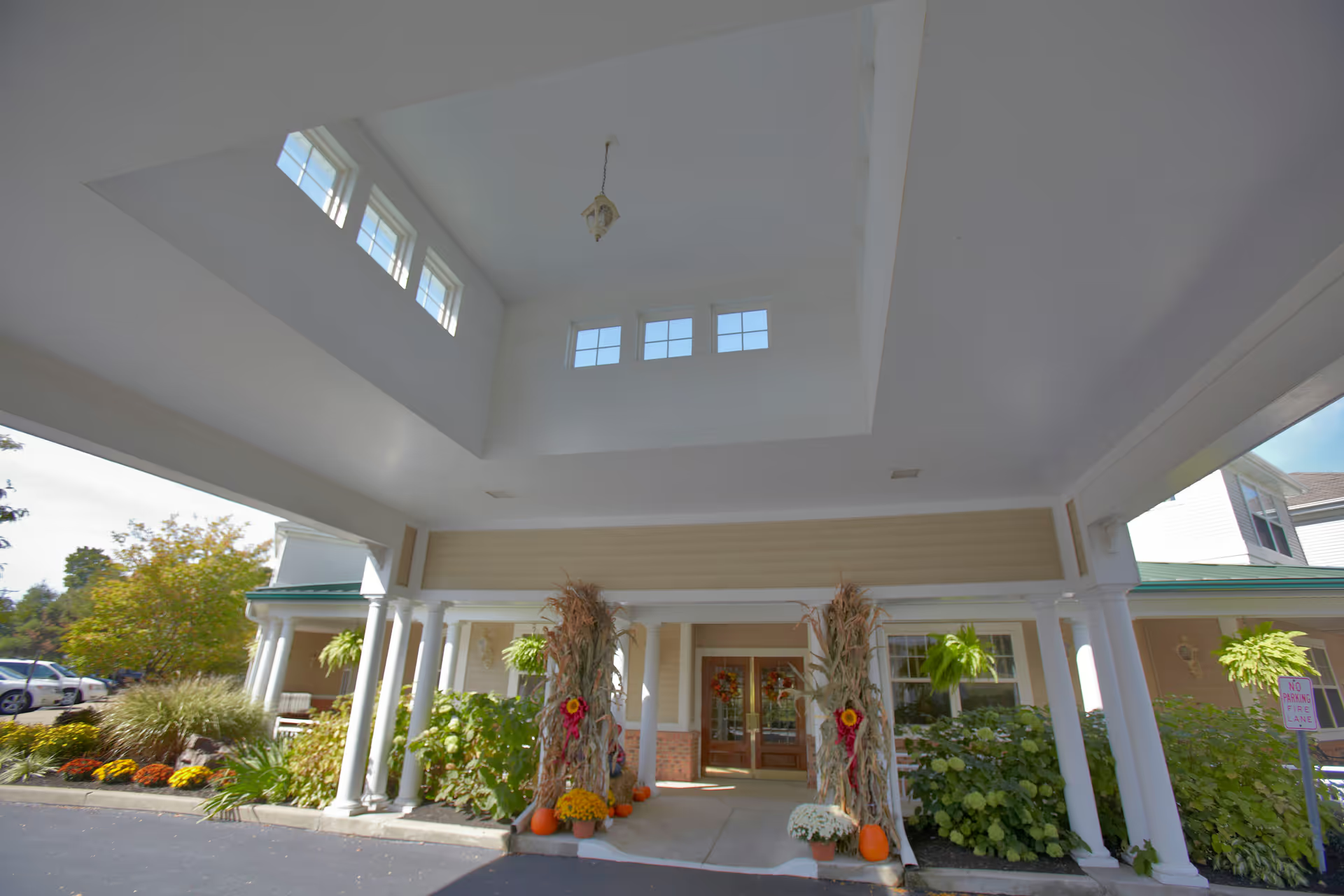
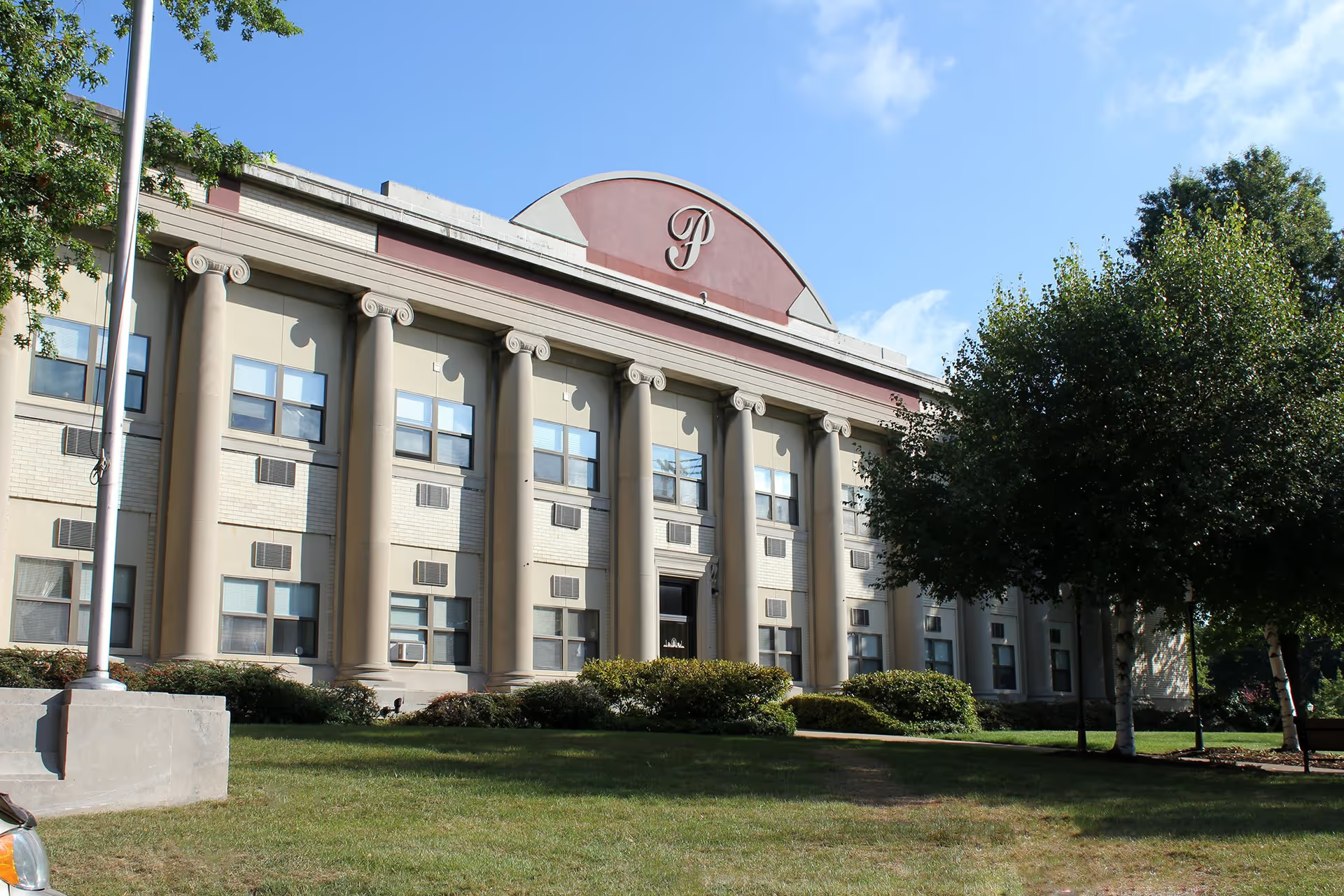
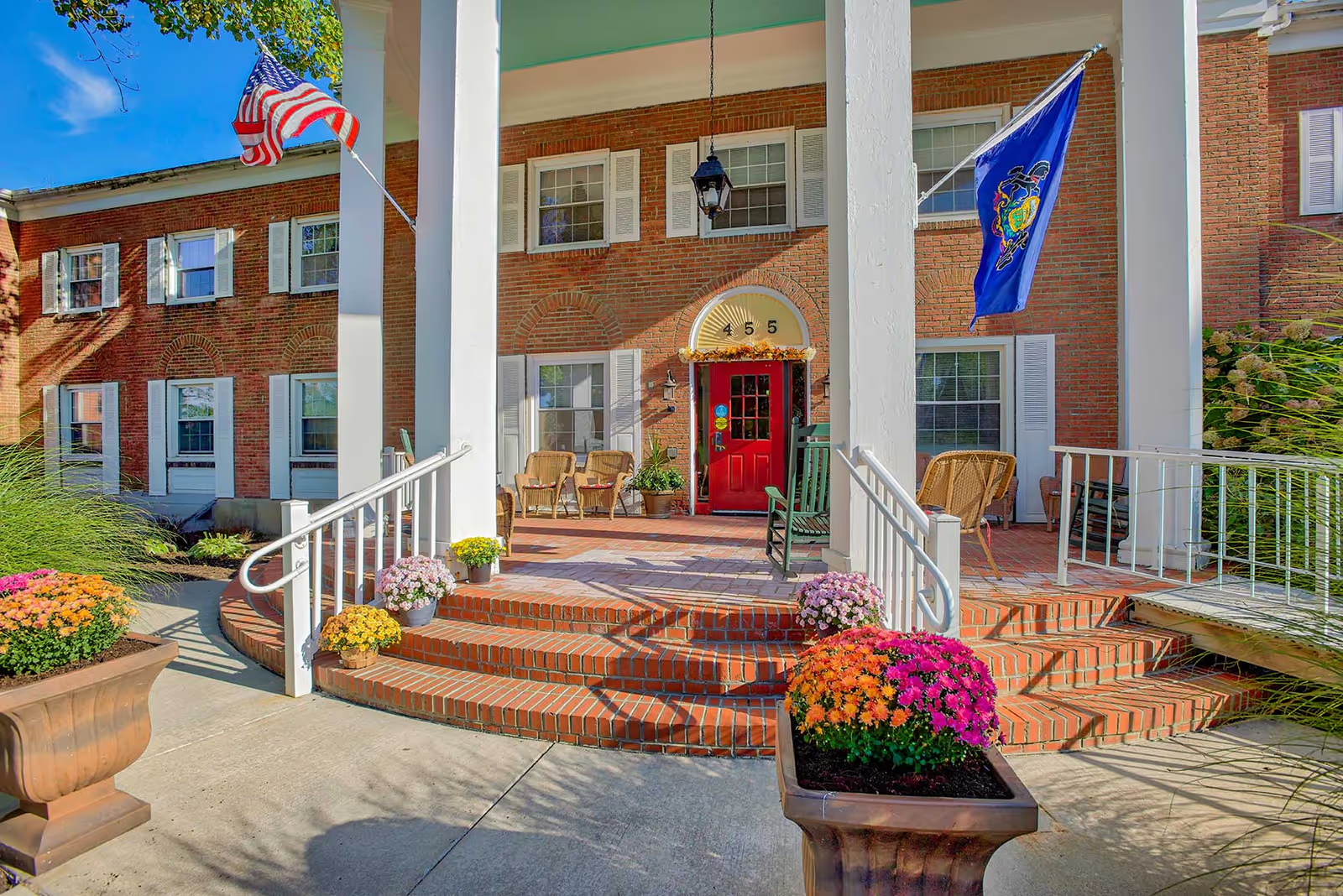
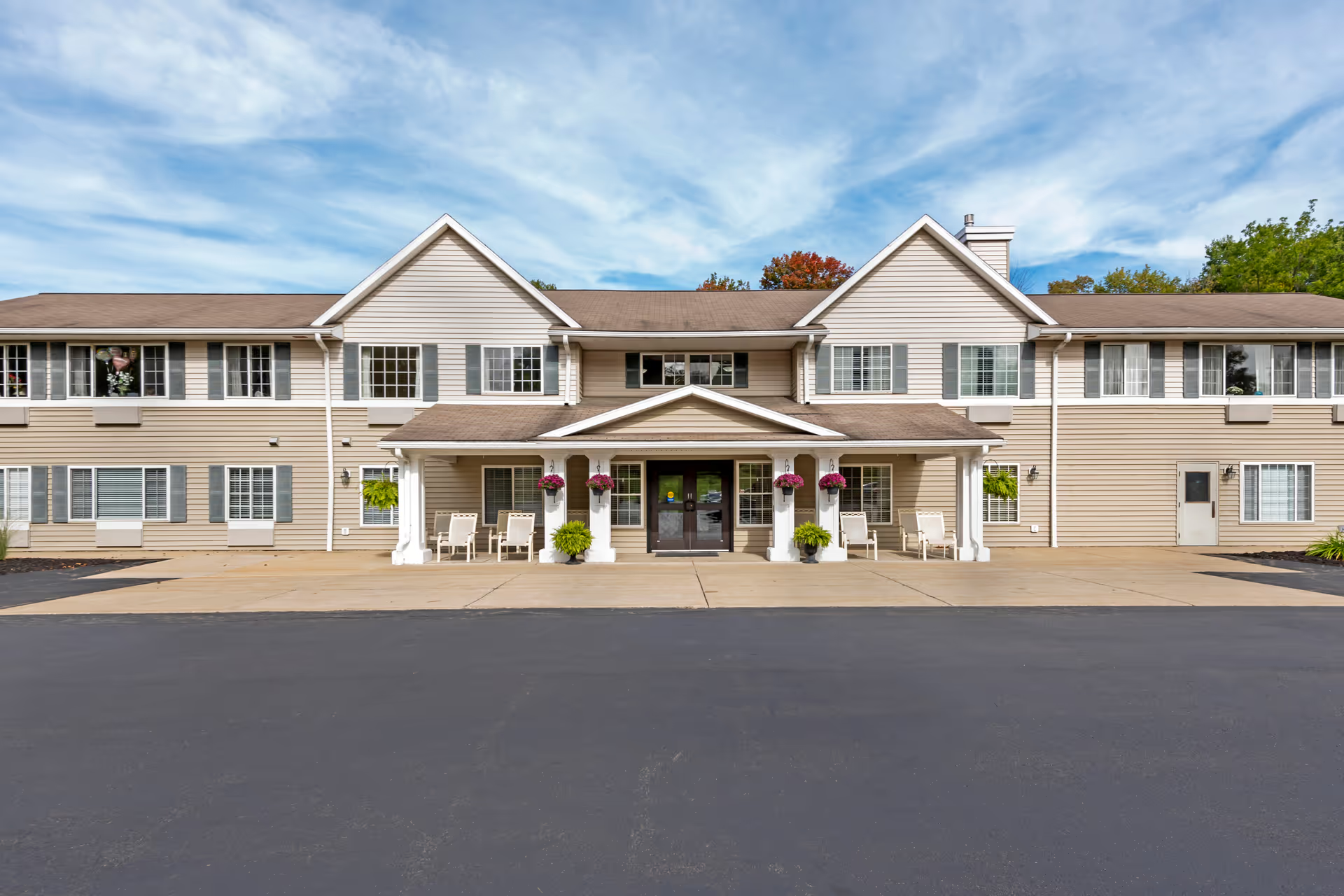
Facilities and hospitality-related items show comparable variability. Multiple reviewers raised sanitation and odor concerns in communal areas and noted inconsistent personal‑care routines such as bathing frequency and linen/bed‑making. Meal service received criticism for inconsistent quality and temperature control. Laundry and personal‑property management emerged as an operational risk area, with several accounts alleging missing belongings and financial discrepancies; this raises questions about inventory controls and resident property protocols. The physical environment is unevenly updated across floors, with some areas described as improved and others as dated.
Management and organizational practices warrant careful scrutiny. There are positive comments about newer leadership and individual administrative staff who facilitate placement and family communication, but these coexist with reports of poor phone responsiveness, long waits to reach staff, billing/contractor complications, and unsatisfactory communication during infection‑control events. One recurring theme is a polarized experience depending on unit, shift, or specific clinicians—some families experienced high‑quality, attentive care while others encountered operational breakdowns significant enough to prompt transfers.
For prospective residents and families: consider in‑person assessment of clinical processes (medication administration, evaluation timelines), staffing levels on weekends and nights, property and laundry procedures, and visitation/security policies. Ask for documentation of infection‑control communication protocols and for examples of recent quality‑improvement initiatives under current management. Twinbrook offers notable clinical strengths in therapy and select nursing care, but the facility shows variability in operational consistency that families should evaluate against their specific care priorities.