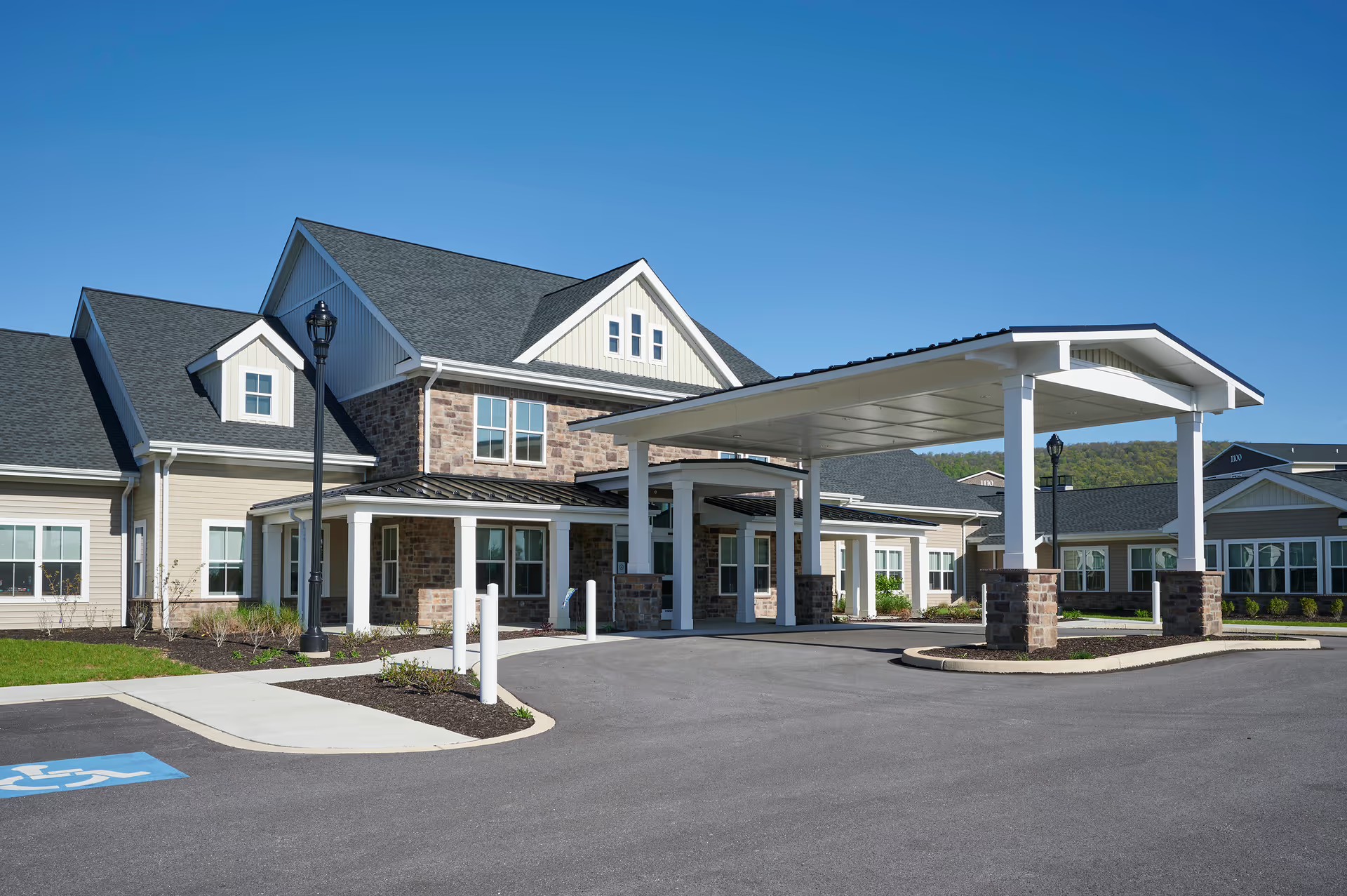
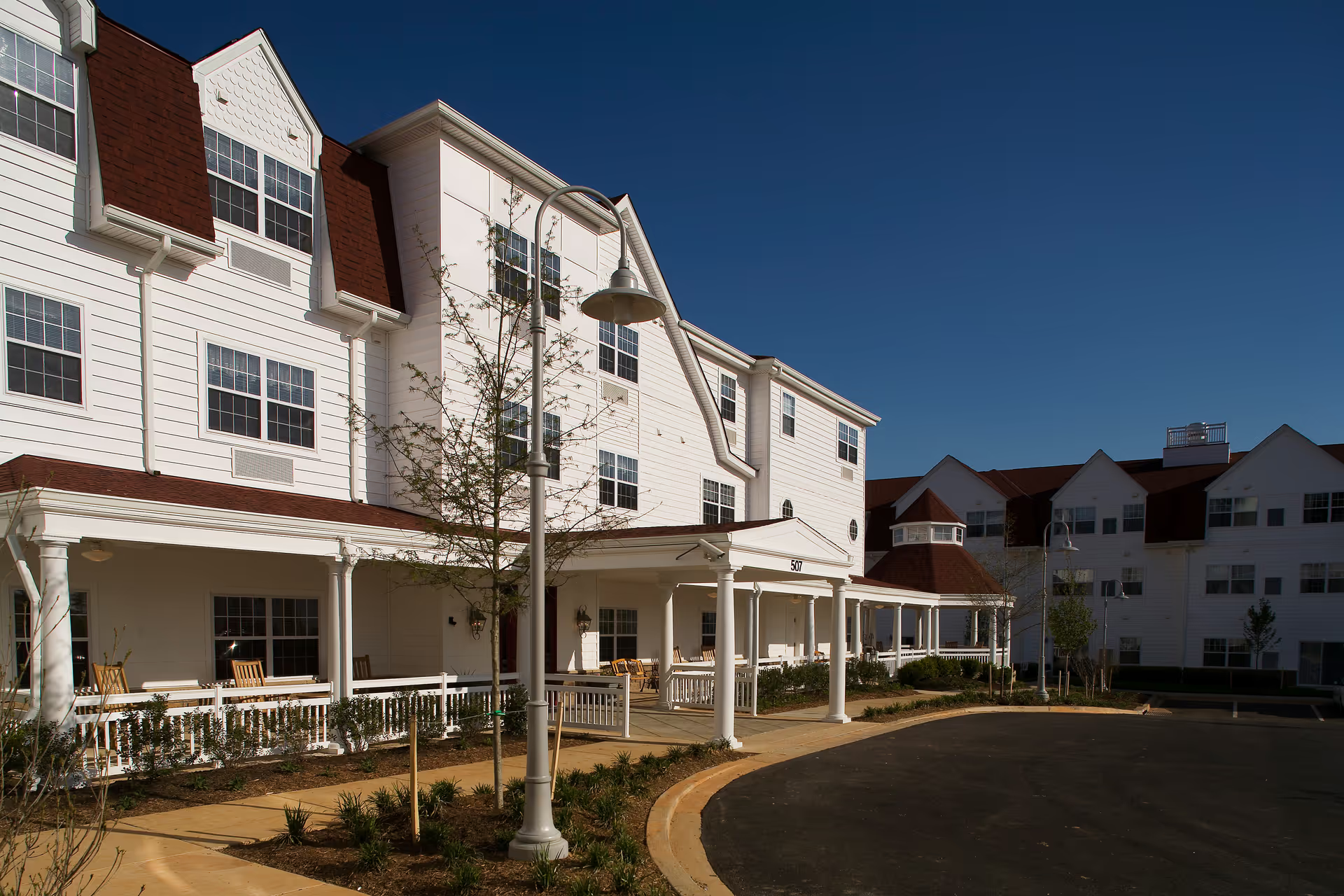
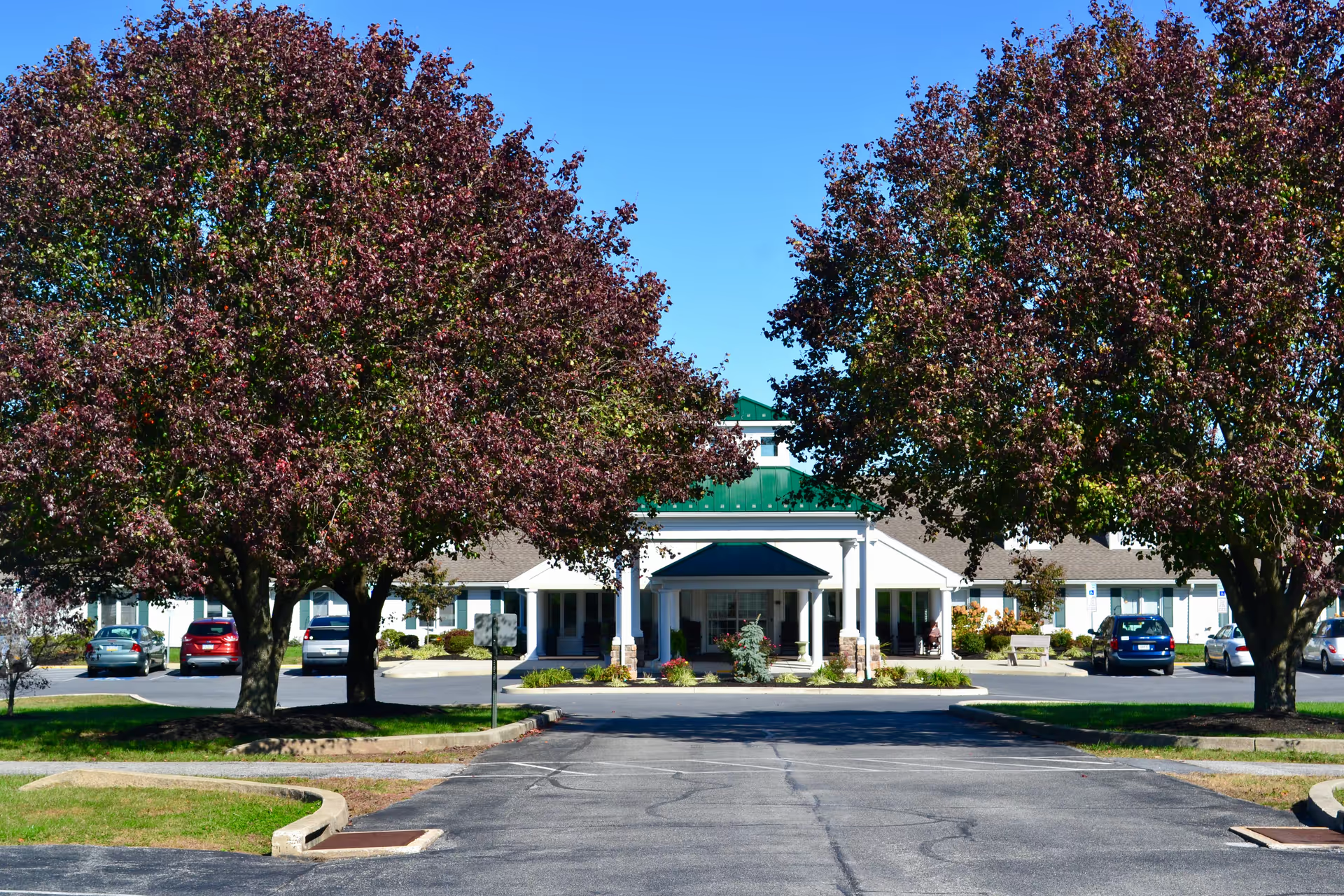
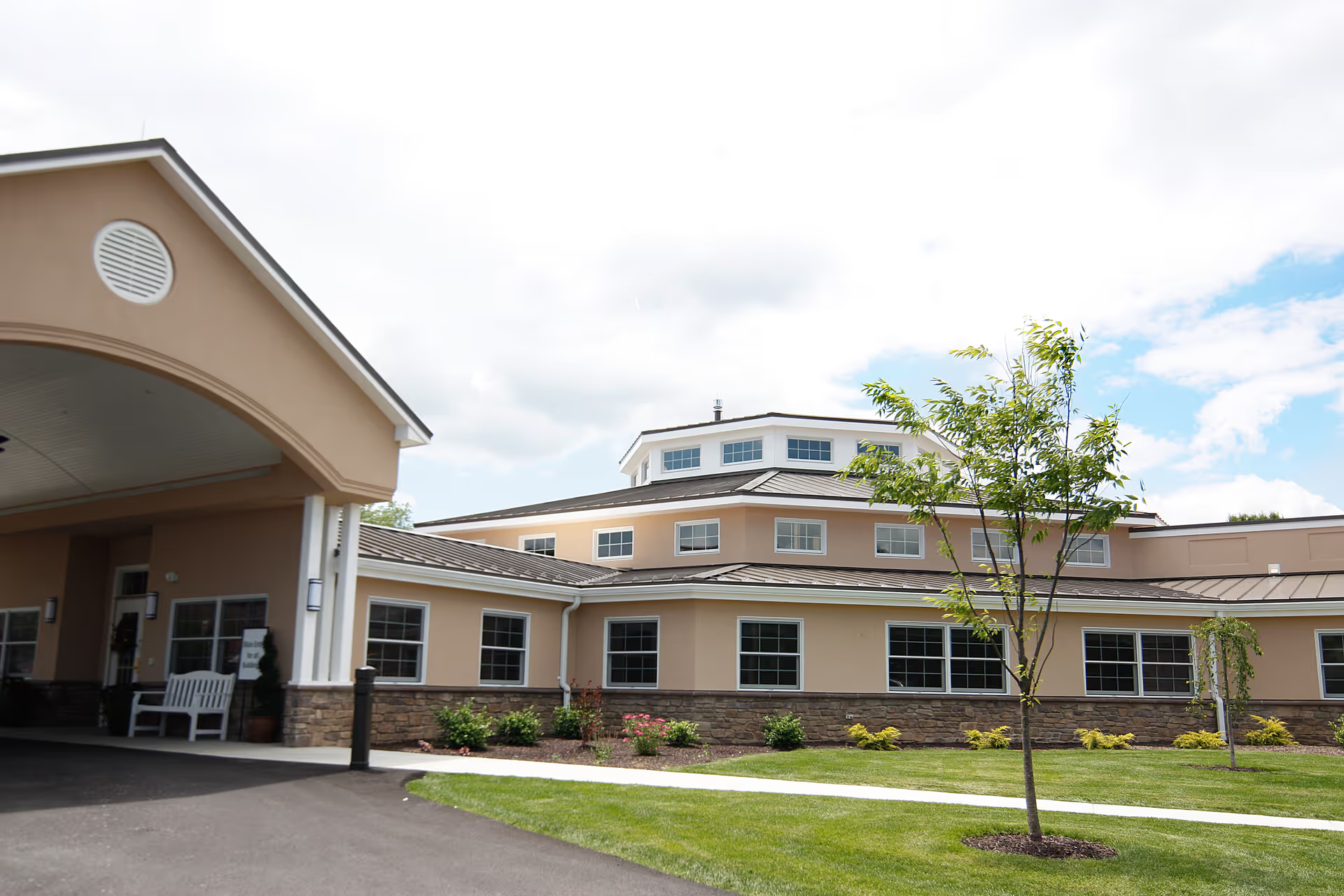
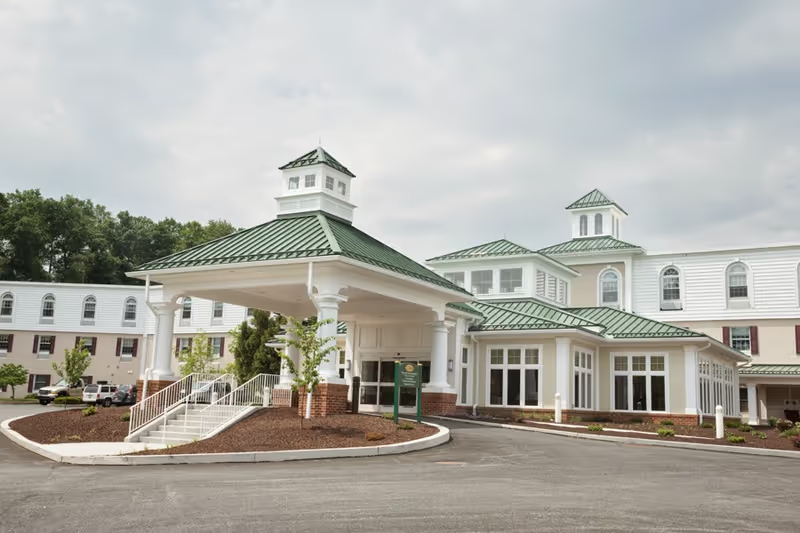
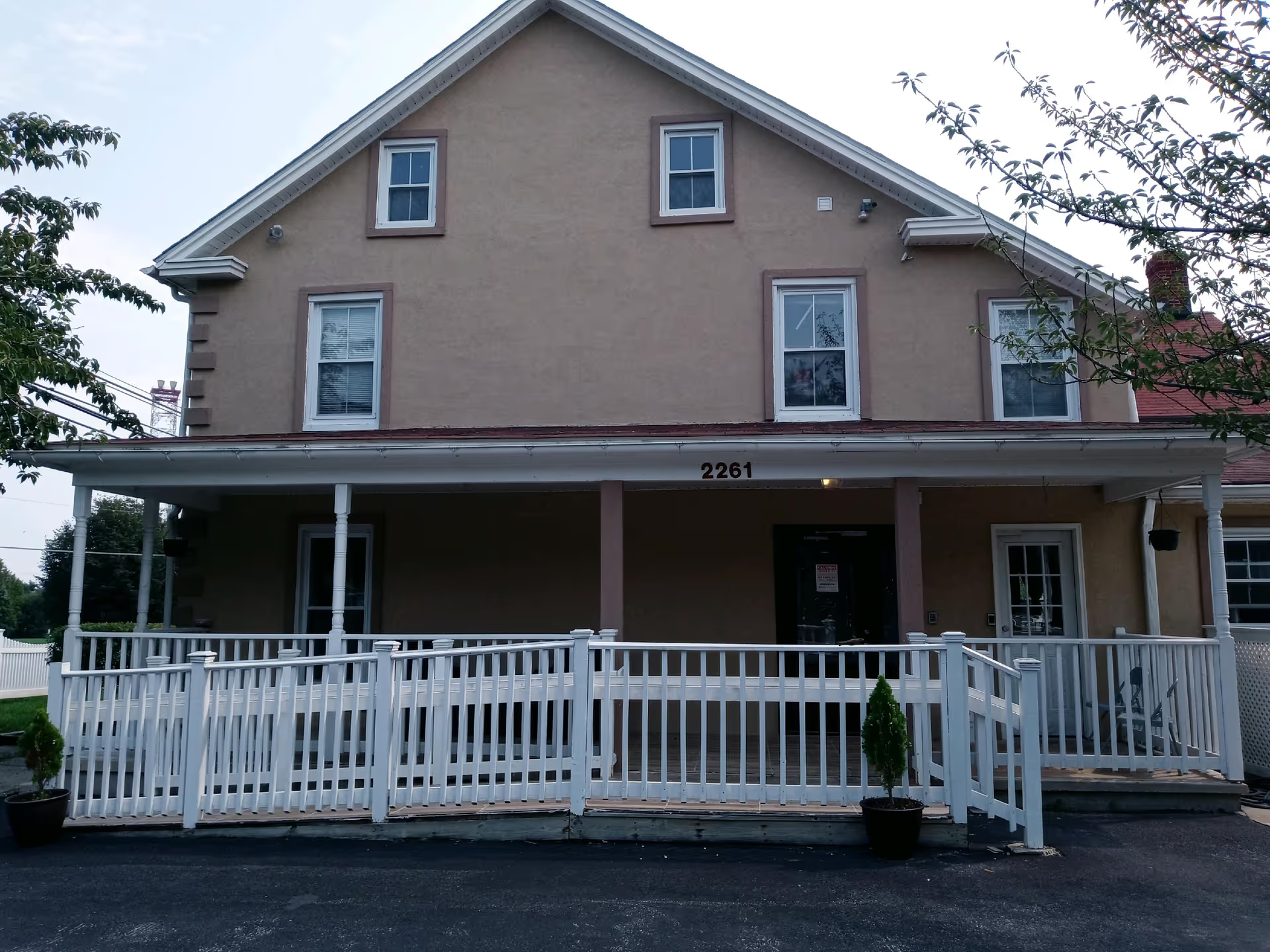
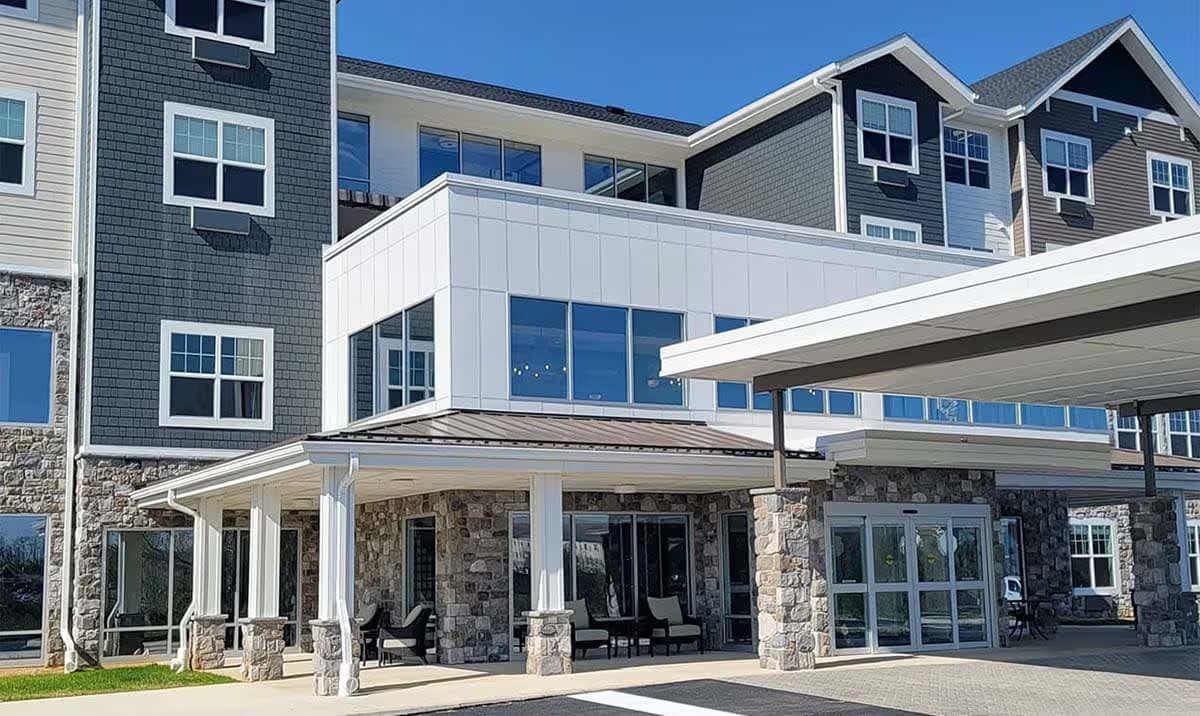
Homewood Living Plum Creek shows many strengths typical of an established continuing-care retirement community. The campus, grounds and common areas are frequently described as clean, well-maintained and resort-like, with amenities such as a chapel, pool, fitness spaces, library and restaurant-style dining. Housing options range from independent villas and cottages to single rooms and skilled-nursing suites, and reviewers commonly note the ability to personalize resident spaces and bring familiar furnishings.
Clinical care and therapy services are a prominent positive: reviewers emphasize skilled nursing teams, a strong rehabilitation program (PT/OT), and a high care-to-resident ratio that supports continuous medical oversight. The community’s continuum-of-care model — from independent living through higher-acuity care — is cited as a useful feature for residents who expect changing needs over time. Staff are generally portrayed as professional, responsive and accommodating; specific praise is given to activities coordinators, dining staff, and nightshift dementia teams in some accounts.
Dining and social programming are consistent strengths. The dining rooms are described as restaurant-like with varied menus and a la carte options, and numerous activities (crafts, games, concerts, worship services and outings) contribute to an active social environment. Spiritual services and regular religious programming are regularly available and valued by residents. Reviewers also note administrative supports such as Medicare paperwork help and benevolent-fund resources.
Notable operational patterns and concerns emerge alongside the positives. The community operates at a premium price point, and cost is consistently identified as a significant factor for prospective residents. Physical-plant limitations include reliance on a single elevator in some areas, which has led to service interruptions; this highlights a vulnerability for residents with mobility limitations. Several comments indicate variability in direct nursing engagement in certain units and occasional gaps in medication-administration practices, including challenges with specific medication instructions. Family members also raised concerns about care-continuity when insurance or asset limits influence discharge or placement decisions.
Other practical considerations mentioned by reviewers include constrained availability for preferred unit types (waiting lists and capacity changes during renovations), smaller room footprints in some apartment or room categories, and sporadic diet/allergy administration errors. Some family members characterized the memory-care environment as comparatively restrictive in terms of interactive expectations, which may matter to families seeking a more activity-focused dementia program.
Overall, Homewood Living Plum Creek appears to offer high-quality amenities, strong rehabilitation and nursing resources, and an active, well-maintained campus, at a premium price. Prospective residents and families should weigh the community’s strengths in care continuity and programming against practical factors such as cost, unit availability, elevator redundancy, and the facility’s medication- and discharge-planning practices. Visiting in person, confirming current staffing and medication protocols, and reviewing contract/insurance implications are recommended steps prior to committing.