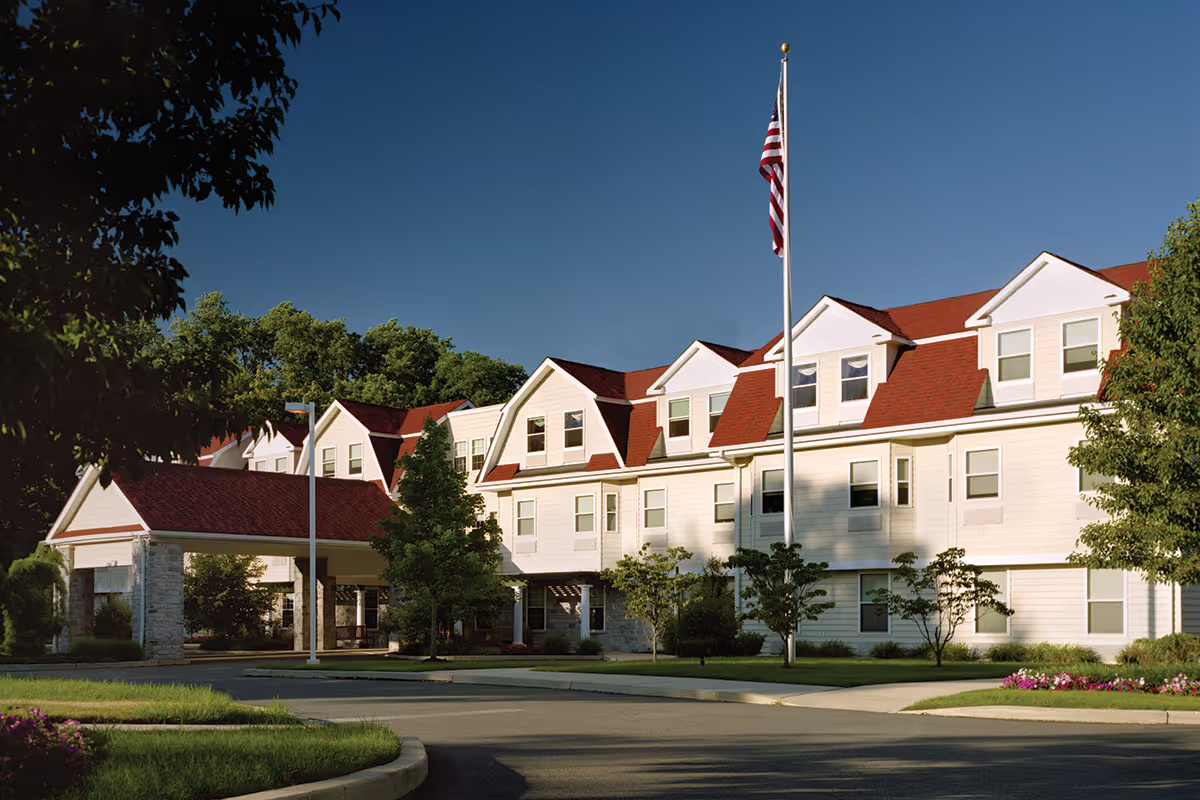
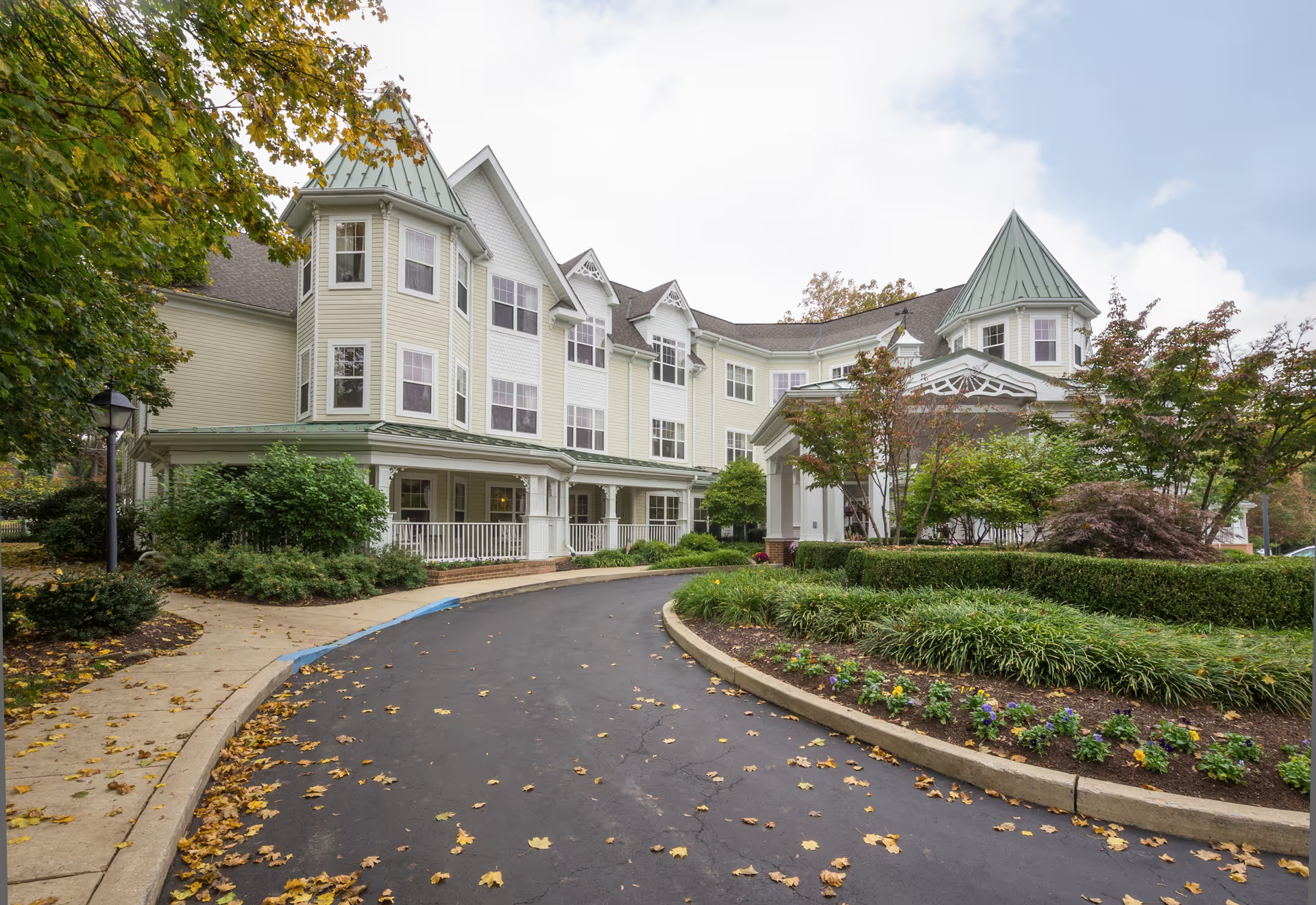
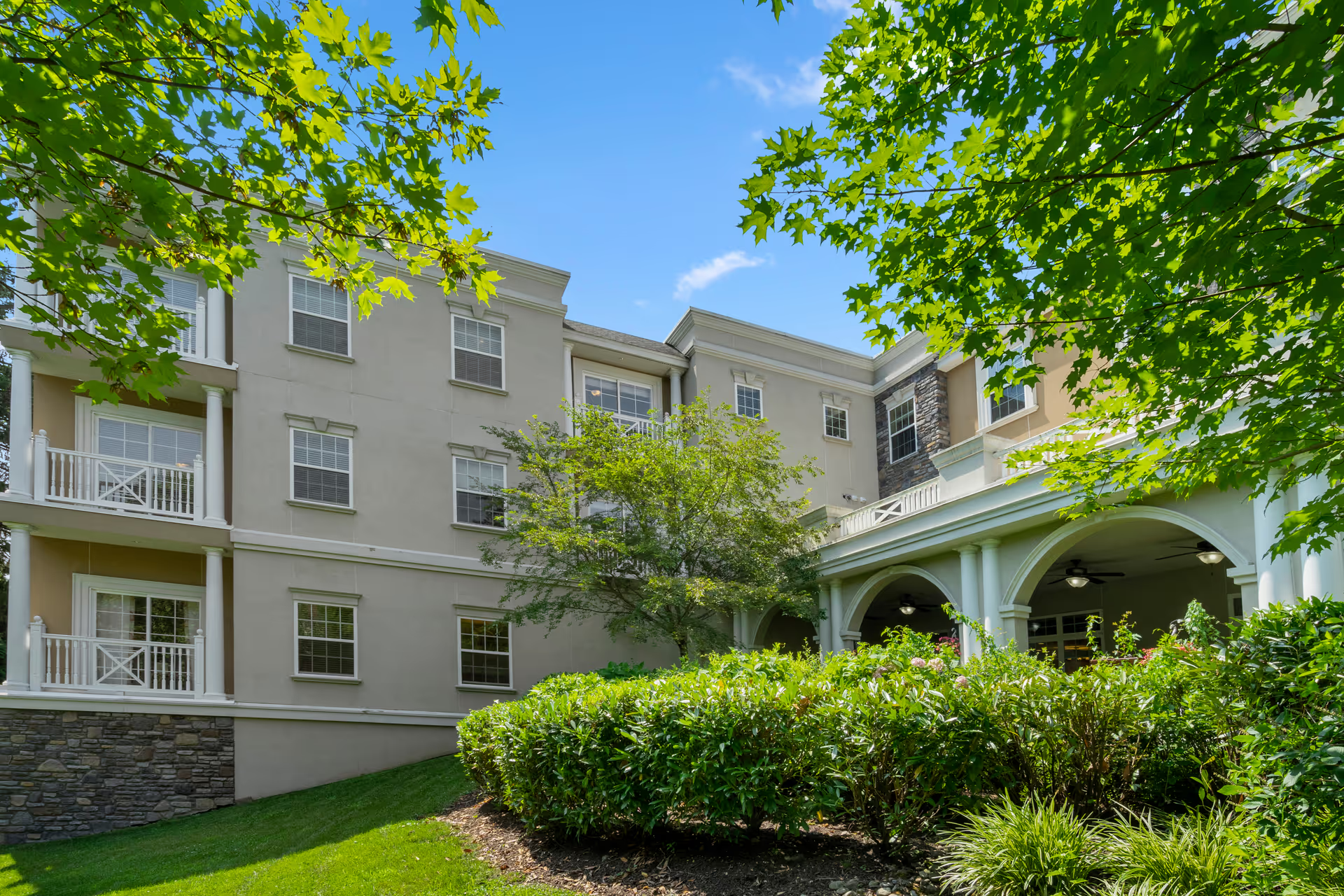
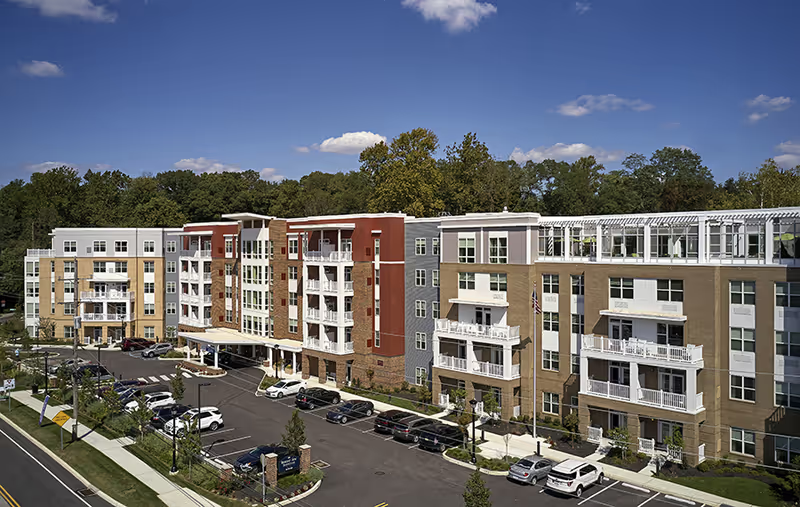
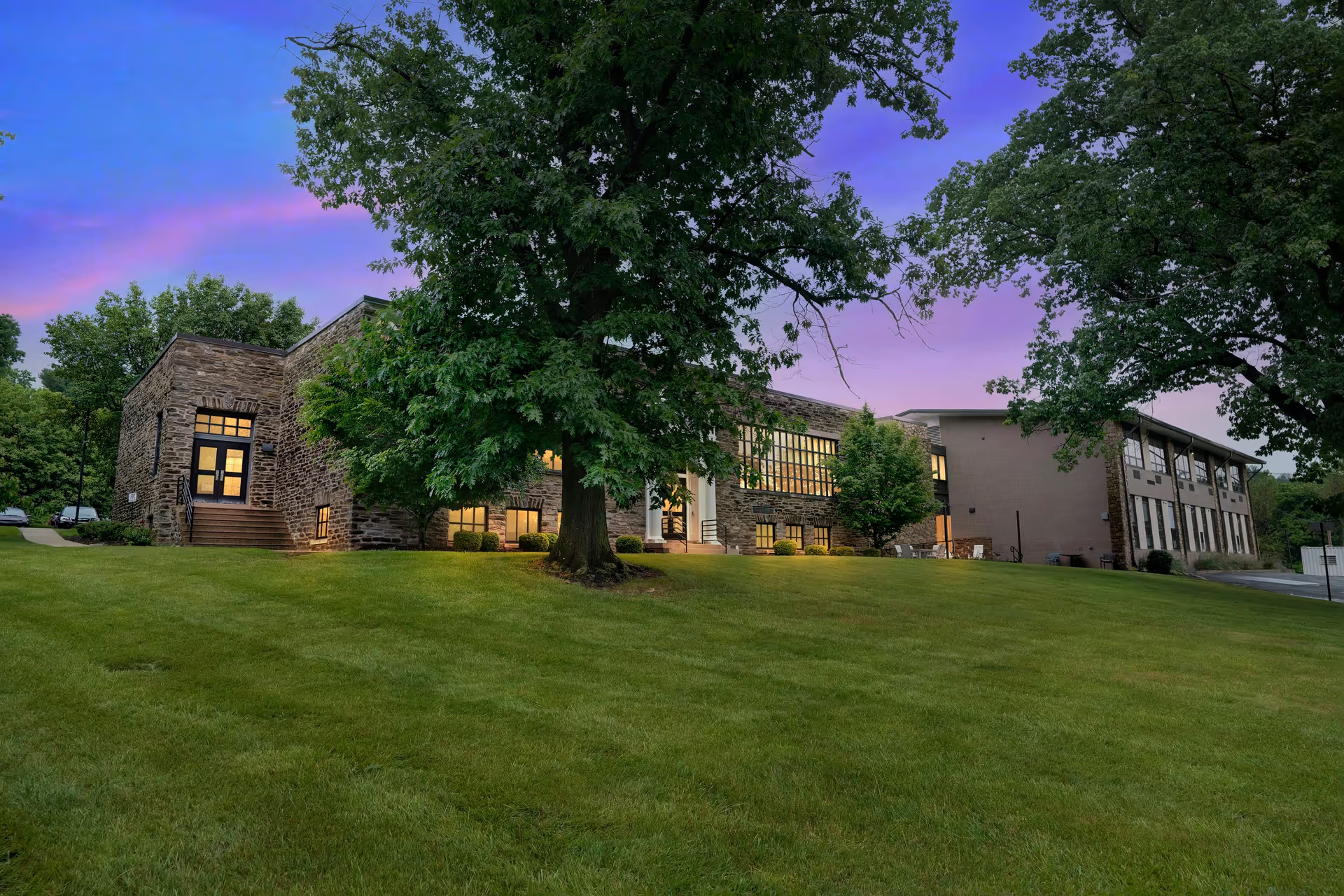
The Quadrangle is consistently described as a large, amenity-rich continuing care community with strong arts, cultural, and intellectual programming and extensive grounds that many residents and families find restorative. The campus is frequently praised for its arboretum-like landscaping, paved trails, indoor pool, well-equipped fitness center, and a broad menu of studios and hobby spaces (painting, ceramics, woodworking). Independent living apartments are described as spacious and light-filled, and the resident culture is repeatedly characterized as warm, engaged, and intellectually active; many reviewers highlight resident-run activities and self-governance as central strengths.
Clinical and care offerings are mixed in the feedback. The facility maintains on-site rehabilitation, therapy, and skilled-nursing capabilities that several families credit with good rehab outcomes and responsive therapy staff. Frontline caregivers, CNAs, and some nurses are often described as compassionate and attentive. However, a recurring pattern in reviews points to variability in clinical care quality and safety practices across units and shifts. Common operational concerns include inconsistent staffing levels, slow or uneven responses to call bells, and occasional gaps in medication administration and documentation. There are also specific concerns about dementia and memory-care staffing and behavior-management protocols that prospective families should investigate further.
Dining and hospitality receive both high praise and criticism. Many reviewers commend the catering, formal dining room, and special-event meals; others describe inconsistent meal quality, dietary-accommodation failures (for example, problems implementing texture-modified diets), and service interruptions during staffing or infection-control events. Housekeeping and maintenance are generally adequate in many areas, but a number of comments point to variability in upkeep, sanitation concerns in particular units, and maintenance issues that have been slow to resolve.
Management and organizational patterns are another area of divergence. Long-tenured residents and active committees indicate a strong community fabric, yet several families express dissatisfaction with corporate-level communication, responsiveness, and financial policies—especially around buy-in contracts, estate refunds, and fee transparency. The facility's COVID-era practices were viewed positively in some respects (proactive communication, remote activities) while visitation restrictions and check-in procedures were considered burdensome by others. There are also isolated but serious allegations, including concerns following a resident's death and claims of financial misconduct; these raise the importance of reviewing regulatory records and asking about incident investigations during a tour.
Taken together, The Quadrangle offers a rich, culturally active environment with strong rehabilitative services and many features that appeal to cognitively healthy, socially engaged older adults. The principal trade-offs reported by families are operational: variability in staff availability and clinical consistency, uneven housekeeping/maintenance, and questions about management transparency and financial terms. Prospective residents and their families would be well advised to tour multiple buildings, ask about staffing ratios and call-bell response metrics, review dementia-care staffing and training, clarify dietary accommodation processes, and request clear documentation of buy-in/refund policies and any recent regulatory findings before making a placement decision.