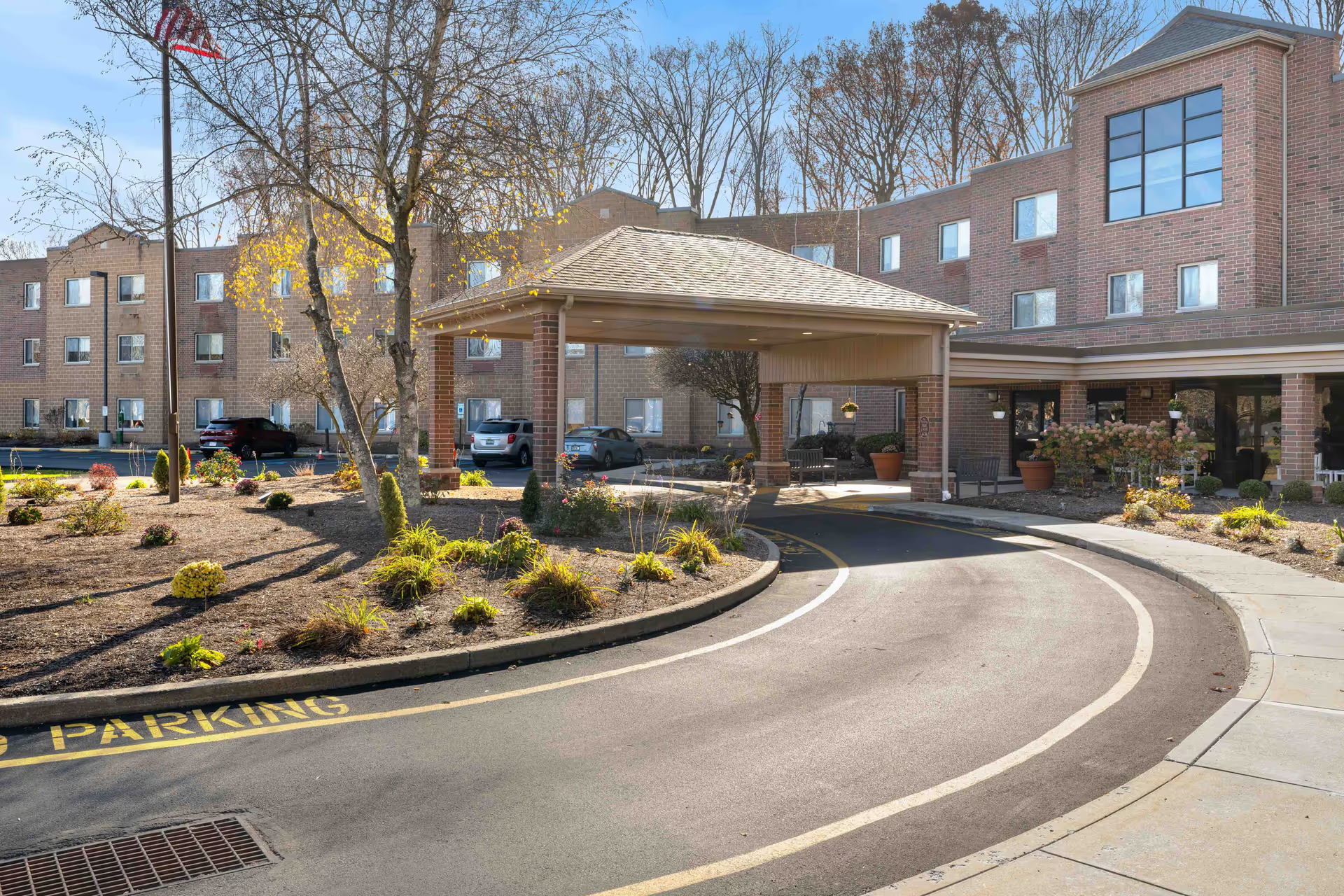
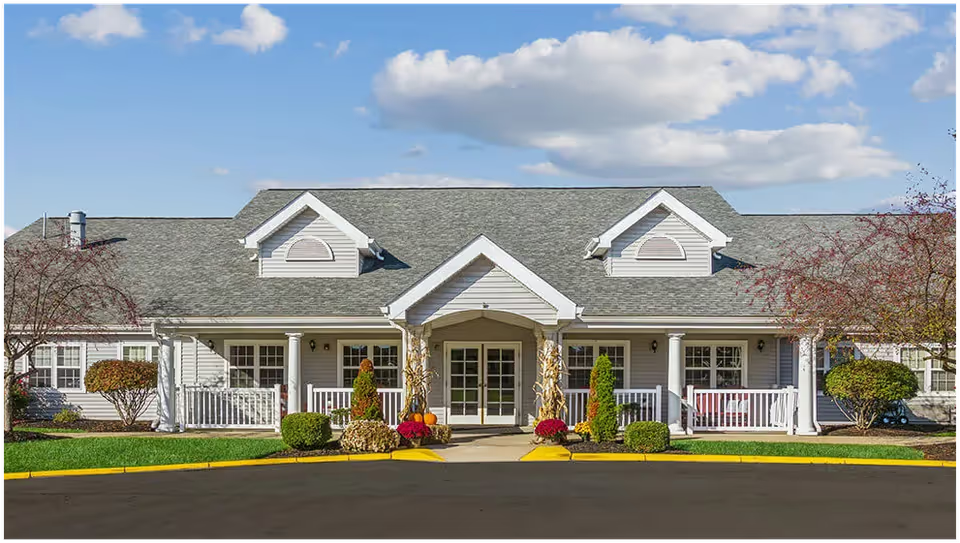
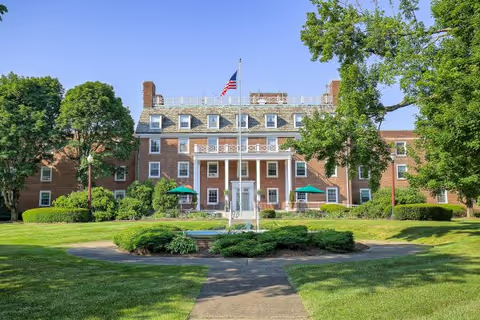
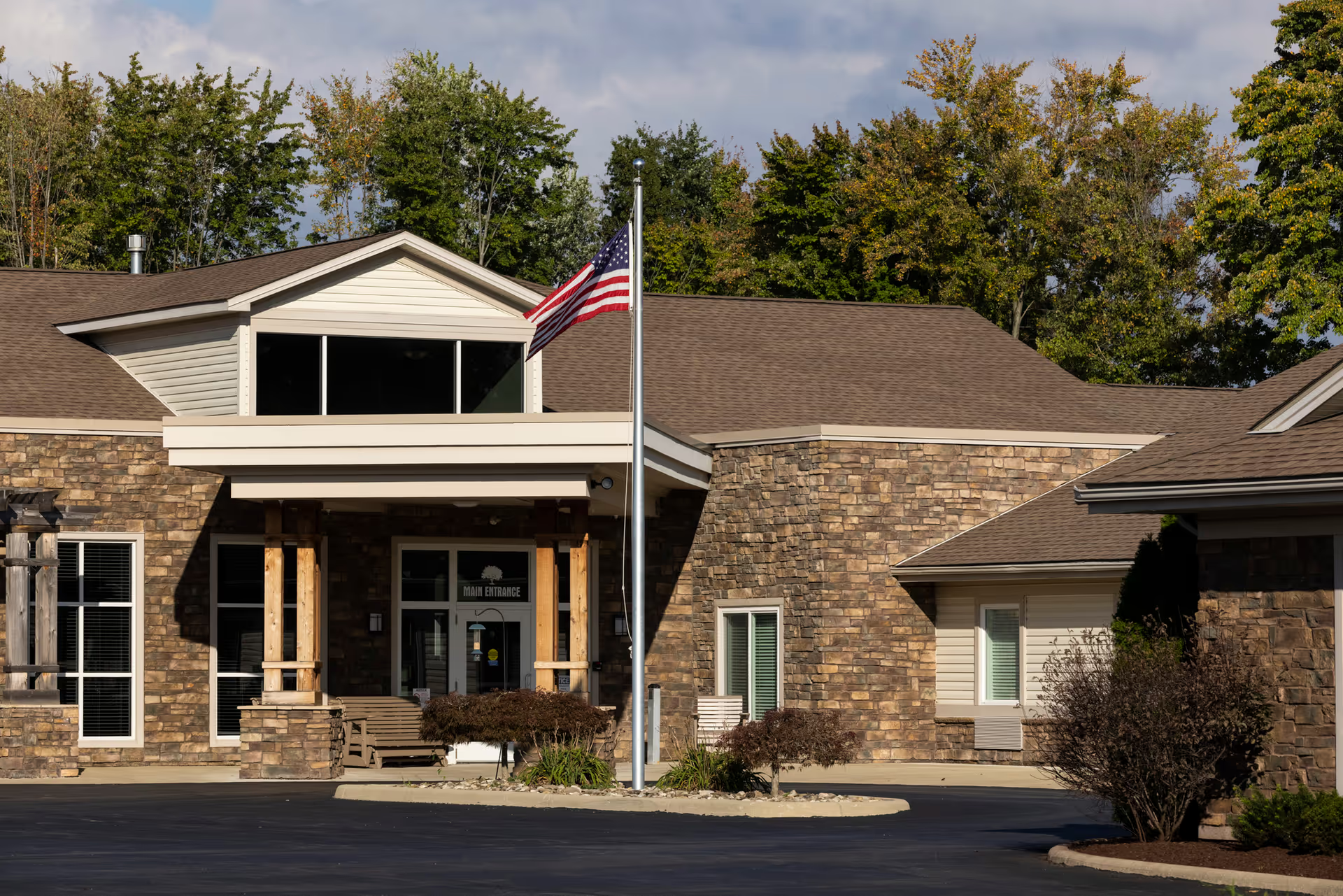
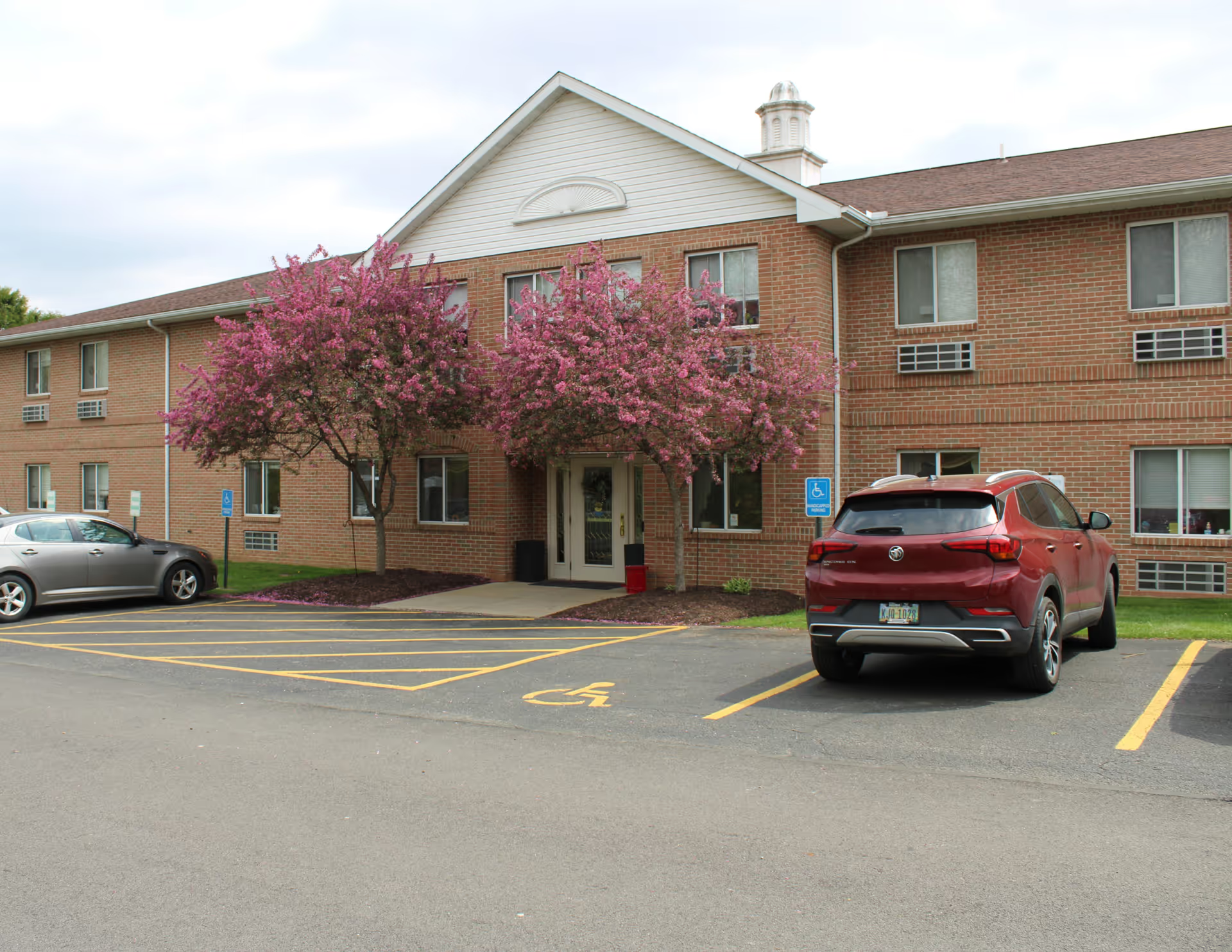
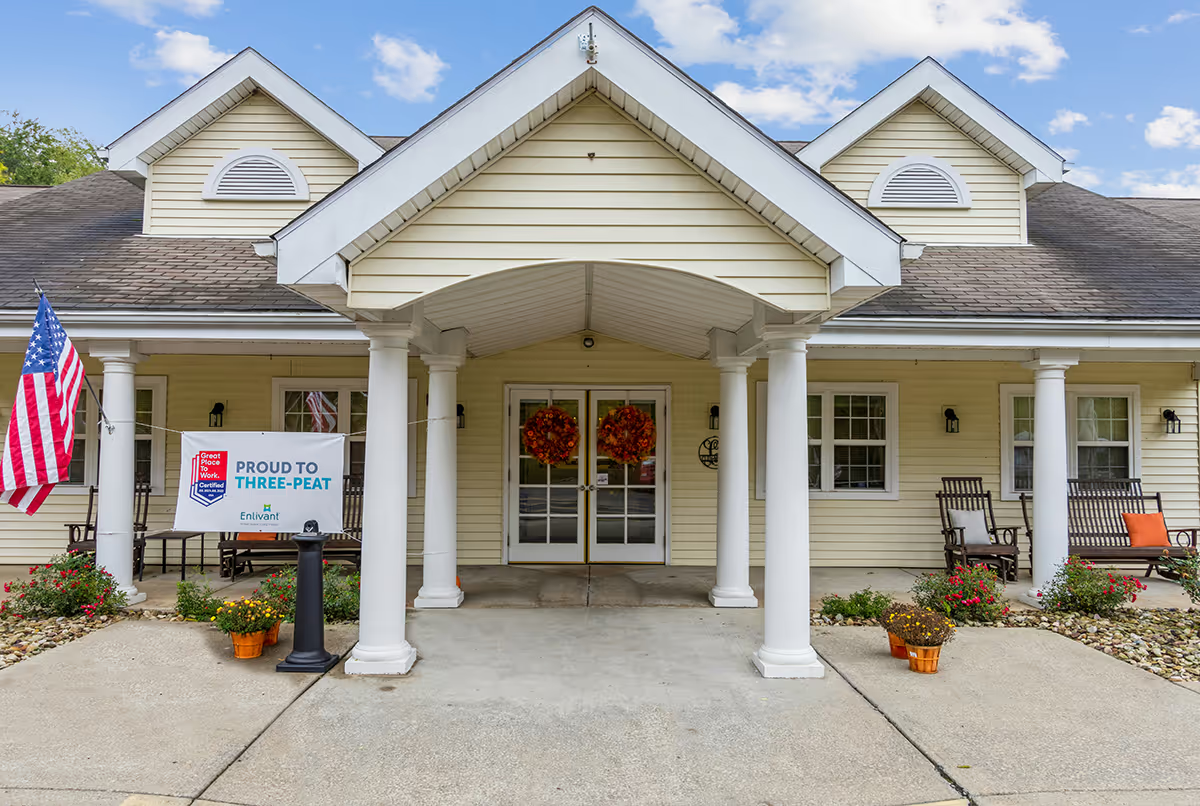
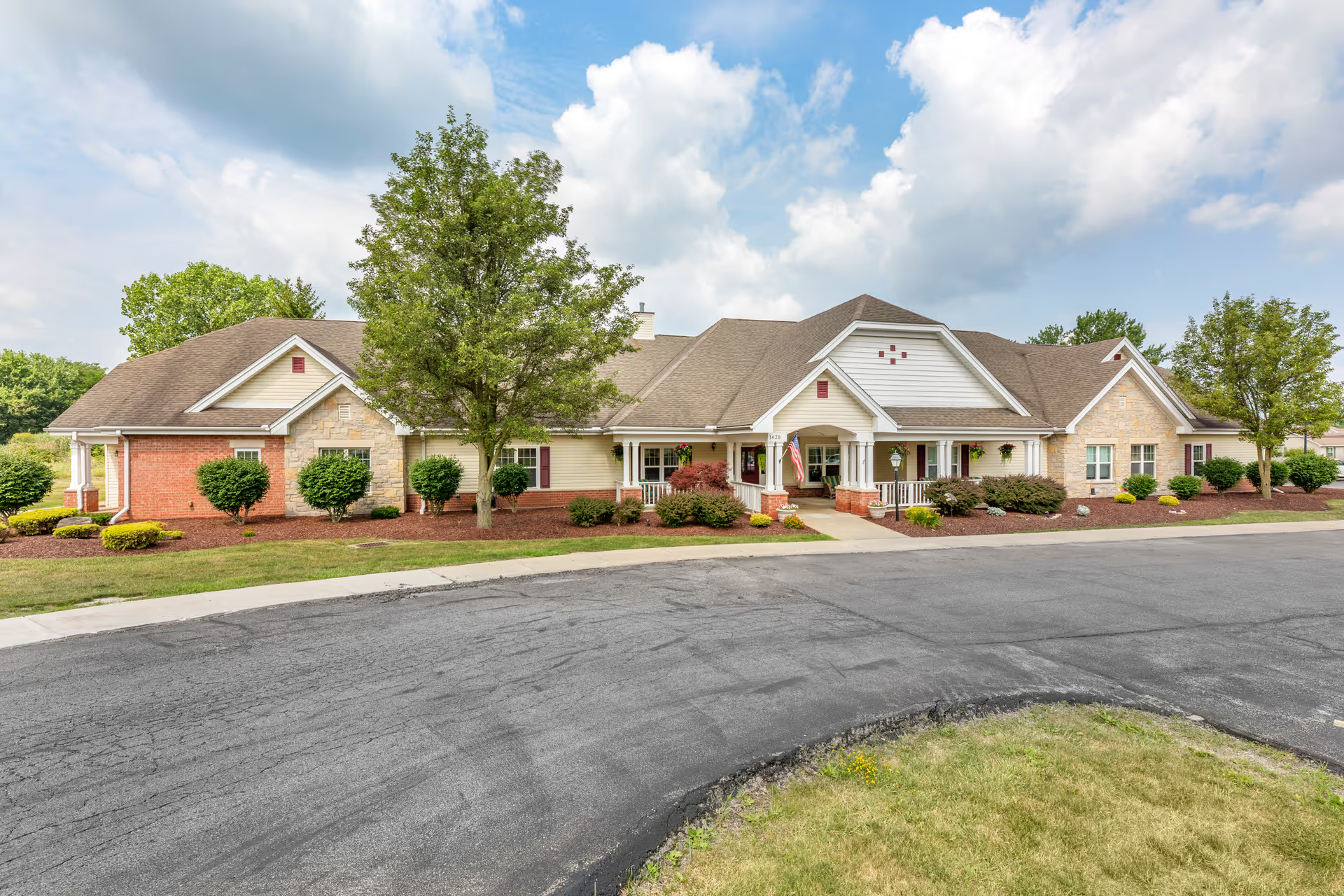
Saint John XXIII Home elicits a mixed but informative set of impressions. Many comments highlight clear strengths: the building is frequently described as very clean and home-like, with updated spaces, generous room sizes, and sufficient hallway clearance. The smaller layout and private dining options contribute to easy navigation and a residential atmosphere. On-site clinical services include physical, occupational, and speech therapy, and the facility offers a range of amenities such as a salon, private dining area, chapel with religious services, and an active social program featuring live music, bingo, bocce, shuffleboard, and community events.
Care and staff are characterized unevenly. A substantial portion of feedback praises friendly, attentive, and compassionate caregivers and nurses who focus on resident dignity and comfort. At the same time, there is consistent commentary describing variability in staff conduct and professionalism; some staff are seen as welcoming while others are described as curt or annoyed. Reviewers also identify staffing shortages that appear to affect service reliability, and there are recurring complaints about delays in responding to nurse-call systems. These patterns suggest that day-to-day resident experience may depend significantly on staffing levels and shift assignments.
Clinical quality and safety present mixed signals. Several accounts note effective therapy services and knowledgeable clinicians, but others point to variability in nursing and rehabilitation care. Specific operational gaps are mentioned, including inconsistent training for certain clinical tasks and concerns about fall-prevention monitoring and supervision. There are also isolated privacy-practice issues (for example, how resident checks are conducted) and an inconsistent approach to infection-control policies. Together, these items indicate areas where stronger clinical protocol adherence and oversight could improve consistency.
Dining and activities are frequently cited as positive elements. Meals receive favorable comments about taste and portion size, and family members note an active calendar of social and recreational programming that supports engagement. The chapel, morning mass, and community involvement (including school visits and picnics) are noted as meaningful quality-of-life features for residents.
Management and admissions experience show variability. Some families report helpful admissions staff and a smooth orientation, while others describe long waits for tours, poor follow-up on inquiries, and unfriendly first impressions. Multiple comments point to gaps in communication and follow-through from leadership, which can amplify concerns about operational consistency.
For prospective residents and families, the pattern of feedback suggests weighing the facility’s clear strengths in cleanliness, amenities, therapy services, and social programming against variability in staffing consistency, clinical training, responsiveness to calls, and management communication. When evaluating Saint John XXIII Home, consider asking current leadership about staffing ratios, call-response times, clinical training protocols (including oxygen management and fall-prevention), infection-control policies, and the admissions/tour process to better anticipate the likely day-to-day experience.