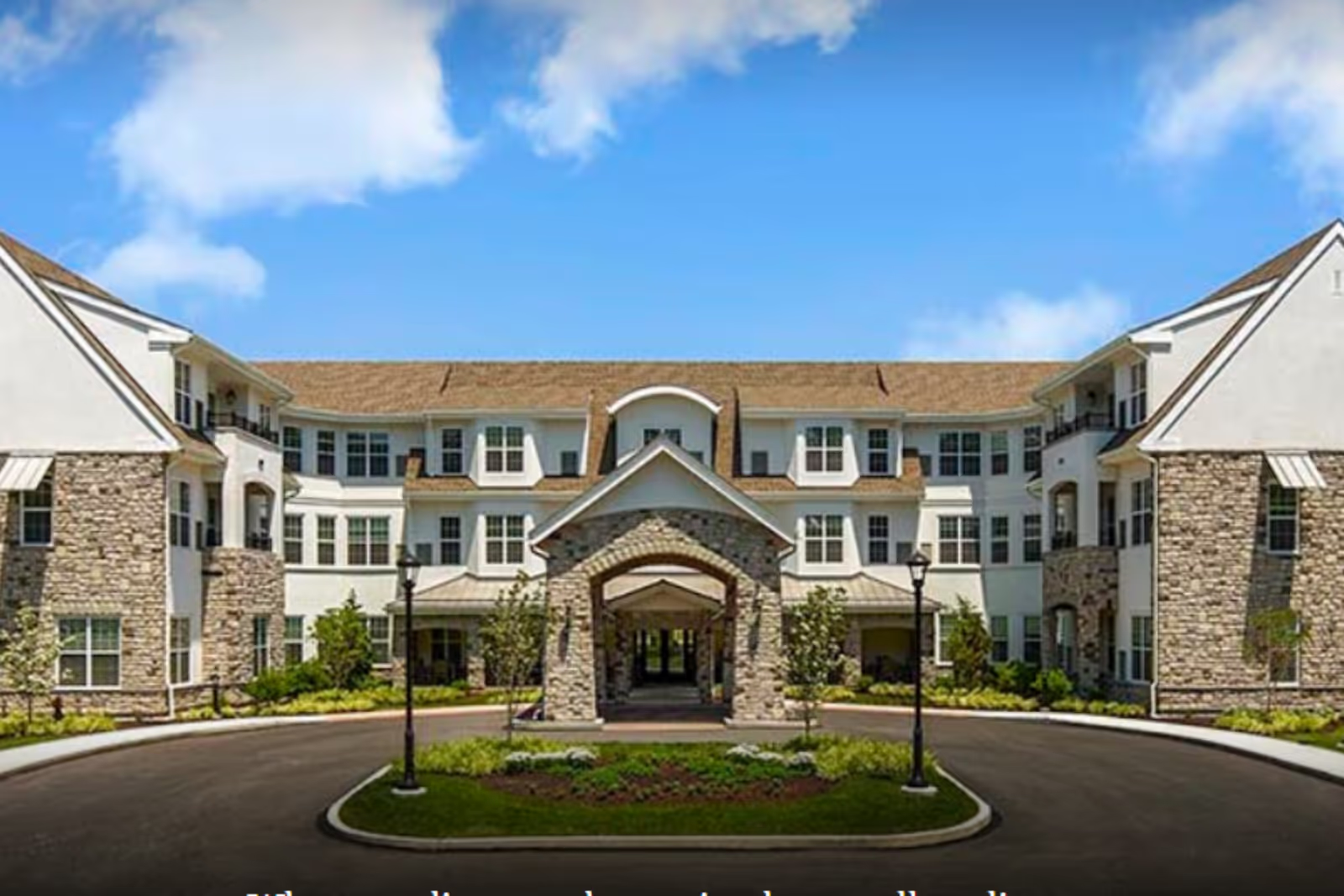
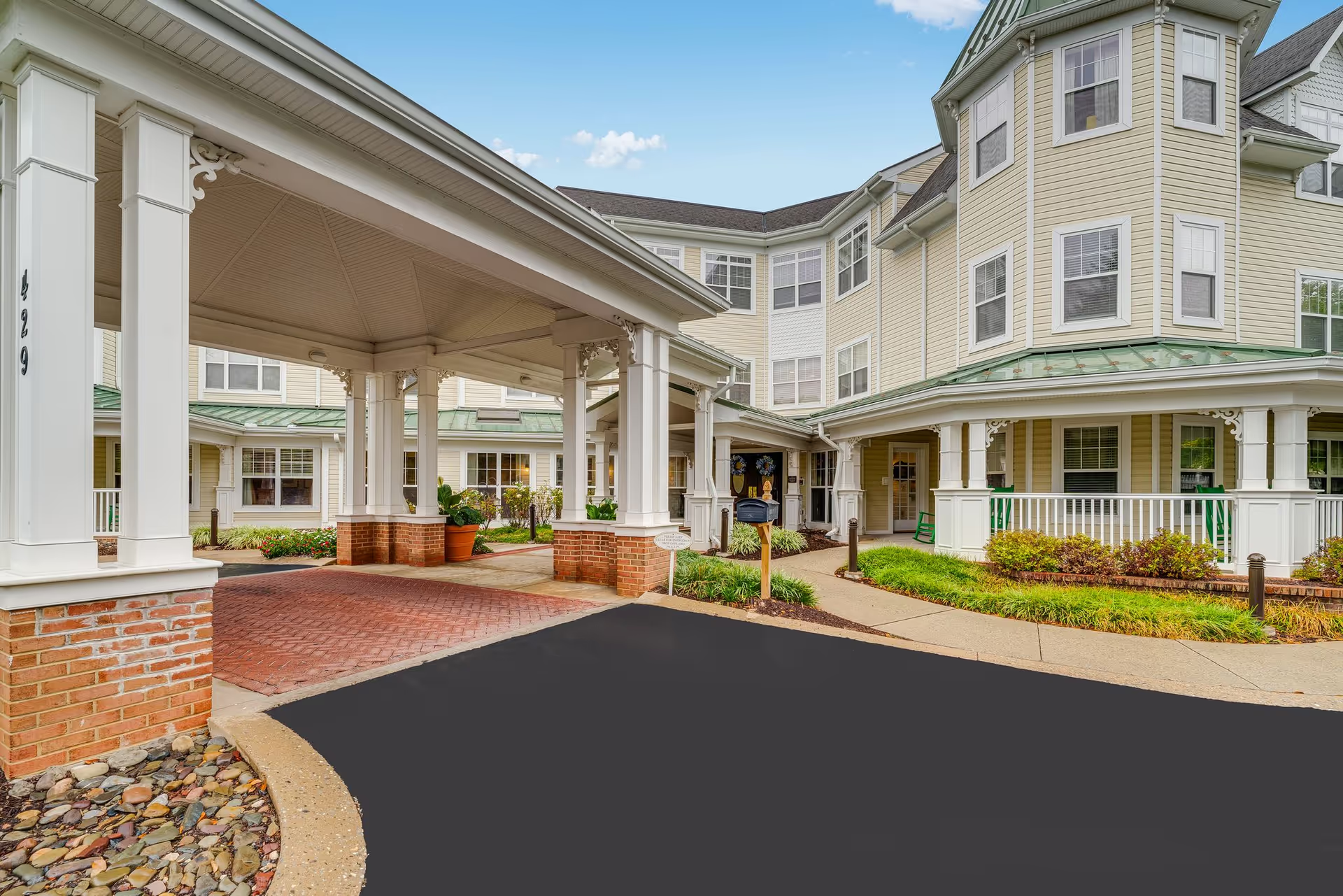
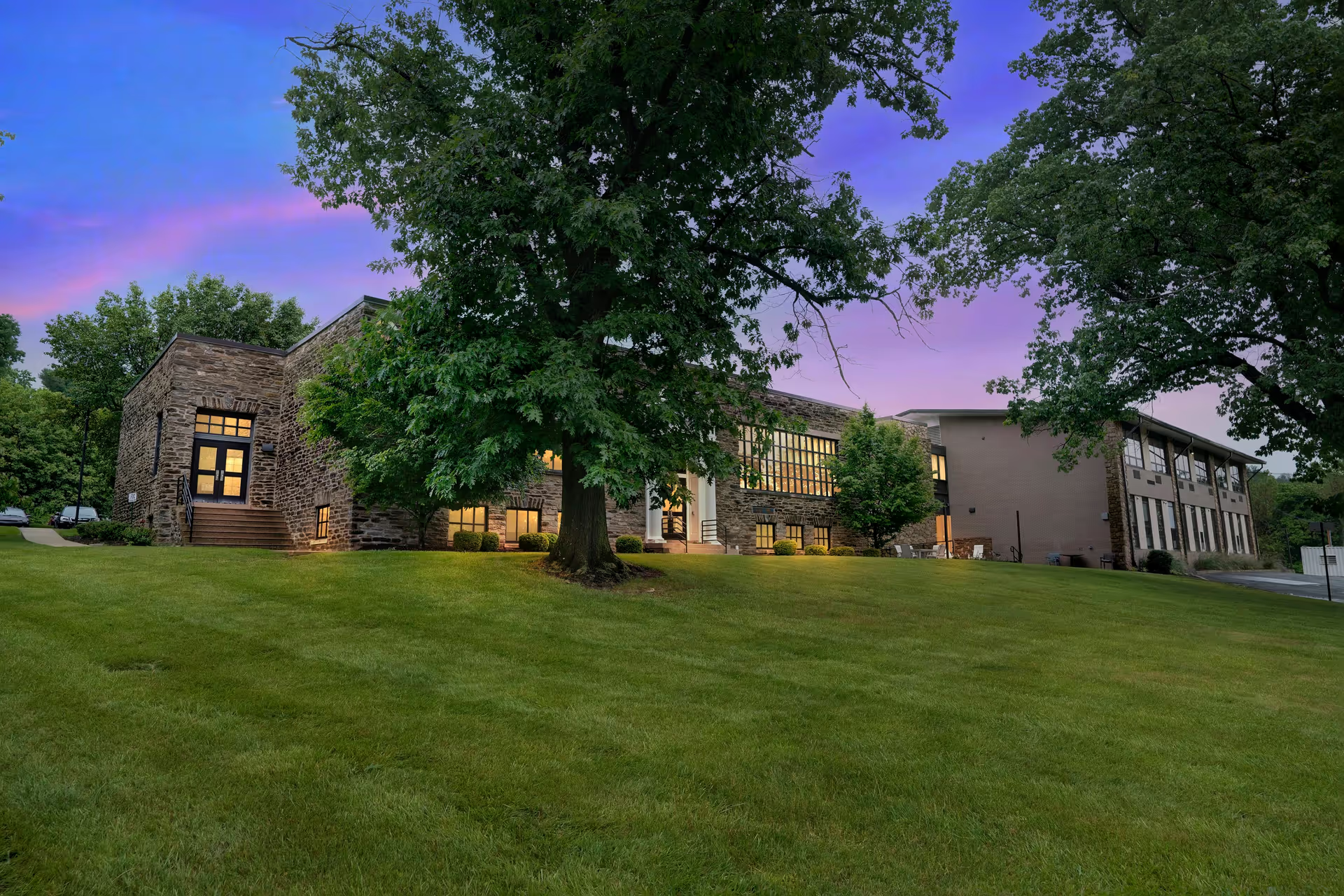
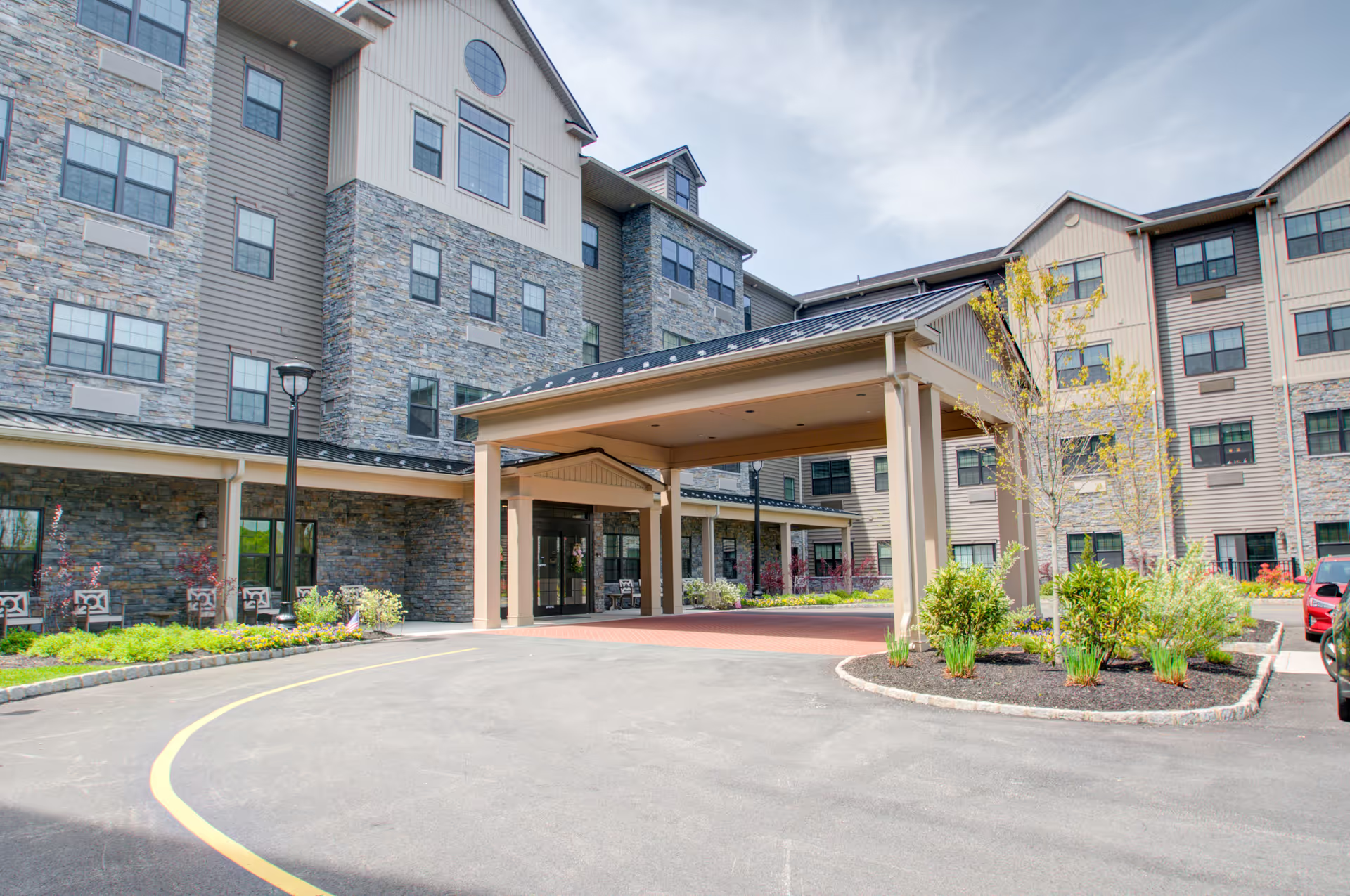
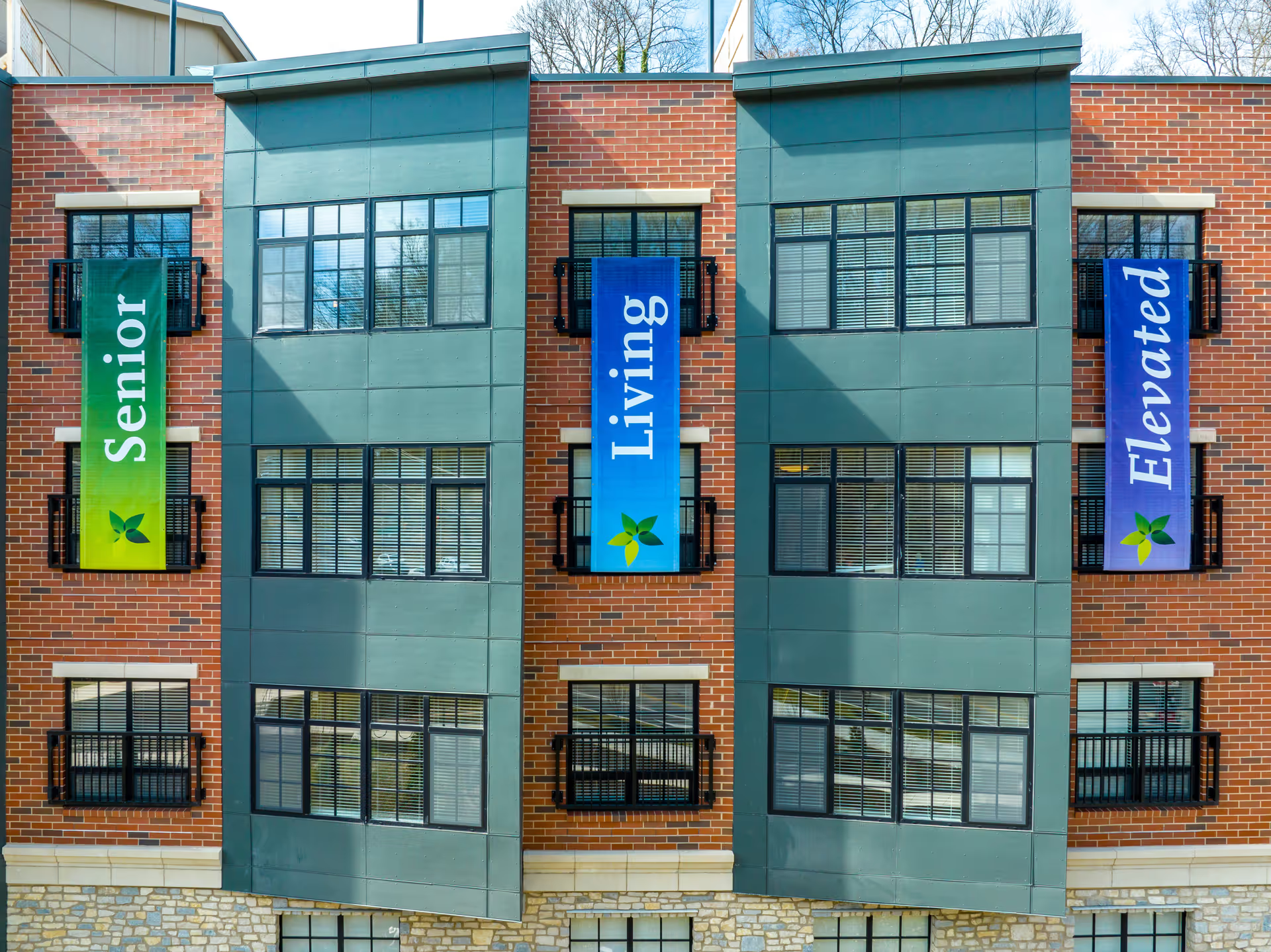
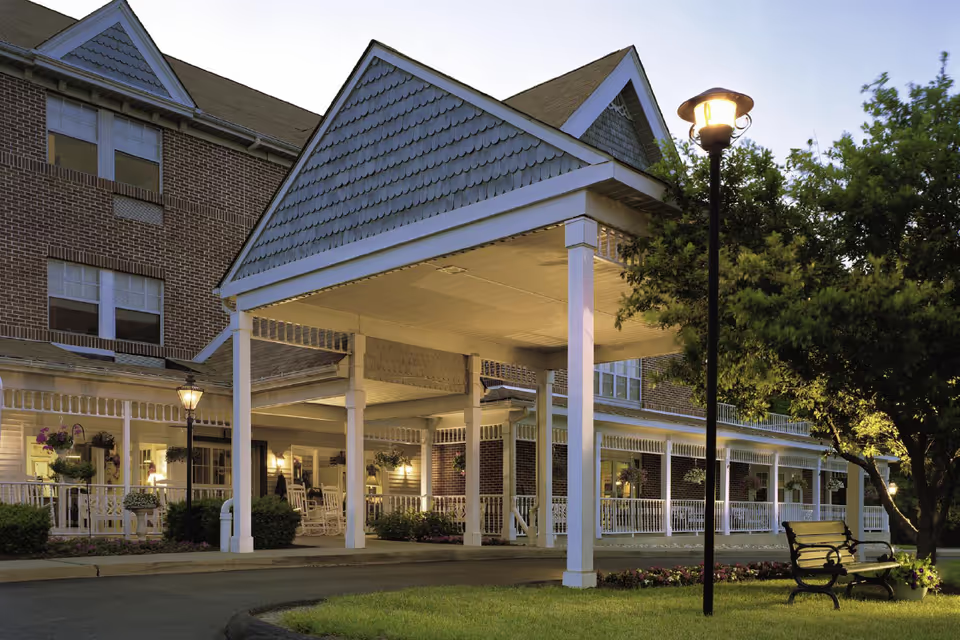
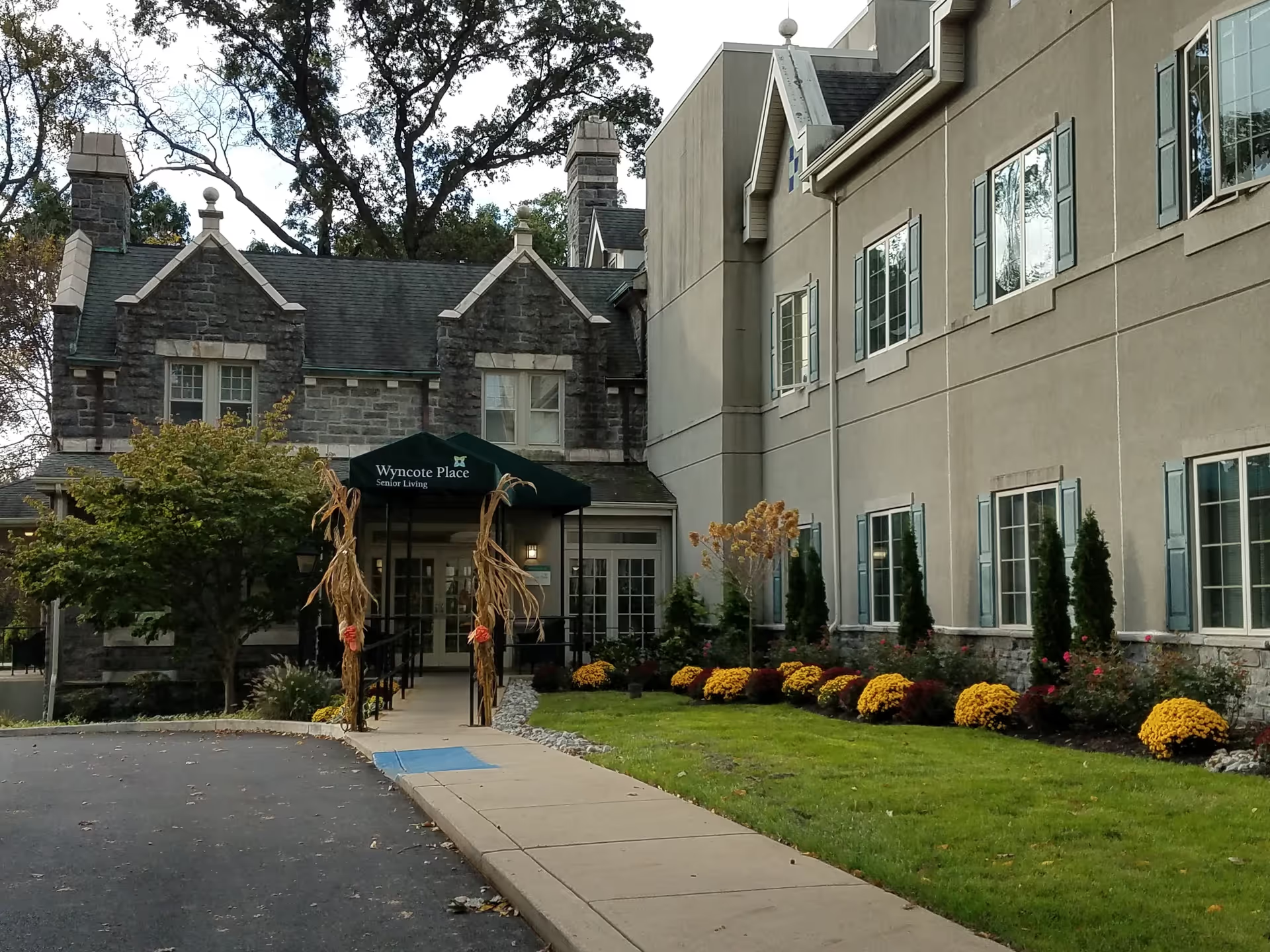
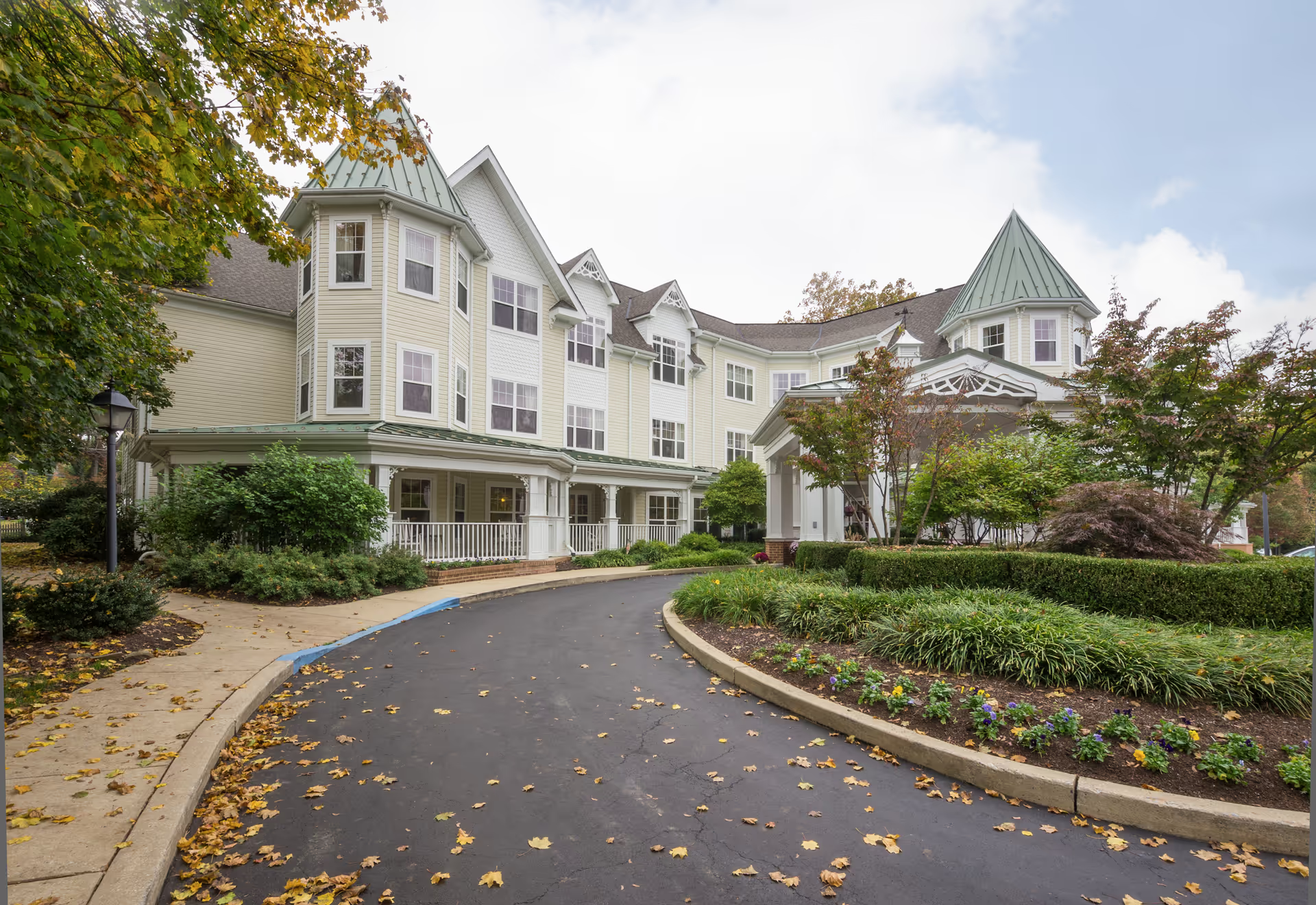
Masonic Village at Lafayette Hill presents as a well-appointed, high-end senior living community with many strengths alongside several operational concerns. The campus and residences are frequently described as clean, bright, and attractive, with well-maintained grounds and a quiet location convenient to shopping. On-site amenities such as a dining hall, billiard room, common social spaces, and transportation services contribute to a resort-like environment that many residents and visitors find appealing.
Care and staffing elicit largely positive comments about compassion and clinical competence. Skilled nursing and caregiving staff are commonly characterized as caring, professional, and responsive; families frequently credit staff with attentive support. However, staff continuity and staffing stability are cited as challenges. High turnover and variability in staff experience appear to affect consistency of care and resident experience. There are also references to gaps in care coordination resources, including the absence of a dedicated social worker in some personal-care settings, which can complicate family communication and care planning.
Dining and activities are a mixed picture. Numerous accounts praise the food and catering as excellent and the activities program as diverse and engaging, contributing to a lively, family-like atmosphere. At the same time, there is variability in dining quality and comments about bureaucratic processes within food service that can impede consistent meal delivery. The activities team is generally seen as active and creative, though there are observations about uneven experience levels among activity staff.
Facility operations show both strengths and weaknesses. The physical plant is attractive and largely well-kept, but reviewers mention intermittent HVAC and maintenance issues and variability in housekeeping frequency. Clinical access can be an operational pain point; difficulty scheduling on-site doctor appointments was raised as a recurring issue. Financial and administrative practices are another area of concern: reviewers note high overall costs, questions about value for middle-income retirees, and specific billing concerns such as overlapping charges for personal-care and health-care lines. Several comments also point to leadership and management problems—including perceived poor responsiveness, broken promises, and process-related barriers—that appear to amplify other operational shortcomings.
Overall pattern: the community is perceived by many as a high-quality, well-resourced environment with engaged staff, strong amenities, and an active social life. At the same time, prospective residents and families should weigh the premium cost against documented variability in management consistency, staffing stability, dining/service reliability, and administrative transparency. Recommended due diligence includes touring multiple residential levels, sampling meals, asking detailed questions about contract terms and billing practices, inquiring about staffing ratios and turnover, confirming maintenance and HVAC service protocols, and speaking with current residents and families about day-to-day consistency and leadership responsiveness.