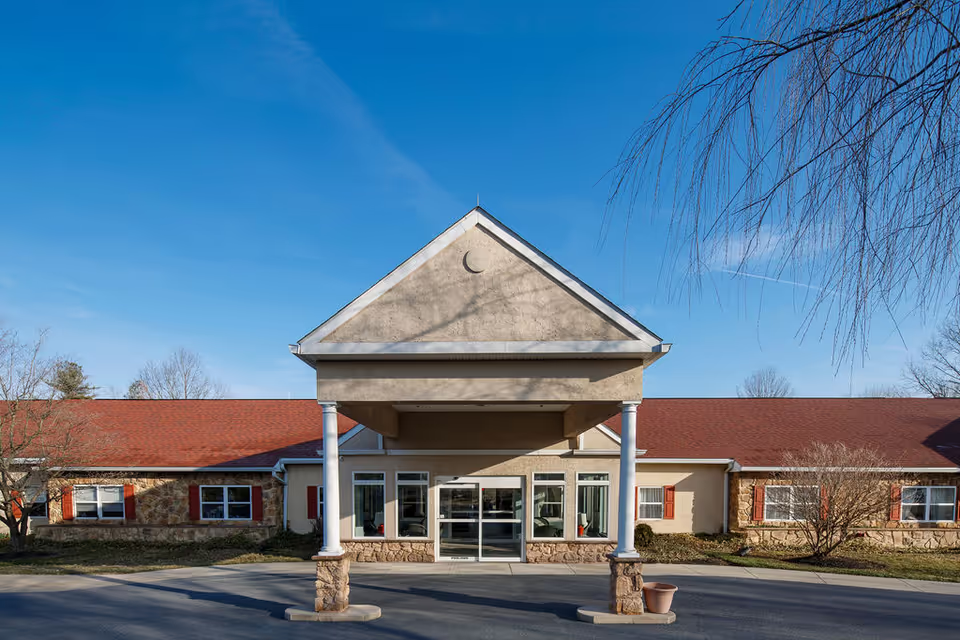
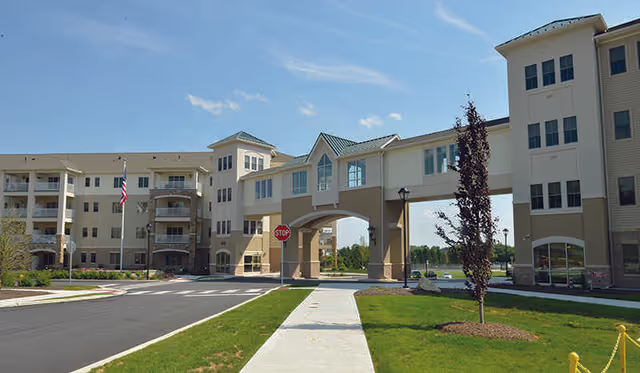
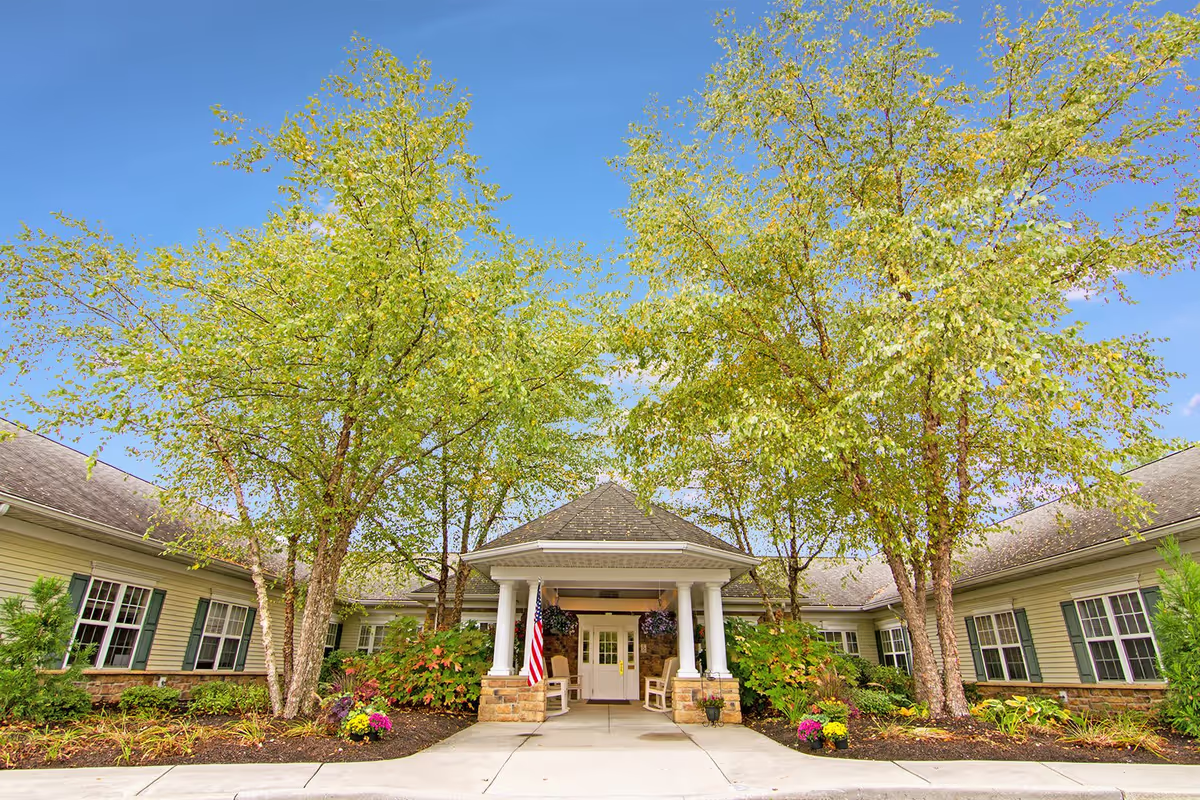
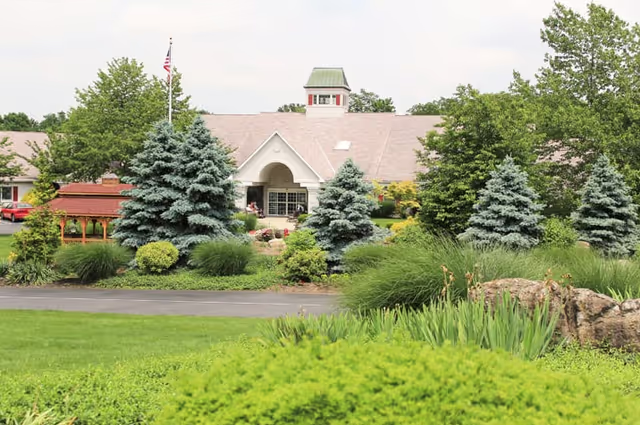
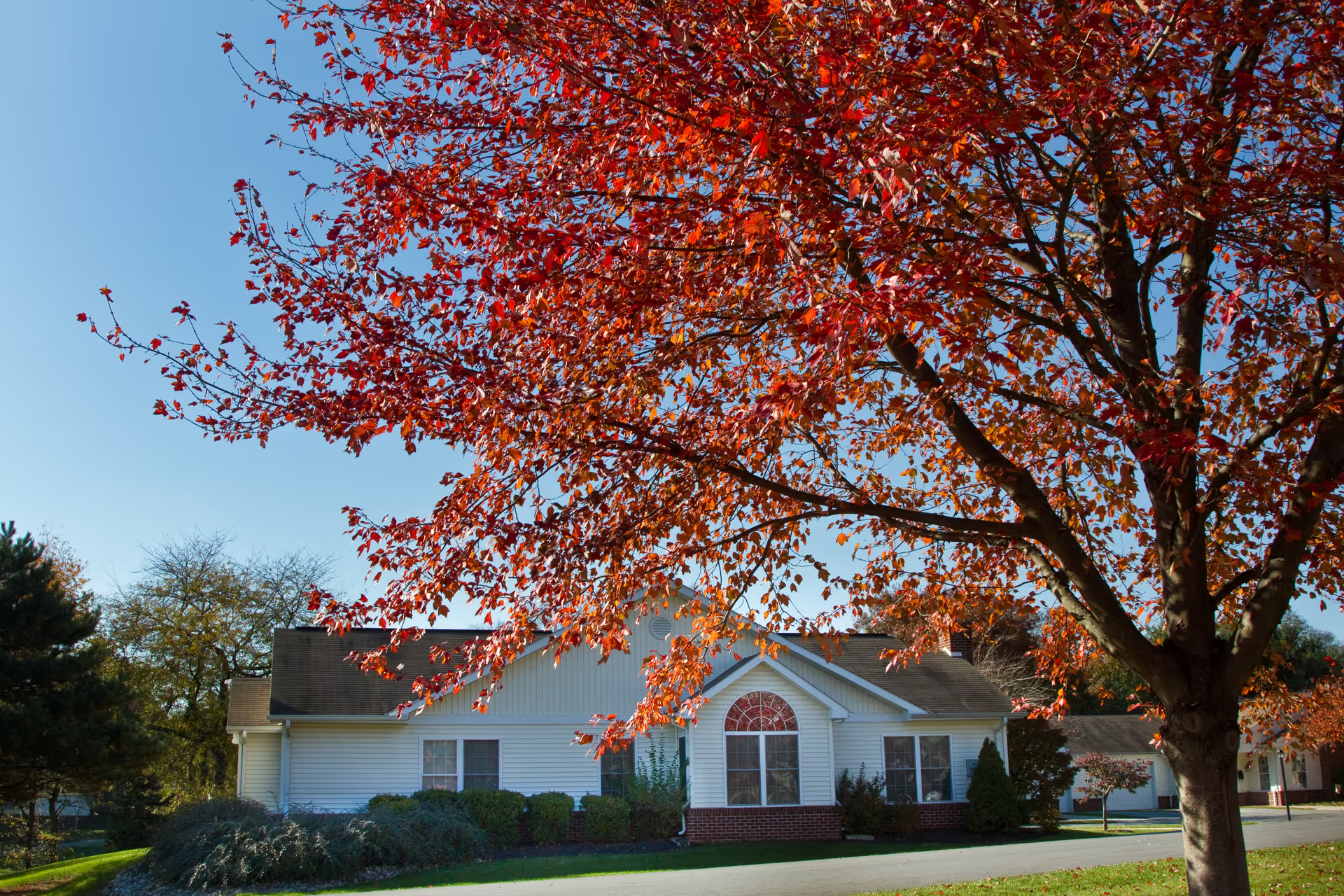
Reviews reflect a large, amenity-rich senior living campus that offers a strong array of lifestyle resources alongside an uneven operational record. Strengths consistently cited include an extensive set of on-site facilities (swimming pools, fitness centers, theaters, bowling, woodworking, multiple dining venues and on-campus services such as a bank and post office), attractive outdoor areas, and a variety of apartment types and sizes. The community supports an active resident culture with many clubs, classes, and outings; several accounts highlight well-attended activities, volunteer leadership, and opportunities for mental and physical engagement.
Dining and hospitality are frequently mentioned as important positives: many describe restaurant-style dining, white-tablecloth service in some dining rooms, and high-quality meals in parts of the campus. Admissions and sales interactions are also noted as helpful and informative by prospective residents and families. The campus scale and ongoing capital investment (new buildings, renovations) are appealing to those seeking continuity of services and a full continuum of care, including assisted living and higher-acuity care.
At the same time, there are recurring operational concerns. Staffing consistency and caregiver competency are uneven across units and shifts, producing variability in day-to-day care experiences. Reviewers describe gaps in communication between management and families, difficulty reaching leadership, and instances of administrative tone or behavior that strained family relationships. Privacy lapses and instances of inappropriate disclosure of resident information were raised as notable worries, indicating room for stronger confidentiality and record-handling practices.
Construction and renovation activity is another common friction point: prolonged noise, dirt, and inadequate mitigation are described, and some families felt renovation quality was variable. Activity programming is broad but scheduling reliability can be an issue—events or classes have been canceled without timely notice to residents or families. Several accounts express a perception that certain operational decisions prioritize marketability or cost control, which some families interpret as a shift toward a more institutional or profit-driven orientation; linked concerns include uneven landscaping/curb appeal and decisions about décor that may favor newer-market preferences over a more traditional, 'homey' ambiance.
Safety and care-response practices drew the most serious operational critique. There are descriptions of falls and delayed or insufficient responses to incidents that point to weaknesses in incident response protocols and staffing levels during critical times. Dining quality and presentation are praised in many areas but also described as inconsistent, with some families perceiving a decline over time or cost-driven changes in food service. Cost and long-term affordability are also flagged: some reviewers believe fees are high relative to perceived value, especially if care needs increase.
In sum, Manor at Willow Valley Communities offers a robust physical campus, broad programming, and many staff who provide compassionate, resident-focused interactions. Prospective residents and families should weigh those amenities against variable execution in day-to-day operations: evaluate staffing consistency, ask specific questions about communication and incident response protocols, inquire about how construction impacts daily life, and verify confidentiality safeguards. An in-person visit focused on speaking with current residents, observing meal service, and meeting unit-level caregivers will help clarify whether the facility’s strengths align with an individual’s priorities and care needs.