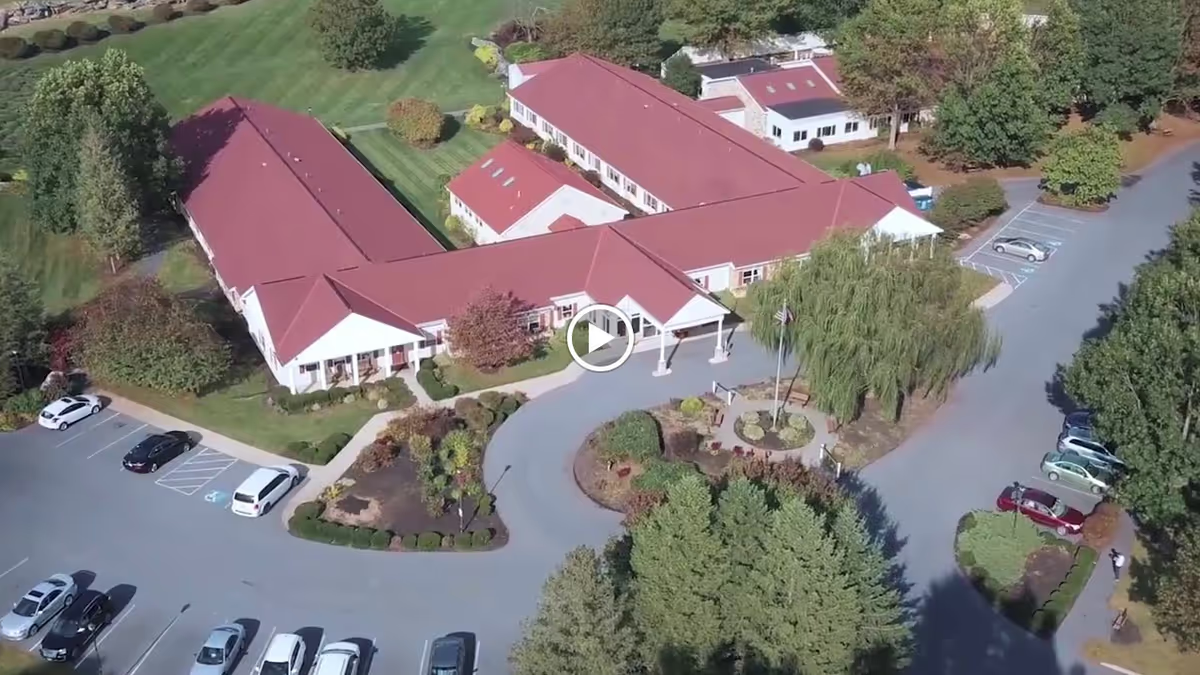
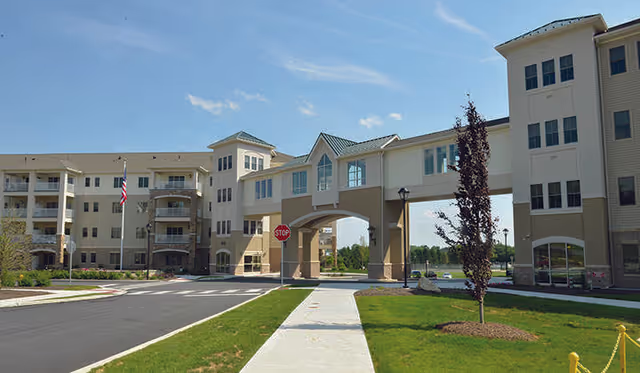
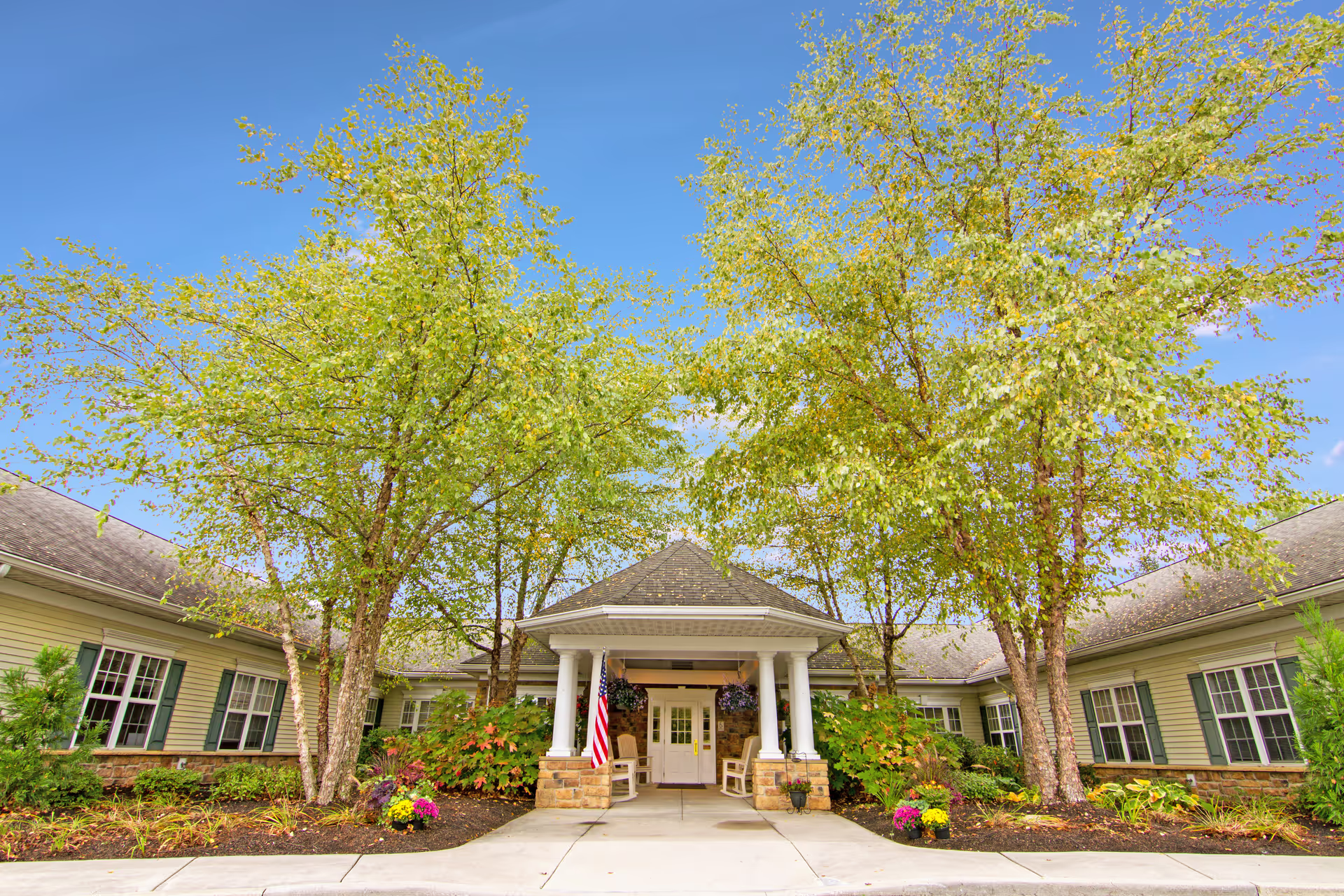
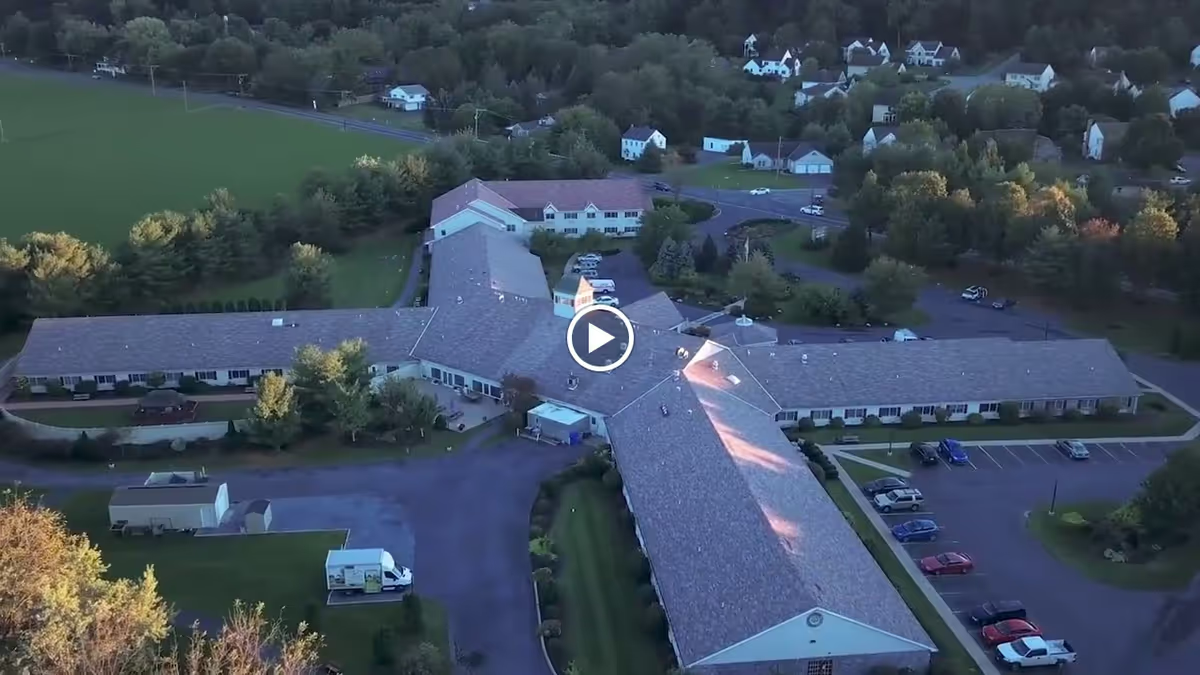
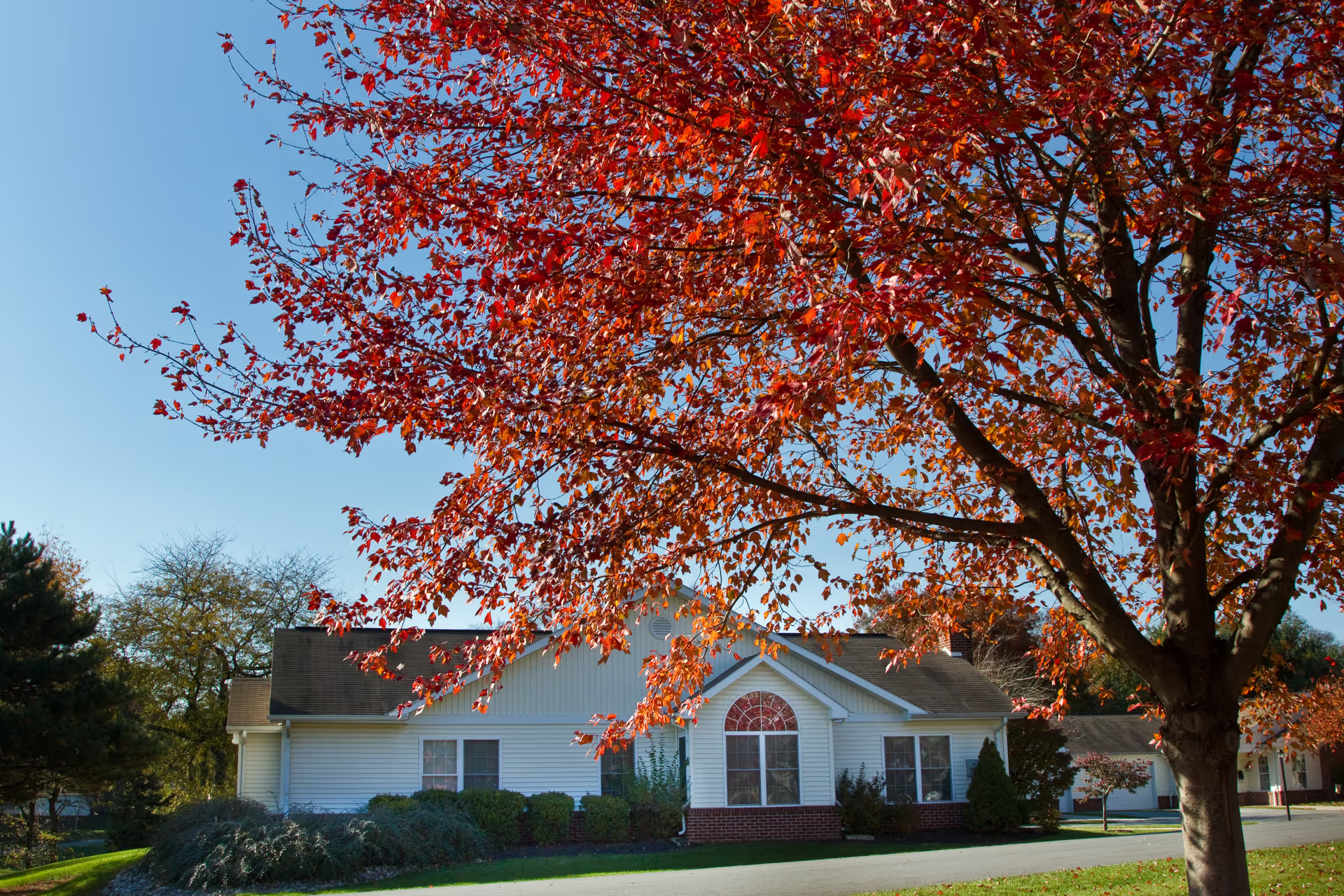
The Glen at Willow Valley Communities presents as an upscale, well-appointed senior living option with a resort-like atmosphere and recently updated interiors. Reviewers consistently note strong amenities and an active social calendar: a performing-arts center, choir activities, on-floor kitchens, frequent cultural programming, and a small-bus transportation option are cited as meaningful lifestyle benefits. Dining receives positive commentary as well, with several families describing the food and dining environment as high quality.
Care-quality impressions are mixed. Many accounts praise individual caregivers and describe excellent nursing interactions and moral support from staff. At the same time, there are recurring concerns about clinical responsiveness and operational consistency. Specific operational themes include delays in responding to call systems, perceived shortfalls in on-site medical coverage for higher-acuity needs, and instances that reviewers interpret as lapses in equipment handling and triage decision-making. Those patterns suggest variability in how clinical needs are handled across shifts and situations.
Staffing and conduct are another area of contrast. While some families describe courteous, attentive employees, others report inconsistent professionalism in tone and language. High turnover among nurses and aides is noted, which can affect continuity of care and relationship-building between residents, families, and caregivers. Management responsiveness is also uneven in reviewers' accounts: families who raised concerns describe challenges obtaining timely follow-up or satisfactory resolutions.
For prospective residents and their families, the facility’s strengths are clear: attractive physical environment, diverse programming, and generally well-regarded dining and lifestyle services. The primary operational risks to evaluate further are staffing stability, average response times to clinical requests, and how management handles incident communication and follow-up. Given the facility’s premium pricing and somewhat limited walkability to nearby shopping, visitors should also consider transportation needs and overall value relative to personal care requirements.
When touring or interviewing the community, recommended questions include: typical staffing ratios by shift, protocols and average response time for resident call systems, procedures for equipment safety and clinical escalation, turnover statistics for clinical staff, examples of family communication after an incident, and a clear breakdown of costs and included services. These focused inquiries will help families reconcile the community’s strong lifestyle offerings with the variability in clinical and operational experiences described by reviewers.