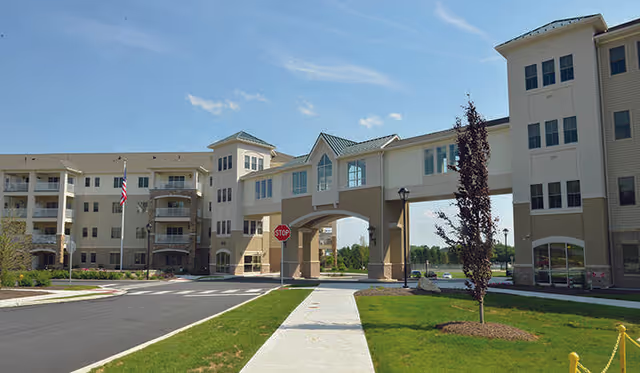
Reviews of Kadima Rehabilitation & Nursing at Lititz are strongly polarized: a notable core of reviewers describe positive, family‑oriented care led by skilled therapy teams, while another group raises substantive operational concerns. The facility's rehabilitation and therapy services are consistently cited as a strength — reviewers praised physical and occupational therapy staff, described effective therapy outcomes, and characterized the therapy teams as caring and competent. Individual nurses and aides are frequently described as compassionate and attentive, and several accounts highlight meaningful family engagement and special events such as birthday celebrations.
At the same time, multiple operational patterns emerge that merit attention. Staffing instability and perceived shortages were recurrent themes: reviewers described high turnover, variable shift coverage, and inconsistent presence of experienced caregivers. These staffing issues are associated in the reviews with delays in medication administration, missed or delayed pain relief, and broader gaps in medication-management practices. There are also repeated comments about supply and inventory problems including medication stockouts and occasional shortages of bedside supplies.
Infection-control and safety practices were described inconsistently. Some families reported adherence to PPE and quarantine procedures, while others described inconsistent mask use and communication about quarantine expectations. Relatedly, several reviewers raised sanitation and odor concerns in specific areas and noted maintenance issues such as HVAC/AC timing, broken equipment, and occasional room-level repairs that were not promptly addressed. A few reviewers indicated serious dissatisfaction that led to escalation; one family described filing a complaint with state licensing authorities.
Communication and care coordination are another split area. Positive accounts emphasize supportive administration and clear, timely family communication. Negative accounts describe poor follow-through: limited discharge planning and coordination, lapses in post-discharge medication reconciliation, difficulties obtaining insurance preauthorizations, and inconsistent contact with primary providers. These communication gaps intersect with safety concerns when changes in orders or follow-up actions are not relayed reliably to families or external home-health providers.
Dining and activities also drew mixed feedback. Some residents and families praised meal variety, dining options, and activity programming; others reported limited programming availability, small in‑room TVs, and inconsistent access to entertainment. Laundry and housekeeping services were often noted as functioning, though a few reviewers described isolated problems with missed laundry or lost belongings.
In summary, prospective residents and families should weigh two clear patterns in these reviews. The facility appears capable of delivering strong rehabilitative services and nurturing, person‑centered interactions from individual caregivers and therapy staff. Conversely, there are recurring operational weaknesses — especially around staffing consistency, medication administration, communication and discharge coordination, sanitation and maintenance, and supply management — that have negatively affected some families’ experiences. Visiting in person, asking specific questions about staffing ratios, medication-safety protocols, discharge procedures, and recent survey or complaint resolutions will help families assess whether the facility’s strengths align with their priorities and whether identified operational gaps have been addressed.