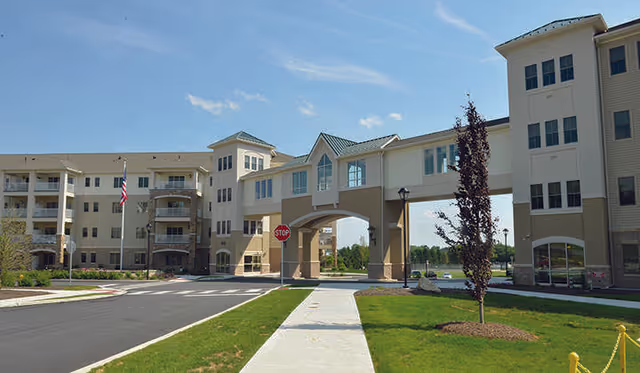
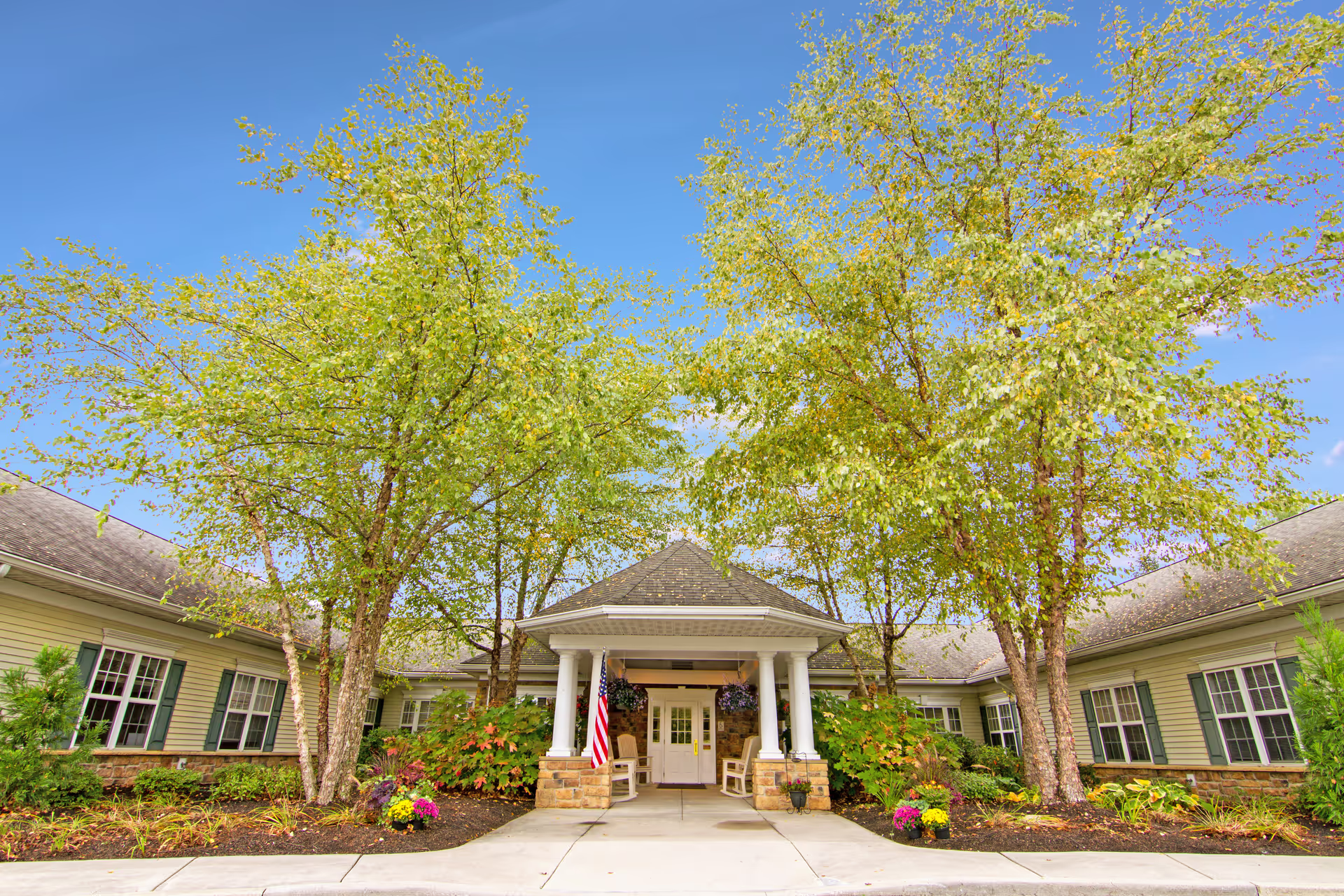
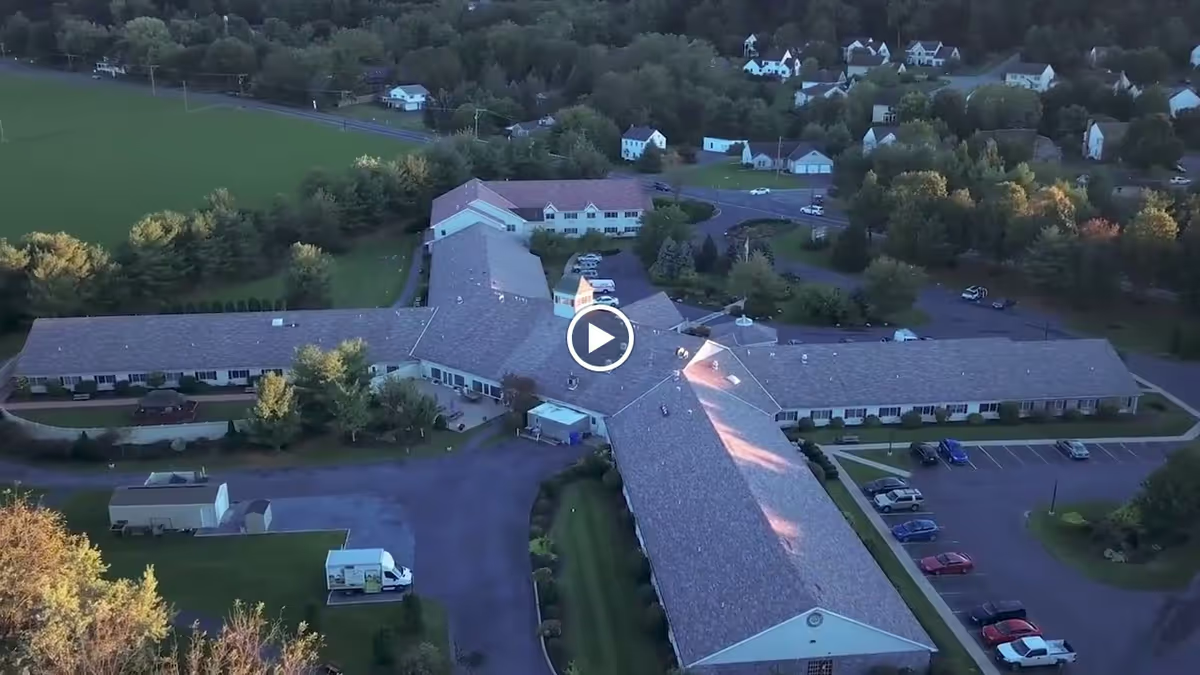
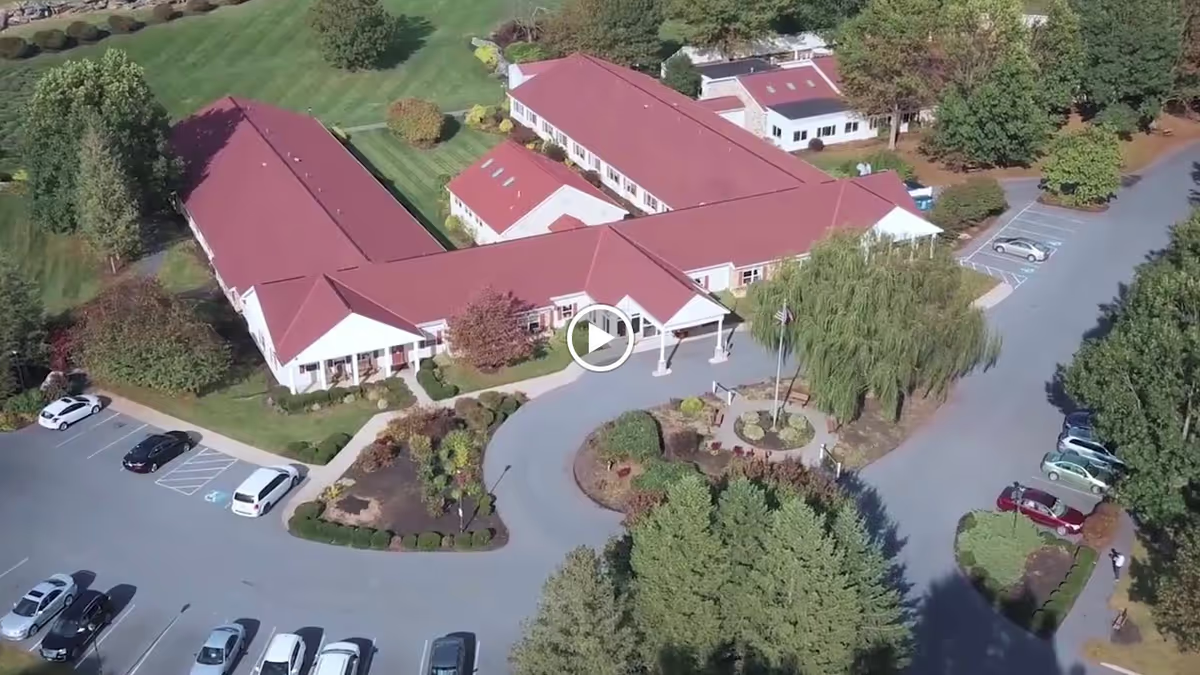
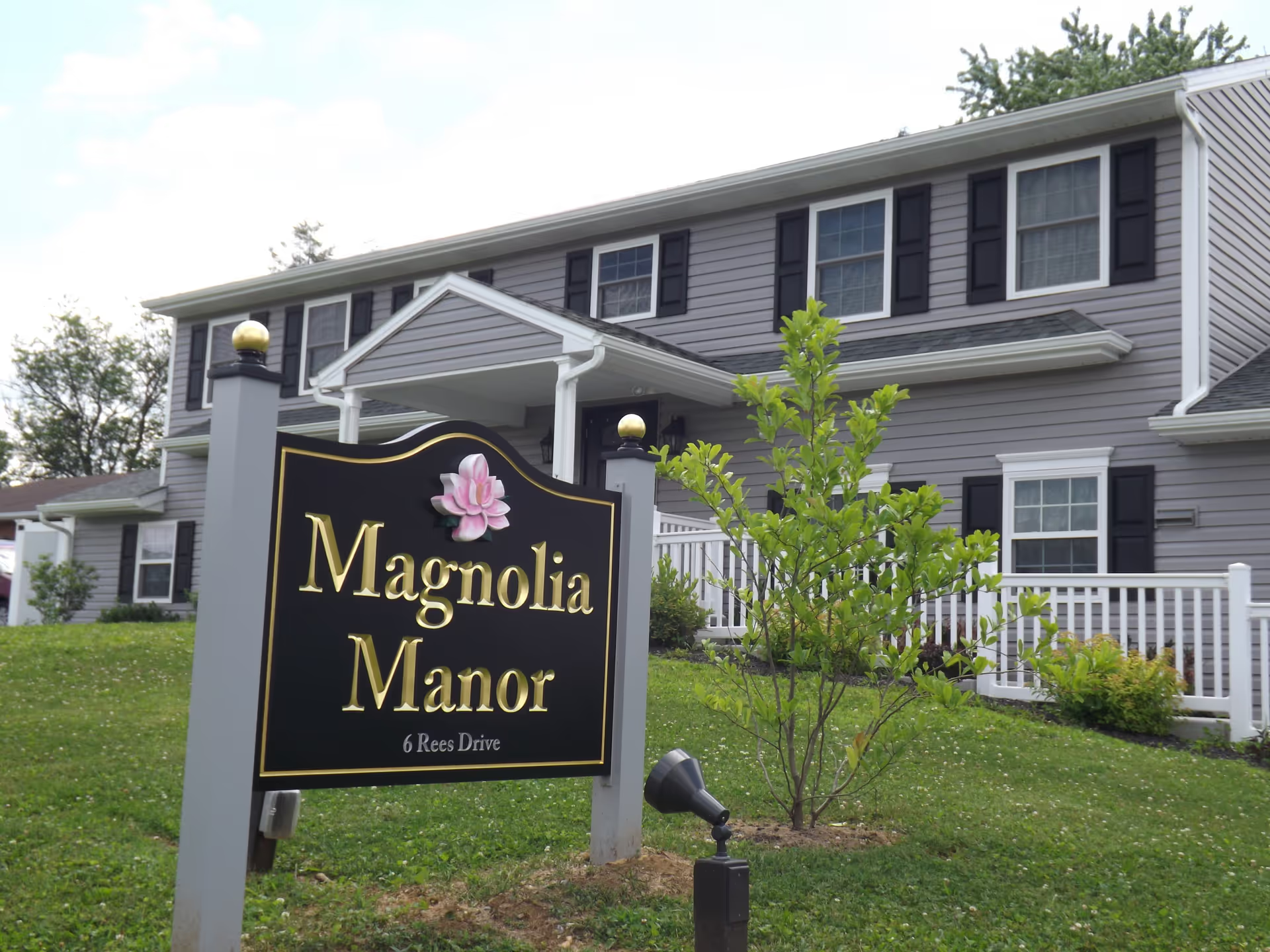
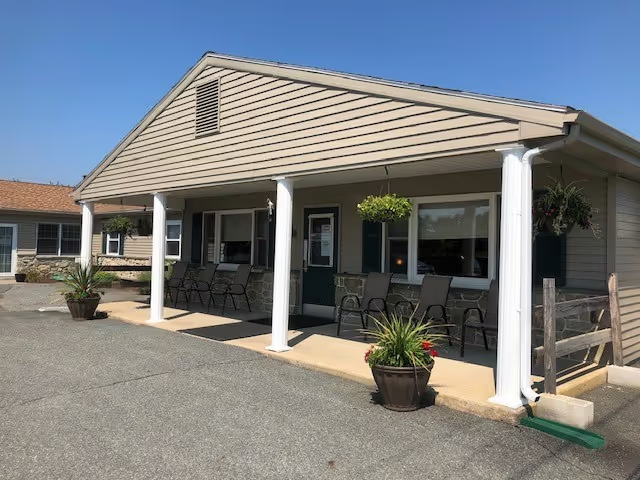
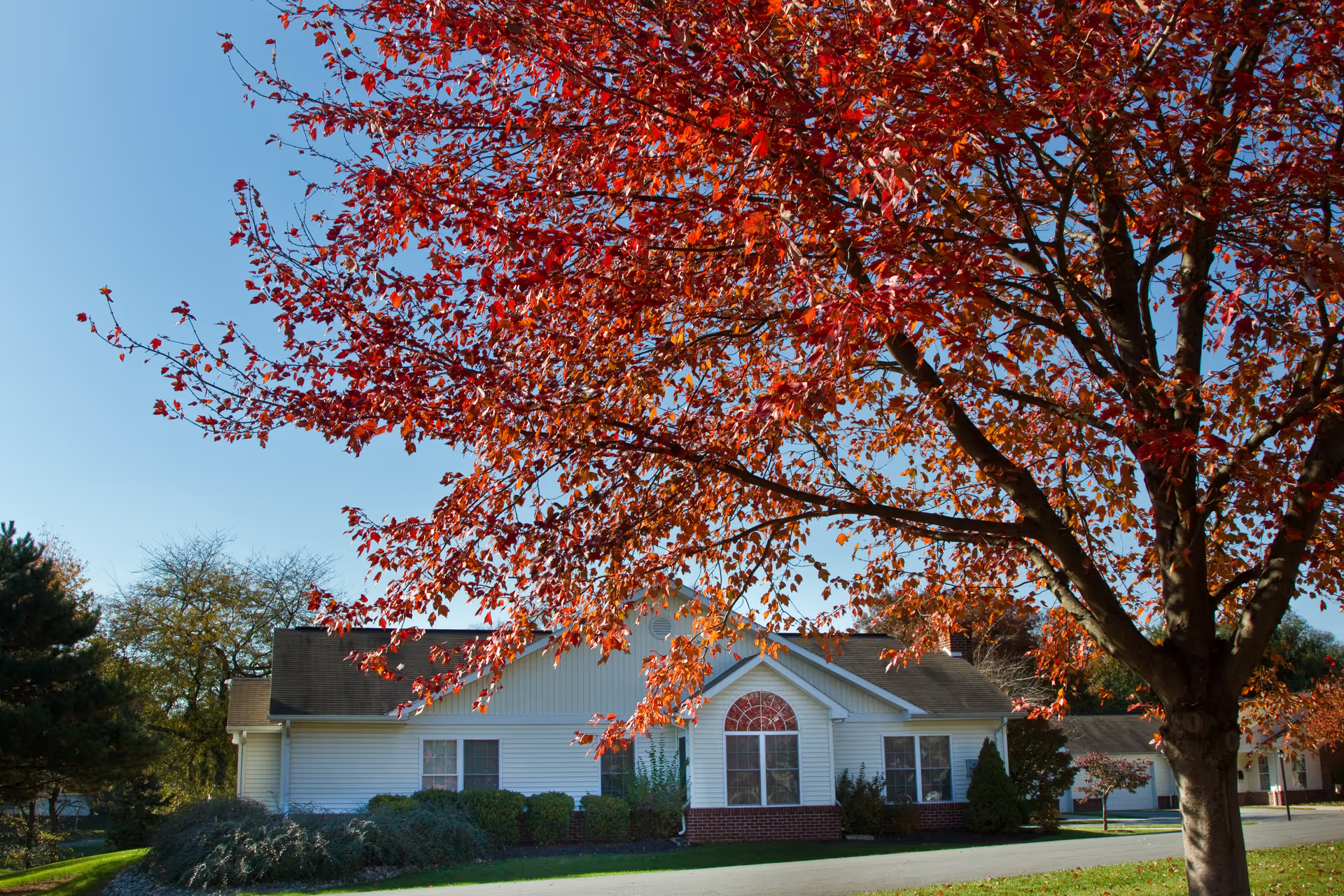
Landis Homes is consistently described as a campus with a strong community orientation, robust activity programming, and a full continuum of care. Many families and residents highlight the welcoming atmosphere, frequent organized events, fitness opportunities, and intergenerational contact through an on-site daycare. The campus layout includes multiple residential building types, private outdoor spaces (patios, balconies, sunrooms), accessible walking trails, wetlands and gardens, and amenities such as a bistro, multiple restaurants, a gym and a supervised pool. Recent renovations and green‑building elements contribute to a modern appearance while the grounds are frequently noted as well maintained and attractively landscaped.
Clinical care and staffing are prominent strengths in the reviews: staff are often described as compassionate, knowledgeable, and person‑centered, with a generally positive reputation for nursing and clinical services. Several comments emphasize attentive, respectful interactions, individualized care approaches, and a sense of safety and comfort in the skilled‑nursing setting. Planning and admissions support is also noted as helpful and responsive, which assists prospective residents in assessing fit and next steps.
Dining and daily living impressions are mixed but generally favorable. Many reviewers praise the cooks and specific meal offerings, mentioning a bistro and multiple dining venues as positives; others note above‑average food and memorable soups and entrees. However, concerns about meal sourcing and freshness appear as operational issues: some families referenced premade or frozen items, limited fresh fruit availability, and extra service charges such as tray delivery or additional fees for care‑related services. Pandemic-era restrictions (dining closures) were also mentioned as a temporary disruptor in some accounts.
Activities and wellness programming are a clear asset: organized fitness classes, Pathways programs, pool-based exercise, volunteer opportunities, and outdoor recreation are widely cited. The intergenerational aspects—children on campus and contact between generations—are viewed as a distinguishing feature that enhances social engagement for residents.
There are several operational and management concerns to weigh. Cost is a recurring theme: Landis Homes is described as expensive, and multiple notes reference additional or opaque fees that can affect total cost of living. The community has limitations in accommodating certain high‑acuity needs; specifically, placement for residents with advanced dementia combined with severe vision impairment was described as challenging, indicating capacity or programmatic limits in memory or special‑needs services. Some reviewers expressed concerns about management transparency, inconsistent branding versus institutional practice, and contentious internal culture related to inclusion policies, which a subset of families felt created division. A few comments referenced hiring processes and security‑team interactions in a way that suggests opportunities for improvement in human resources and incident response.
In summary, Landis Homes offers a well‑maintained, activity‑rich campus with generally strong clinical care and a supportive staff culture. Prospective residents and families should weigh the high cost and potential extra fees, verify the community’s current capacity and programming for advanced cognitive or sensory impairments, and discuss management policies and staffing practices during touring and contract discussions. For those seeking an active, community‑oriented campus with robust amenities and a full continuum of care, Landis Homes appears to be a strong option; families with very specific high‑acuity needs or strict budget constraints should confirm fit and fee transparency before committing.