Overall impression: The community is described as caring and well maintained, with particular strengths in direct resident care, groundskeeping, and social programming. Memory-support residences are noted as modern, small-house in scale, and staffed in a way that many families characterize as compassionate and attentive. Common themes include timely clinical coordination (for example, physical therapy) and frequent, clear family communication in many cases.
Care and staff: Clinical- and hands-on-care aspects are commonly cited as strengths. Nursing staff are described as taking time with residents, using personalized interactions (including addressing residents by name), and arranging therapies promptly. Staff are frequently characterized as pleasant and approachable, creating a family-like atmosphere. That said, there are isolated indications of variability in staff tone and greetings, and some reviews describe unresponsiveness or lack of interest at the admissions/marketing stage. Prospective families should assess consistency of staff interactions and ask about admissions communication protocols.
Dining and activities: Mealtimes receive generally positive remarks about quality and variety, and the presence of an on-site café is welcomed. Recreational programming is active, with offerings such as bingo, discussion groups, and outings; reviewers found activities engaging and appropriate for memory-support residents. A few comments suggest the dining-room décor is utilitarian rather than upscale, and there were minor suggestions for additional outdoor recreational features (for example, putting greens).
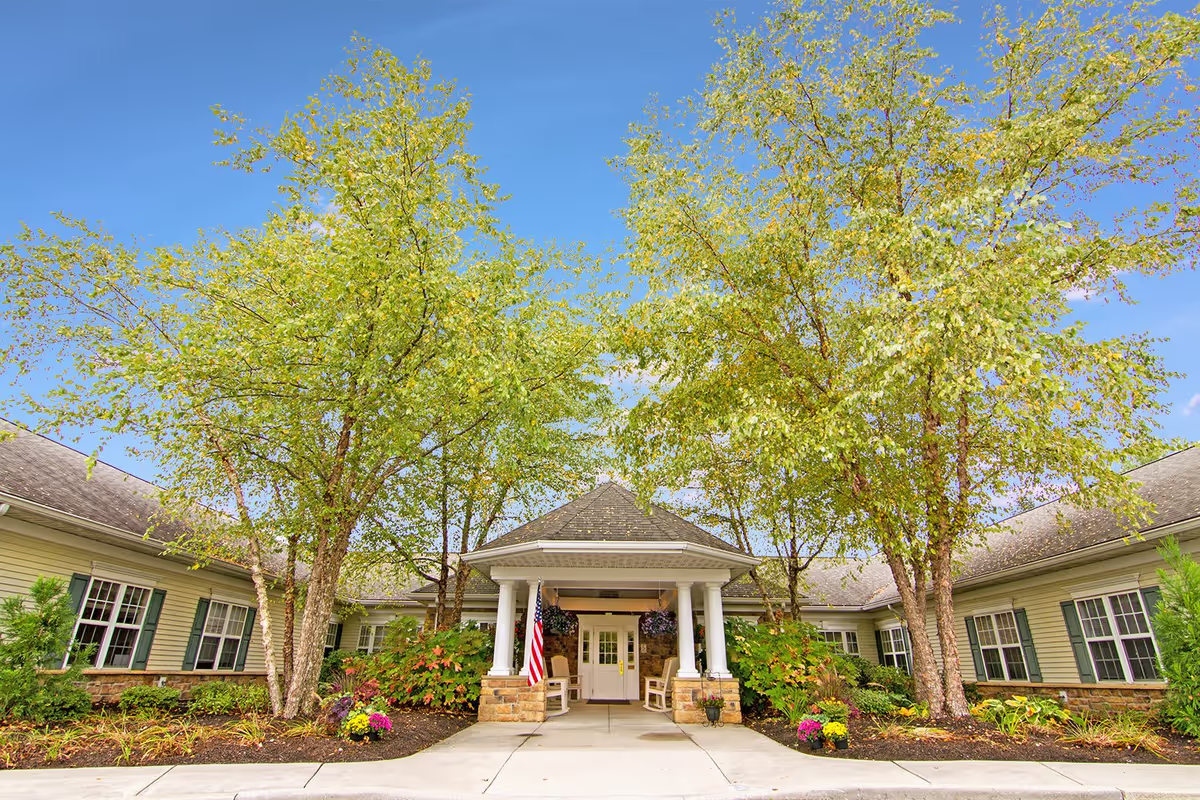
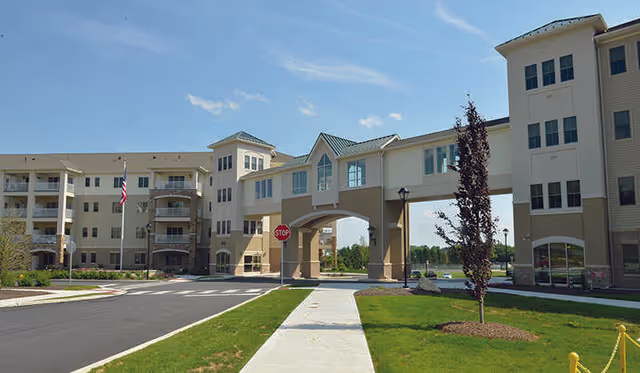
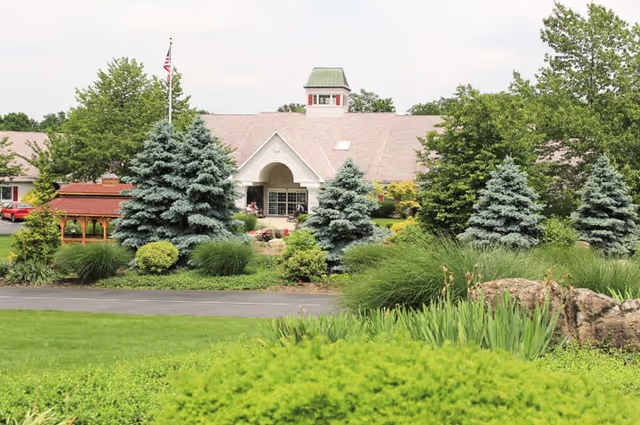
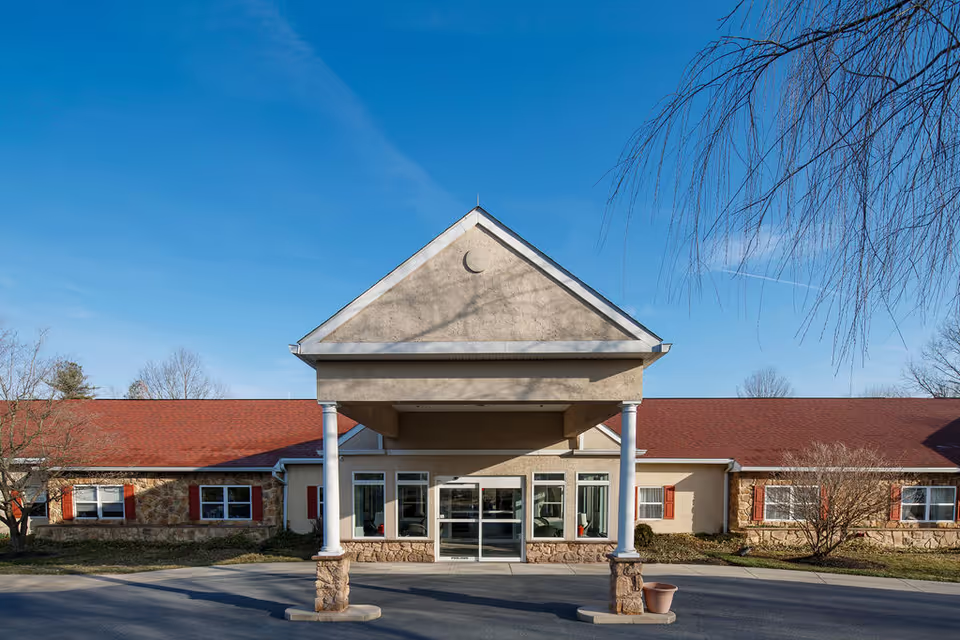
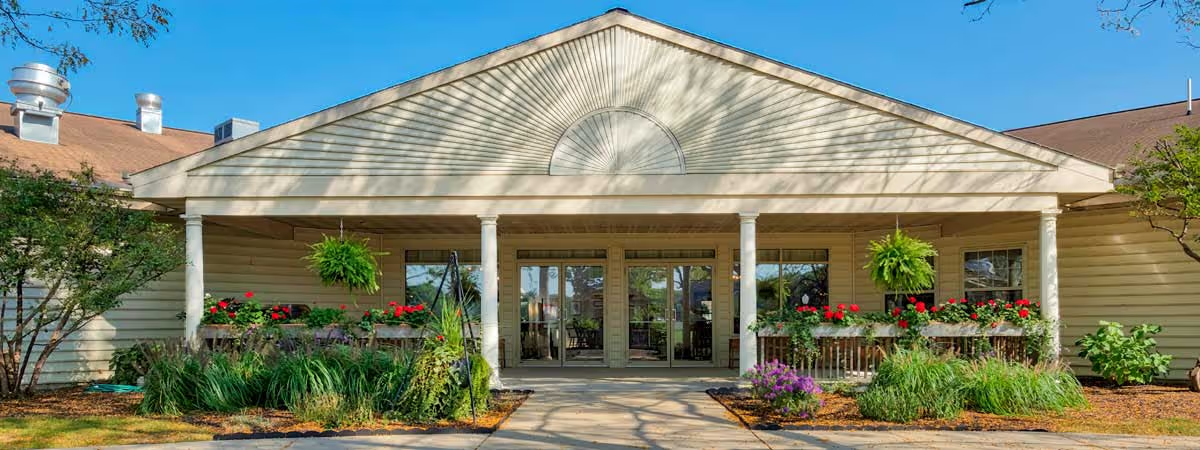
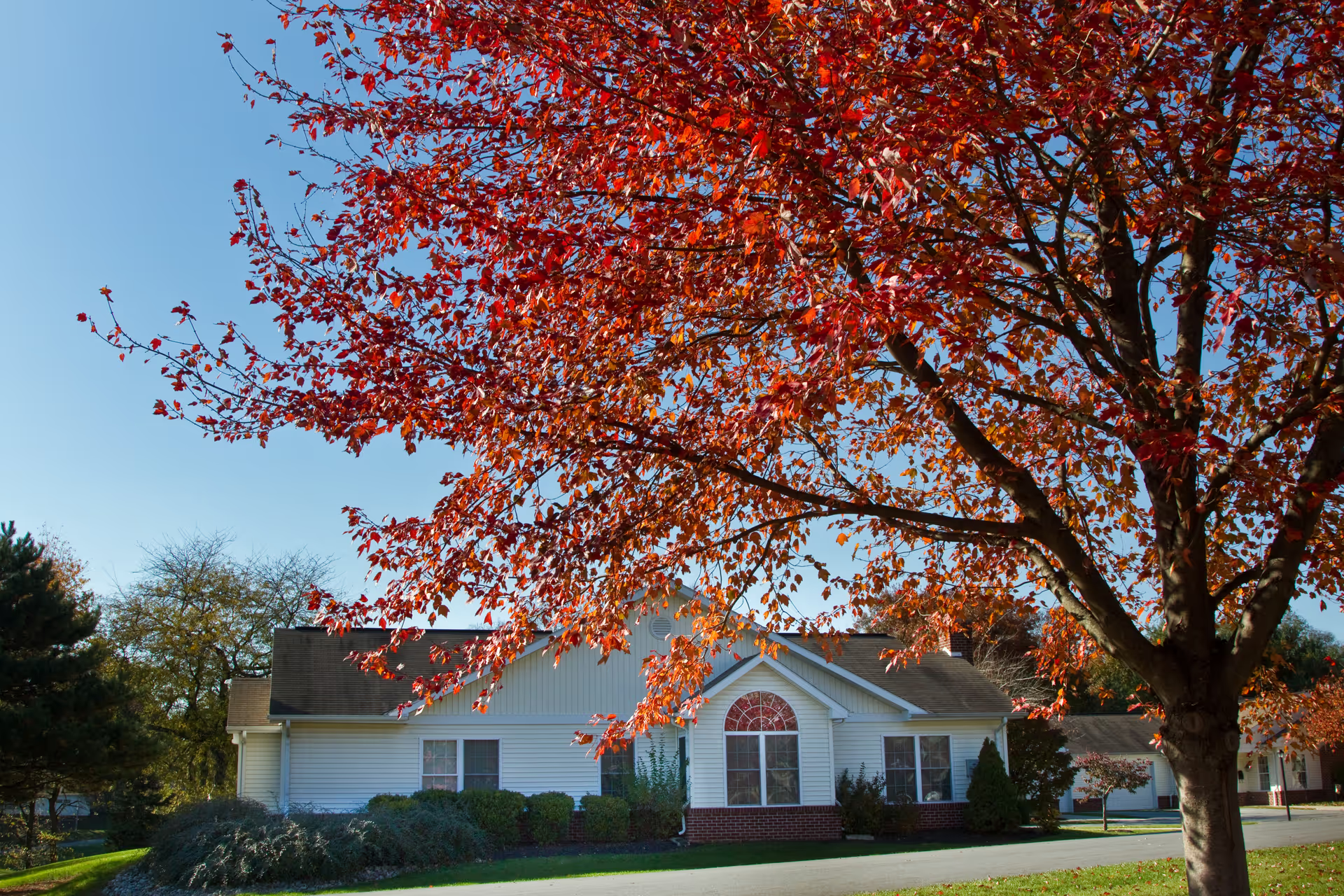
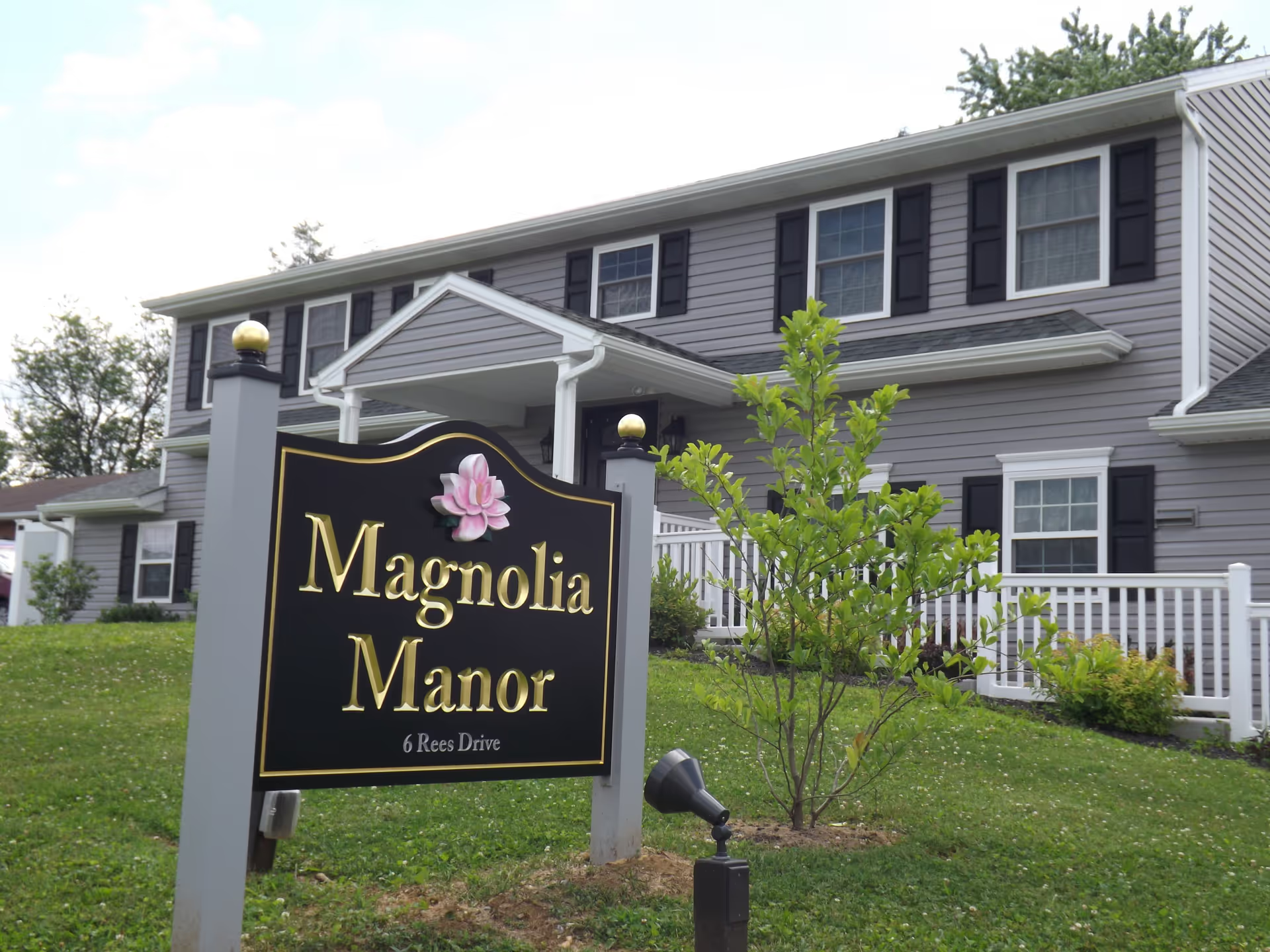
Facilities and campus: The property benefits from well-kept grounds, attractive landscaping, and multiple pleasant outdoor seating areas. Apartments are described as roomy compared with peers, and newer memory-support homes feature centralized kitchens and comfortable common spaces. Conversely, the campus layout is described as dispersed, with multiple clusters of cottages and apartments that are not always internally connected; this outdoor-focused design may present access or comfort limitations during winter months. The community does not appear to have an on-site pool, and some parts of the physical plant are older. There are also mentions of a long waiting period for newer units and slower-than-expected delivery of ancillary projects.
Management and notable patterns: Maintenance and groundskeeping are consistent strengths, and routine clinical coordination is responsive. The main operational weaknesses that emerge are inconsistent front-office admissions responsiveness, uneven staff communication tone in a minority of interactions, and practical issues related to campus layout and seasonal accessibility. Families considering this community should inquire about unit availability and waitlist timelines, winter-weather mobility plans between campus components, admission-staff point-of-contact procedures, and the status/timetable of any promised amenities. Overall, the community appears well suited to residents and families prioritizing personalized nursing care, active programming, and attractive outdoor environments, with trade-offs around campus connectivity and admission timing to consider.