Overall impression: Reviews describe a facility with distinct strengths in person-centered care on certain units and during particular shifts, alongside recurring operational weaknesses that create variability in the resident experience. Many families praised individual nurses, CNAs, therapists, and unit leaders for compassionate, effective care—especially for rehabilitation and spiritual support—while other accounts describe delays, coordination problems, and inconsistent standards.
Care quality and clinical concerns: Clinical performance appears inconsistent. Several families praised attentive nursing and therapy that produced measurable improvement, particularly on a specific floor noted for reliable RN and CNA teams. Conversely, other accounts described delays in assistance and medication administration, coordination problems for physician or transfusion appointments, and pressure to transfer residents; these indicate gaps in responsiveness and medication/appointment management at times. Discharge planning and social-work support were specifically identified as areas with procedural shortfalls that affected transitions home or to other settings.
Staff and management: Staffing stability is a central theme. Positive experiences correlate with stable, engaged unit leadership and veteran staff; negative experiences correlate with high turnover, heavy use of contract staff, and busy or short-staffed shifts. Families noted both warm, communicative managers and examples of poor communication or unhelpful social-work interactions. These patterns suggest unit-to-unit and shift-to-shift variability in leadership, orientation, and staff training, with contract/staffing models contributing to tension and inconsistent practices.
Dining and activities: Dining impressions are mixed: some reviewers found the meals tasty and well-served, while others described repetitive menus or poor-quality dishes. Activities programming exists (puzzles, games, entertainment, spiritual services) and is meaningful for some residents, but availability can be uneven; some families noted an active schedule, while others found activities often unavailable or not a fit for particular residents.
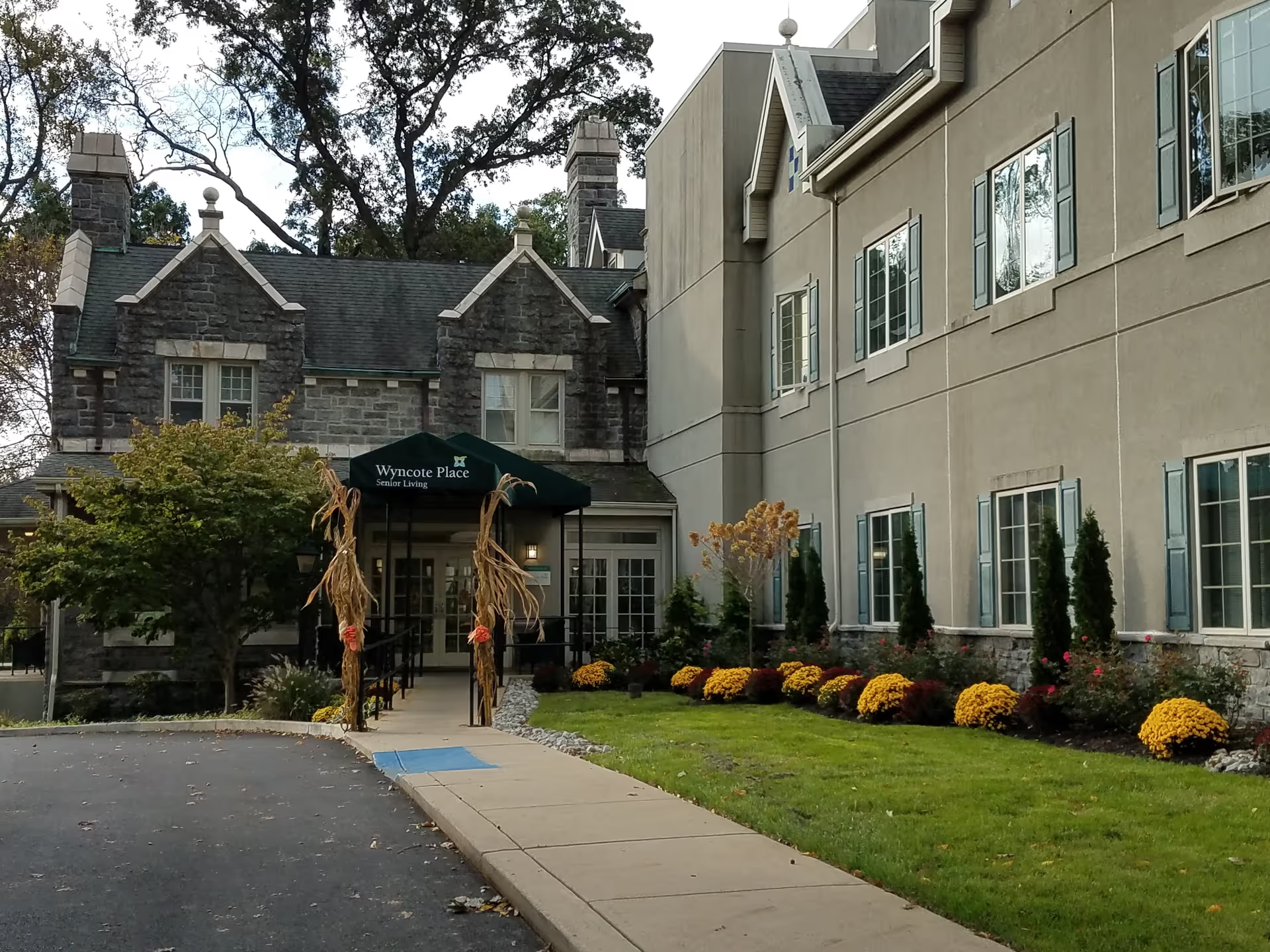
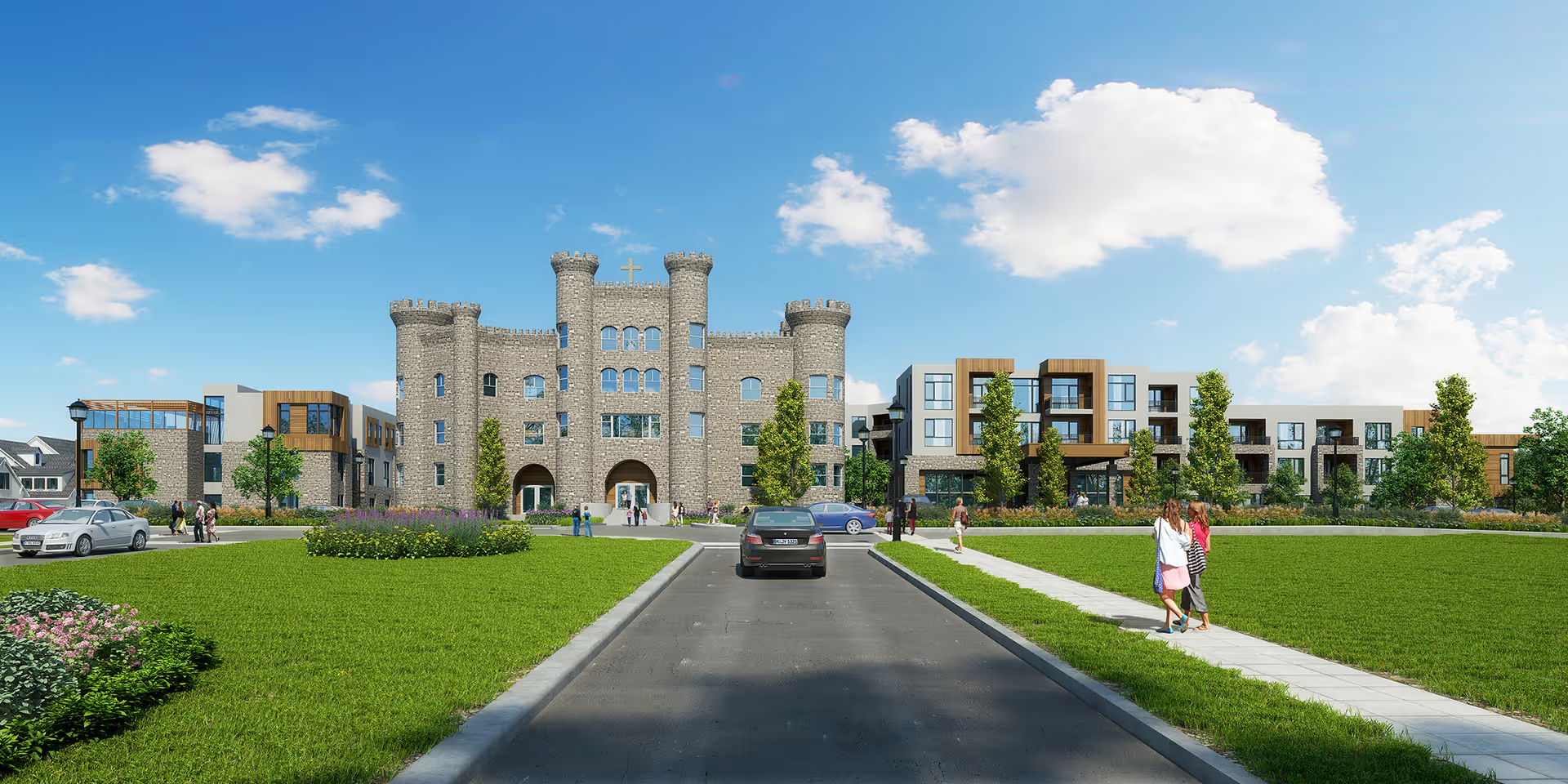
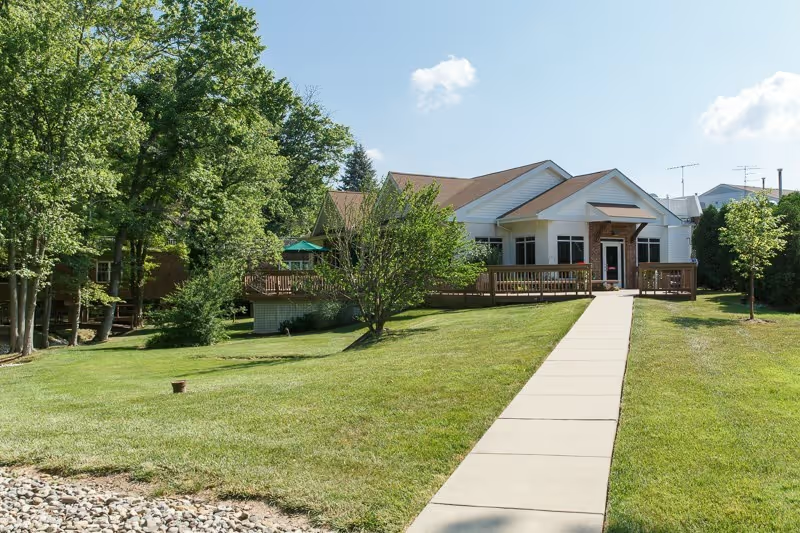
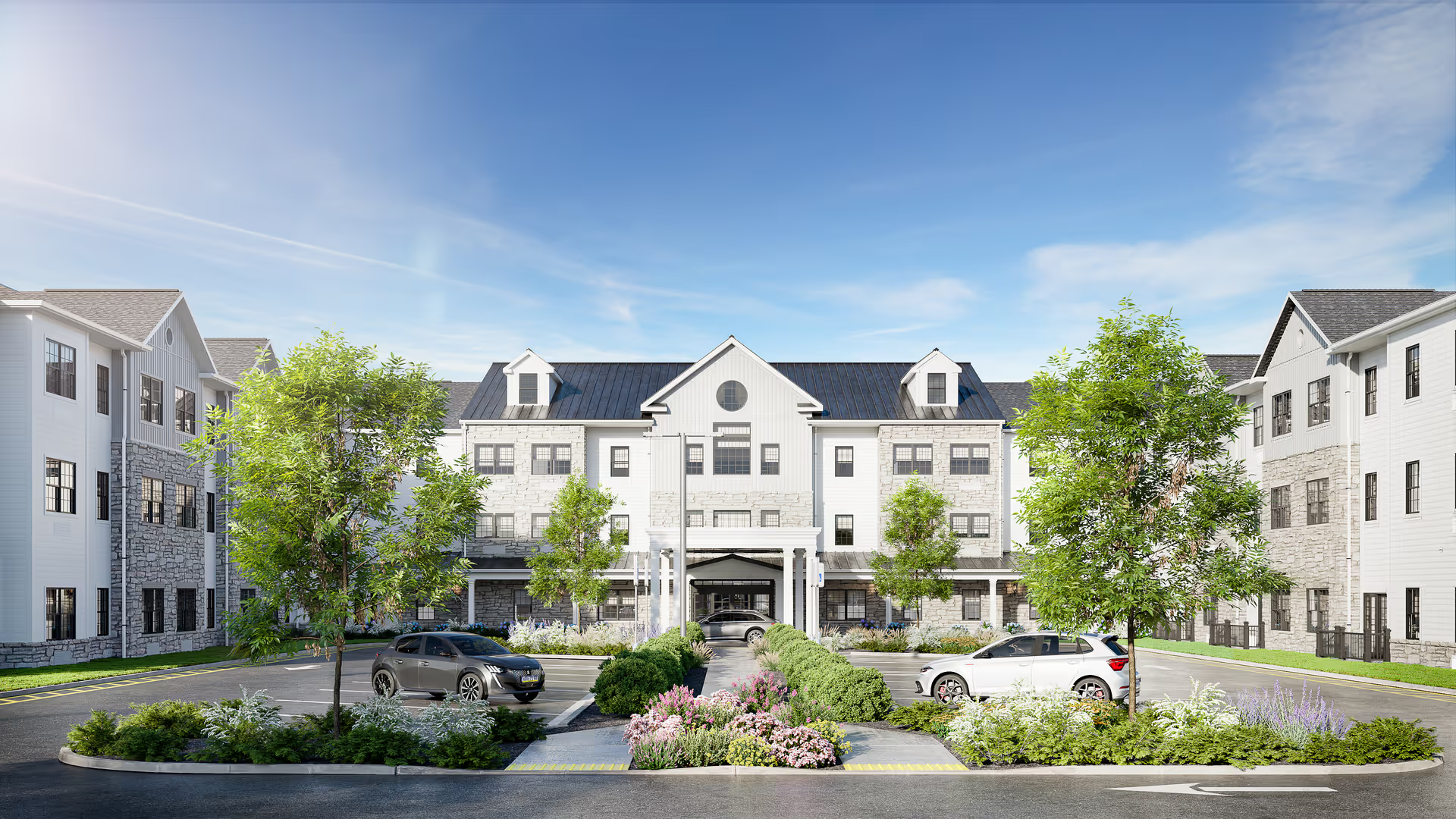
Facilities and campus: The facility and grounds are frequently described as well maintained, with clean interiors, attractive gardens, and a courtyard area with water features that families appreciate. Room size and condition vary—some rooms are small or older and may need cosmetic attention—so the physical environment feels uneven depending on room assignment. Infection-control visitation policies (e.g., COVID-related restrictions) have affected access at times.
Notable patterns and guidance for prospective families: The dominant pattern is variability. Positive care experiences are often unit- and shift-specific; operational issues tend to cluster around staffing shortages, use of temporary staff, communication breakdowns, and discharge coordination. Prospective families should tour multiple units, ask about staffing ratios for the specific unit and shift, inquire how the facility manages temporary/contract staff, clarify medication-administration and communication protocols, review discharge and social-work procedures, and request sample activity schedules and meal rotations. These targeted questions can help assess whether a particular unit or shift aligns with a resident's needs and expectations.