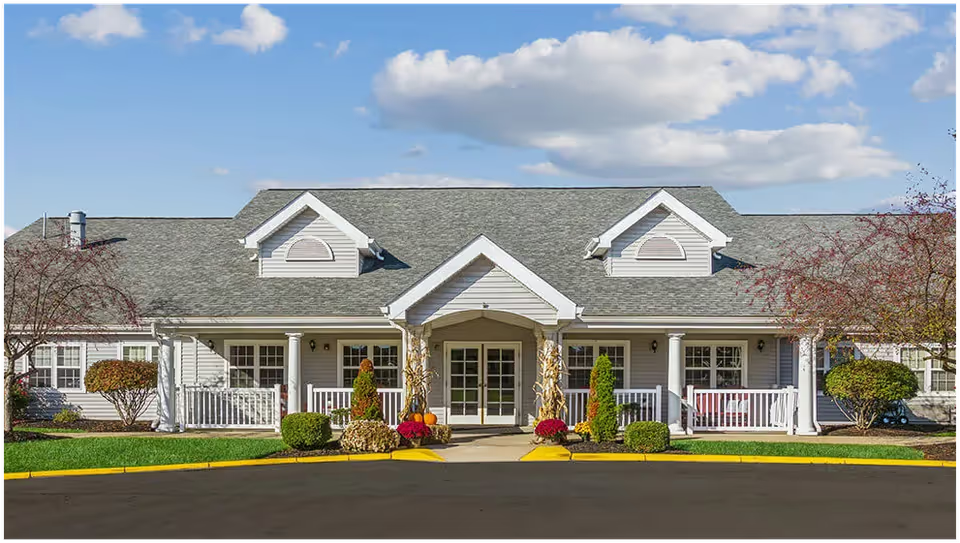
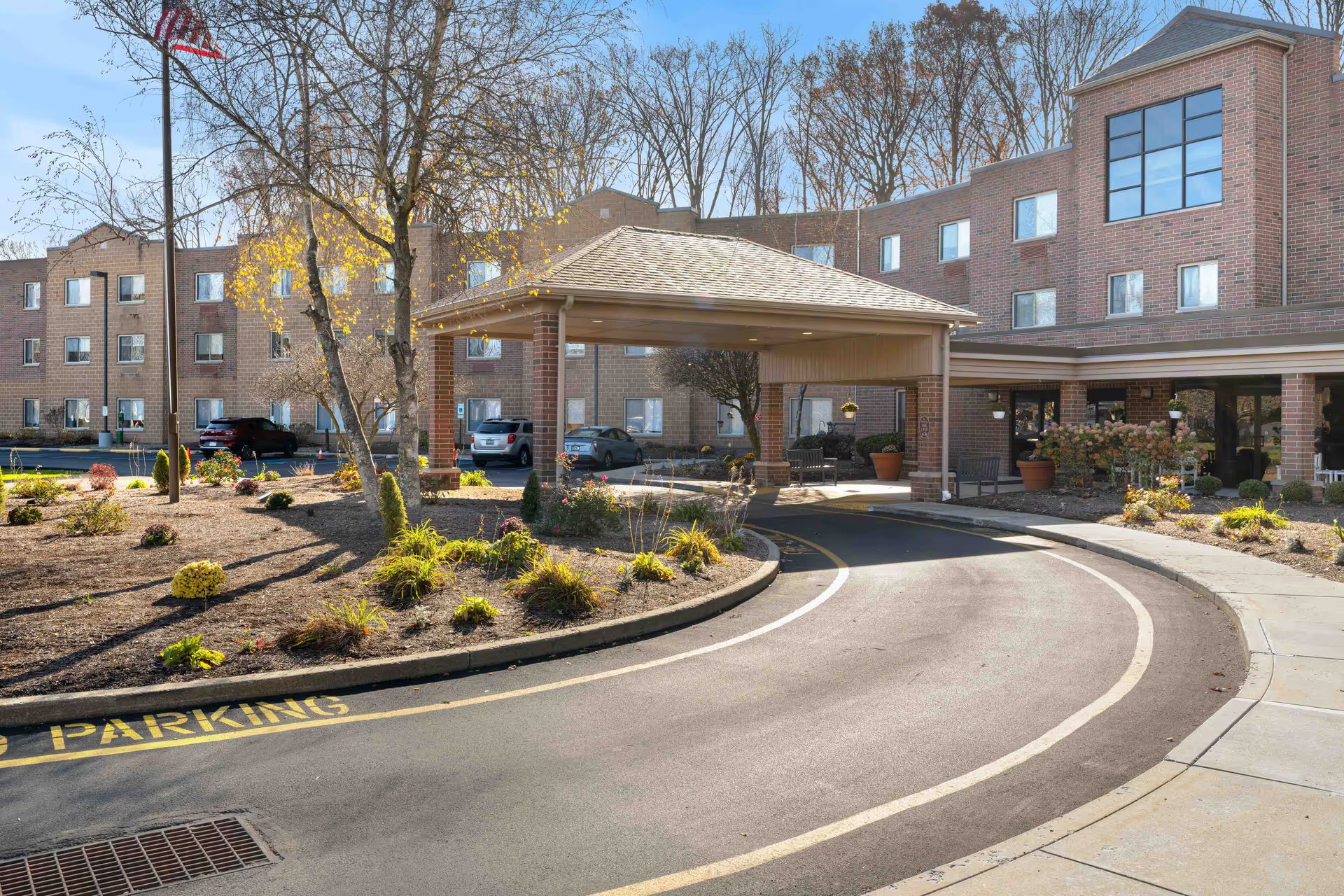
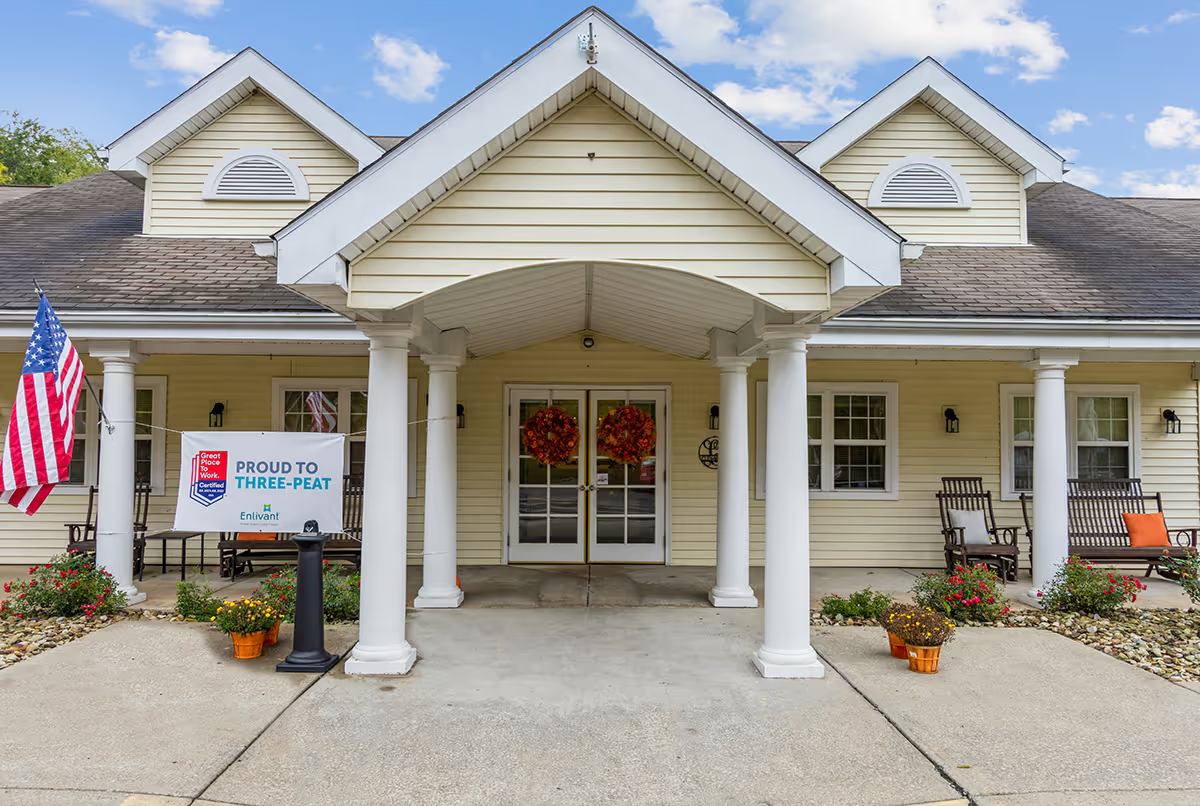
Reviews describe a facility with clear strengths in environment, individual caregivers, and therapy services alongside notable variability in operational consistency. Many families highlight a clean, well-maintained interior, bright rooms, and a warm, home-like atmosphere. Numerous accounts praise individual staff members — nurses, aides, and therapists — for compassionate, personalized attention, welcoming admissions, and competent short-term rehabilitation. End-of-life care is specifically described as dignified and supportive in several accounts.
Care quality and staffing present a mixed picture. Positive descriptions of attentive nursing and proactive aides coexist with complaints about delayed responses, missed feeding or mobility assistance, and inconsistent bathing or wound care. Understaffing is a recurring operational theme that reviewers link to delays in routine tasks. There are several indications of gaps in fall-prevention and transfer safety processes and inconsistent management of skin concerns and infections; these suggest the need for closer clinical oversight in higher-risk situations.
Dining and dietary management also vary. Some residents and families find meals appetizing and well-presented, and therapy-dependent diets are handled appropriately at times. Conversely, other accounts describe repetitive menus, high-sodium preparation, meals served at undesirable temperatures, and inconsistent adherence to prescribed therapeutic diets (for example, diabetic or cardiac plans). One comment about a disliked drink thickener indicates that palatability and individualized dietary preferences may not always be prioritized.
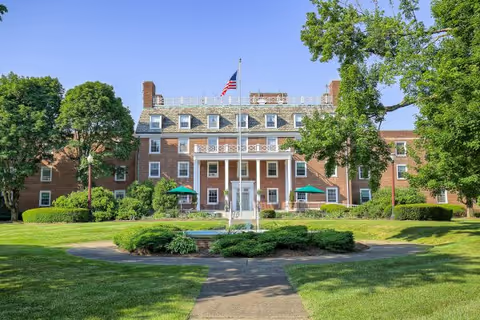
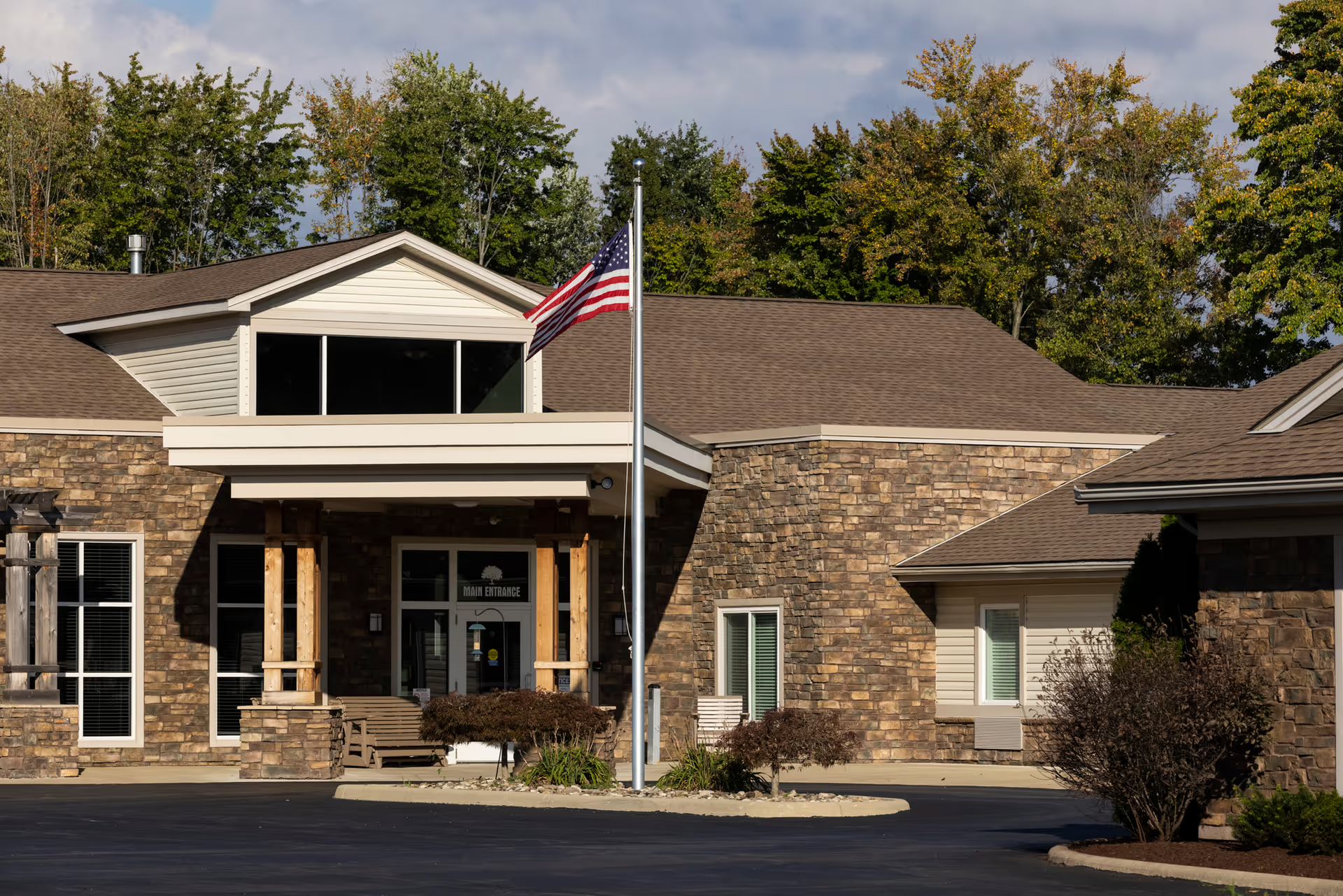
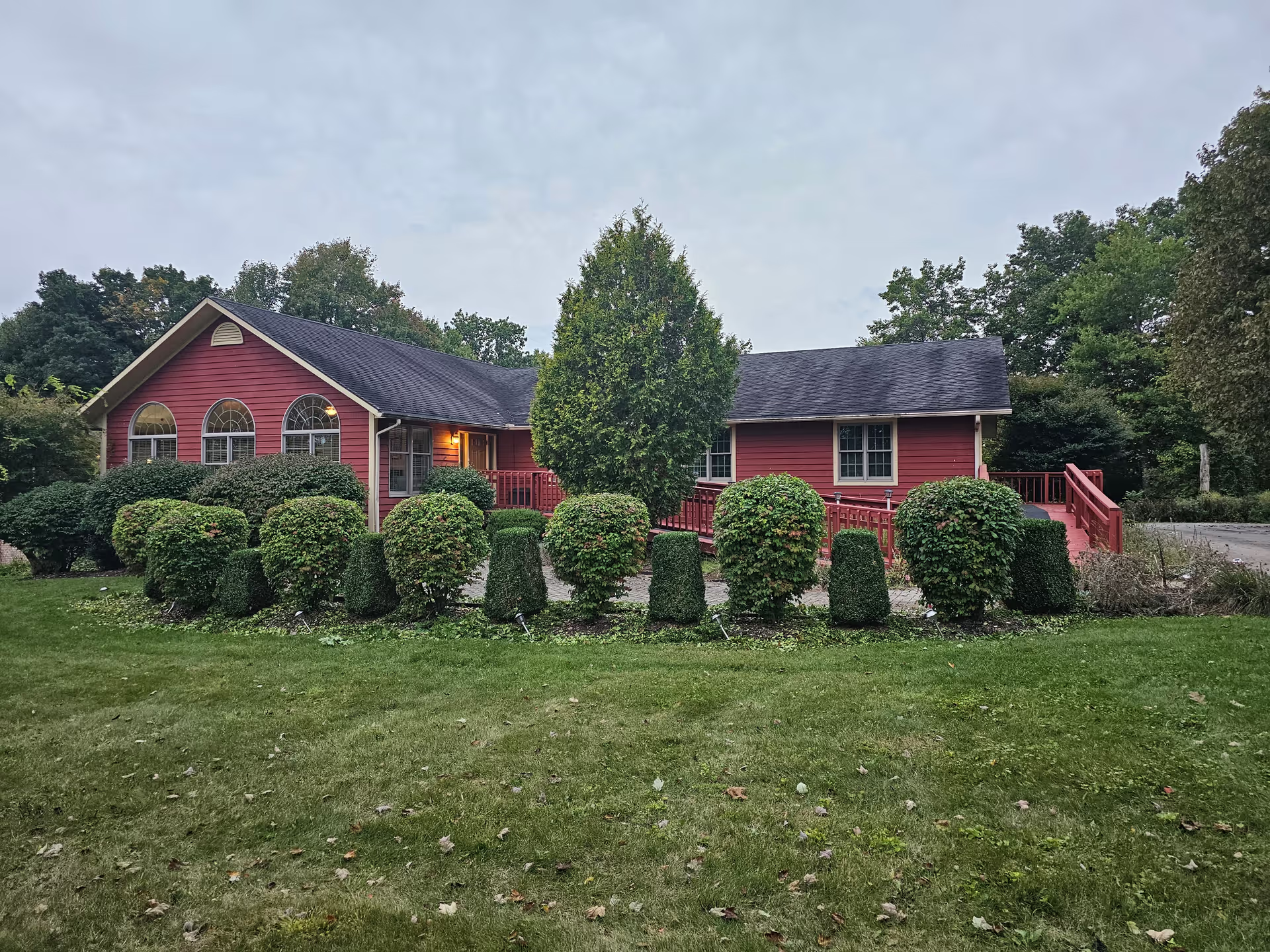
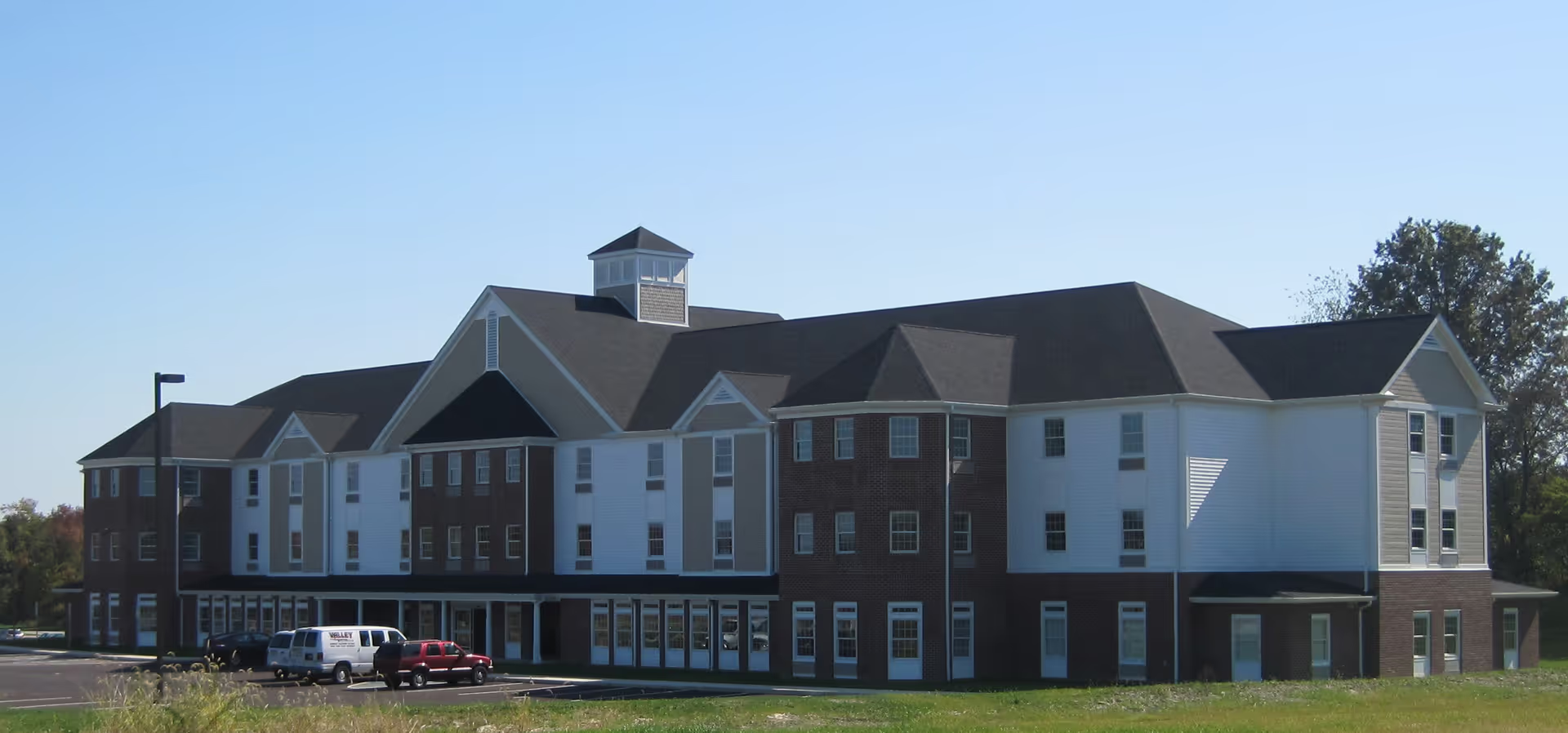
Facility condition and activities are generally cited positively, with clean rooms, welcoming communal spaces, and engaging activities that contribute to a family-like environment. However, cleanliness and sanitation practices appear uneven across units or shifts: while many describe tidy rooms and a lack of institutional odor, some reviews describe sanitation concerns in resident rooms and bathrooms. Room assignment and roommate-matching processes are another operational weakness noted; shared rooms can create significant quality-of-life problems when placement is not well managed.
Management and communication emerge as important differentiators. Several reviewers praised hands-on, responsive staff and supervisors, while others experienced limited responsiveness to complaints, cold supervisory interactions, and confusion over billing or charges that exceeded initial quotes. There are also serious conduct-related concerns in a subset of accounts, including reports characterized as staff conduct problems and allegations of discriminatory language; these raise questions about training, supervision, and complaint-resolution mechanisms.
Overall pattern: the facility appears capable of delivering high-quality, compassionate care — particularly when staffing and supervision are strong — but experiences notable variability in execution. Prospective residents and their families should weigh the consistent strengths (clean environment, engaged caregivers, effective rehab, and supportive end-of-life care) against operational risks (staffing variability, dietary management gaps, roommate placement, billing clarity, and clinical-safety processes). Families who visit should assess shift-to-shift staffing, inquire about fall-prevention and wound-care protocols, review dietary and roommate-placement policies, and ask for written billing estimates and the facility’s complaint-resolution process to better understand how these operational issues are managed.