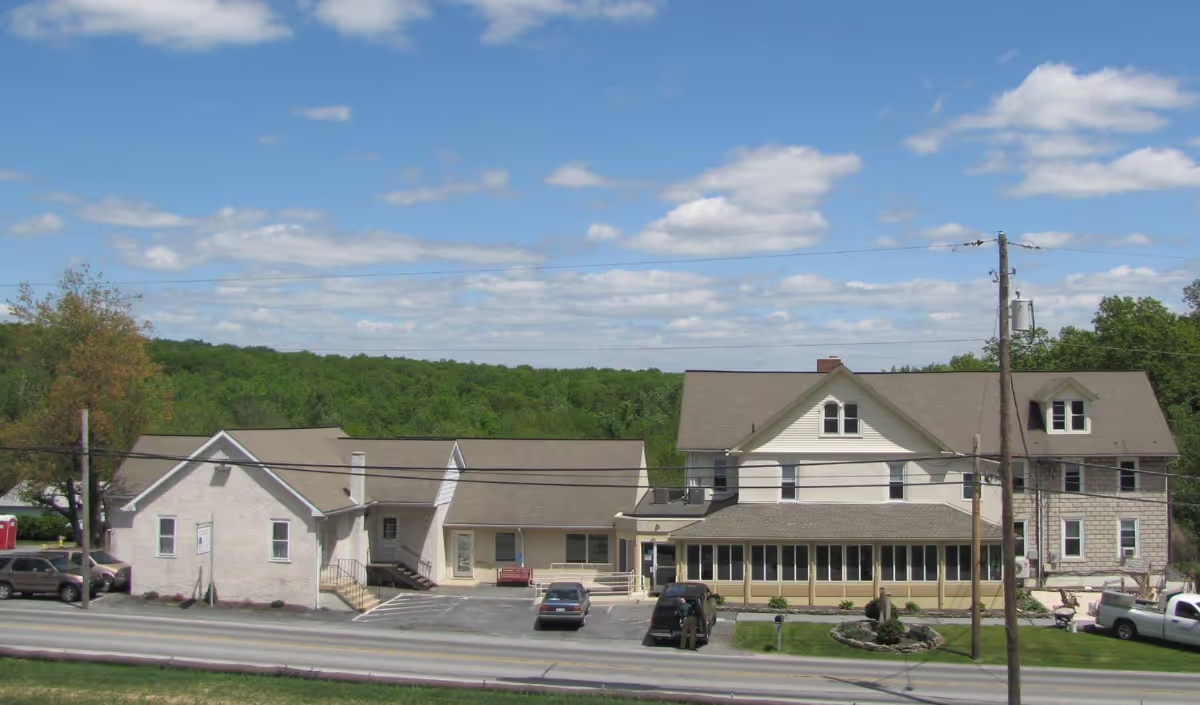
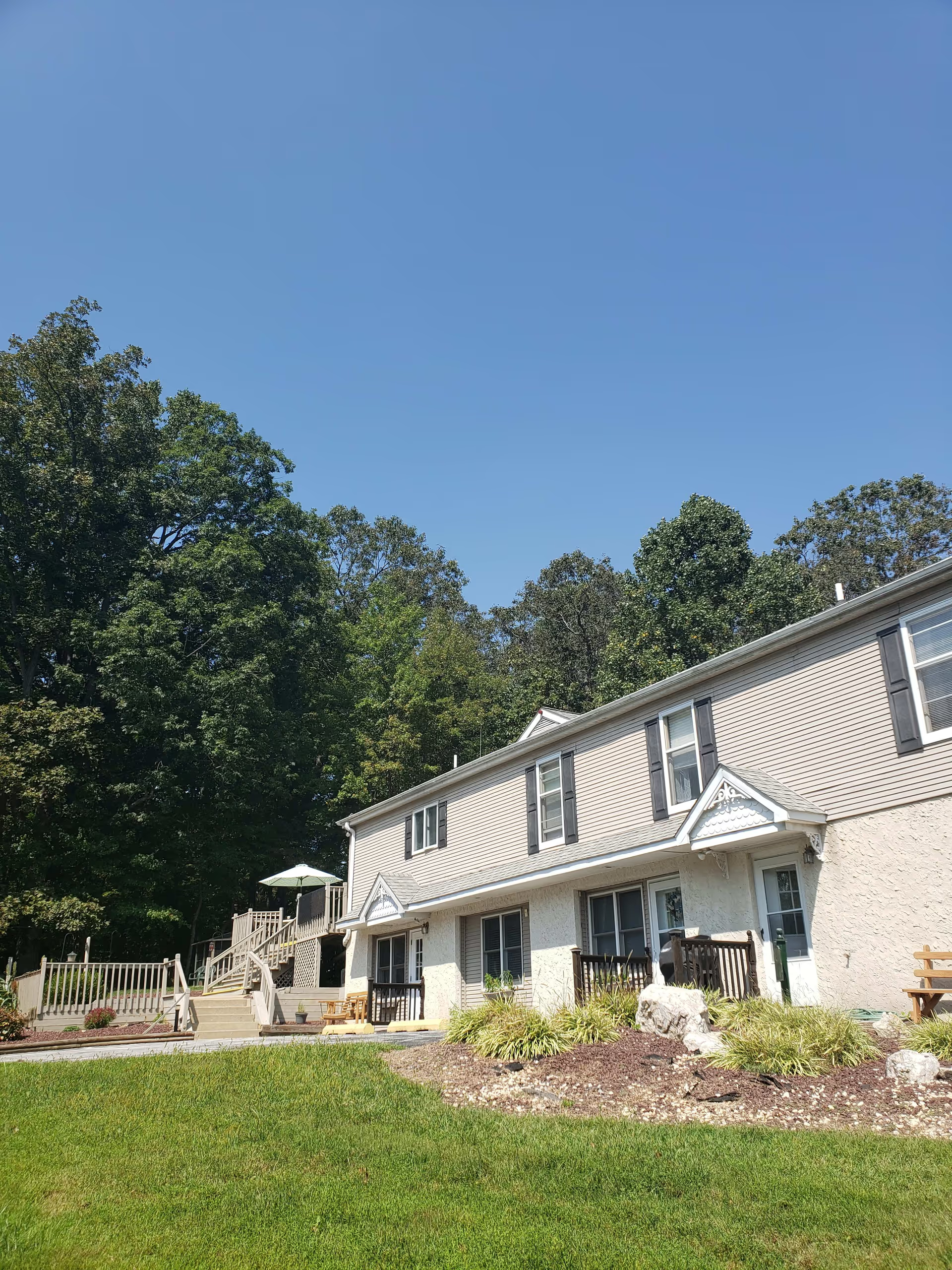
The reviews present a mixed picture. Positive themes include dedicated and compassionate frontline caregivers, a faith-based (Christian) environment, generally clean rooms and communal areas, and a supportive resident community. Several accounts describe caring administrators and nurses and appreciation for the ability to personalize room space. For families seeking a smaller, faith-oriented setting with attentive staff and a close community, these strengths are notable.
Care and staffing: Many comments praise the dedication and demeanor of individual aides and nurses, but an important operational pattern is inconsistent staffing levels. Reviewers indicate low caregiver-to-resident ratios that can delay routine assistance and daily personal care. There are also references to policies limiting physical contact, which some felt interfered with normal caregiving touch and comfort. In addition, concerns about the availability of appropriate clinical equipment and supplies were described; prospective families should confirm current staffing levels, shift coverage, and equipment availability before placement.
Dining and nutrition: Meal quality and food handling emerge as an area of concern. Reports indicate variability in meal taste and presentation and instances suggesting lapses in food-safety controls (expired or compromised items were mentioned). These issues point to inconsistent kitchen oversight and supply-management practices rather than a uniformly poor dining program. Visitors should request recent menus, sanitation certifications, and the home’s protocols for food rotation and safety checks.
Activities and community life: The facility is described as sociable and supportive; residents and staff are frequently characterized as friendly and helpful. Clean, neat common areas and an environment rooted in Christian principles suggest an atmosphere that many find comforting and community-oriented. One comment suggested the home may be better suited for residents with less complex medical needs or those who prioritize a small, relational setting.
Facilities and sanitation: While many reviewers note overall cleanliness, there are specific concerns indicating unevenness in sanitation practices and pest-control processes in some areas. Observations of stained carpeting and related cleaning lapses were raised; these suggest gaps in laundry/cleaning workflows and preventive pest-control measures. The physical environment does allow for personal furniture and appears well maintained in many parts, but consistency of housekeeping and environmental controls would be appropriate to verify during a tour.
Management and operational patterns: Several reviewers perceive management priorities as misaligned, with comments that operational decision-making emphasizes finances over quality controls. This perception is tied to the other operational issues noted (staffing levels, supply/equipment shortages, dining and sanitation inconsistencies). While many staff members are described positively, improving administrative oversight and quality-assurance processes appears to be a clear area for development.
Notable patterns and guidance for families: Overall, the facility shows strengths in staff attitude, a faith-based community, and some well-maintained spaces, but recurrent operational themes — staffing adequacy, food-safety controls, environmental sanitation, equipment availability, and management oversight — warrant close attention. Prospective residents and families should ask for current staffing ratios and turnover data, review infection-control and pest-management protocols, inspect dining and food-storage practices, assess availability of clinical equipment, and clarify policies on physical contact during care. These checks will help determine whether the home’s environment and operational practices align with a prospective resident’s clinical and personal needs.