Overall impression: Reviewers convey a largely positive view of the community’s environment and many elements of daily life, while also describing operational inconsistencies that prospective families should evaluate. Strengths repeatedly mentioned include an engaged, compassionate caregiving staff, a broad continuum of services from independent living to skilled nursing, and plentiful amenities that support an active lifestyle. At the same time, several families noted episodic shortfalls in clinical coordination and staffing that affected particular stays.
Care and clinical services: Many families praised attentive nursing, geriatric expertise, on-site medical oversight and around-the-clock care for long-term residents. On-site rehabilitation and physical-therapy services are available and valued by families who experienced successful recoveries. However, there are patterns of concern around the consistency of clinical follow-through: medication follow-up, handoffs during care transitions, and the quality of short-term rehab stays were described as variable. Families with members who have advanced dementia described gaps in staff capability and programing specific to cognitive impairment; those needs may require detailed pre-move assessment and discussion with clinical leadership.
Staff and workplace environment: Staff kindness, individualized attention and meaningful resident engagement are commonly highlighted strengths. Reviewers credit front-line employees for fostering dignity and a family-like atmosphere. Counterbalancing those positives are indications of staffing instability—high turnover, short-staffed shifts, and low pay—that can affect continuity. Several comments referenced problematic workplace dynamics and concerns about discriminatory or hostile interactions; these issues were described as affecting morale and, in some instances, the consistency of care.
Dining, activities and amenities: Dining is consistently praised—several reviewers used terms such as upscale, varied and restaurant-style, with named kitchens and themed options. The community offers many on-site amenities (café, beauty shop, gift shop, multiple restaurants), regular fitness classes, scheduled social programming, and transportation for off-site activities. Reviewers report the combination of activity programming, social opportunities and accessible amenities contributes to improved mobility and quality of life for many residents.
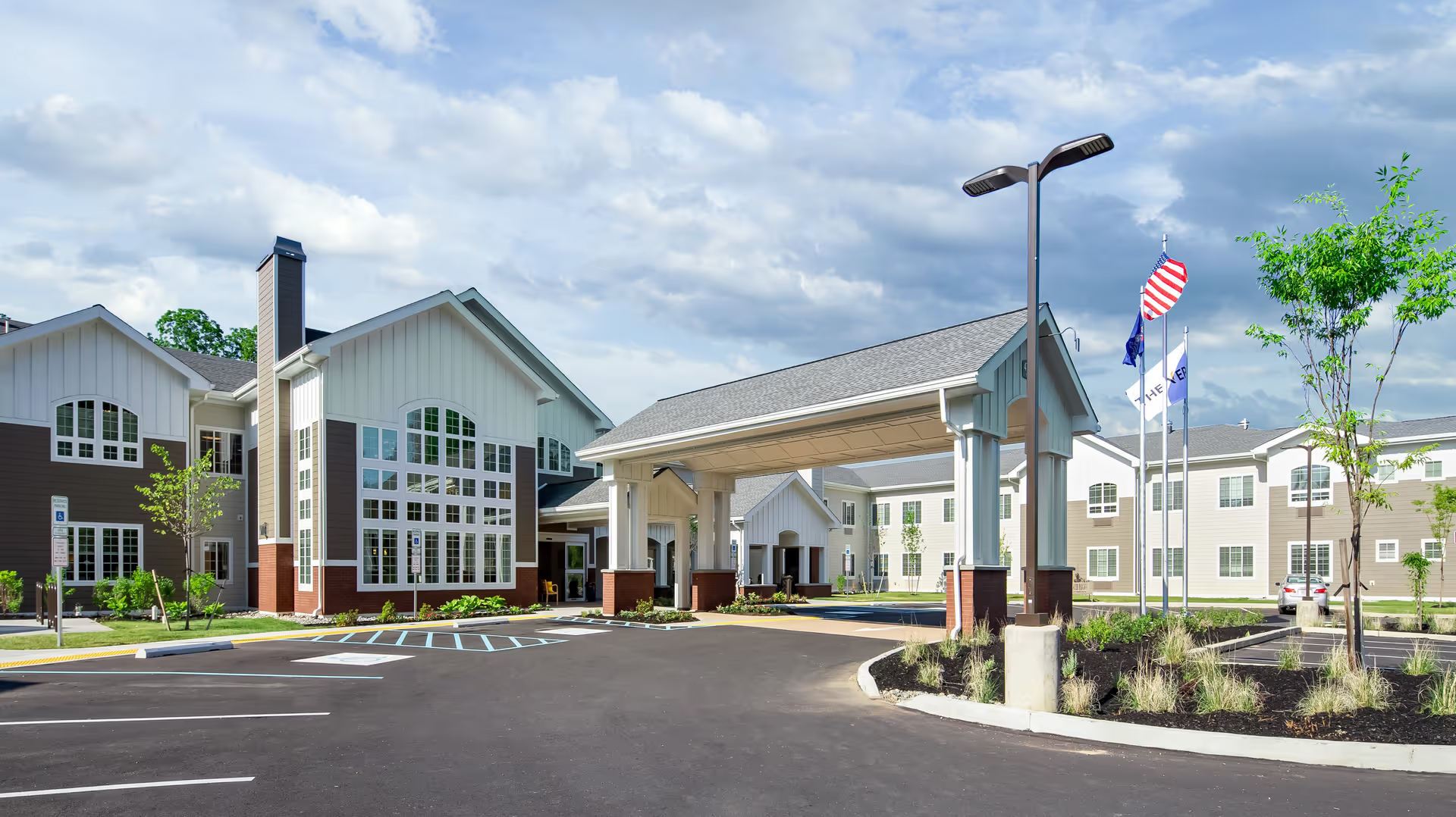
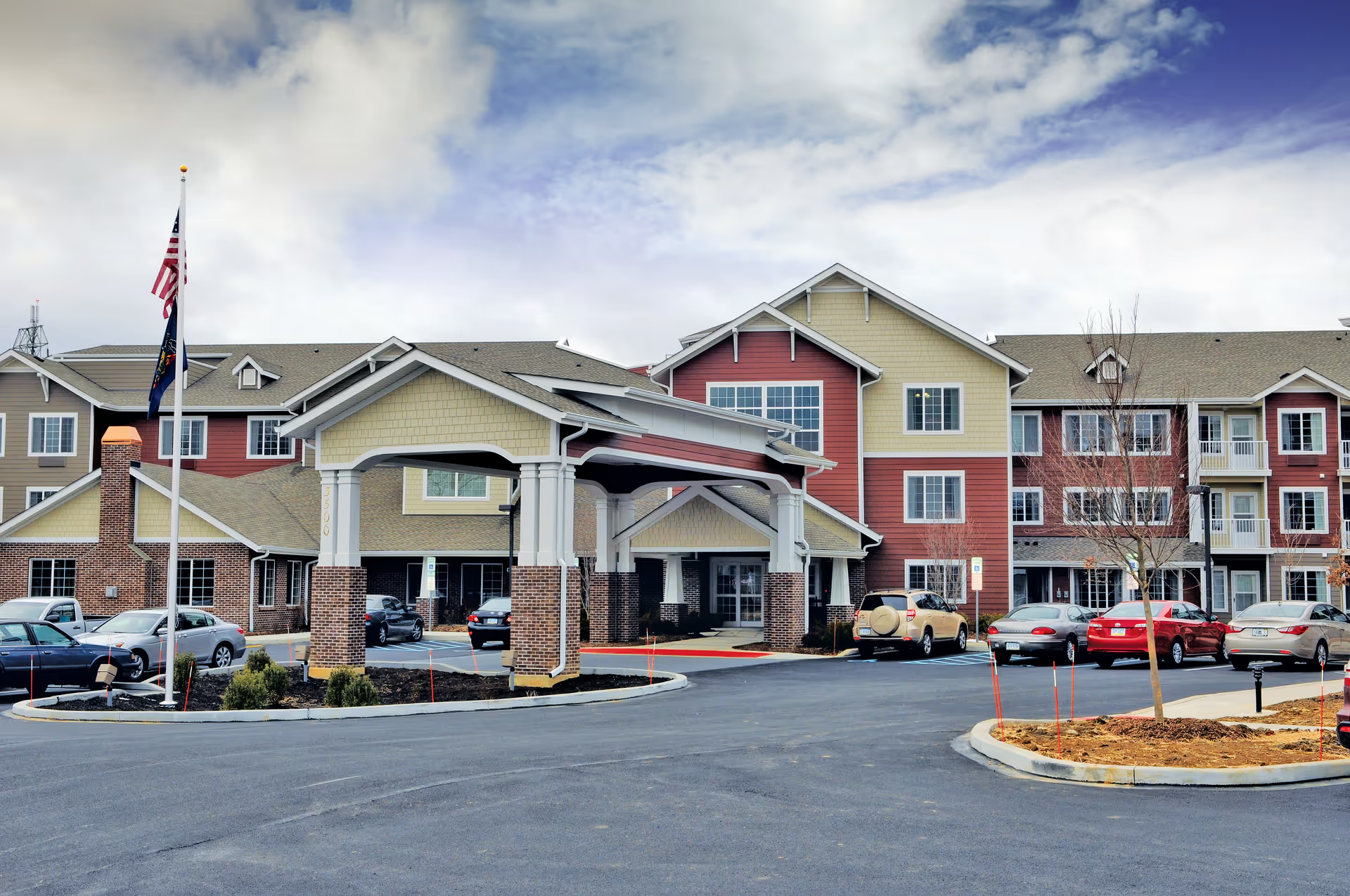
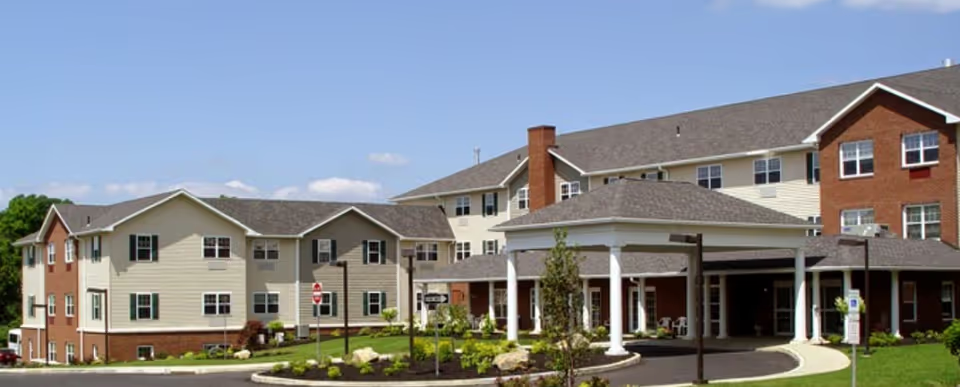
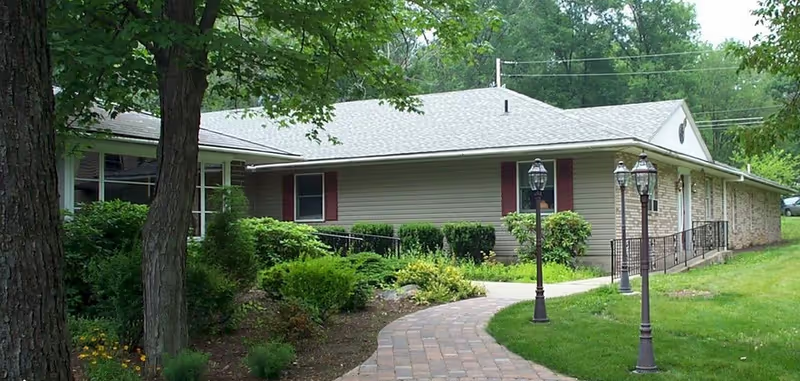
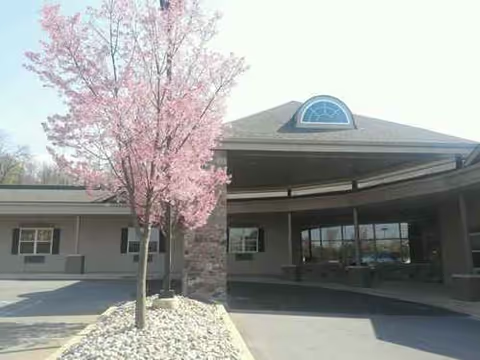
Facilities and operations: The campus and residences are described as clean, modern and well maintained, with pleasant grounds and spacious apartments. Timely maintenance responses and a smooth move-in process were also noted. Operational concerns raised by families include unclear hospital-transfer policies, gaps in property-security and personal-item tracking, and disruption or air-quality impacts during construction work. Cost is another recurring factor; reviewers noted that pricing is relatively high, which families should weigh against the level of services desired.
What to watch for and final assessment: The dominant pattern is a community that delivers strong long-term and independent-living experiences, with notable strengths in staff-resident interaction, dining and amenities. Areas requiring scrutiny before a move include dementia-specific programming and training, staffing ratios and turnover, medication and clinical handoff processes, hospital-transfer procedures, and any active construction or remediation that could affect air quality. Prospective residents and families would benefit from targeted questions to leadership about staffing stability, dementia-care protocols, rehab success metrics, security of personal belongings, and an itemized cost breakdown to confirm alignment with expectations. Overall, many families highly recommend the community for independent and long-term residency, while advising additional due diligence for short-term rehab needs or for residents with complex cognitive care needs.