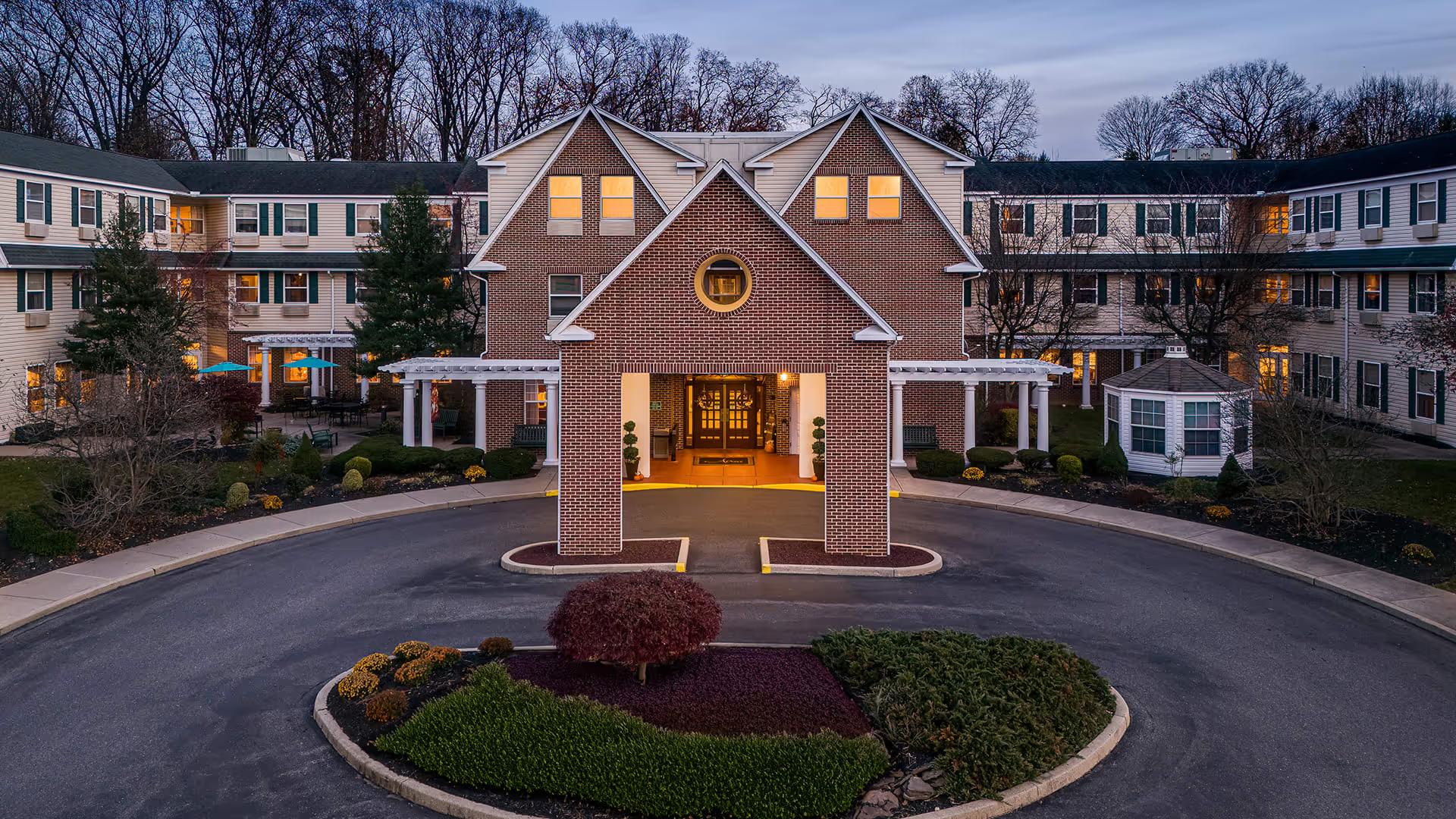
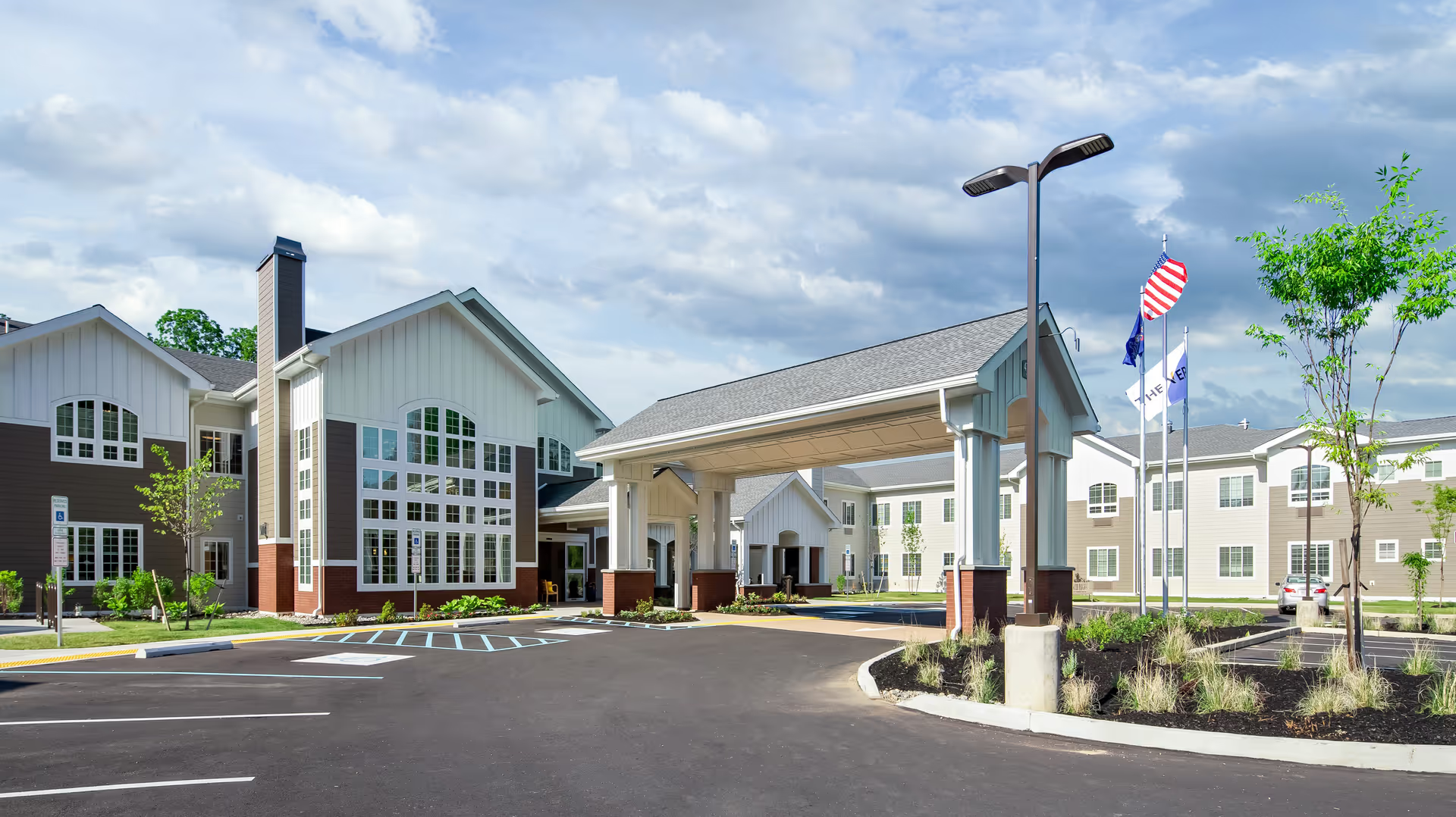
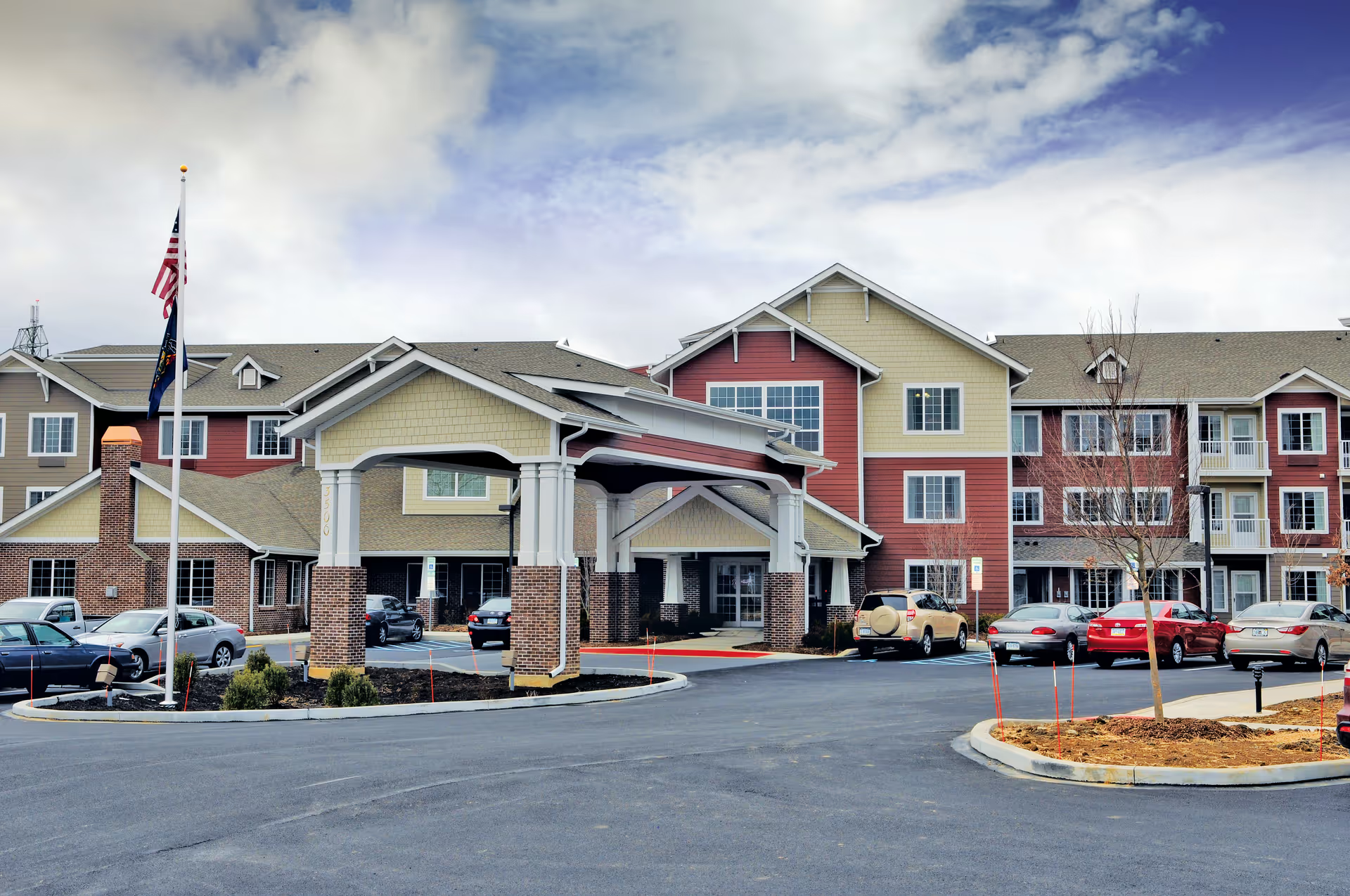
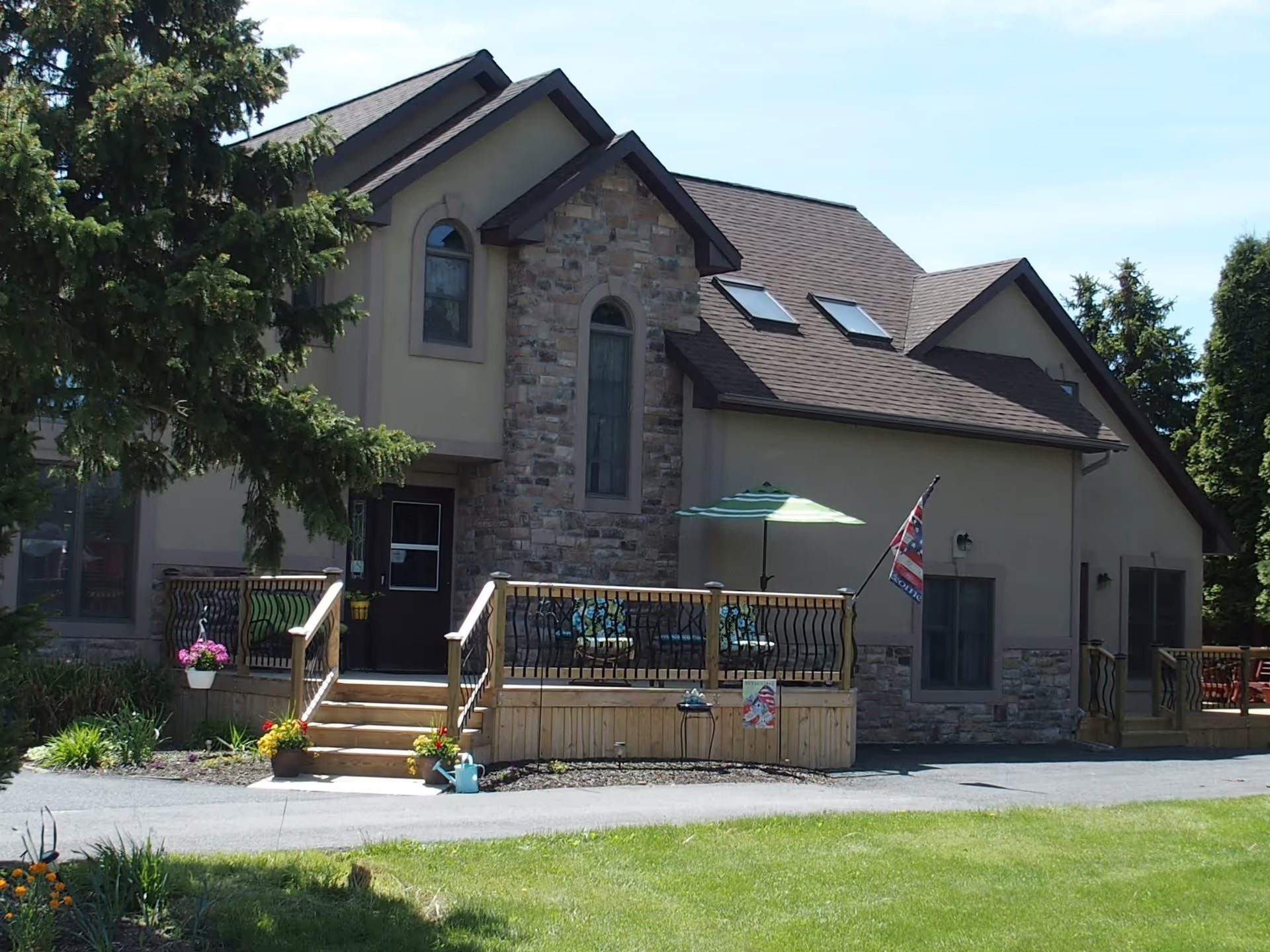
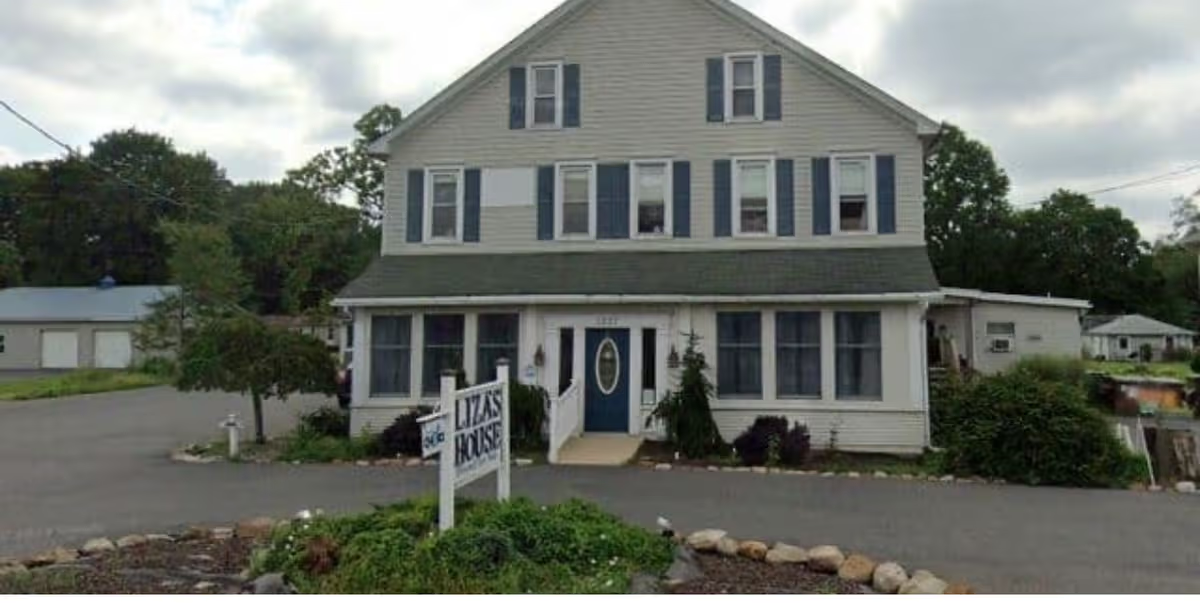
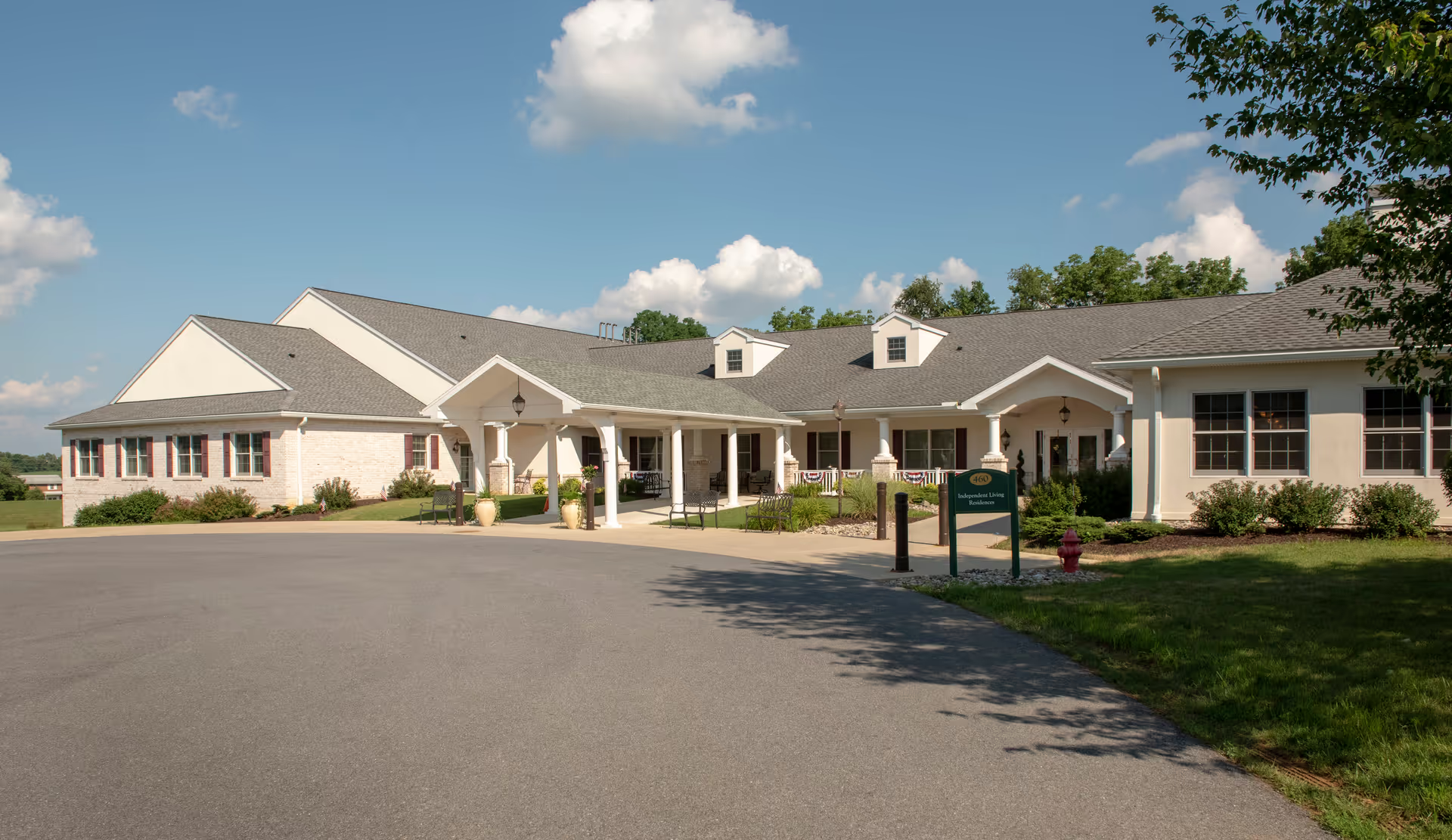
Sacred Heart Senior Living by the Creek presents a mix of distinct strengths and operational weaknesses. Physically, the property is frequently described as clean, well-kept, and attractive: creekside walkways, gardens, patios and landscaped grounds are consistently praised. The facility offers a range of room and suite options, private dining spaces, air conditioning, and proximity to a medical clinic and neighborhood amenities, which many families find convenient for visits and appointments.
Staff and caregiving receive substantial positive mention for compassion and relationship-building. Many accounts emphasize caregivers who are kind, patient, and familiar with residents’ names, and families often describe the community as home-like and faith-oriented with an active chapel program. The facility maintains partnerships for hospice and palliative services and offers multiple care levels, which supports residents across a spectrum of needs.
Programming and social engagement are clear strengths: curated activities, entertainers, arts-and-crafts, bingo, trips, and special events such as birthday celebrations are well regarded and appear to be a consistent part of community life. These offerings contribute to resident morale and family satisfaction in numerous descriptions.
Operational concerns recur across reviews and should be considered by prospective residents and families. Staffing levels and responsiveness are an important theme: there are repeated accounts of understaffed shifts, delayed call responses, and reliance on agency personnel or frequent staff turnover. Relatedly, there are indications of variability in direct-care competency and incontinence-care processes that families should evaluate when assessing personal-care needs.
Clinical-safety and clinical-operations questions appear in multiple summaries. Several families raised concerns about fall frequency and subsequent hospital transfers, suggesting gaps in fall-prevention protocols and transfer-safety practices. Communication and care coordination with families can be inconsistent; reviewers recommend staying actively involved in clinical updates and appointment coordination because some families felt compelled to accompany residents to outside medical visits.
Dining receives mixed feedback: while many reviewers praise appealing meals and a pleasant dining environment, others cite inconsistent food quality, limited menu variety, and inadequate therapeutic-diet accommodations (for example, diabetic-friendly options). Dining-room staffing variability, especially on weekends, is another operational area that affects meal service continuity.
Financial transparency and management practices are a notable pattern of concern. Several reviewers describe unexpected fees, sudden pricing changes, and additional charges that families found unclear. These comments suggest a need for clear, written explanations of fee structures and change policies prior to move-in.
Practical takeaways: the community offers a strong physical environment, active programming, and many compassionate staff members, making it appealing for families prioritizing atmosphere and engagement. However, prospective residents should proactively evaluate staffing ratios, fall-prevention protocols, incontinence and personal-care practices, therapeutic-diet capabilities, laundry/sanitation procedures, and the contract’s fee escalation and billing terms. Asking for written policies on staffing coverage, incident response, diet accommodations, and an itemized fee schedule will help families weigh whether the facility’s strengths match their clinical and financial needs.