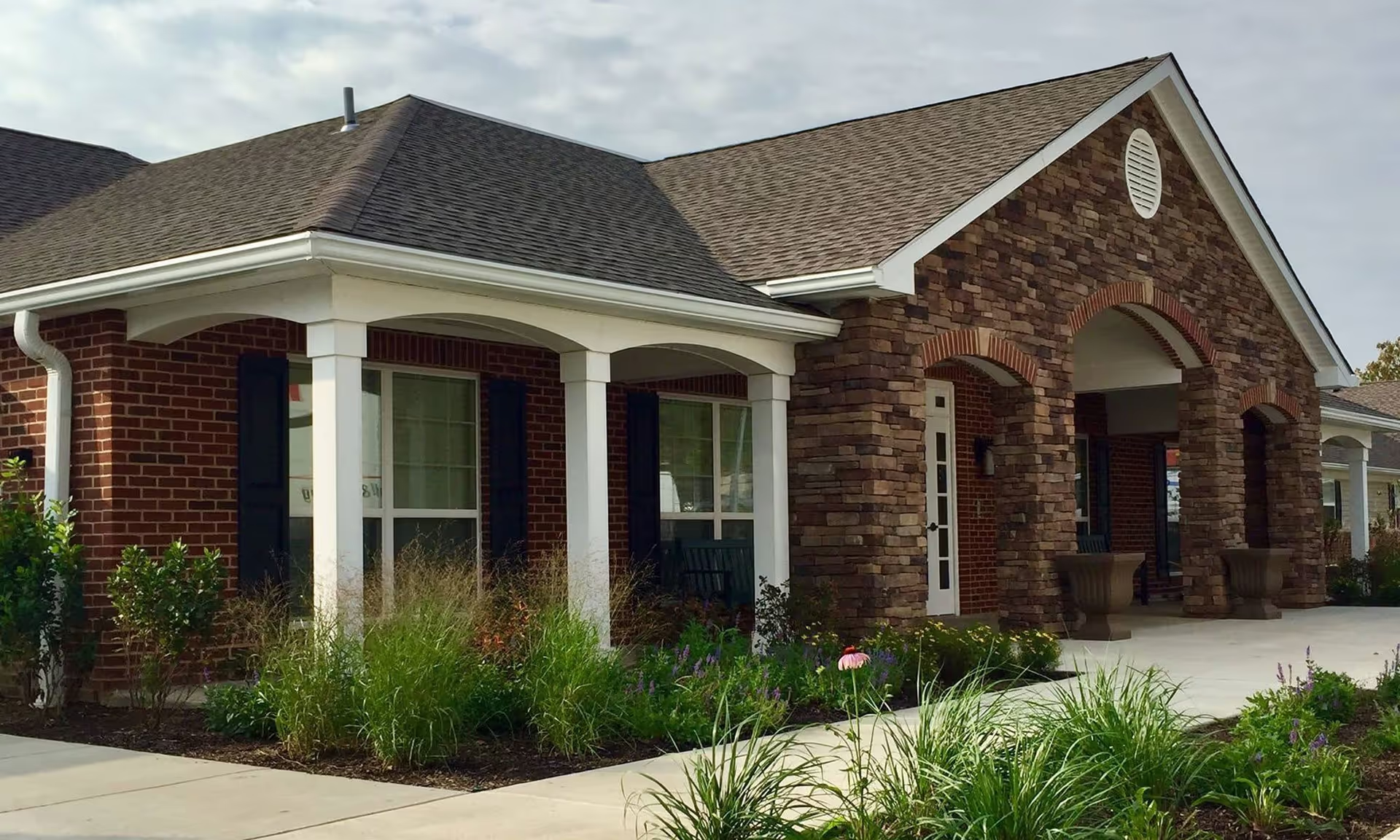
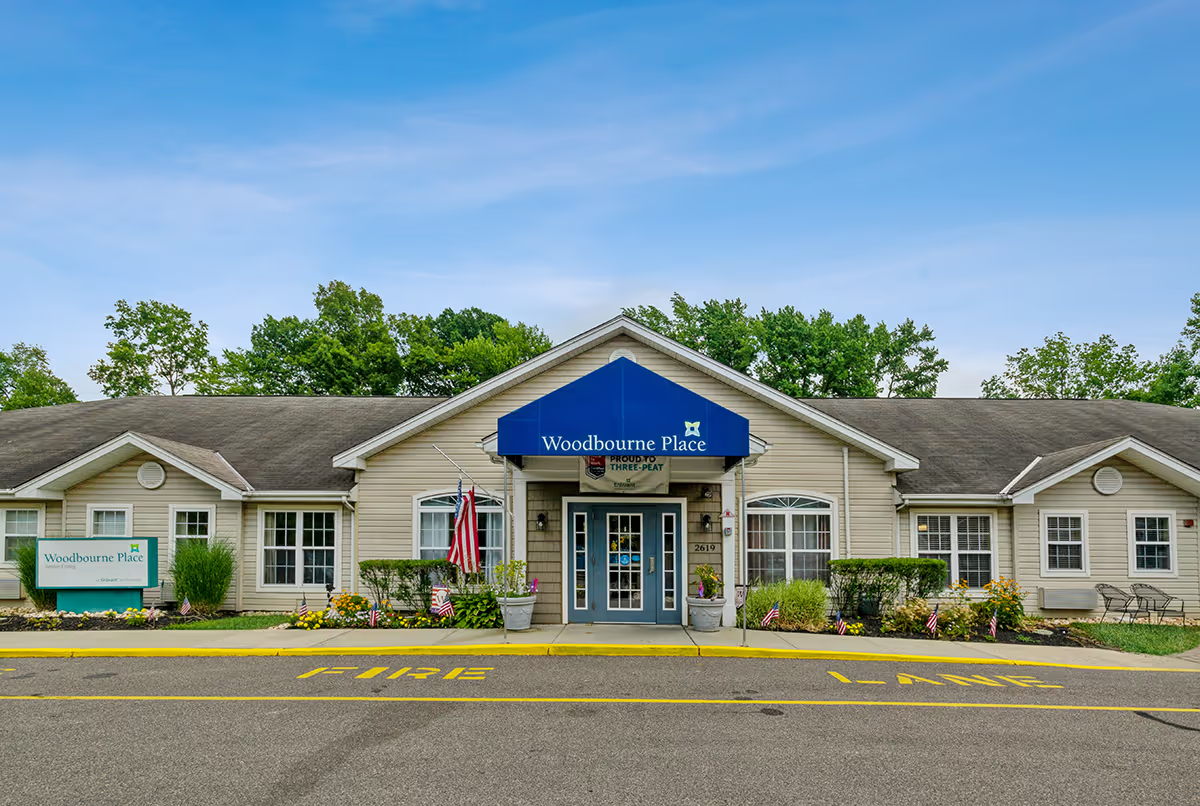
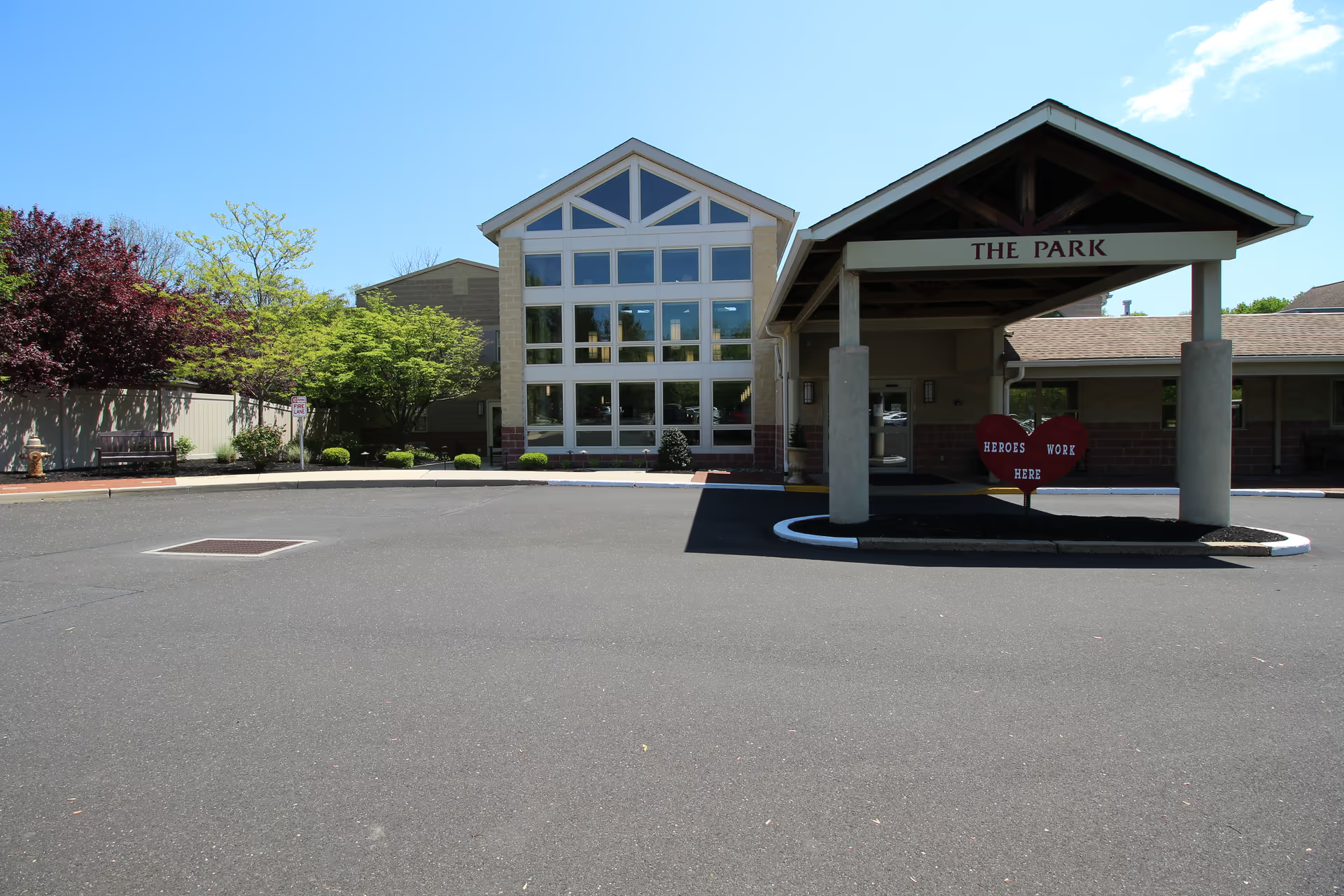
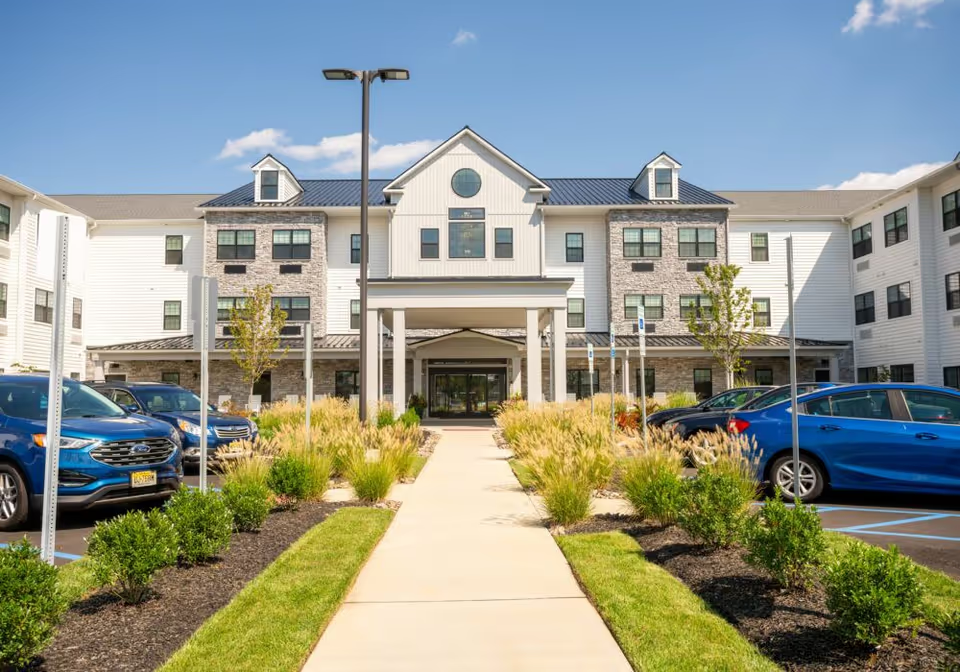
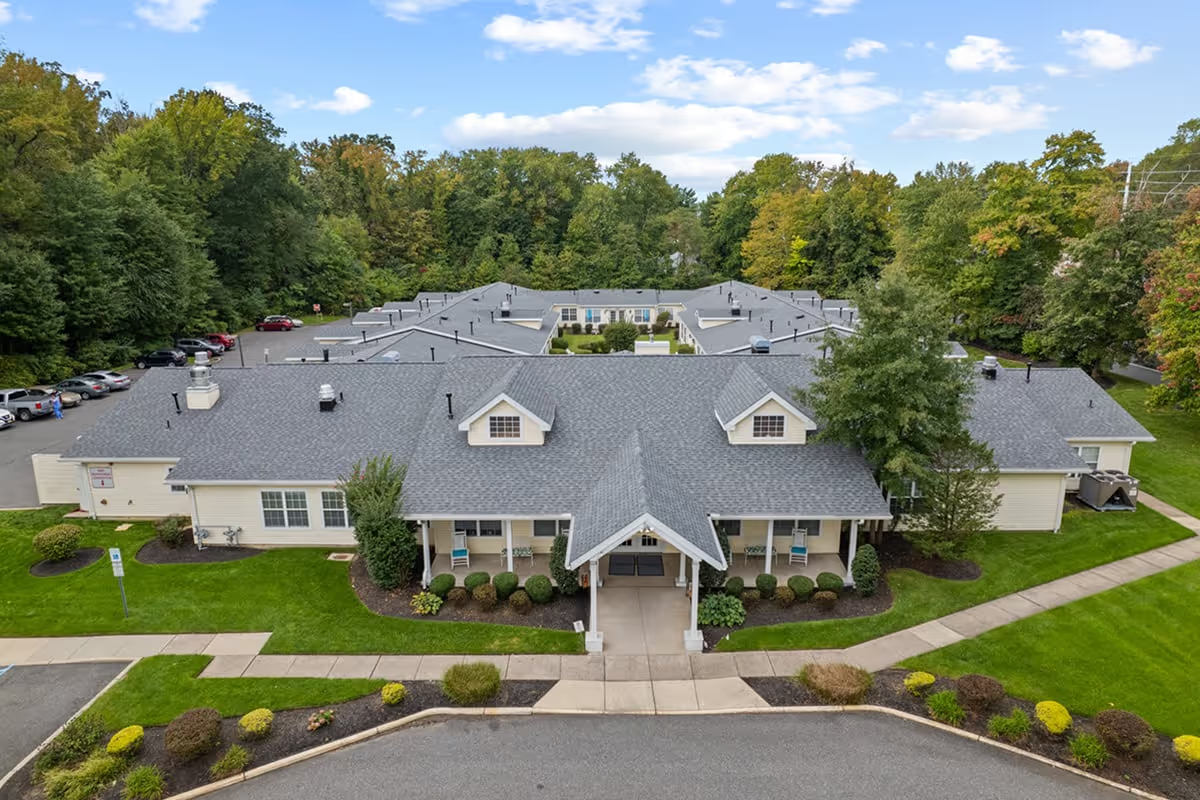
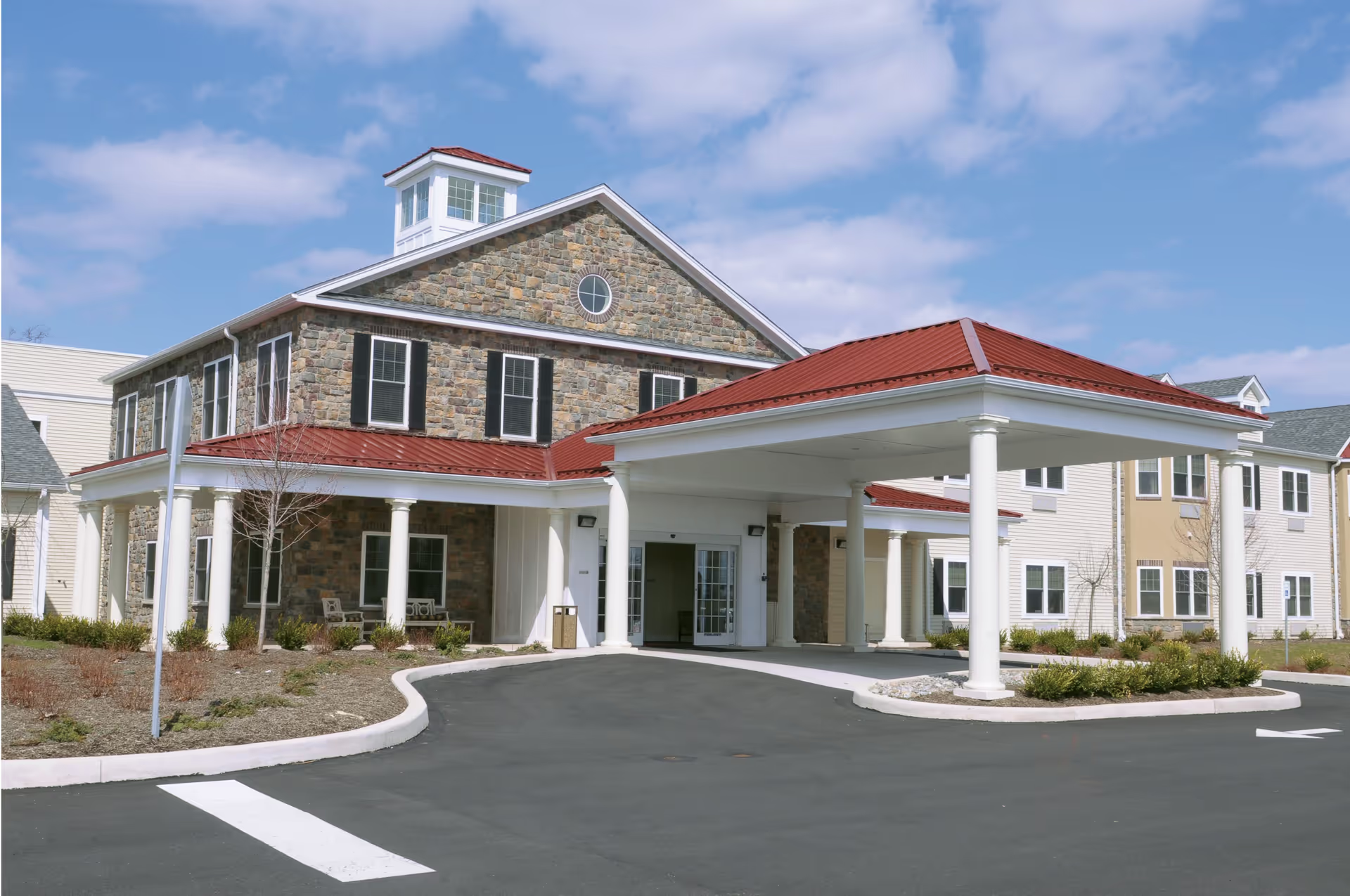
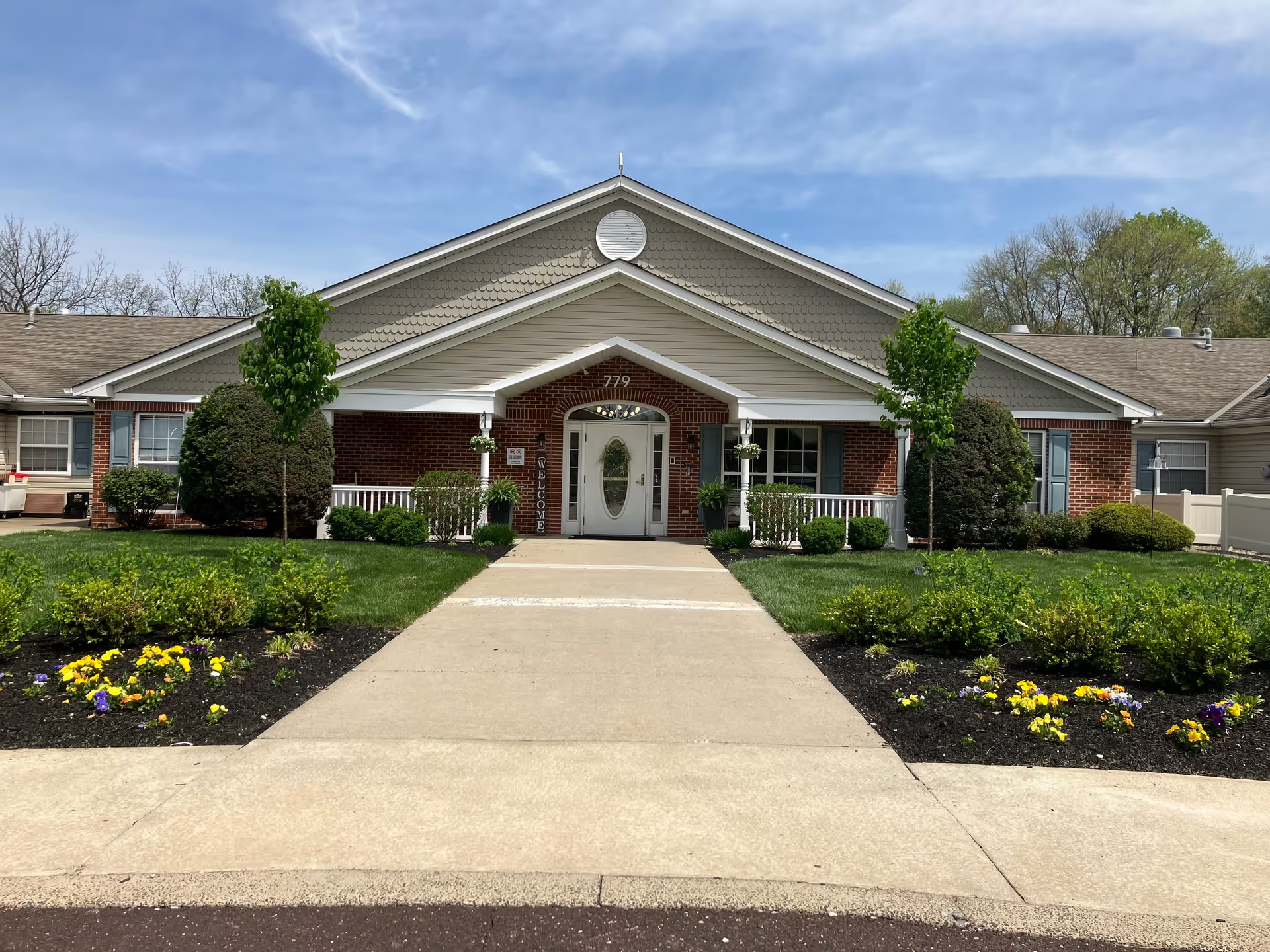
Delaware Valley Veteran's Home presents as a well-staffed, activity-focused veterans' facility with several operational strengths and some areas families should evaluate before placement. The program emphasizes social engagement and organized recreation: reviewers describe a full event calendar with live bands, Bingo, movies, clubs, and frequent entertainment that creates a social retirement-village atmosphere for residents who are able to participate. The facility is consistently described as bright, easy to navigate, and secure, with scenic grounds and ample parking. Care and therapy services include professional physical therapy and long-term supports for residents with progressive needs such as Alzheimer's disease.
Care quality and staffing are commonly framed as strengths. Multiple accounts highlight attentive, respectful staff, frequent care updates, regular care meetings, and accommodations for family involvement during holidays and events. Infection-control practices were noted as effective during COVID-19, and reviewers credited the staff with keeping residents safe. At the same time, families described communication shortfalls: there are instances of miscommunication, limited family input on certain decisions, and occasional delays in attending to residents who require higher levels of assistance. Reviewers also raised concerns about medication-management practices; families may wish to review medication review procedures and monitoring during their assessment.
Dining and activities receive consistently positive remarks. Meals are described as wholesome and varied, with multiple main-course options and a salad bar; family-friendly holiday meals are a particular highlight. The activities program is robust for independent and socially engaged residents, contributing to a lively communal environment. However, activity access appears more limited for residents with greater physical or cognitive dependency, and some families reported that less-independent residents spend time in common areas without full participation. Prospective residents with higher care needs should confirm how activities are adapted and how staff support participation.
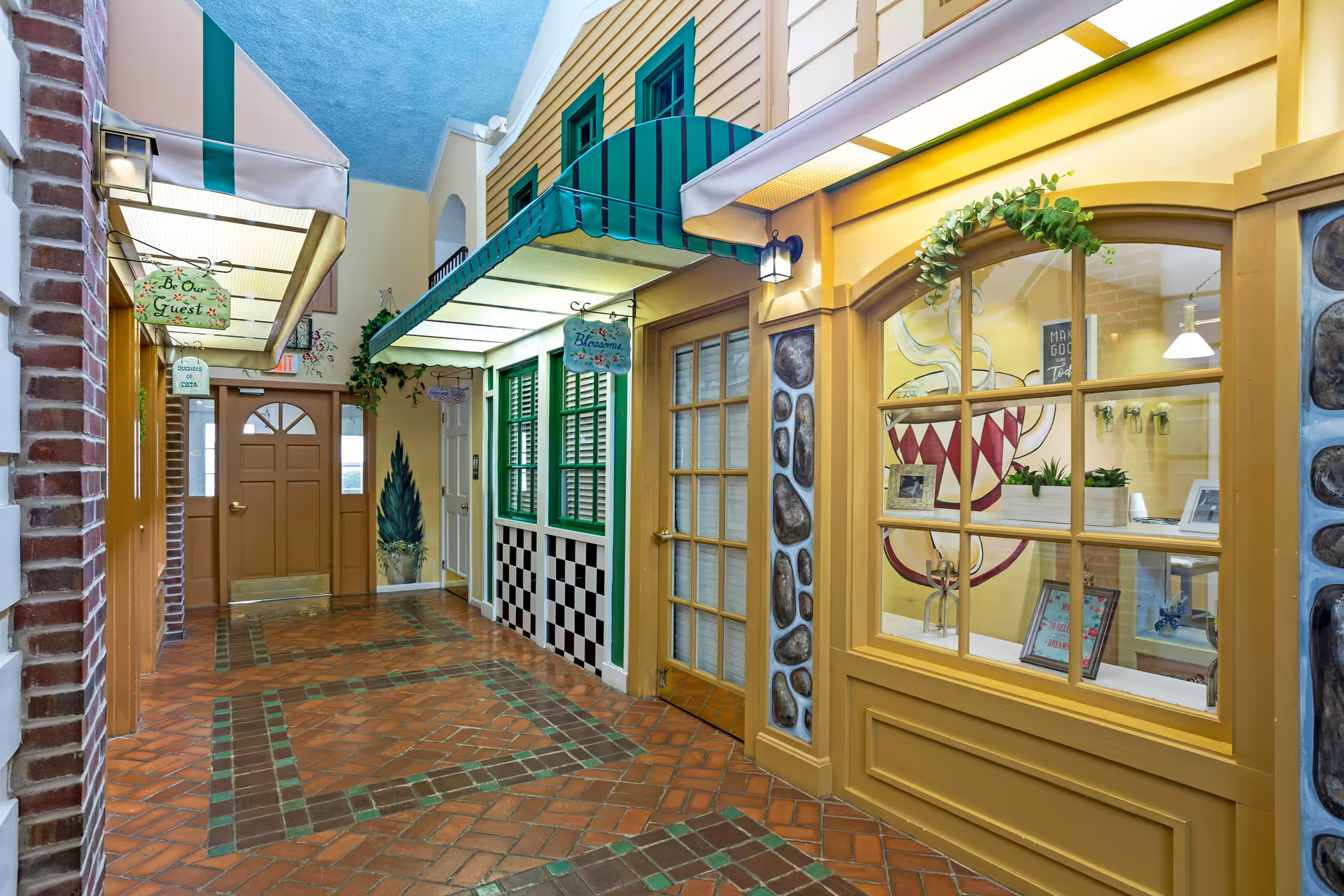
Facility layout and physical plant are practical and accessible. Reviewers note wide hallways, one-level circulation favorable for walkers, clean common areas, and personalized rooms. The facility tends toward a clinical or institutional aesthetic in places, and room configurations include hospital-style two-person rooms with shared toilet and shower facilities; privacy expectations should be discussed in advance. There are also operational disruptions related to construction (for example, wing closures), so families should ask about current renovation plans and any temporary impacts on services.
Management and financial issues are an important area for careful review. Several accounts point to estate-lien practices and changes to financial-account management that caused stress for veterans and families. These are policy-level matters that can materially affect resident finances; prospective residents and their representatives should request written details of billing, lien, and asset-recovery policies and confirm notification procedures. Overall, Delaware Valley Veteran's Home appears to offer strong programming, cleanliness, and attentive direct care, making it a reasonable option for veterans seeking an active, secure environment. Families of residents with higher-dependency needs or those concerned about financial policies should pursue targeted questions about medication oversight, staff responsiveness for dependent residents, activity inclusion, room privacy, and the facility's lien/account procedures during tours and admissions discussions.