Reviews for Harmony Place present a mixed picture: many reviewers praised the personal care, cleanliness, dining, and building quality, while others described operational weaknesses that affect consistency of care. The facility shows strengths in frontline caregiving, common-area upkeep, and some clinical programs, but recurring personnel and management issues have created variability in day-to-day resident experience.
Care quality and staffing: Several reviewers described caregiving staff as friendly, helpful, and willing to go beyond basic duties; those accounts suggest the presence of committed employees who create positive resident interactions. However, a contrasting pattern emerges around workforce stability: high staff turnover, gaps in weekend and off-shift coverage, and reliance on temporary/agency caregivers were repeatedly noted. Reviewers also reported inconsistent nurse and CNA availability. Taken together, these items point to an unstable staffing model that can produce uneven care continuity and variable caregiver–resident familiarity. Some reviews raised concerns about staff conduct and communication tone; combined with mentions of regulatory attention, prospective families should seek up-to-date information on staffing ratios, supervision, and complaint resolution processes.
Dining and activities: The dining area and meals were frequently praised—described as pleasant, quaint, and enjoyable—indicating a generally positive dining program. Activities such as bingo and other interactive events were noted as available and engaging for residents, suggesting an active social calendar. Prospective residents may want to observe meal service and an activities session to assess fit and participation levels.
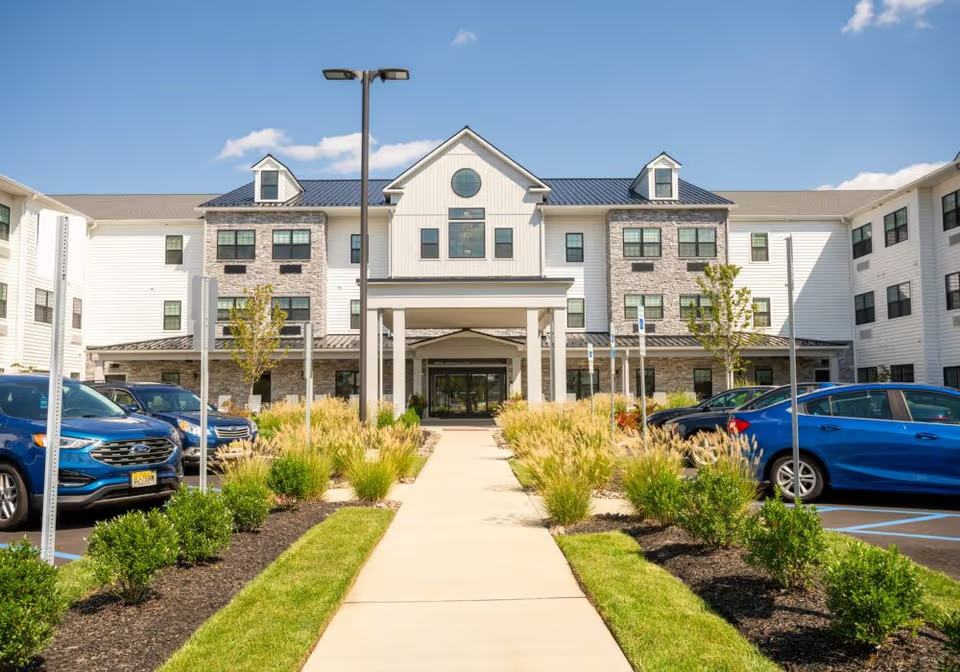
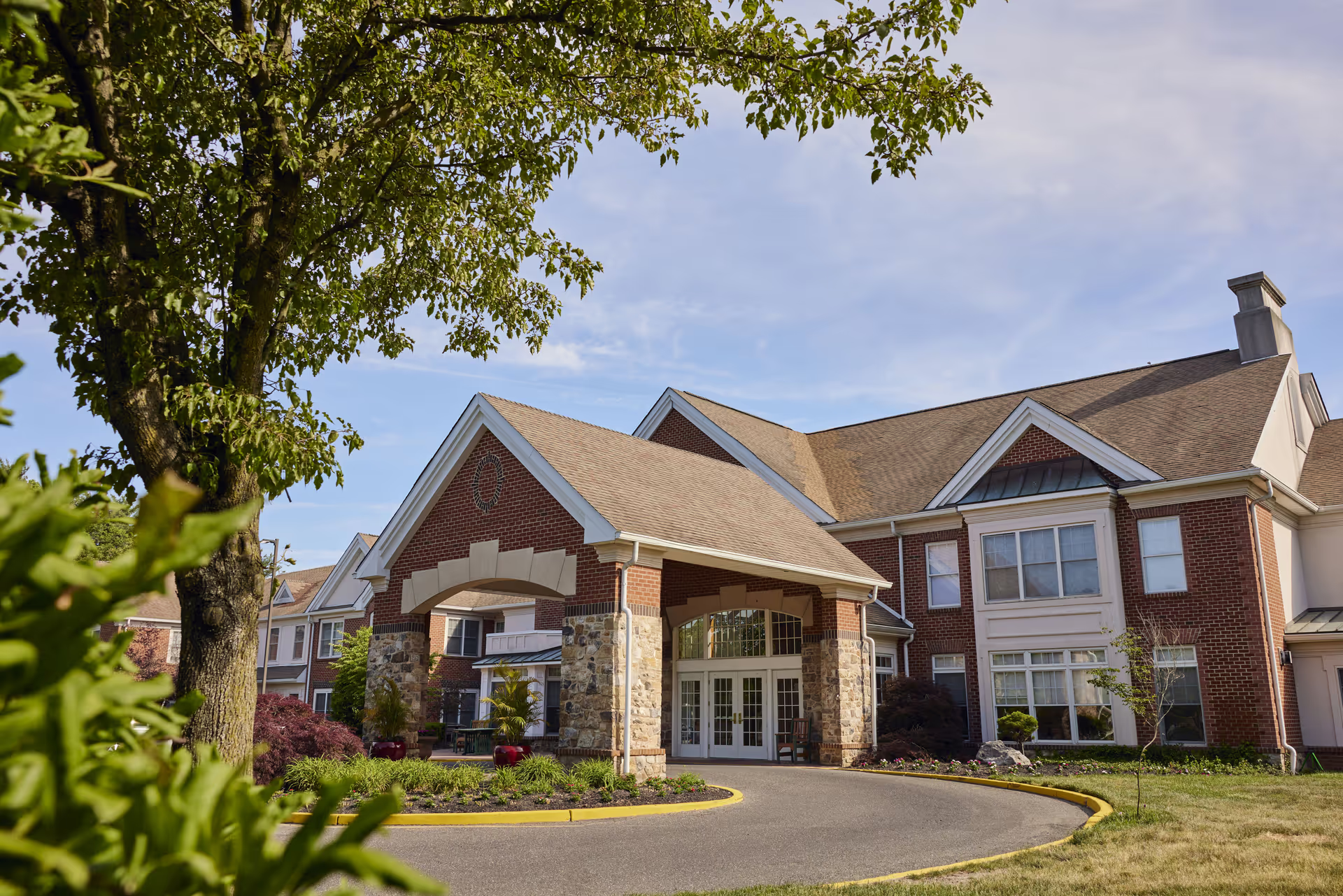
Facilities and environment: Many reviewers commended the facility’s cleanliness, maintenance, and apparent contractor workmanship, and several noted safety and security features positively. At the same time, there were specific environmental concerns: some clinical or nursing areas were described as having odor or sanitation issues, and the dementia unit was described as dimly lit with low visibility. The Alzheimer’s/dementia unit was also mentioned positively by some, which suggests variability by unit or by time; visitors should inspect the specific unit where a prospective resident would live and evaluate lighting, visibility, and odor management.
Management and policy: Harmony Place operates as a for-profit community, and some reviewers perceived management decisions as financially driven, including strict discharge or occupancy enforcement practices. There are also comments about limited resident visibility during tours and restricted access during initial visits. In addition, mentions of regulatory scrutiny or state investigation indicate the need for families to request the facility’s most recent inspection reports, corrective actions, and responses to cited issues.
Notable patterns and recommendations: Overall, the facility appears to offer solid amenities, pleasant dining, and engaged caregivers at times, but suffers from operational inconsistencies tied to staffing and management practices. Prospective residents and families should (1) confirm current staffing levels and turnover statistics, including weekend and overnight coverage; (2) ask about agency use and how temporary staff are supervised and oriented; (3) review recent state inspection reports and any corrective-action plans; (4) tour the specific unit and observe lighting, odor control, and mealtime/activity participation; and (5) clarify discharge policies and financial/occupancy rules. These steps will help determine whether Harmony Place’s strengths align with a given resident’s care priorities and risk tolerance.