The reviews reflect a strongly polarized set of experiences at Inglis House. Several families and visitors describe a facility that provides active programming, warm interactions, and a well-maintained environment; conversely, other accounts describe operational and clinical gaps that raise substantive concerns about day-to-day resident care and management. This creates a mixed overall picture in which positive lifestyle elements coexist with reports of serious care and communication shortcomings.
Care quality appears inconsistent. Multiple narratives point to delays in personal-care tasks (including repositioning and assistance with toileting needs), lapses in clinical responsiveness, and variability in therapy services. At the same time, some reviewers credit individual staff members with improving residents’ quality of life, indicating that dedicated caregivers are present but that their efforts may be undermined by systemic constraints.
Staffing and staff conduct are a central theme. Several accounts praise hardworking, compassionate employees and highlight staff who engage residents through activities and individualized attention. Contrasting accounts note understaffing, instances of poor attitude or brusque communication, and apparent training or supervision gaps. These mixed descriptions suggest morale and leadership issues that affect consistency of care and the resident experience.
Dining and clinical services show variability. There are reports of inconsistent meal quality and at least one instance of inaccurate dietary accommodation for allergies, alongside general comments about limited therapy engagement for some residents. These points indicate a need for more reliable meal-management processes and clearer coordination between dietary, nursing, and therapy teams.
Activities and community engagement are consistent strengths. Multiple reviewers describe an active programming schedule with painters, musicians, bands, and organized events that produce visible resident enjoyment. Community partnerships and frequent family involvement are cited as positive contributors to resident well-being.
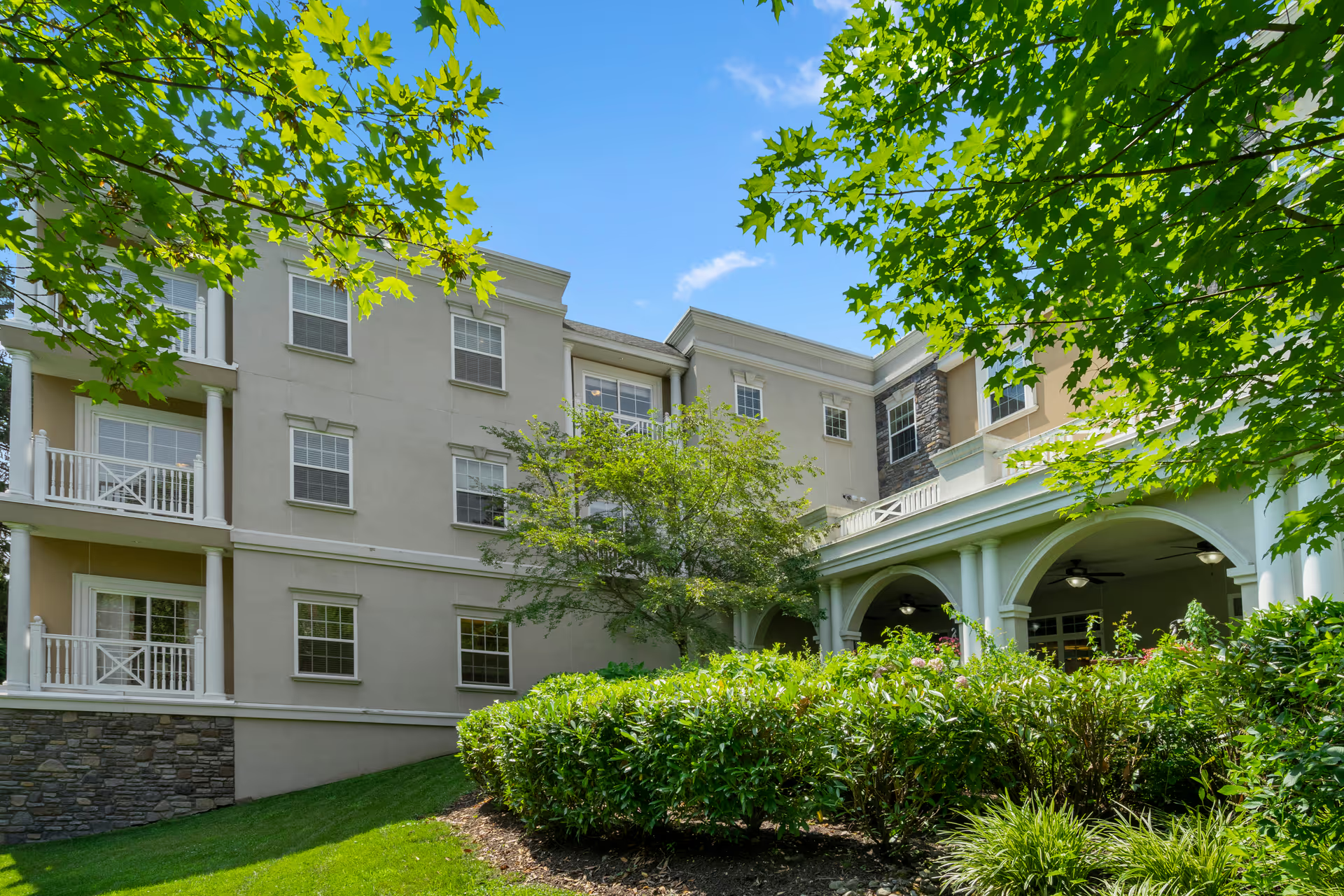
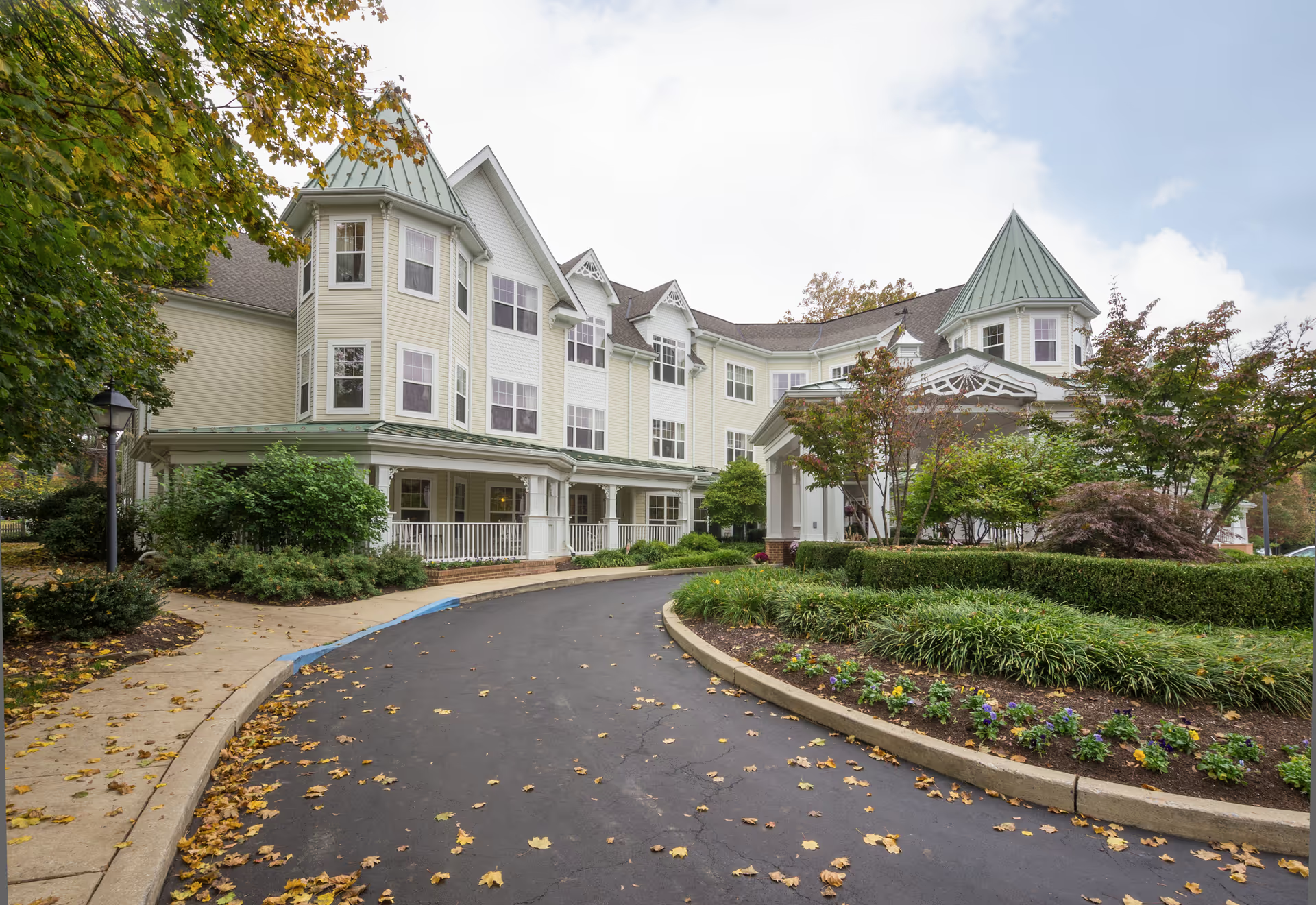
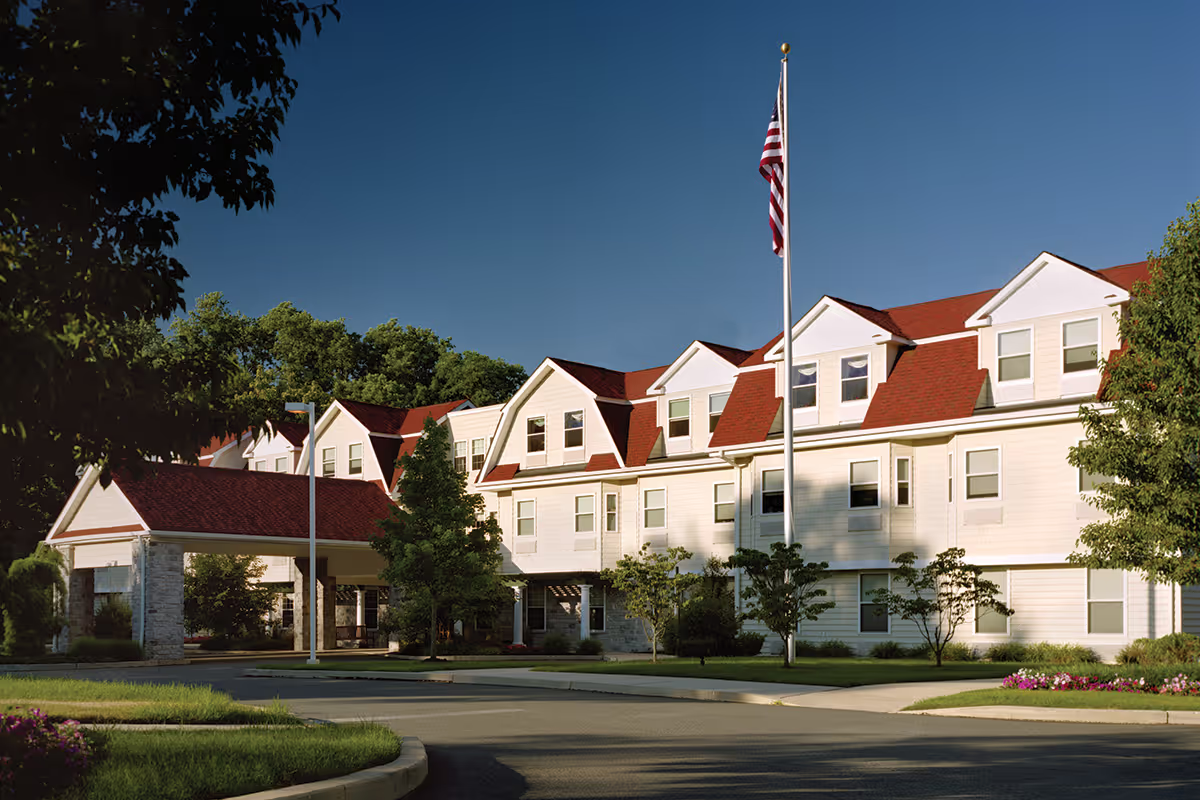
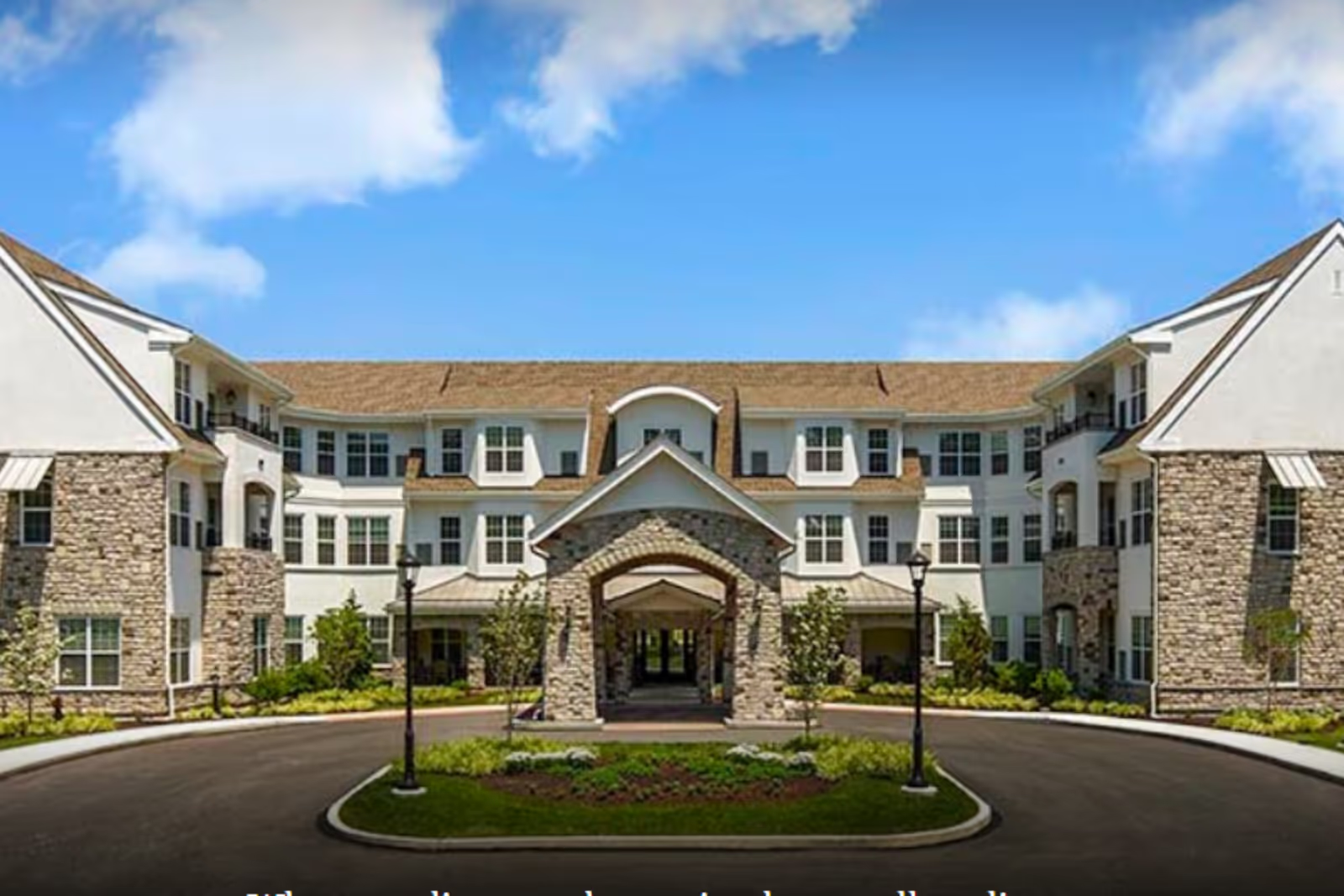
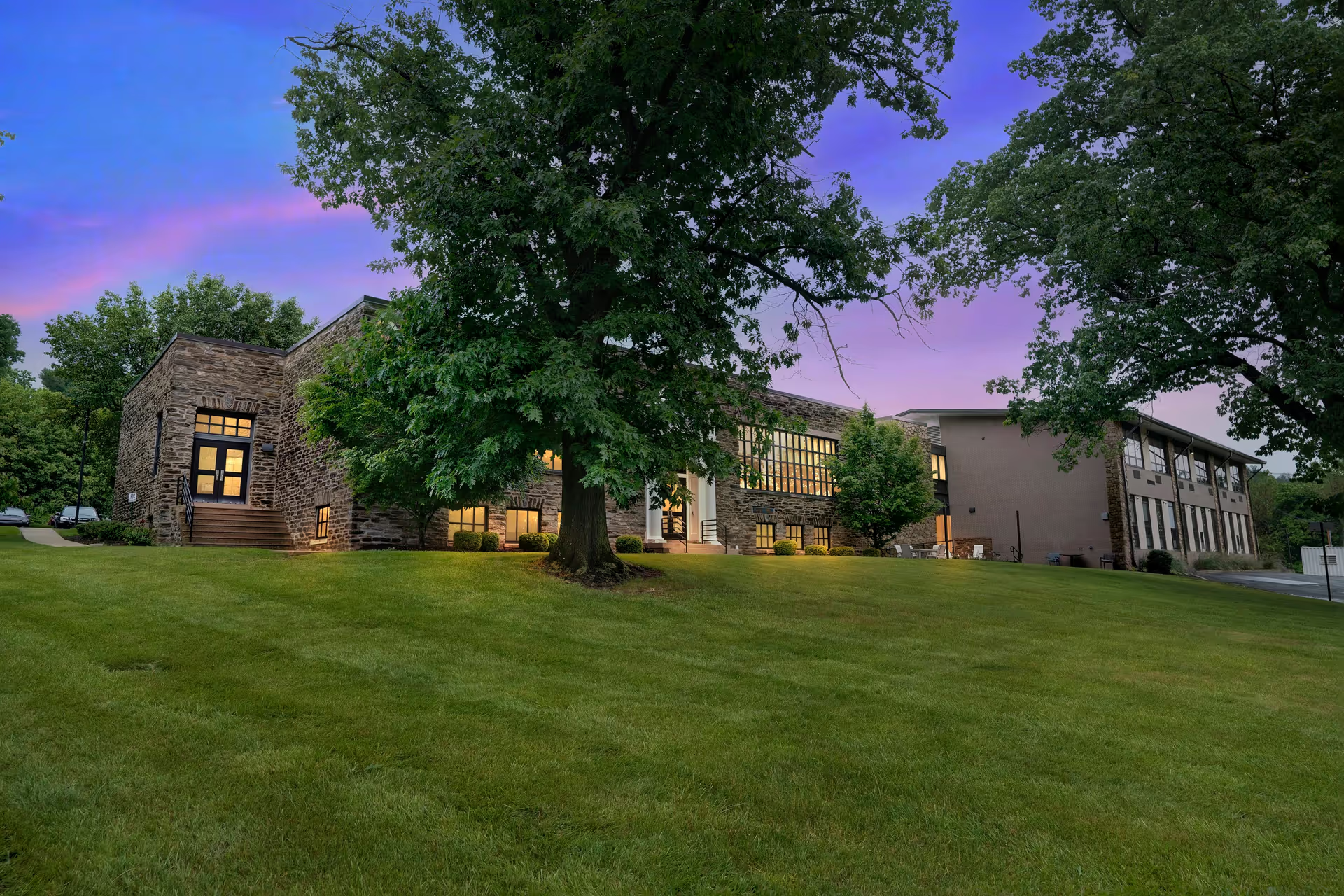
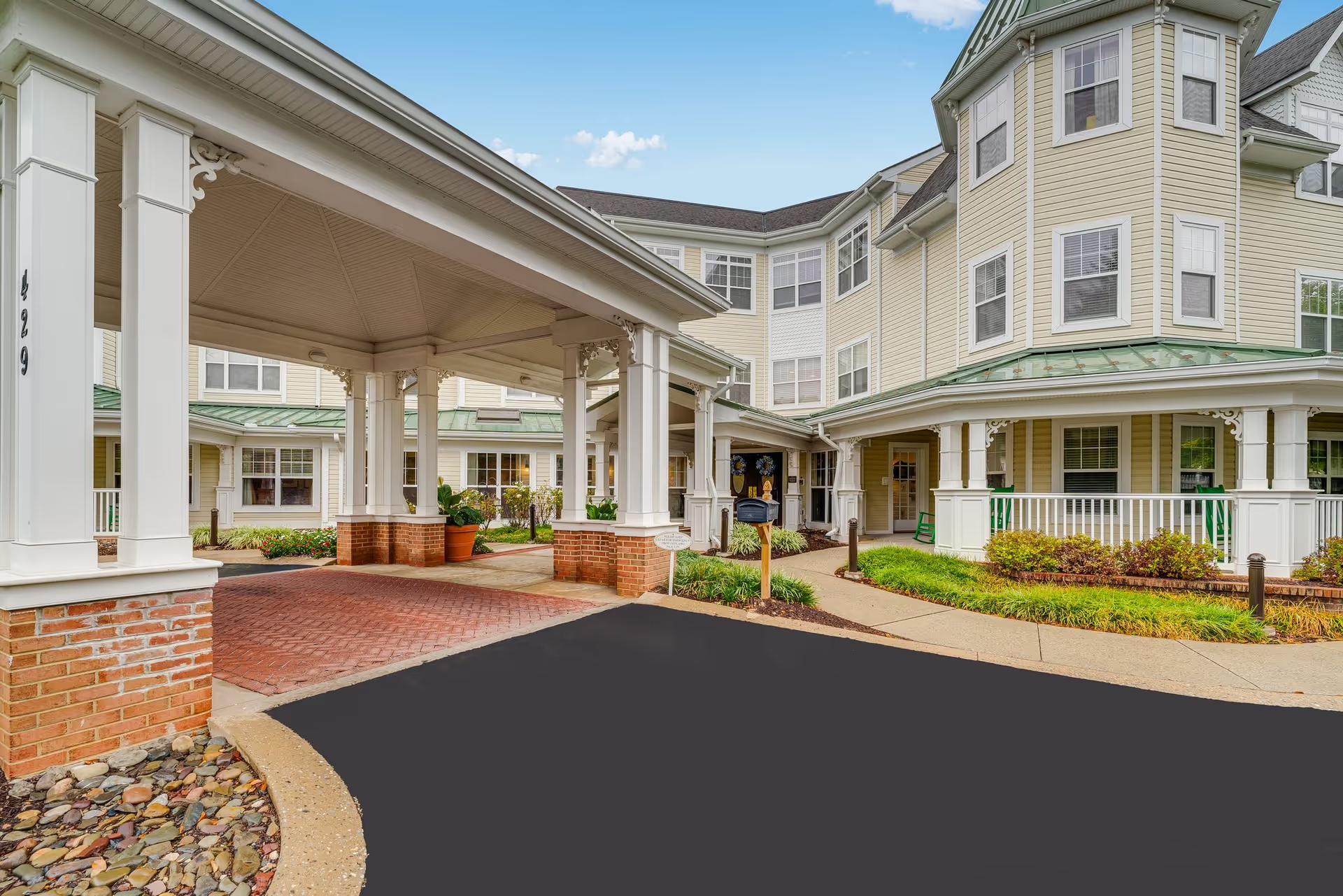
Facility condition and environment are described in conflicting terms. Some reviews describe a clean, well-maintained building and grounds with spotless common areas; others cite sanitation and odor-control concerns in portions of the facility. That disparity suggests variable performance across units or shifts rather than a uniform facility condition.
Management, communication, and accountability emerge as recurring operational weaknesses. Families note long phone hold times, scheduling difficulties, inconsistent information from leadership, and concerns about follow-up when incidents occur. There is an allegation of a resident injury with concerns about administrative response; regardless of particulars, the pattern points to gaps in incident follow-up, transparency, and formal accountability processes.
Overall, Inglis House appears to provide substantive activity programming and to employ many caring staff members, but its performance is uneven across clinical care, sanitation, staffing levels, and administrative responsiveness. Prospective residents and families should consider visiting at different times of day, asking for details on staffing ratios and alarm/incident-response protocols, reviewing meal-allergy and therapy procedures, and speaking with current family members to assess consistency. These focused inquiries can help clarify whether the facility’s strengths align with a prospective resident’s priorities and whether operational gaps have been addressed.