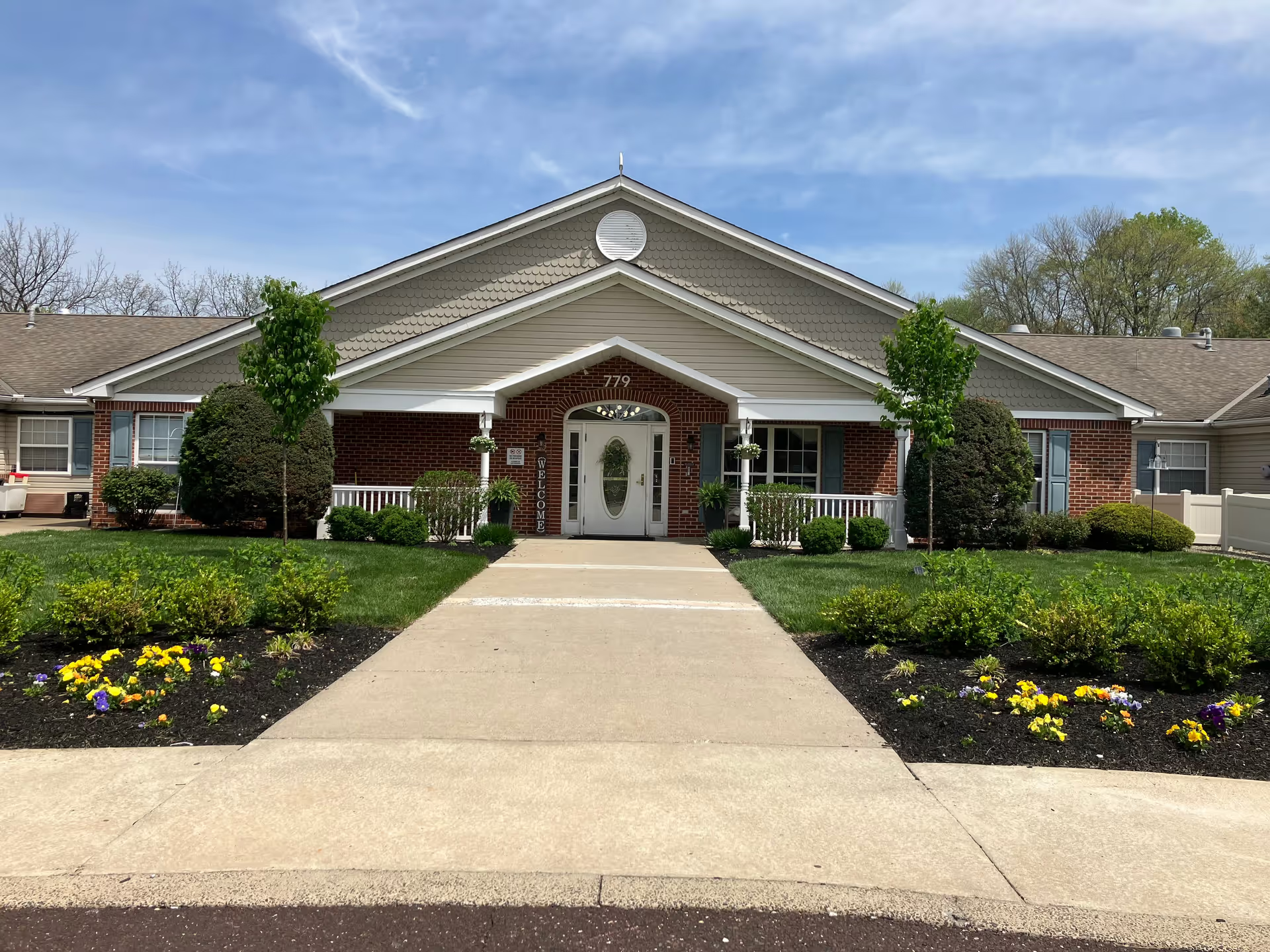
Pennypack Nursing and Rehabilitation Center elicits a strongly mixed set of impressions. A clear strength across many accounts is the caregiving and therapy teams: reviewers frequently describe nursing staff, CNAs, and therapists as compassionate, attentive, and effective in achieving short-term rehabilitation goals. Several accounts credit the therapy department with meaningful functional improvements after surgery or injury, and multiple families praised individualized therapy plans and successful discharges home. The facility's smaller size and proximity to hospitals are often seen as advantages, contributing to a welcoming, family-like atmosphere and timely access to acute care when needed.
Staffing and clinical reliability are the principal areas of concern. Reviews describe variability in day-to-day responsiveness — examples include delayed call-light responses and delays in medication or pain-management administration — which points to uneven staffing levels or workflow gaps. There are also recurring comments about supply-chain problems and shortages of basic bedside supplies that interfere with routine care. These operational weaknesses sometimes coincide with reports of inconsistent cleanliness and sanitation practices; while many reviewers praise the building as clean and well-maintained, others describe pockets of poor upkeep and aesthetic decline, suggesting uneven standards across units or shifts.
Dining and nutrition receive mixed evaluations. Some families report good meals and attentive dietary staff, while others describe limited menu variety, temperature issues, or meals that did not meet specific dietary needs. Activity and recreation programming are generally viewed positively, with energetic recreation staff and regular social programming helping residents’ morale. Facility layout and size are both a strength and a limitation: the compact, home-like environment is appreciated by many, but constrained room sizes, crowding, and occasional safety-related incidents (for example, wandering residents or access-control lapses) surface as ongoing operational concerns.
Management and administration present a polarized picture. Several reviewers singled out specific leaders (director of nursing, case managers, or administrators) for proactive, hands-on support including insurance coordination and advocacy; other reviewers described poor communication, lack of transparency about care or availability, and difficulty obtaining timely answers. There are also comments linking quality variability to ownership or leadership changes over time. Finally, a minority of reviews raise serious issues such as billing surprises and isolated allegations of theft or financial misconduct; while these appear to be less common, they underscore the importance of clarifying financial and administrative processes during placement or discharge planning.
In summary, Pennypack demonstrates notable strengths in rehabilitation, hands-on caregiving, and a welcoming culture, but prospective residents and families should be alert to variability in staffing consistency, medication and supply processes, dining consistency, physical space limitations, and communication from administration. Visiting in person, asking about recent staffing levels, medication-administration protocols, infection-control and sanitation audits, dining accommodations, and financial/billing procedures will help families evaluate whether the facility’s current operational practices meet their expectations.