Overall impression: Reviews for Renaissance Healthcare and Rehabilitation Center are highly polarized. Many families and patients describe positive, even excellent, experiences—particularly around hands-on caregiving, short-term rehabilitation results, and certain aspects of administration—while a distinct set of concerns highlights operational inconsistencies that prospective families should probe during a visit.
Care quality: Clinical experiences vary. Positive accounts emphasize effective nursing and therapy that supported recovery and promoted comfort. Conversely, other accounts identify gaps in clinical follow-through, including medication-administration problems, inconsistent adherence to physician orders, and variability in wound and chronic-condition management. There are also repeated comments about delays in attending to continence-related needs and other basic care tasks; these reflect process weaknesses rather than uniform clinical failure.
Staff and culture: Staff behavior and professionalism are inconsistent across reports. Many reviewers praise compassionate, attentive caregivers and instances of staff who go above and beyond. At the same time, others describe dismissive or curt communication, limited responsiveness to family questions, and concerns about staff motivation and training. There are also serious allegations regarding personal-belongings security and payroll/financial misconduct; those claims warrant follow-up with facility leadership and regulators as needed.
Dining and activities: Recreational programming and activities receive positive comments for engagement and personalization. Dining feedback is mixed—some residents find meals satisfying, while others note cold meals, timing problems, and dietary-management issues (including carbohydrate monitoring and meal composition) that are important for residents with diabetes or other dietary needs.
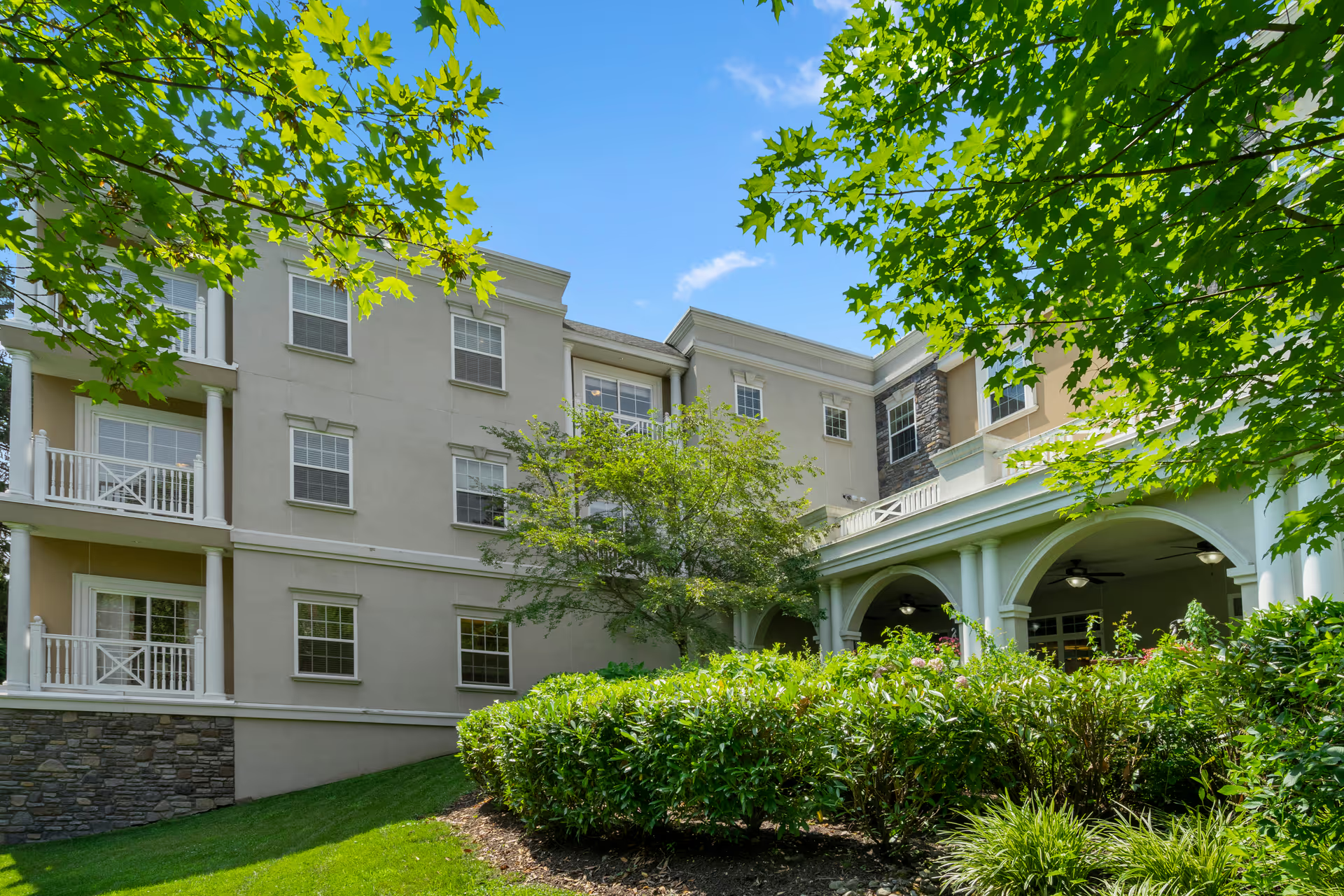
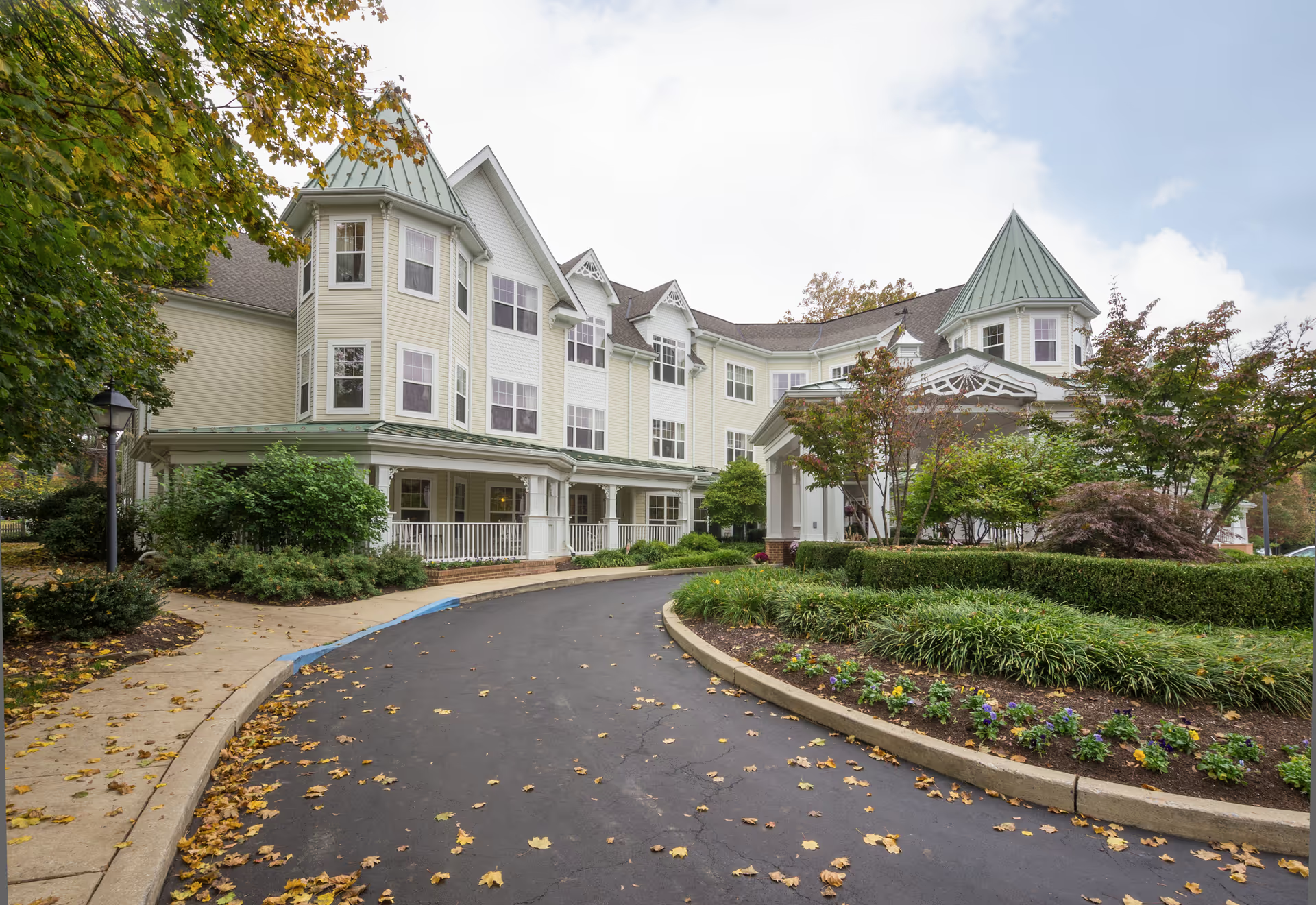
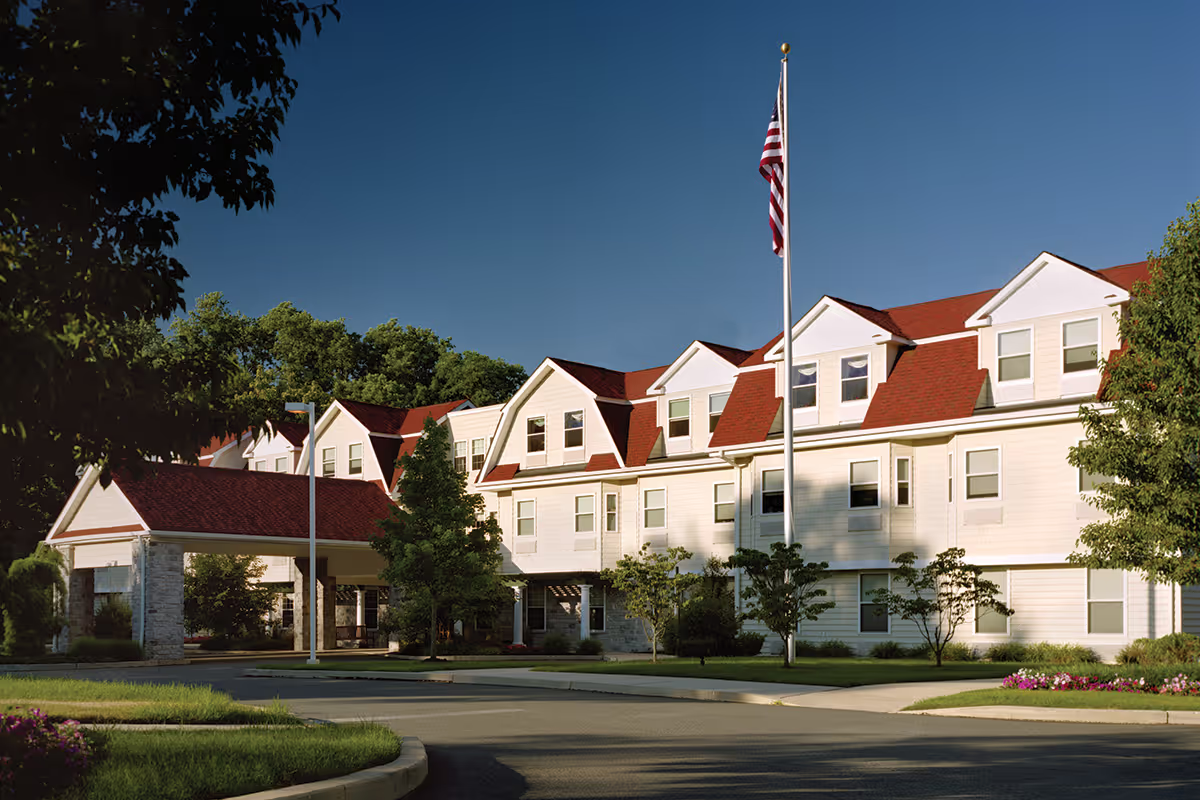
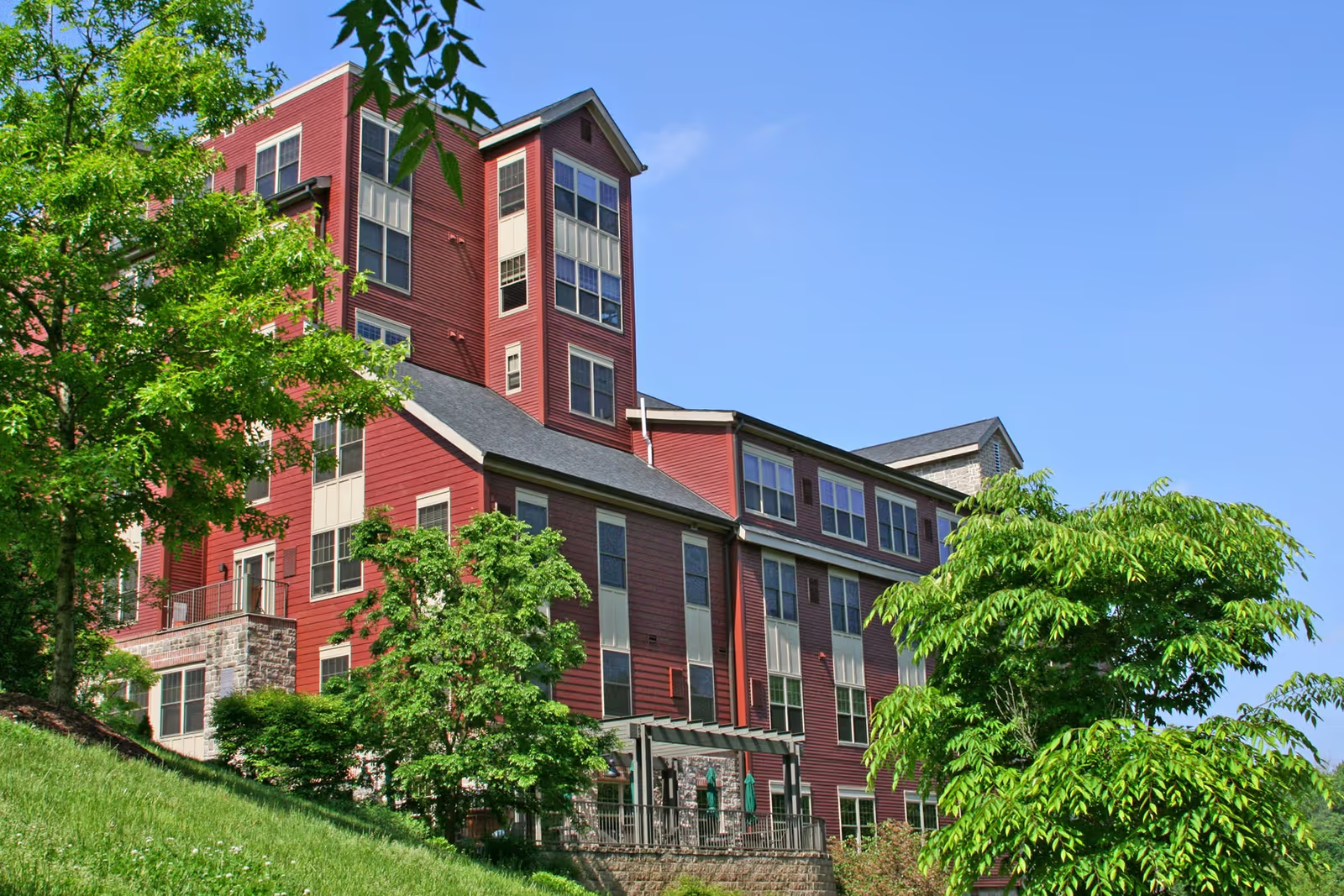
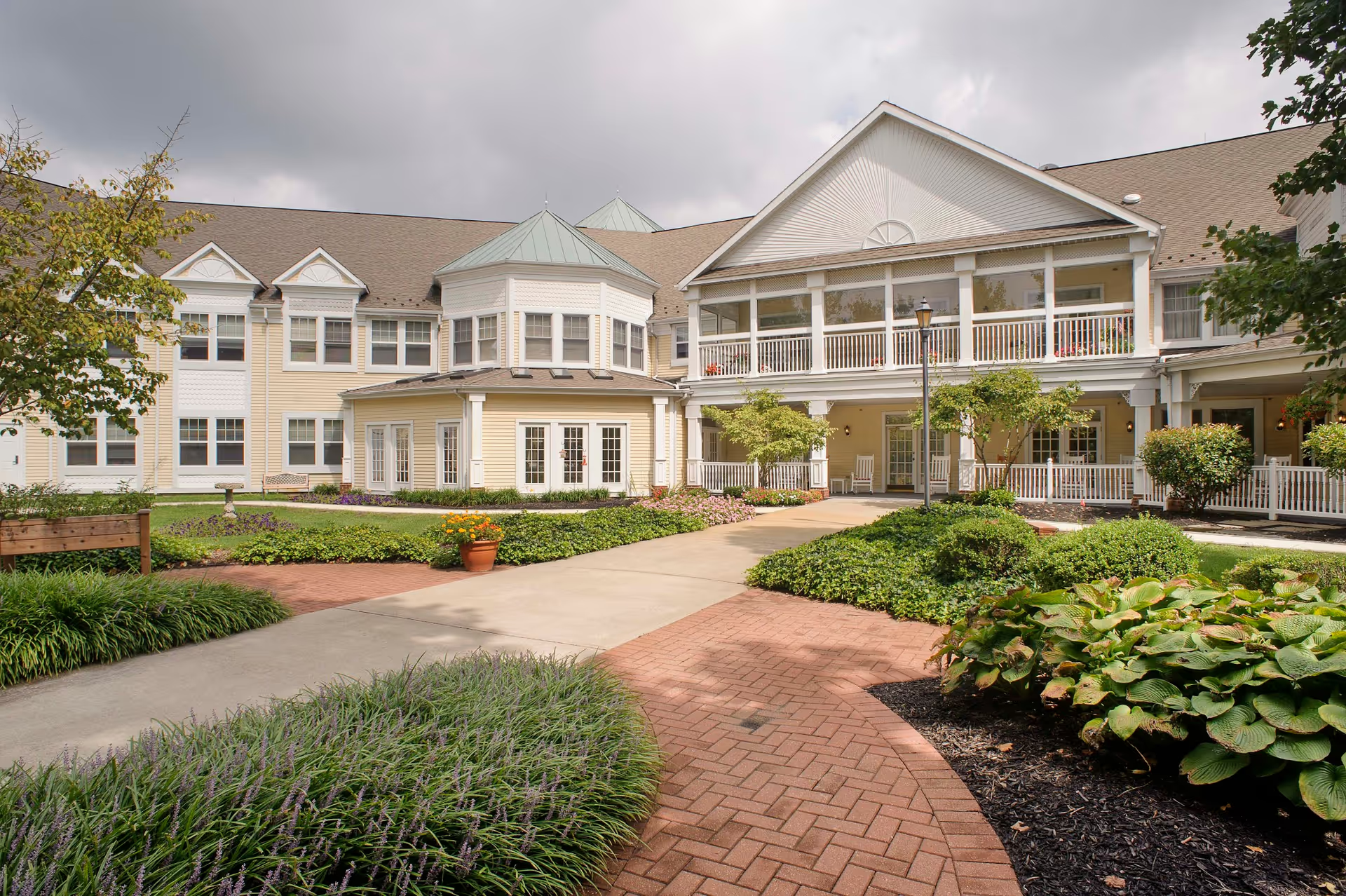
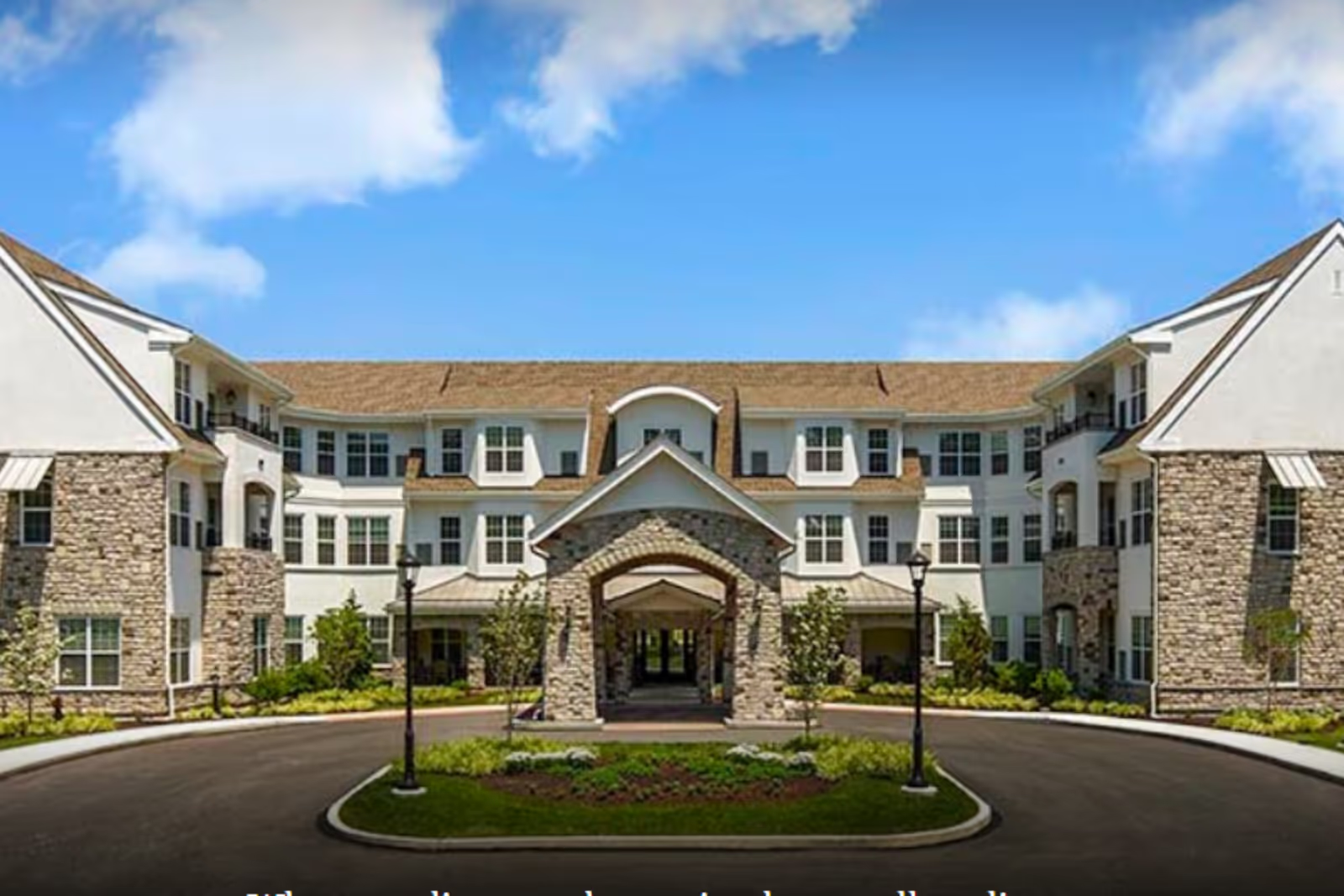
Facilities and cleanliness: Accounts of the physical environment are mixed. Several reviewers describe a clean, attractive, and well-maintained facility with a welcoming lobby and updated décor. Others report sanitation and odor concerns in certain resident areas and raise pest-control issues in specific units. These divergent impressions suggest variability in housekeeping and environmental controls between units or shifts.
Management and communication: Communication and administrative responsiveness appear inconsistent. Some families commend an accessible, warm administrative team and smooth admissions processes. Other families cite difficulty reaching staff by phone, long call-hold times, infrequent care conferences, and an unresponsive administrator when problems arise. These patterns point to gaps in family-communication systems and accountability pathways.
Notable patterns and guidance: The dominant theme is variability—excellent, resident-centered care coexists with operational weaknesses that can materially affect safety and satisfaction. Key areas to evaluate in person are staffing ratios by shift, medication and wound-care protocols, security for personal belongings, pest-control and housekeeping practices, dietary planning for chronic conditions, and the facility’s process for care conferences and incident follow-up. Prospective families should tour multiple resident areas, ask for recent quality and inspection data, request examples of care plans for conditions similar to their loved one’s, and get names/roles of point people for clinical concerns before committing.