Overall impression: Reviewers present a mixed but specific picture. Many families and staff highlight effective dementia-specific programming and an environment that can improve residents' mental outlook and overall happiness. At the same time, a subset of observations points to operational gaps that can affect day-to-day experience and family confidence.
Care quality and clinical services: The facility is frequently credited with focused Alzheimer's care and visible improvements in resident quality of life. Therapeutic services such as physical therapy and fitness activities are cited as contributors to residents' wellbeing. Medication management is described positively in some accounts, but there are also concerns about how certain medications are administered and supervised; this suggests variability in clinical controls and the need for clear protocols and documentation.
Staff and staffing patterns: Numerous comments praise attentive, compassionate caregiving and staff who perform well across shifts, which families say provides peace of mind. Conversely, other reports describe inconsistent staffing levels and instances of unprofessional behavior or lapses in conduct. The pattern indicates that staffing quality may be uneven — strong where experienced teams are present, but vulnerable to gaps in coverage or supervision.
Dining, housekeeping, and activities: Meals are commonly described as good and appreciated by residents, and laundry and routine housekeeping services are noted as strengths. However, reviewers also identify cleanliness and maintenance shortcomings in some common areas and carpeting, pointing to variability in facility upkeep. Activity-related supports, particularly physical therapy and fitness, receive positive mention and appear to contribute to residents' improved mood and engagement.
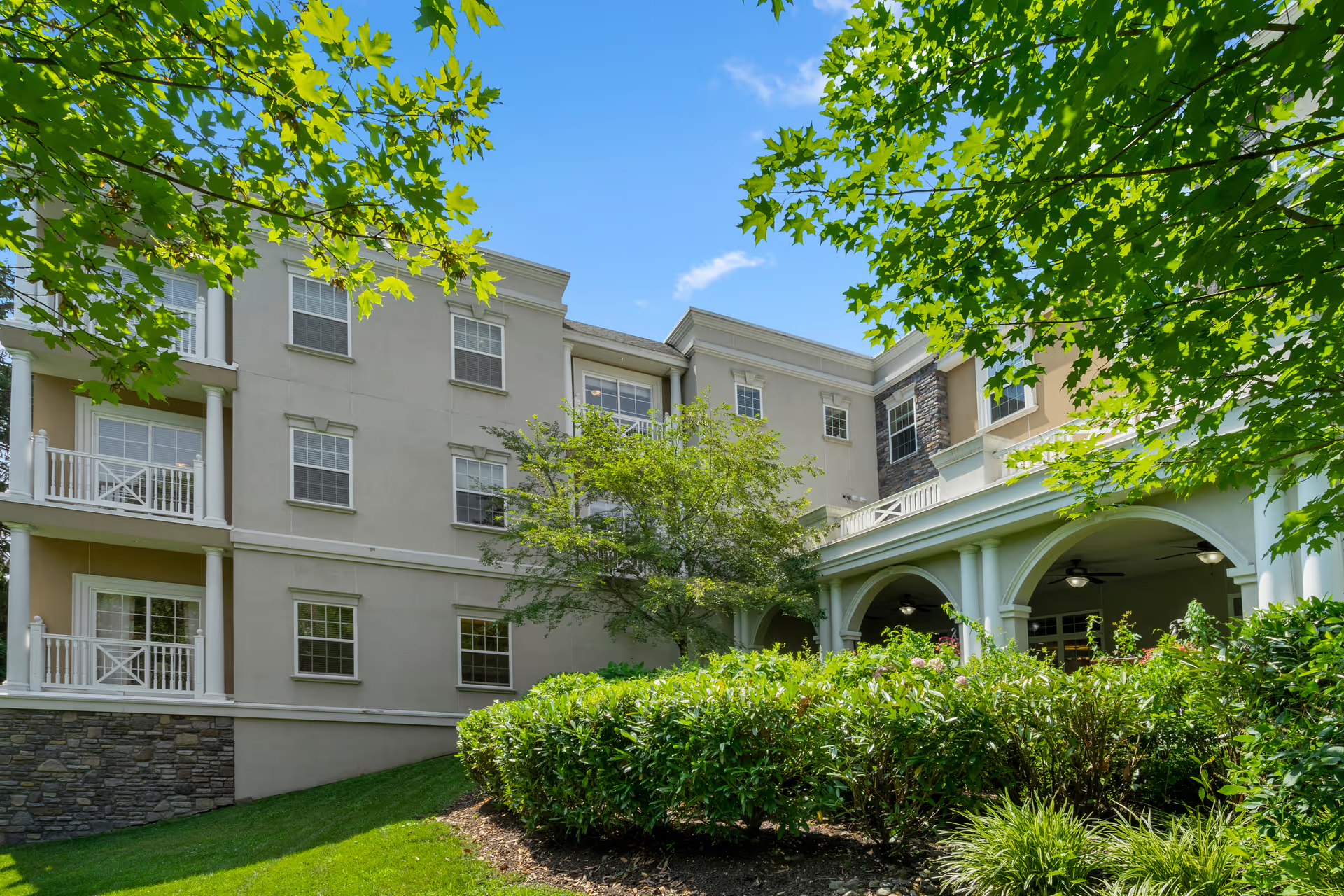
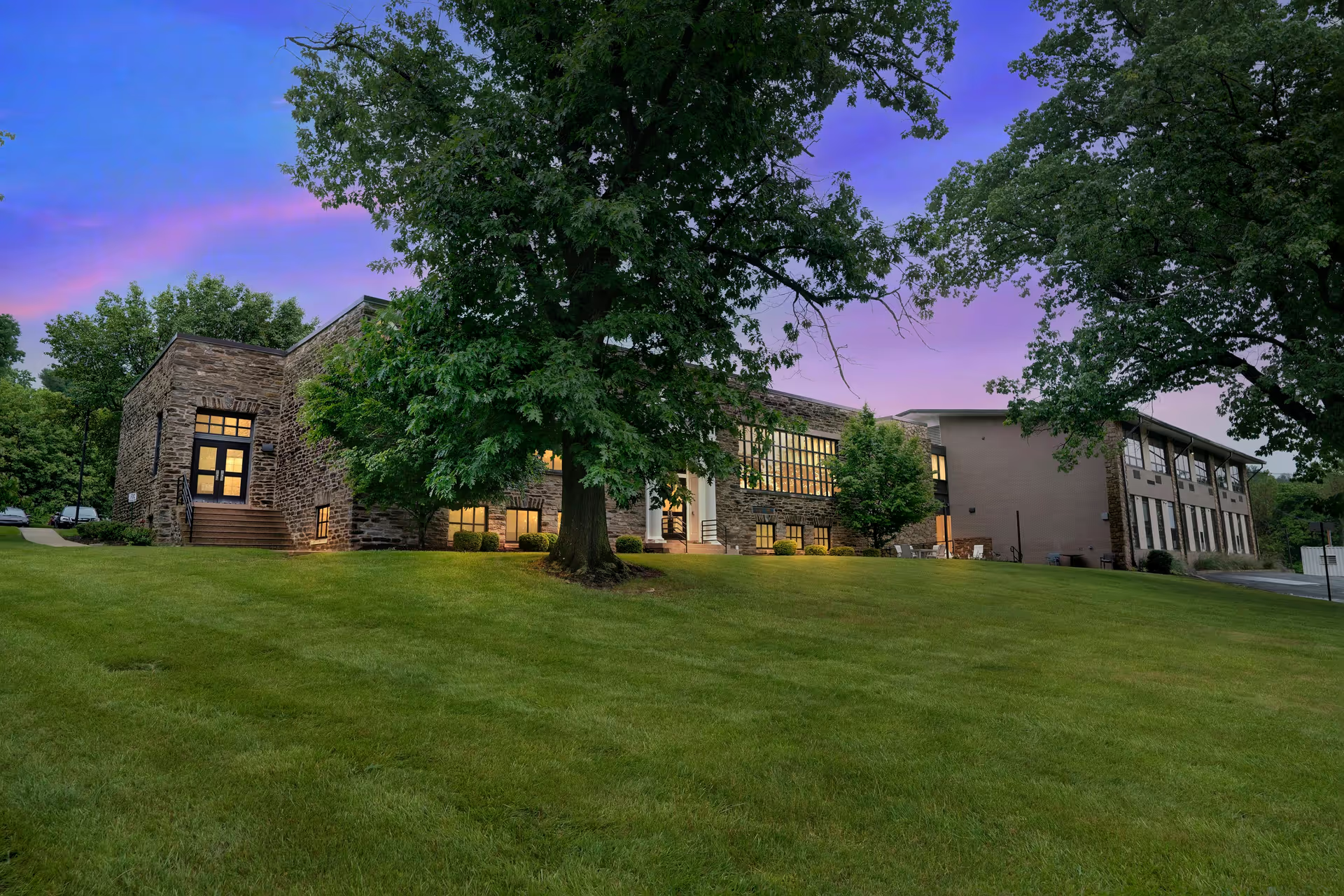
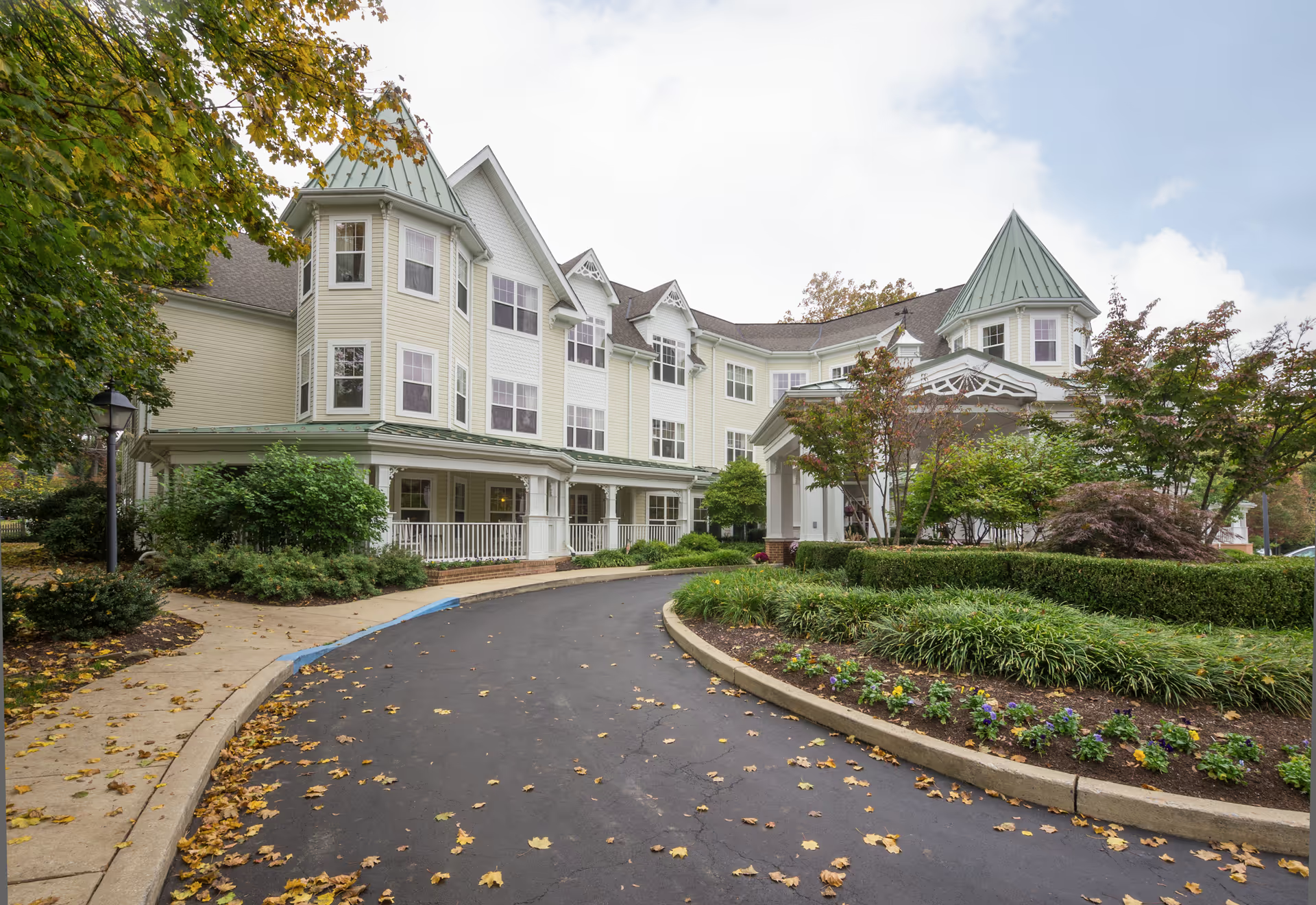
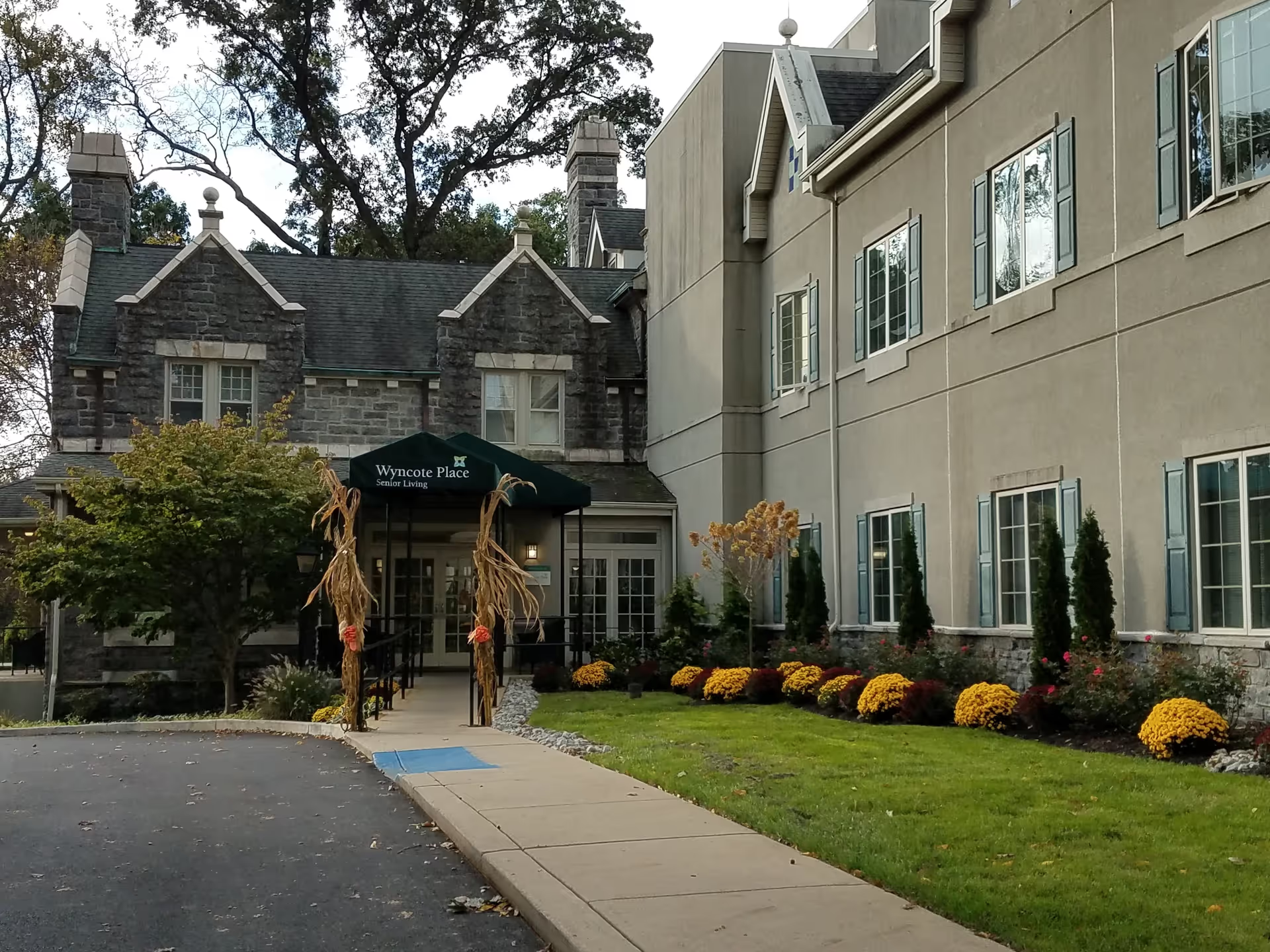
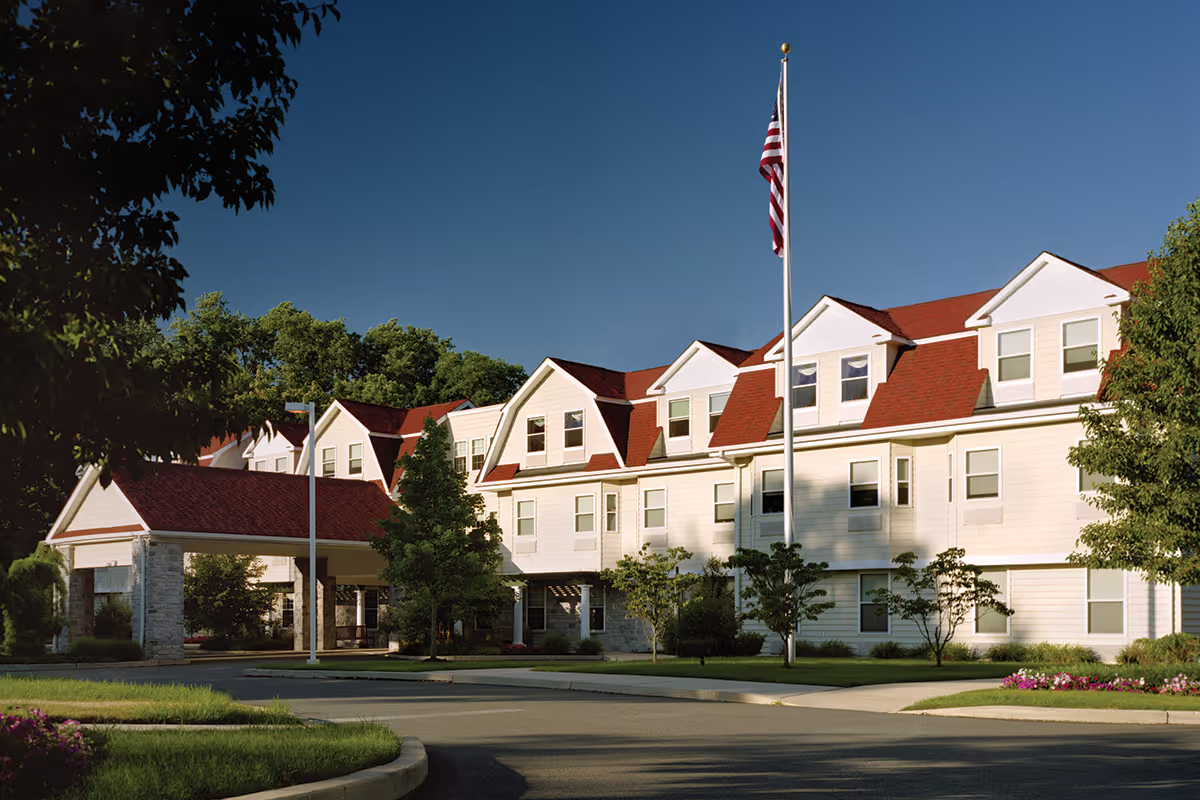
Facilities and resident environment: The facility is described as cozy and home-like, which many families and a staff reviewer find appealing. That said, maintenance and appearance issues (walls, carpeting) and weaknesses in how personal items are stored or tracked were reported, indicating that the physical environment and property-management practices may require attention to achieve consistent standards.
Management and communication: Opinions about administration are mixed. Some reviewers praise administrative responsiveness and an overall sense of being 'in good hands,' while others describe delays in responses to questions, difficulty obtaining timely answers, and inflexible admission practices (including room-assignment decisions). These contrasting accounts suggest unevenness in customer service and intake/placement procedures.
Notable patterns and practical implications: Strengths cluster around dementia care, therapeutic programming, and staff who provide compassionate day-to-day care, which can deliver meaningful improvements for residents. Operational risks cluster around inconsistent staffing, facility maintenance, medication-administration controls, policy enforcement, and communication responsiveness. Prospective residents and families may want to directly assess current staffing ratios, medication policies (including delegation and oversight), room-assignment practices, cleanliness and maintenance standards, belongings-storage procedures, and how the administration handles family communication before finalizing placement.