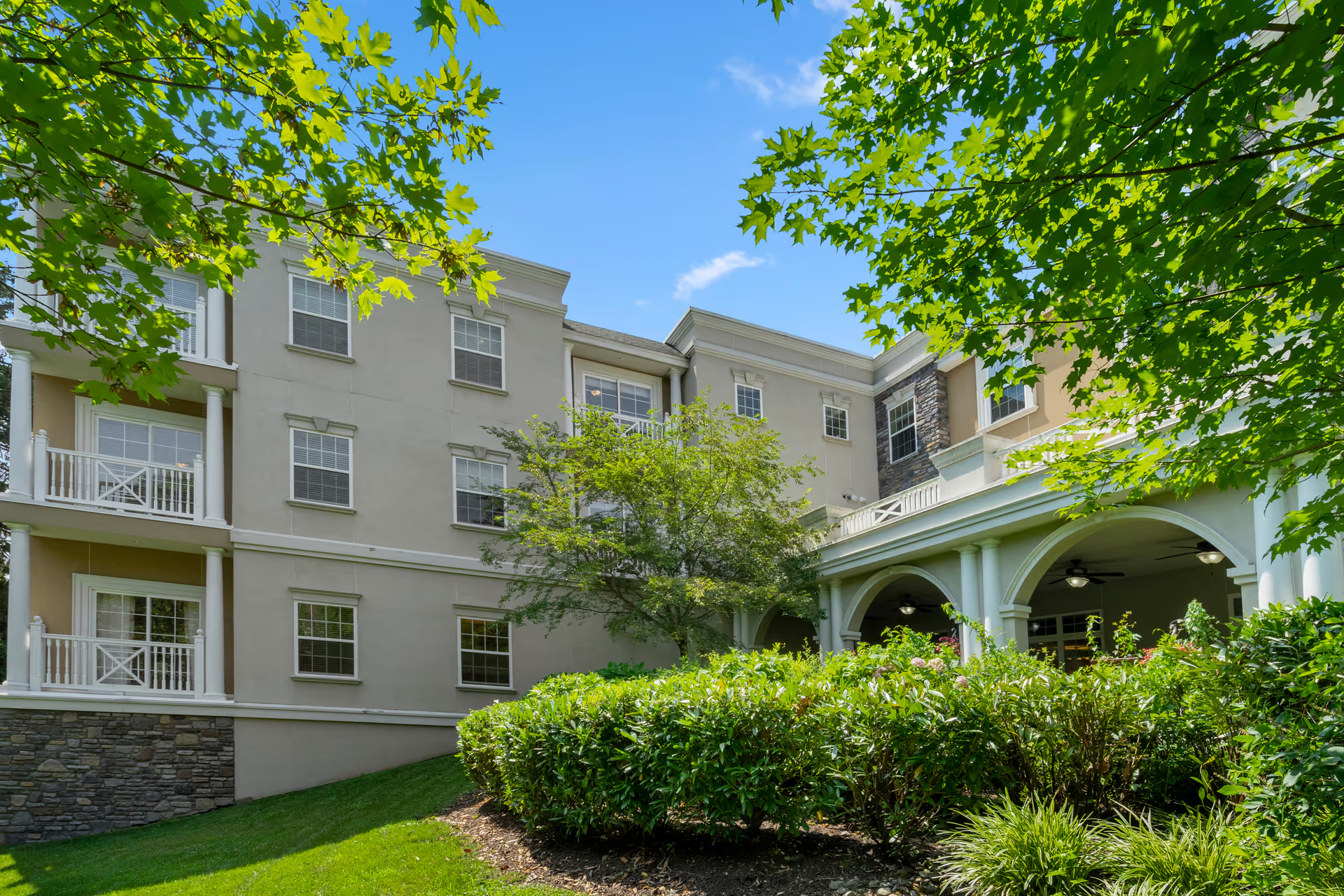
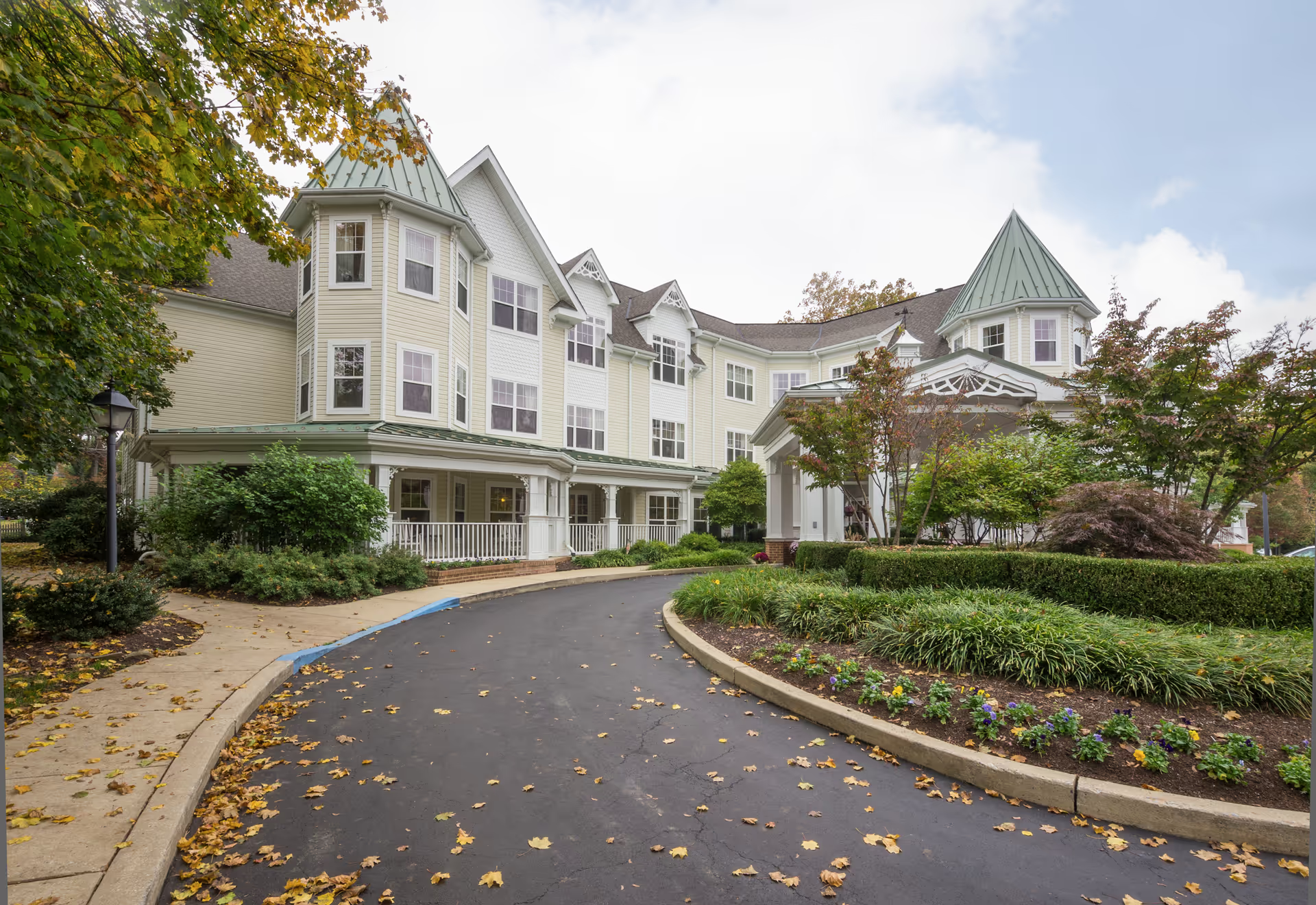
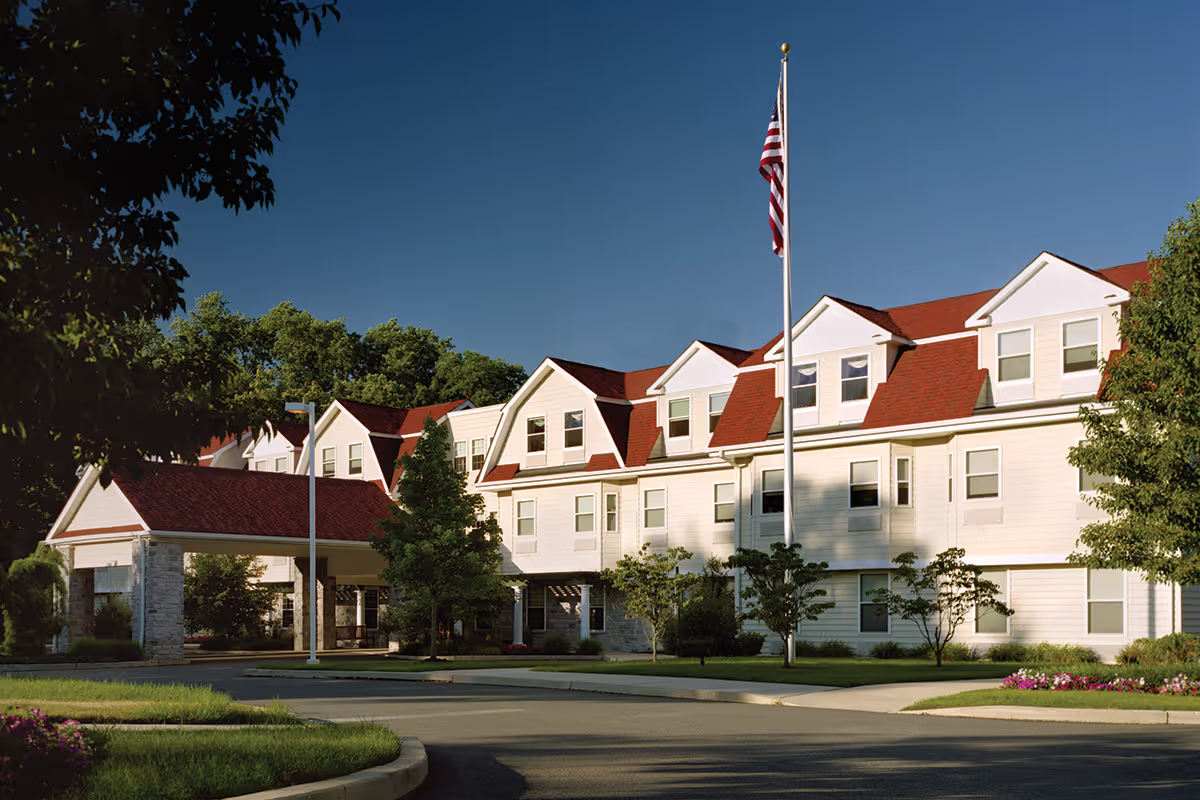
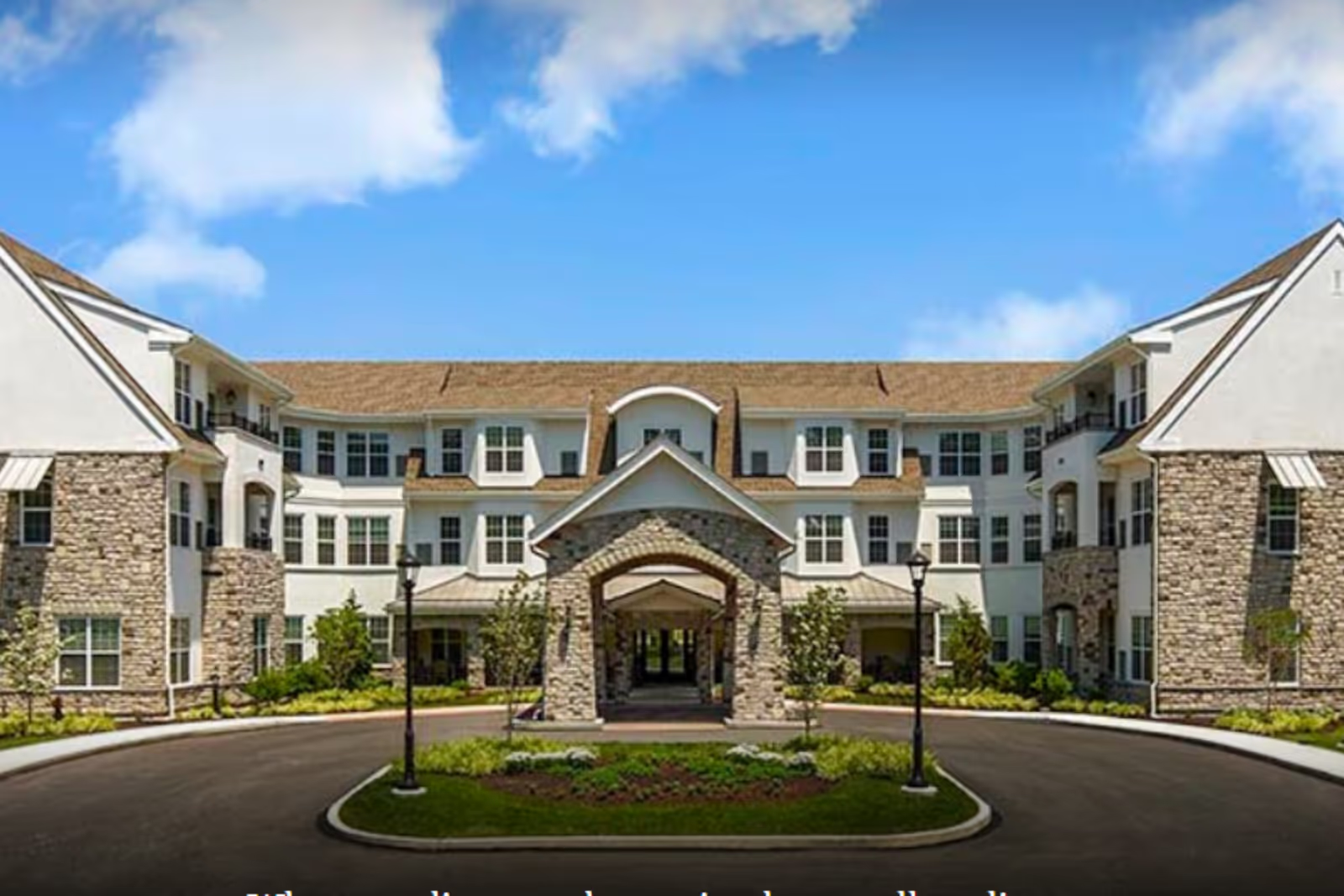
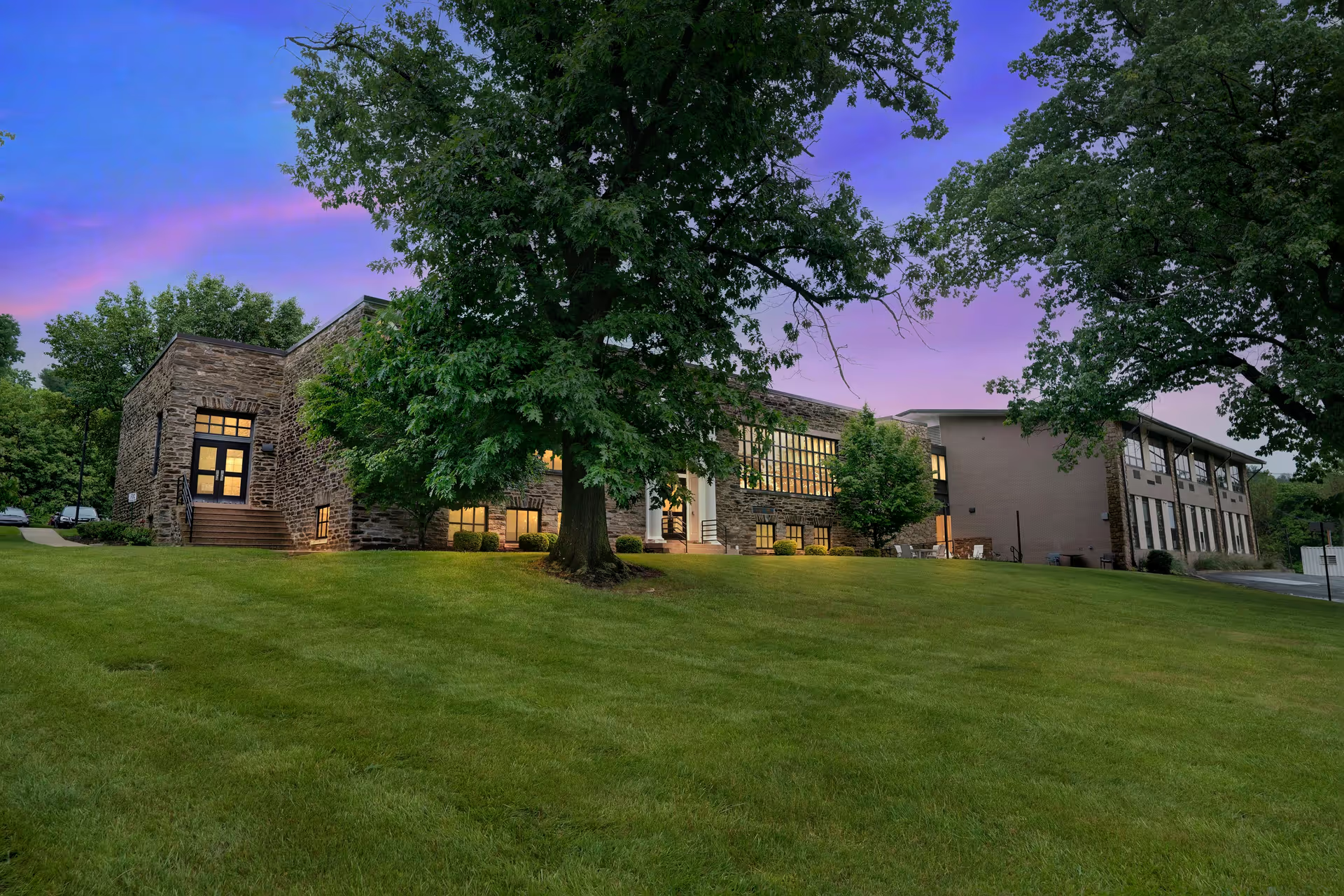
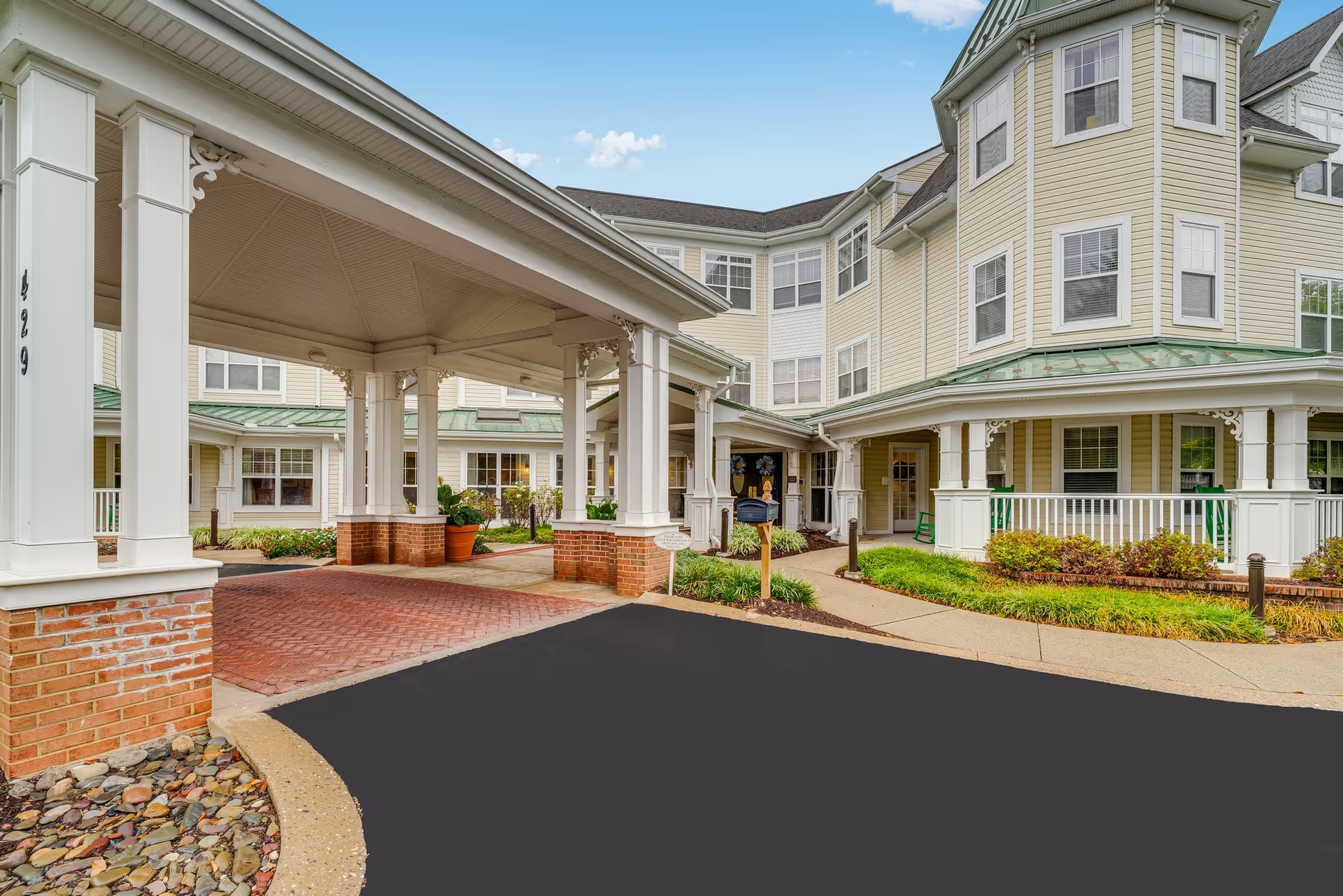
Simpson House presents as a well-located, historic senior-living campus with a wide array of apartment configurations and amenity offerings. The facility combines an older, character-rich building with a more modern wing offering renovated units, contemporary kitchens, in-unit washers/dryers, balconies, and open living spaces. Grounds and landscaping are frequently described as attractive and park-like, and the property's proximity to West Fairmount Park and transit connections is a consistent positive.
On care quality, the community provides on-site healthcare, 24/7 clinical coverage, and rehabilitation services that many families praised for clinical competence and compassion. Reviewers highlighted attentive therapy staff, available skilled nursing, and structured rehab programs that supported transitions from hospital to residence. At the same time, there are recurring operational concerns: staffing levels are described as inconsistent, and reviewers identified gaps in medication-administration workflows and in the coordination between therapy and nursing teams. Several families indicated that the community was not optimally prepared for advanced dementia- related behaviors, suggesting limited behavioral-training resources in some care areas.
Staff and culture are a mixed but broadly positive theme. Many accounts commend long-tenured employees, warm reception staff, and caring nurses who know residents by name and foster a family-like atmosphere. Conversely, other accounts describe variability in staff responsiveness, courtesy, and timeliness of assistance. These contrasts suggest an uneven resident experience depending on unit, shift, or team. Communication with families is another recurring area of tension: there are examples of slow phone response, delayed follow-up on concerns, and dissatisfaction with how contractual or billing issues were handled.
Dining and activities are generally strengths. Dining options include an in-building restaurant with program-based meal plans, additional dining venues with modest extra cost, and reports of fresh, varied menus. The activity schedule is extensive — fitness classes, chapel/worship, arts and crafts, movie nights, and regular off-site excursions and shopping trips — and is frequently cited as contributing to an engaged community life.
Facility features and maintenance receive mixed commentary. Many reviewers praised cleanliness, renovated interiors, and well-kept public spaces such as libraries, theaters, and fitness rooms. At the same time, there are isolated concerns about pest control and sanitation in specific areas, periodic maintenance outages (including elevators), and construction-related disruption from an ongoing expansion. Safety and arrival logistics — lighting, signage, and entry procedures — were called out as needing improvement in some accounts.
Management and administrative practices show both strengths and weaknesses. Admissions and tour experiences are often described as helpful and reassuring, yet several families reported problems with contract enforcement, deposit or refund handling, and inconsistent customer-service follow-through after move-in. These operational gaps create friction for families who expect clear, enforceable commitments.
Overall, Simpson House offers strong amenities, a full activity program, on-site clinical services, and an attractive historic setting that many residents and families value. Prospective residents should assess clinical and behavioral-care fit for higher-acuity or memory-care needs, confirm staffing ratios and medication protocols, request written clarification of fees and refund policies, and inquire about current construction schedules and pest-control measures. A careful, documented tour of the specific wing and unit of interest — with direct questions about dementia capabilities, emergency response procedures, and family communication practices — will help families align expectations with the facility's operational realities.