Overview St. John Neumann Center for Rehabilitation & Healthcare generates highly polarized experiences. Many families and patients praised the facility’s rehabilitation services, some nursing and therapy teams, wound care, and aspects of housekeeping and groundskeeping. At the same time, a consistent set of operational concerns appears across reviews, which creates variability in outcomes for residents depending on unit, staff on duty, and the length/type of stay.
Care quality Clinical strengths center on short-term rehabilitation: physical and occupational therapy teams, wound-care clinicians, and some attentive nurses and CNAs are repeatedly singled out for producing measurable recovery and successful discharges home. Conversely, reviews describe inconsistent nursing and aide performance for long-term and complex medical needs. Recurring themes include delayed responses to call bells, missed or delayed medication administration, inconsistent incontinence and bathing assistance, and safety-monitoring gaps (for example, wandering or delayed attention after falls). Reviewers also describe troubling lapses in clinical-incident follow-up and family communication after adverse events; these are operational gaps that prospective families should investigate directly with leadership.
Staff and culture Many individual staff members receive high praise for compassion, responsiveness, and personal attention; several reviews name specific caregivers and supervisors as exceptional. At the same time, the facility appears to experience high turnover and periodic reliance on agency staff, which corresponded with variability in professionalism and responsiveness in some accounts. Communication tone and accessibility are uneven: families reported both highly communicative, helpful administrators and instances of poor phone responsiveness, unreturned calls, or difficulty reaching clinicians. Management responsiveness also varies—some administrators were described as strong advocates who resolved issues promptly, while other interactions were characterized as unhelpful or defensive.
Dining and activities Activity programming is a clear positive in many areas: bingo, music, holiday events, salon services, and spiritual services (including a chapel and daily mass) provide social engagement for residents. Memory-care programming was described as less robust in some accounts, with fewer individualized activities than in other wings. Food service quality is inconsistent: several families praised generous, adaptive meals and accommodating dietary changes, while others described undercooked, cold, or unappealing meals. Prospective residents should inquire about therapeutic diet capability and meal-service timing.
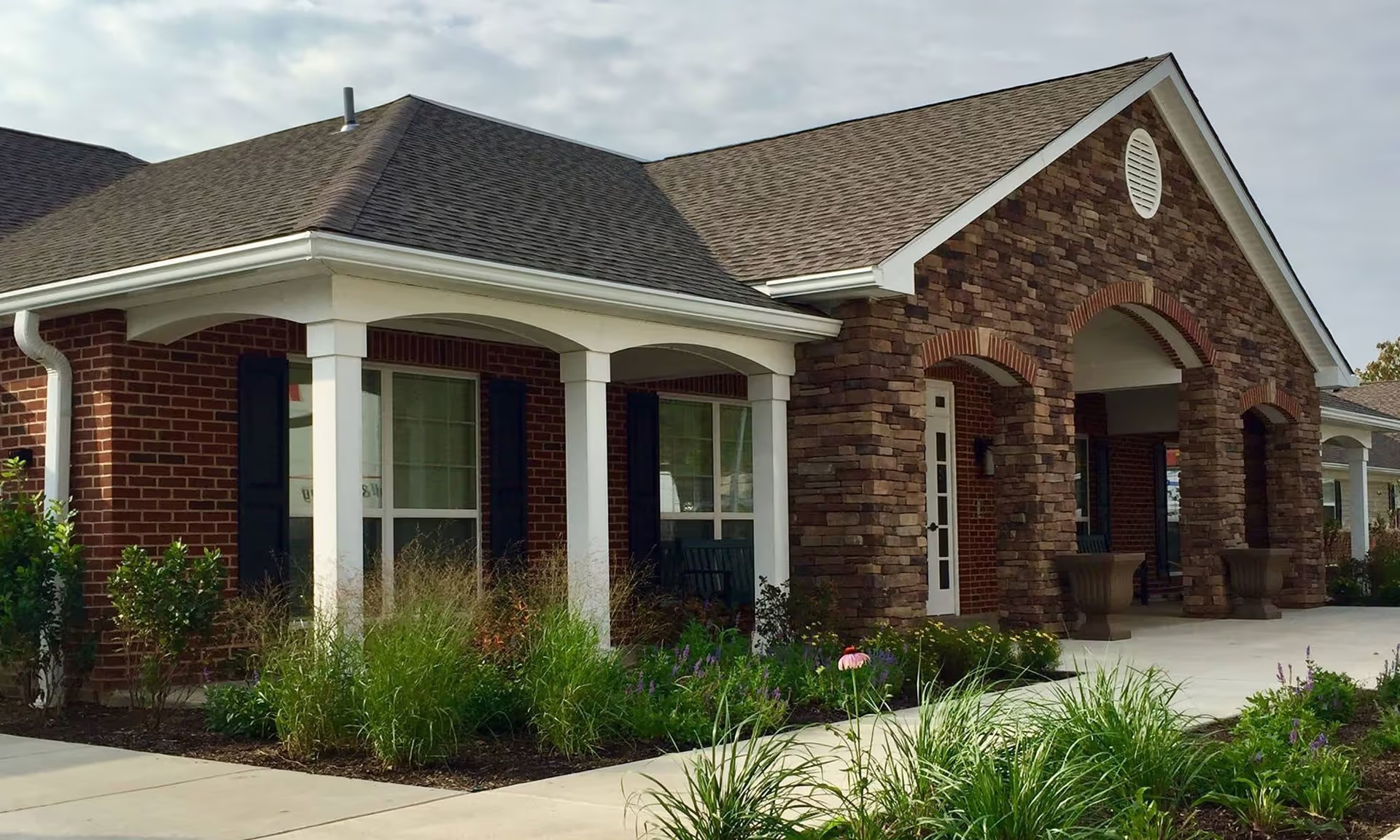
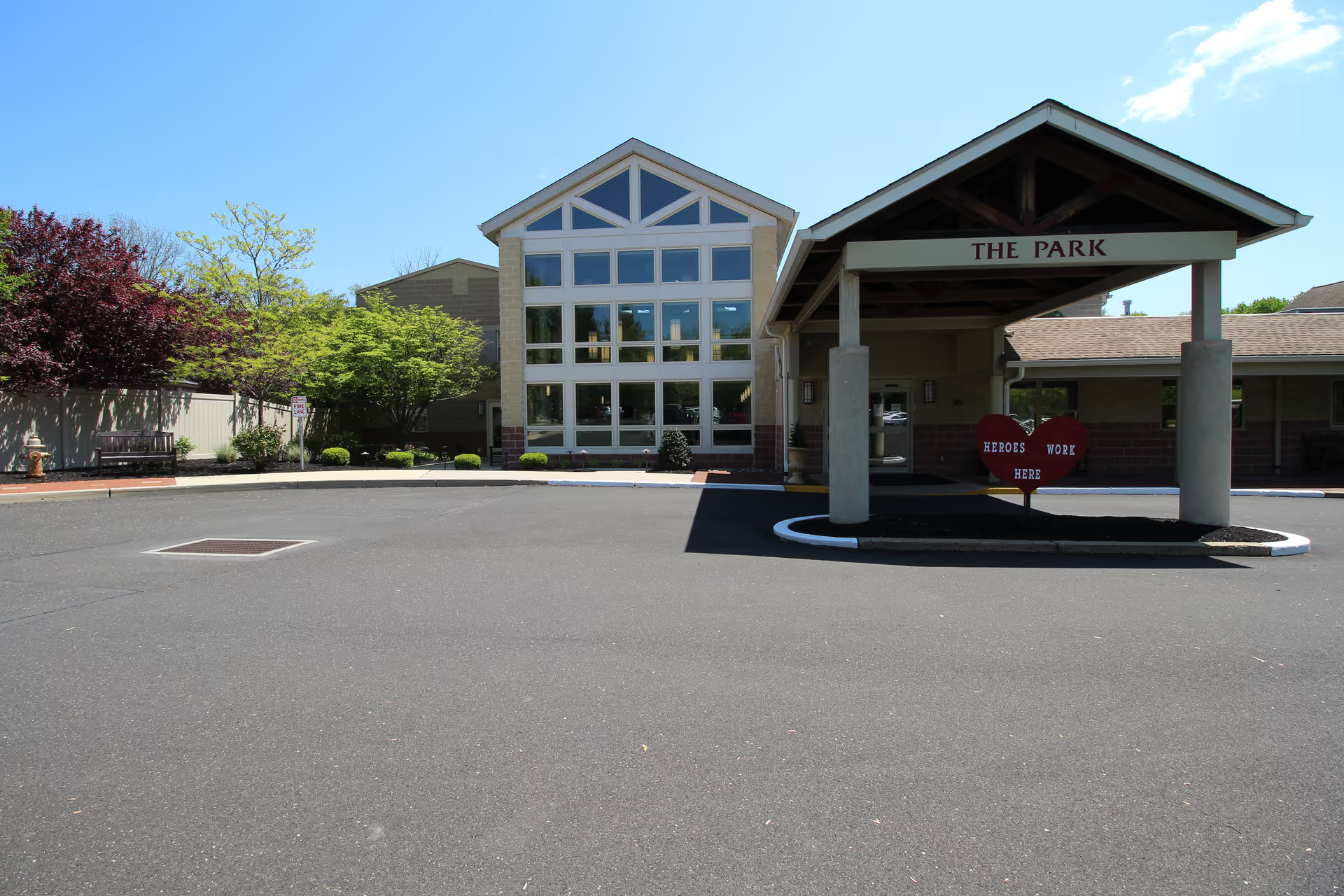
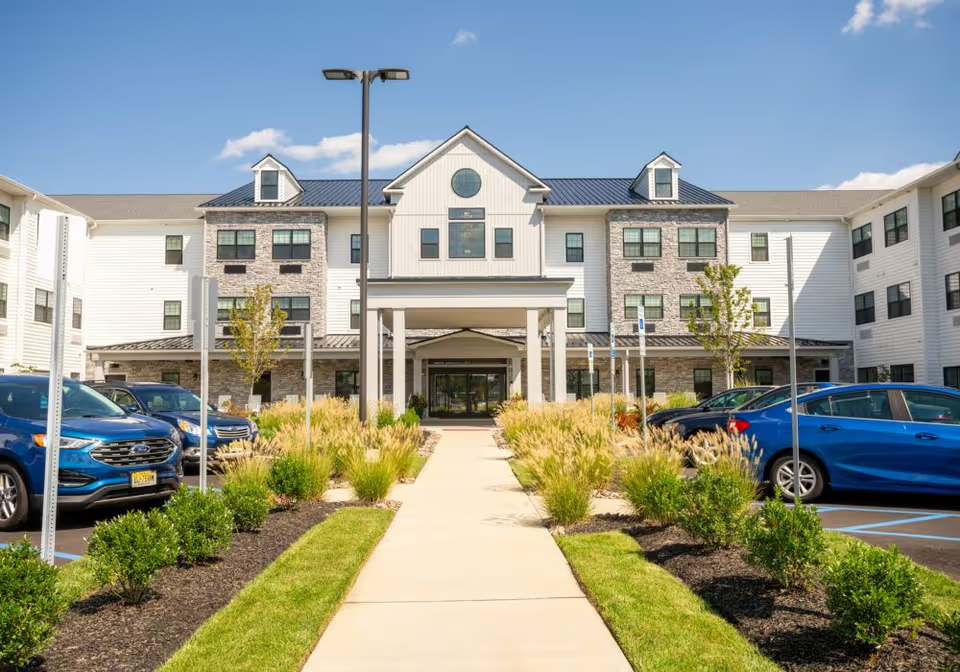
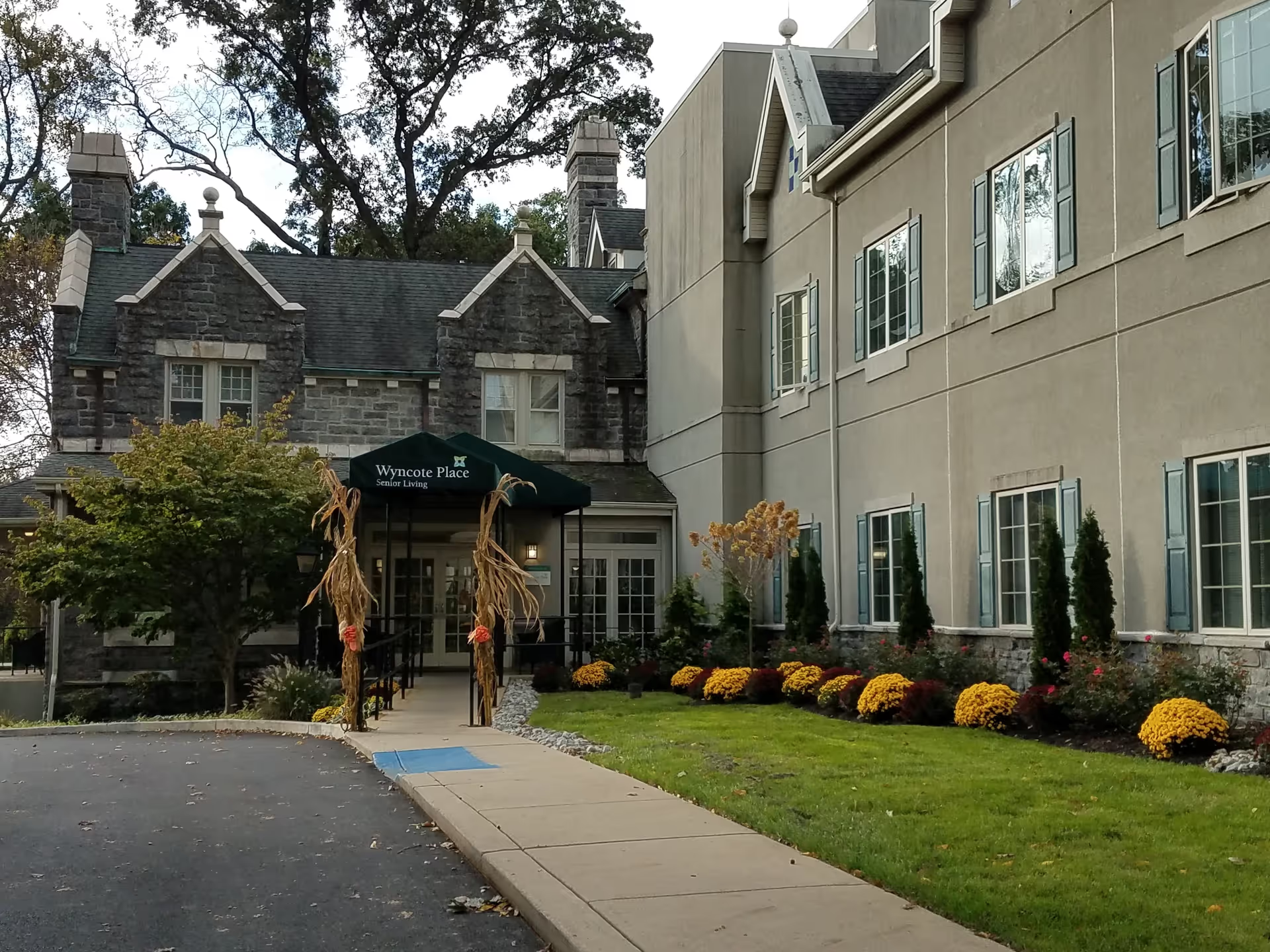
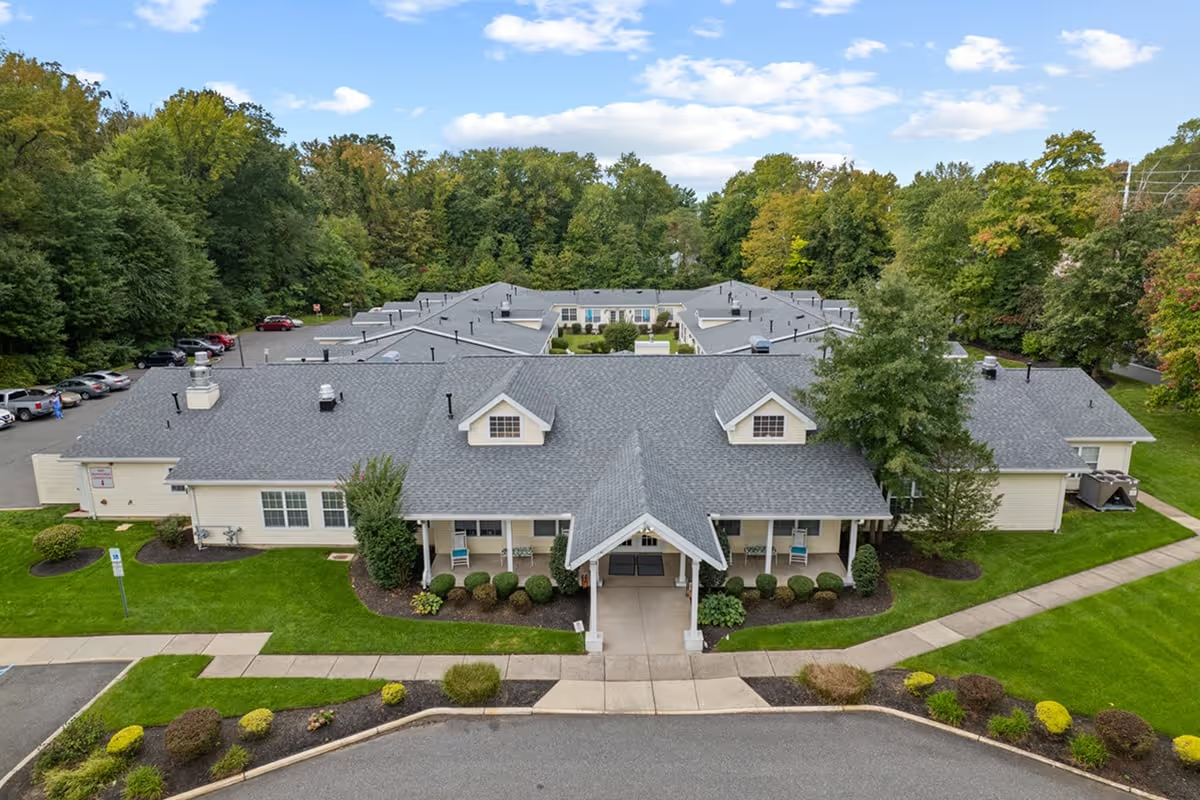
Facilities and maintenance The campus is an older, large one-floor building with attractive grounds and a pleasant courtyard, but multiple reviews indicate deferred maintenance in certain areas. Cited problems include plumbing and drainage issues, aging toilets and fixtures, peeling paint, failing air conditioning in some rooms, broken equipment, and worn or mismatched furniture. Sanitation and pest-control concerns in particular rooms or wings were described by some families; housekeeping effort is visible in many common areas, but room-level conditions appear uneven. These are site-specific issues that can change quickly with maintenance investment.
Management, billing, and transitions Significant operational concerns involve communication, discharge planning, and billing. Families described variable discharge coordination—both effective, prompt transitions and problematic discharges lacking proper follow-up or placement planning. Billing and collections disputes, including unexpected bills after a resident’s departure, were flagged by several reviewers as an area of concern. Phone-system responsiveness, social-work accessibility, and clarity around informed consent and placement decisions were also cited as inconsistent.
Notable patterns and guidance for families The reviews indicate two consistent patterns: (1) strong short-term rehabilitation outcomes when therapy and wound-care teams are engaged, and (2) uneven long-term nursing care and environmental conditions that appear to depend on staffing levels and unit assignment. For prospective residents and families, recommended due diligence includes touring the specific unit being considered, asking about current staffing ratios and agency usage, reviewing recent inspection or complaint records, confirming medication-administration protocols, observing cleanliness in resident rooms, and clarifying discharge and billing procedures.
Conclusion St. John Neumann Center can offer high-quality rehabilitation and several compassionate caregivers, but operational weaknesses—especially inconsistent staffing, maintenance shortfalls, medication-management gaps, and variable family communication—create notable variability in resident experience. Families seeking short-term rehab services may find strong clinical teams and good outcomes; those considering long-term placement should weigh the facility’s strengths against the documented operational issues and perform targeted checks during visits.