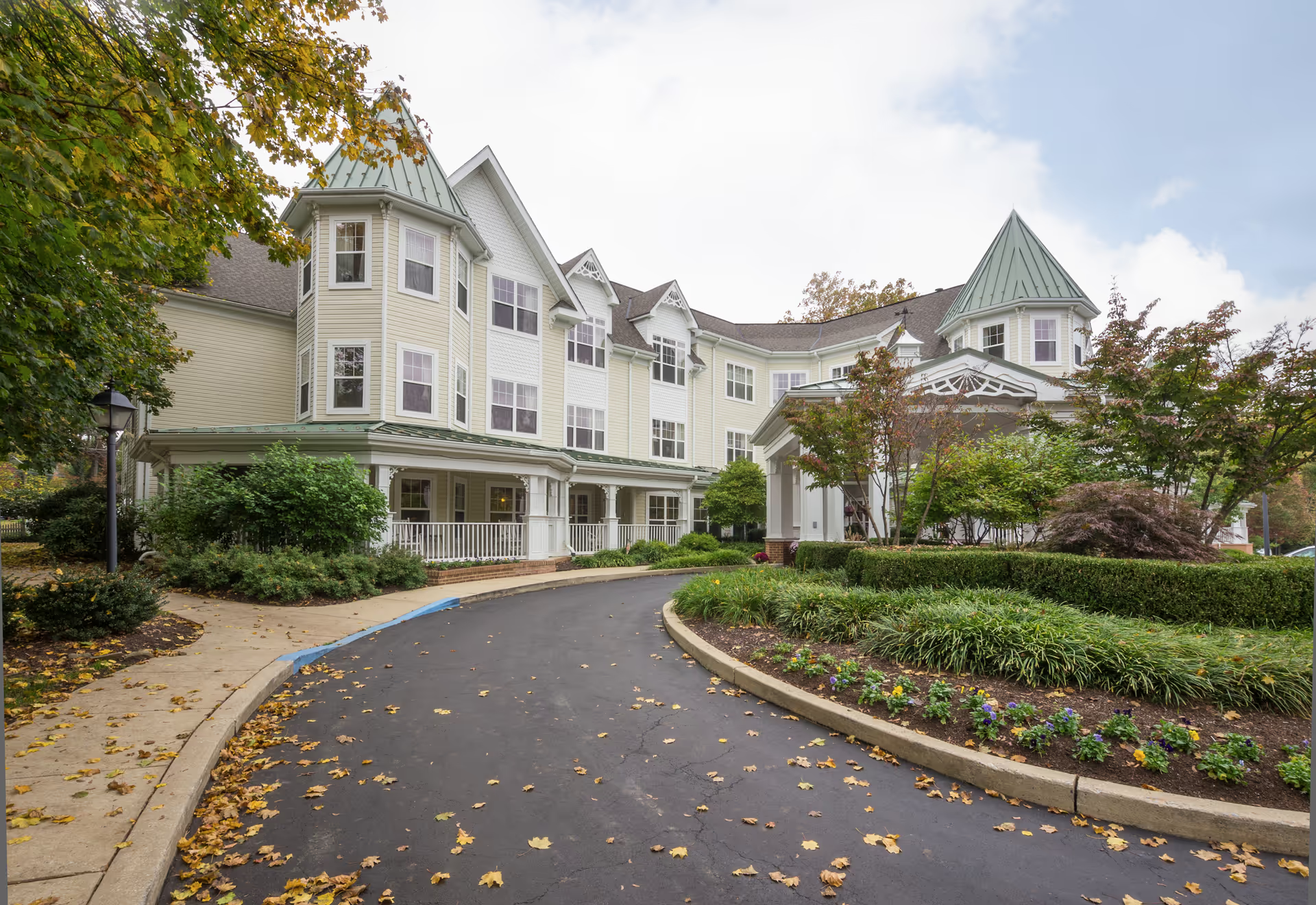
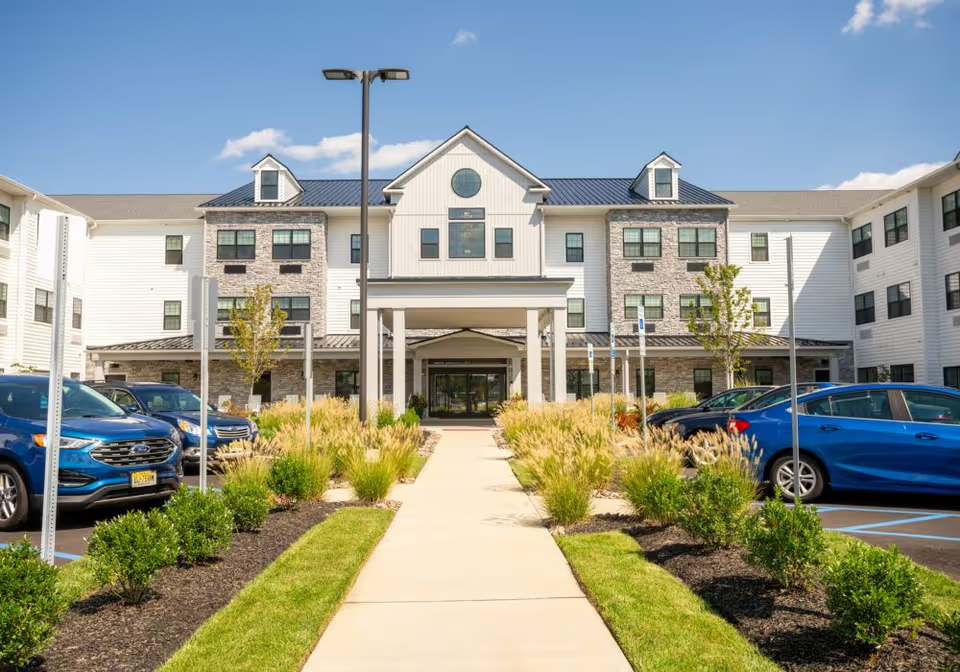
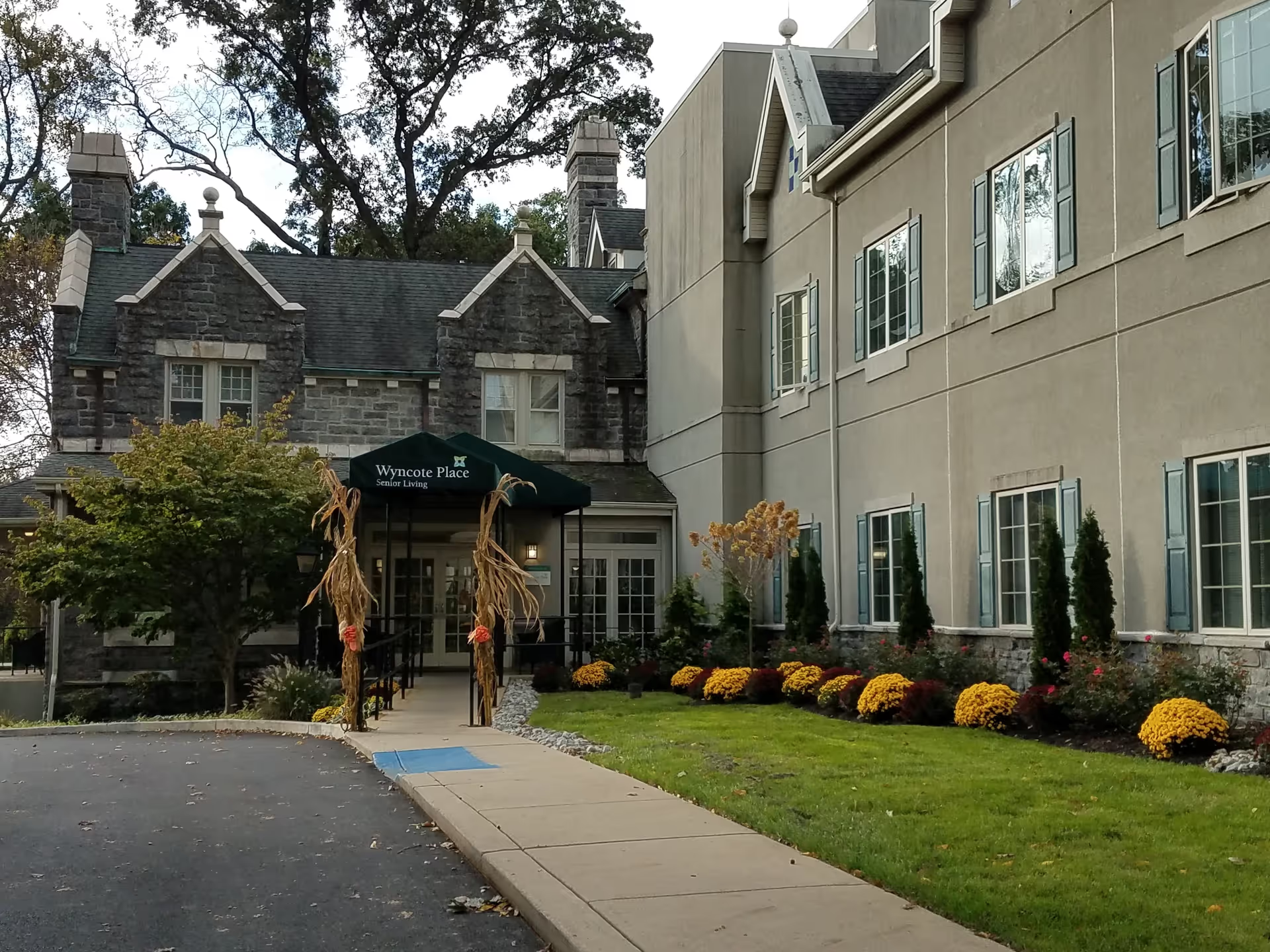
The reviews describe a facility with markedly mixed performance across clinical, operational, and hospitality domains. Many families and residents praise the direct-care teams — nurses, CNAs, and therapists — as compassionate and skilled, and several accounts highlight an effective therapy program (physical/occupational/speech) that supports rehab and discharge. Social-services staff and some administrators receive repeated positive mention for accessibility, clear coordination, and helpful discharge planning. On the hospitality side, reviewers also note strengths such as an inviting courtyard, attentive reception staff, and the ability to provide individualized dietary accommodations when communicated in advance.
At the same time, recurring operational problems surface across reviews. Staffing appears inconsistent: reviewers describe lower-quality care or delayed responses during particular shifts, and a pattern of high turnover that contributes to uneven staff training and variable performance. Call-button responsiveness, delayed medication administration, and occasional medication-management errors are frequent concerns that families associate with clinical risk. Several reviews describe gaps in clinical assessment, diagnostic follow-through, and timeliness of specialist or dental appointments, which families perceive as delays in medical decision-making.
Sanitation, cleanliness, and pest-control are areas of notable variability. While some units are described as clean and well-kept, other reports point to odor concerns, housekeeping lapses, and pest-control issues in particular rooms or drawers. Personal-care practices such as bathing and incontinence care are described as inconsistent in timing and frequency in multiple accounts. Food quality and meal scheduling also vary by report: some reviewers praise dietary staff and individualized meal plans, while others note late meals, limited menu options, or quality problems.
Safety and equipment maintenance are additional patterns to monitor. Reviews include reports of malfunctioning beds, inconsistent maintenance of durable medical equipment, and fall-related events accompanied by concerns about observation and immediate assessment. Asset control is another area of concern: missing or damaged personal items and issues with clothing management are cited, creating trust and documentation problems for families.
Management and communication present a mixed picture. Several reviewers commend specific leaders for being approachable and responsive, while others describe difficulty reaching staff, slow or absent follow-up from leadership, billing and administrative frustrations, and occasional allegations of improper solicitation of positive feedback. These divergent experiences suggest that outcomes depend strongly on unit leadership, shift coverage, and individual staff members.
Overall, the facility appears capable of providing high-quality rehabilitation and compassionate care under favorable staffing and leadership conditions, but systemic weaknesses in staffing consistency, medication and clinical follow-through, sanitation in some areas, and property management create variability in resident experience and safety. Prospective residents and families should weigh the facility’s strong therapy and social-service supports against the documented operational risks; staying actively involved in care planning, clarifying medication and monitoring protocols, and confirming unit-level cleanliness and staffing norms can help manage those risks.