Reviewers describe a facility with clear strengths in rehabilitation, therapy, and many aspects of day-to-day resident life, alongside recurring operational weaknesses. The rehabilitation program (physical, occupational, and speech therapy) receives consistent praise: therapists are described as skilled, encouraging, and effective at helping patients regain strength and independence. Several reviewers credited the therapy teams with meaningful functional improvements and timely, person-focused progress. Related supportive services such as on-site dialysis, responsive maintenance, and attractive common spaces and gardens are also frequently noted as positives.
Staffing and hands-on caregiving present a mixed picture. Numerous accounts highlight compassionate, attentive CNAs and nurses who provide warm, person-centered care, and several administrative staff members and social workers are singled out for being helpful with discharge planning and family communication. However, there is substantial variability by unit and shift: reviewers described understaffing, slow call-bell responses, long wait times at nurses’ stations, and inconsistent bedside attention. There are specific concerns about the facility’s capacity to manage more complex clinical needs—examples include stroke care, tracheostomy and PEG management, wound care, and catheter care—suggesting gaps in either training, oversight, or staffing for higher-acuity residents.
Clinical oversight and communication are recurring themes. Multiple reviewers reported difficulties reaching attending physicians or receiving timely updates about care plans; families also described inconsistent follow-up from unit managers and administrative staff. Medication-management weaknesses are reported as pattern-level issues (delayed or missed doses, long waits for scheduled medications), and there are several accounts indicating delayed or inconsistent wound and incontinence-related care. These operational shortcomings combine to create safety and care-quality concerns, particularly for residents with complex medical needs.
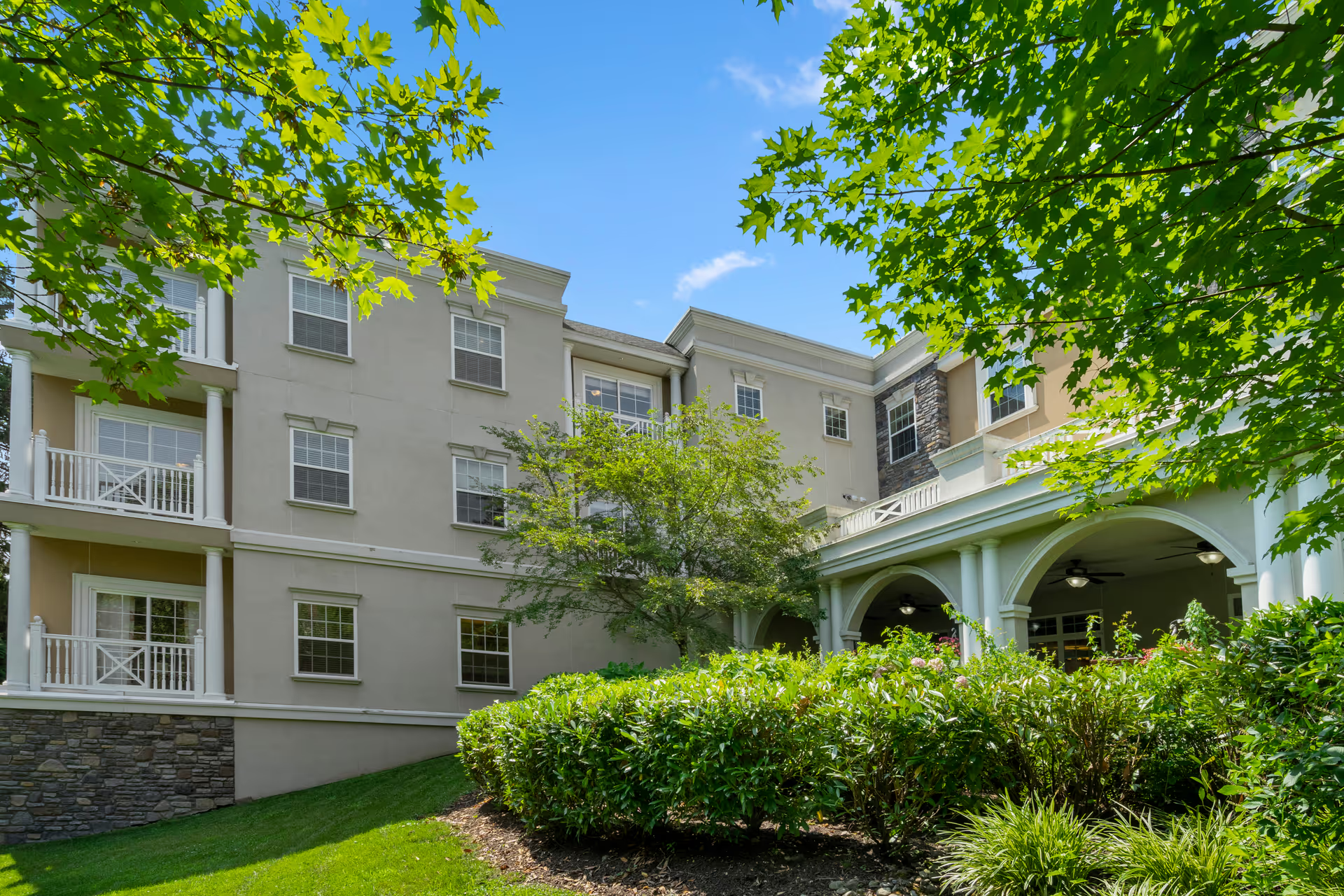
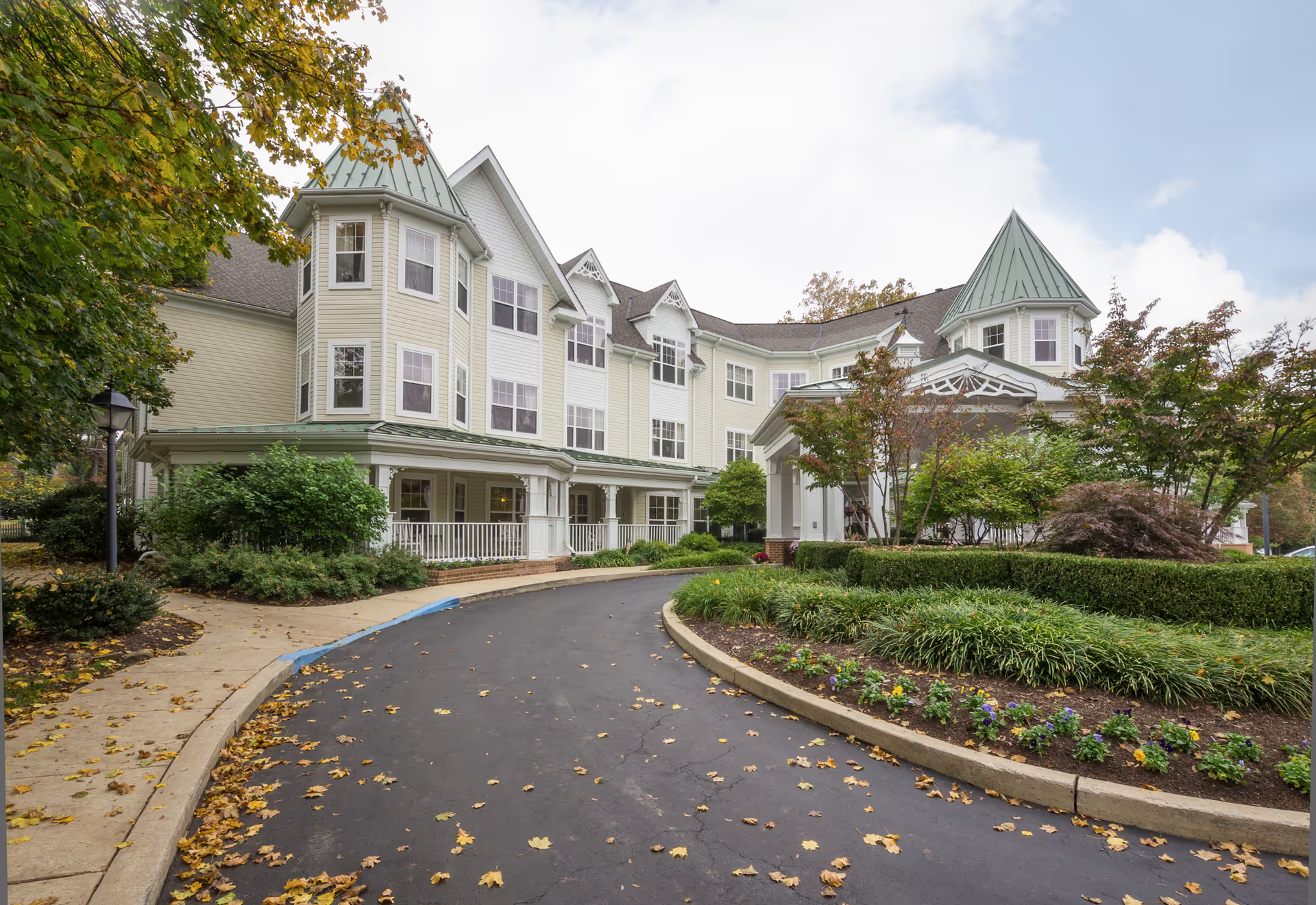
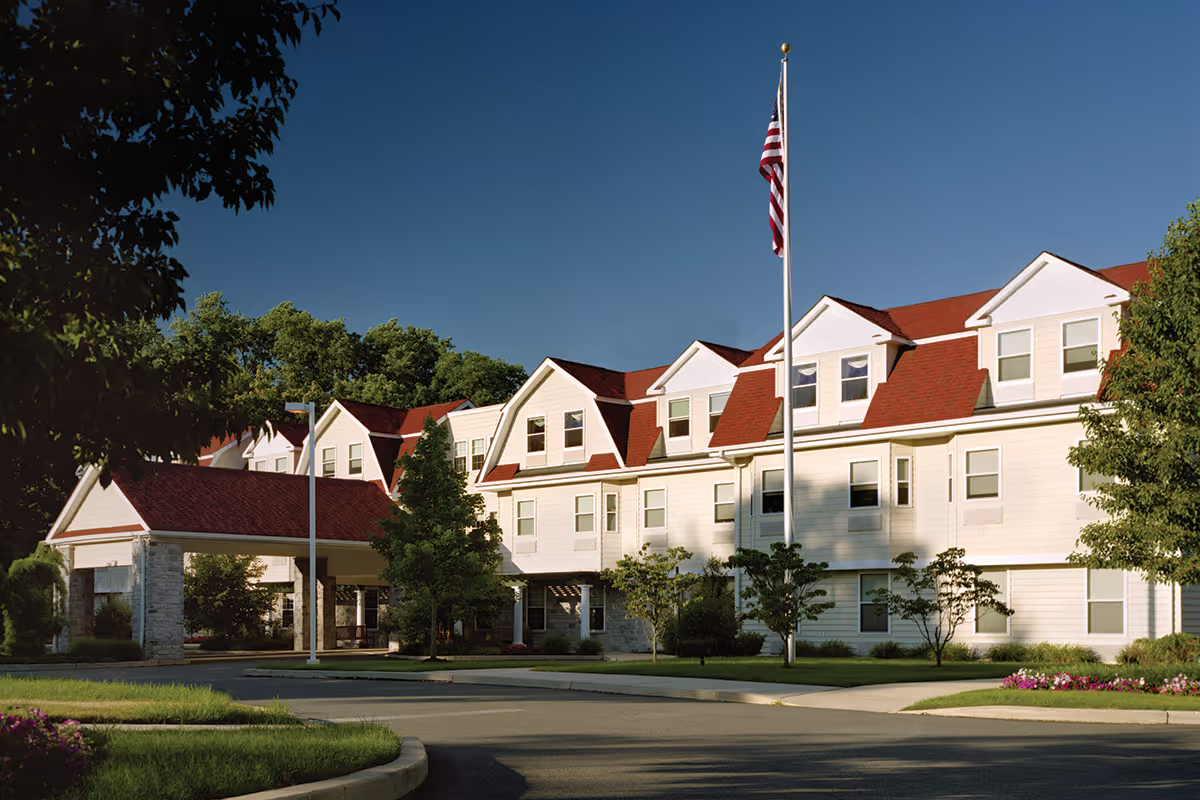
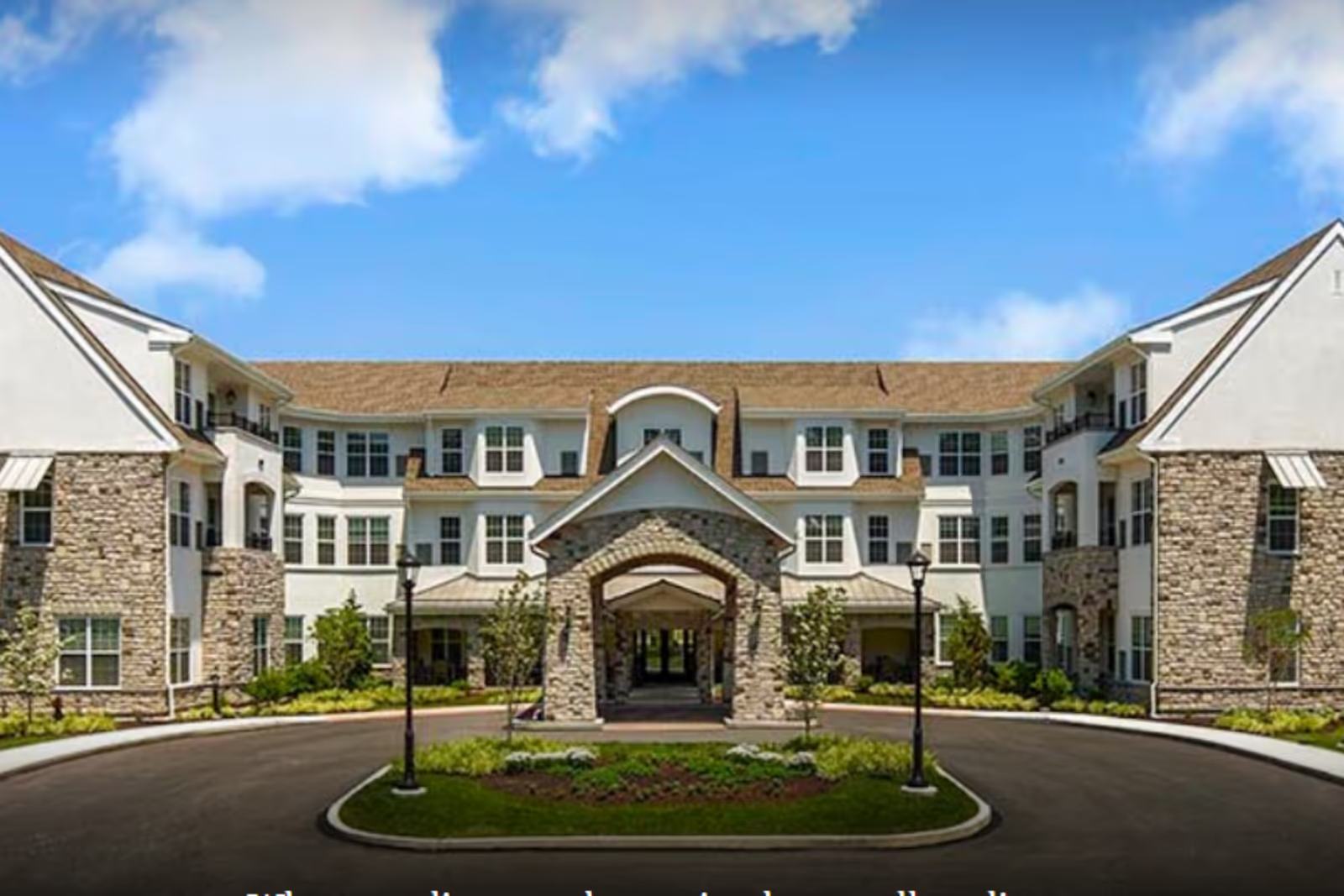
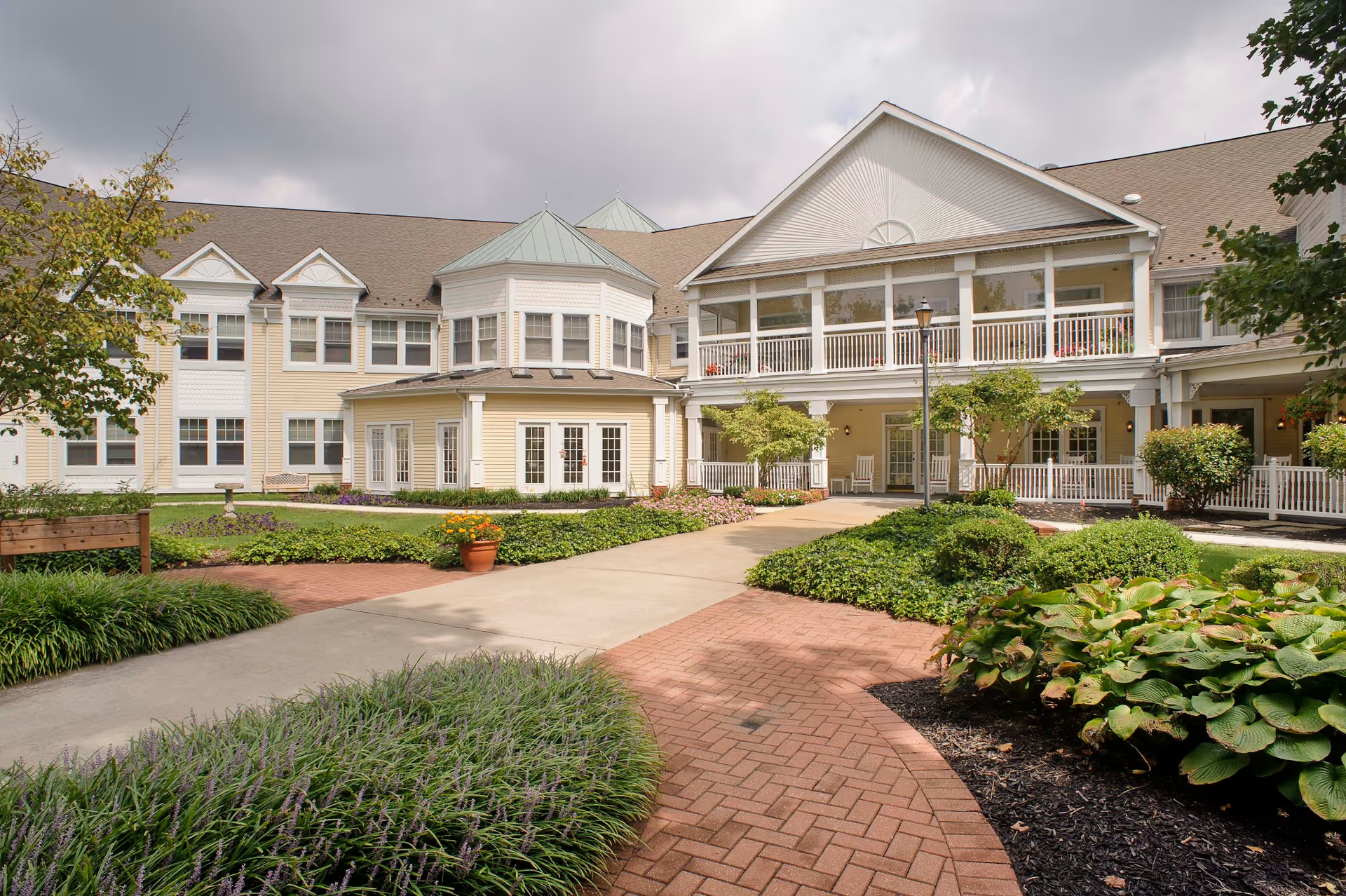
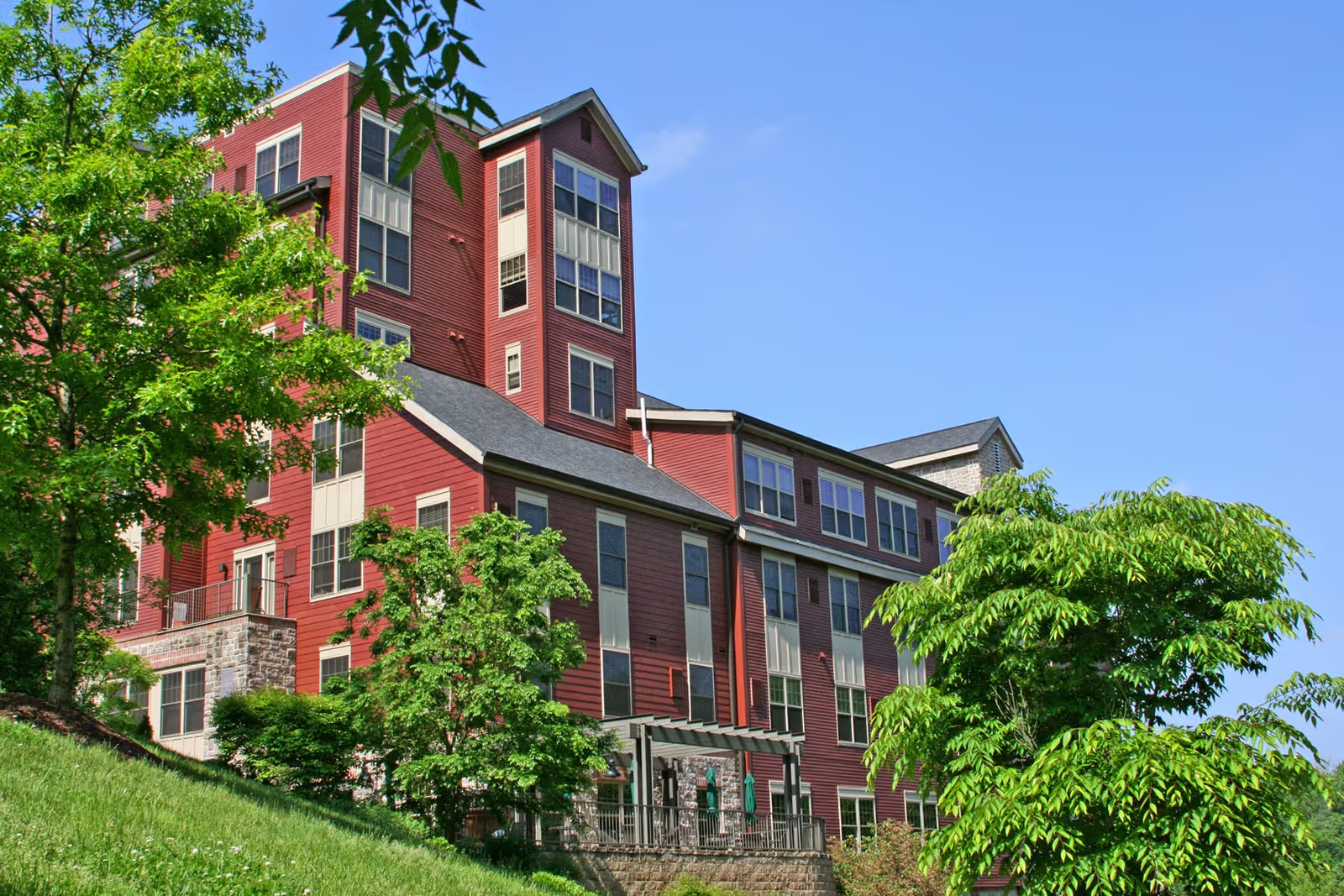
Facility condition and dining are described unevenly. Many reviews praise clean, newly renovated rooms, tasteful decor, well-kept common areas, and appealing dining with a broad menu and accommodations for dietary needs. At the same time, other reviewers described run-down areas, cleanliness and sanitation issues, pest-control concerns, and inconsistent meal quality or temperature on delivery. This contrast suggests condition and service quality differ across units and over time.
Management and administrative responsiveness also show variability. Several reviewers praised specific administrators and staff for proactive, person-focused leadership and timely action; other families reported poor follow-up on grievances, billing and privacy/process issues, and limited responsiveness when clinical concerns were raised. Taken together, the pattern indicates that experience at this facility can depend heavily on which unit, shift, and staff members are involved.
For prospective residents and families: the facility offers strong rehabilitation services, engaging activities, and many examples of compassionate caregiving and attractive spaces. At the same time, it exhibits operational inconsistencies—notably around staffing levels, clinical oversight for higher-acuity needs, medication and wound/incontinence management, cleanliness in some areas, and administrative follow-up. Those considering placement should confirm staffing and clinical competencies relevant to the prospective resident’s acuity, ask about wound and catheter-care protocols, clarify physician-coverage and communication practices, and review grievance and billing procedures before admission.