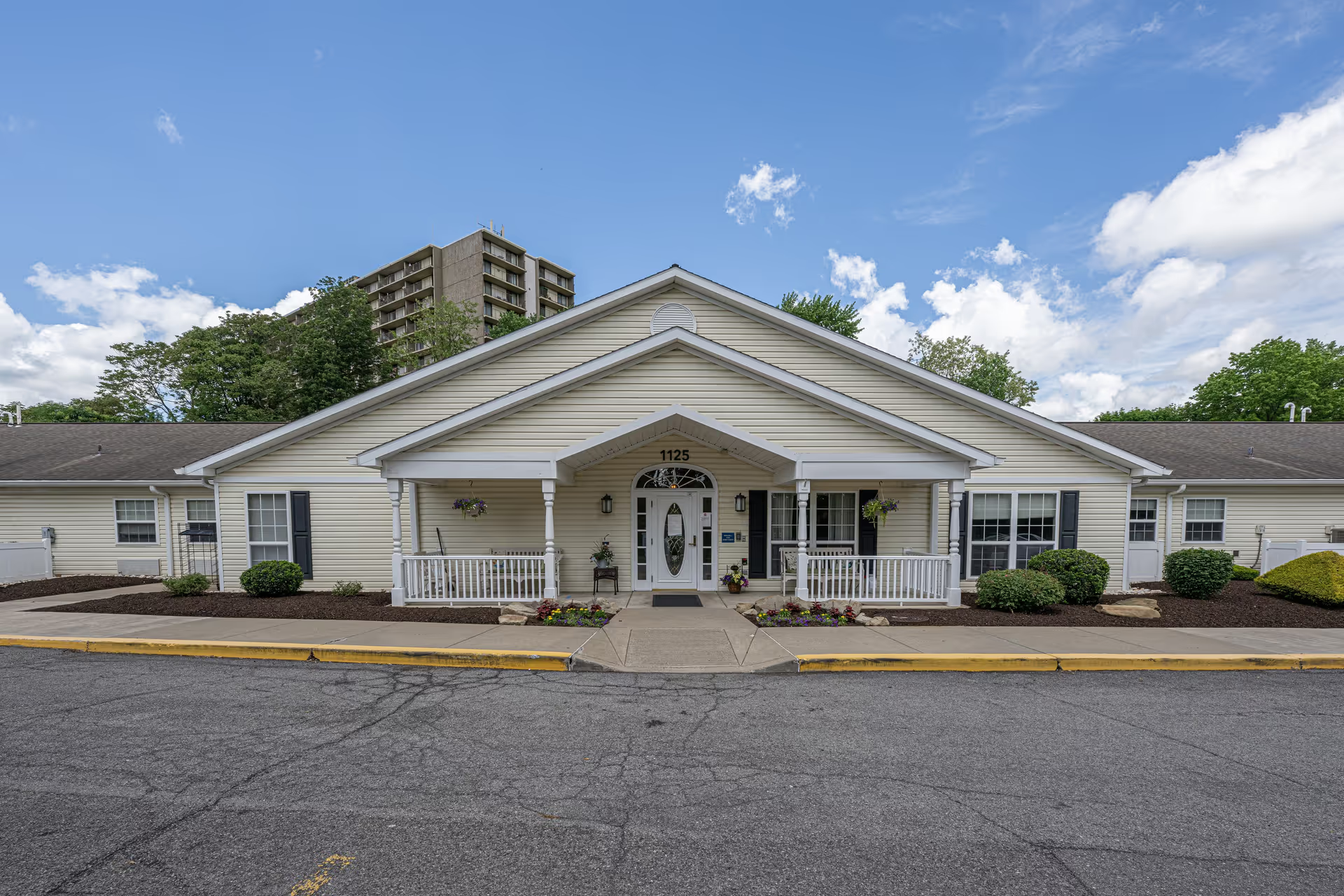
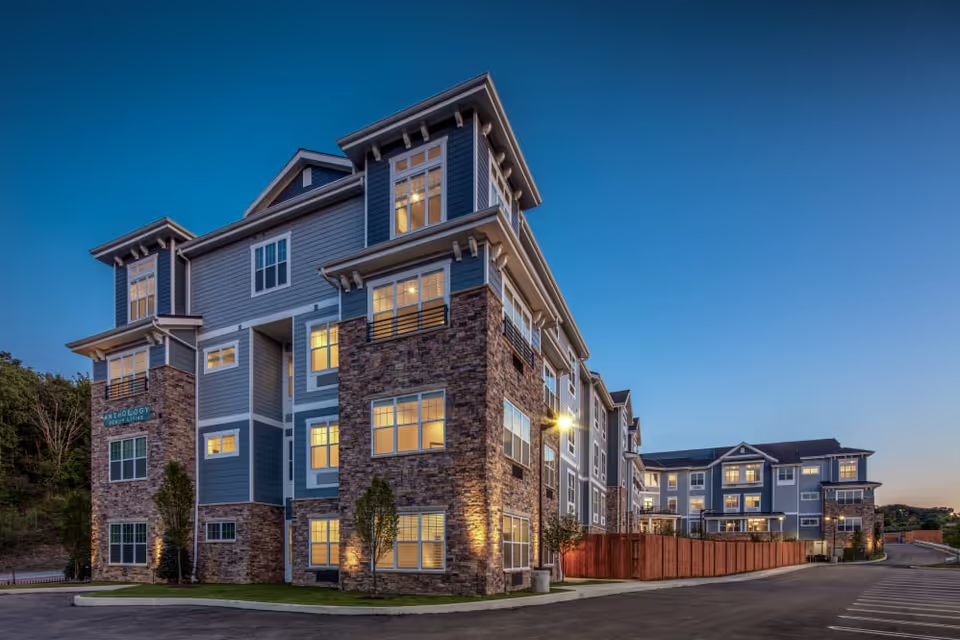
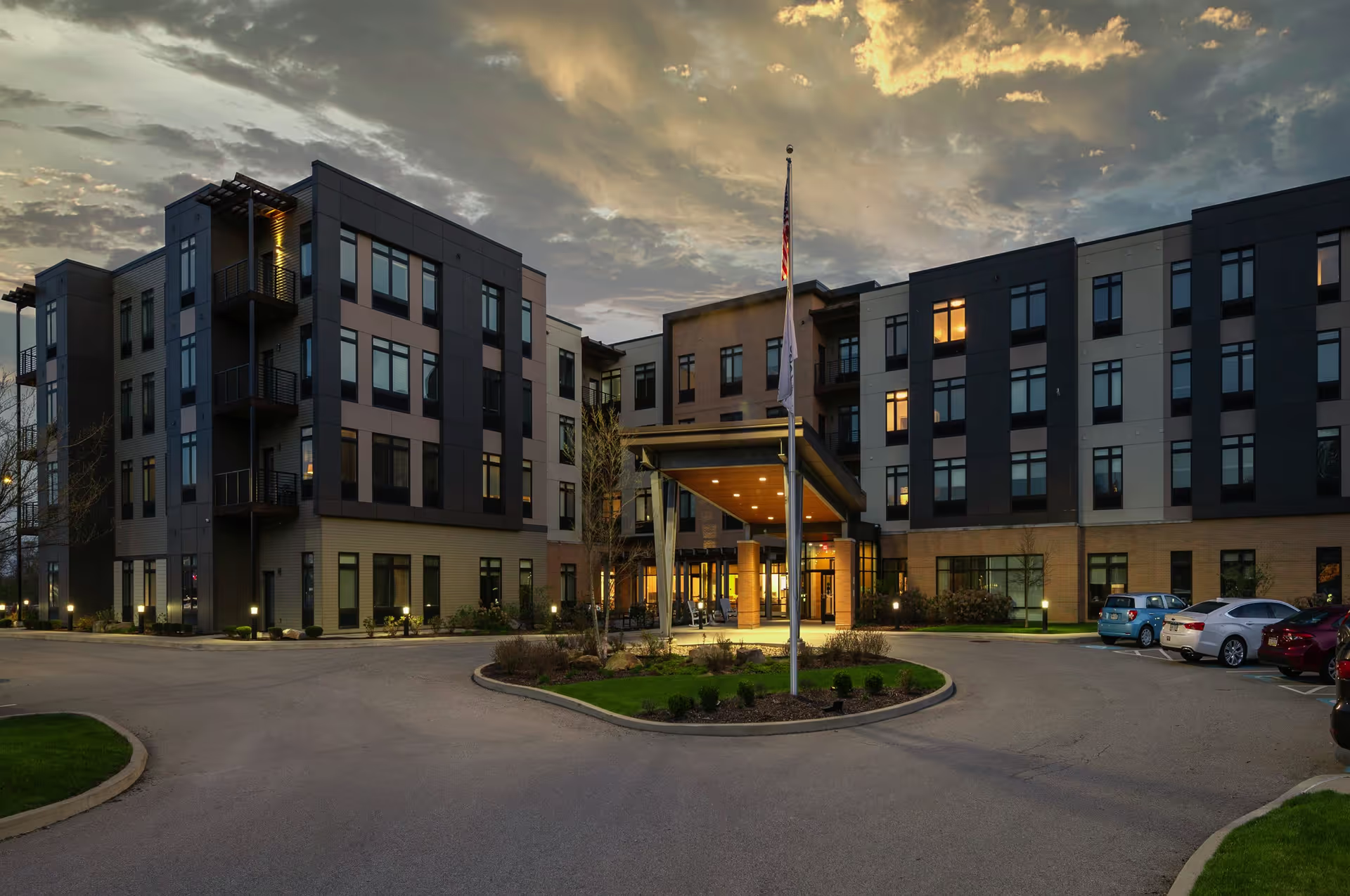
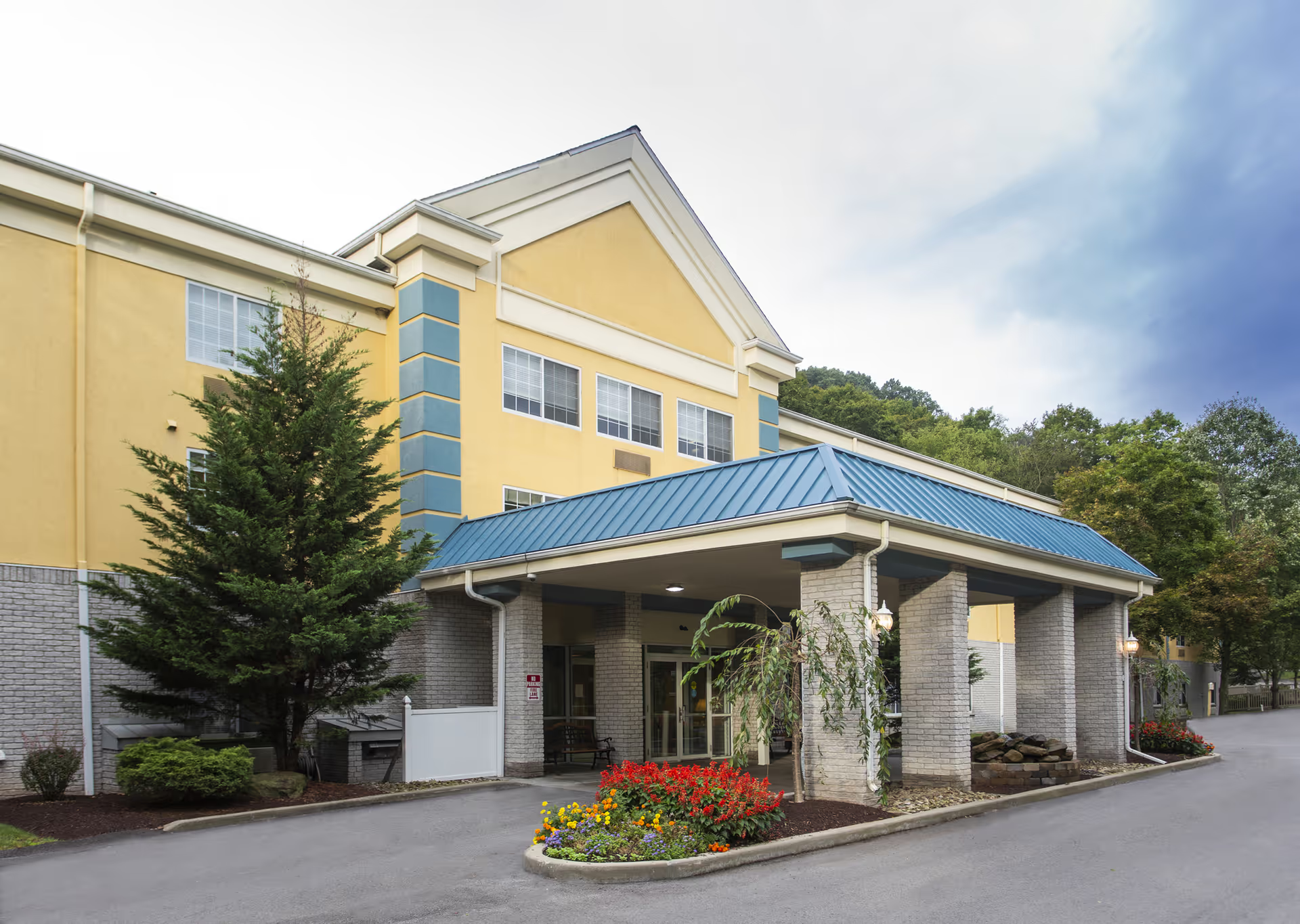
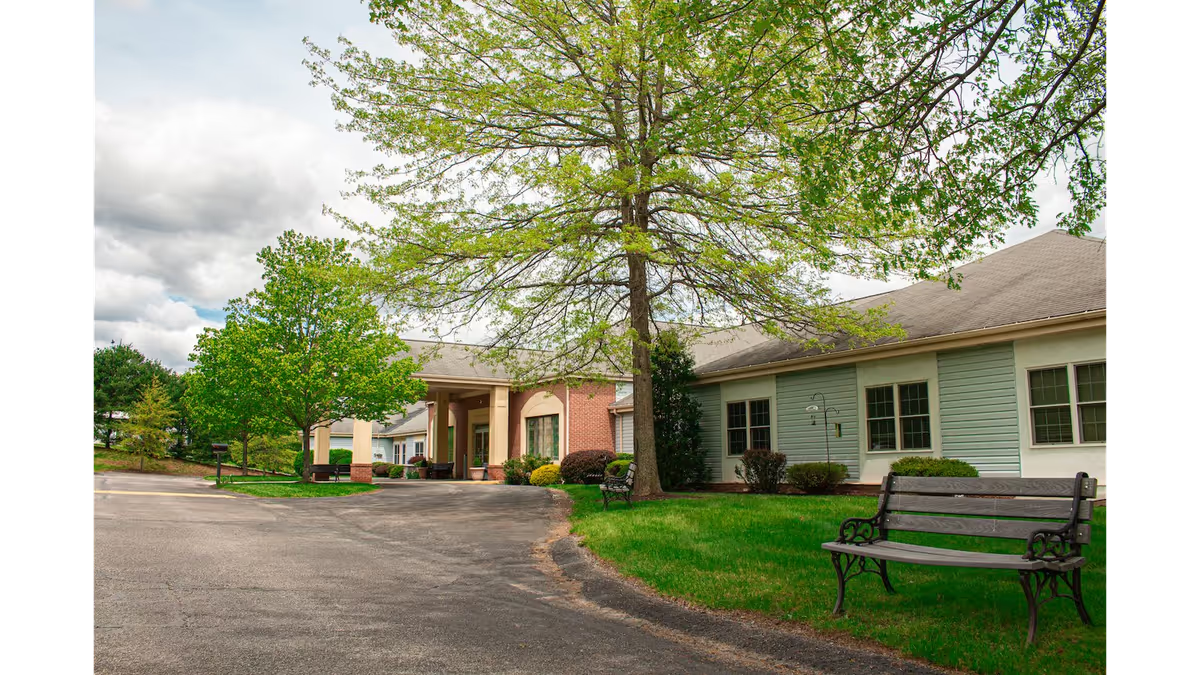
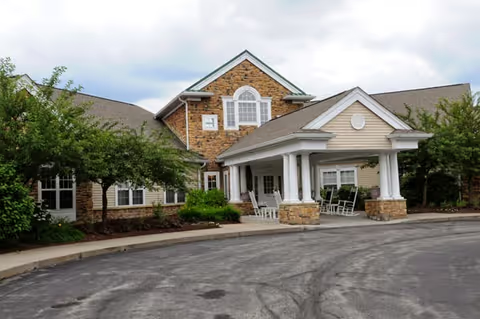
The reviews for Highland Hills Post Acute describe a facility with a substantial spread between positive and negative experiences. On the positive side, many families and residents praised the rehabilitation and therapy teams, noting effective post‑operative recovery and attentive physical and occupational therapists who helped patients regain mobility. Multiple accounts singled out individual nurses, aides, and unit staff for compassionate, respectful care; hospice partnership and competent discharge coordination were also cited as strengths. The building and resident rooms are described as generally clean and secure in many reports, and assorted social activities and events were appreciated by residents and visitors.
However, the collective pattern indicates significant variability in clinical and operational performance. Staffing levels and staff consistency appear uneven across units and shifts, producing delays in responding to call lights and assistance requests and contributing to safety concerns such as falls and delayed escalation to higher levels of care. Several comments point to lapses in medication administration, medication reconciliation, and wound‑care procedures that in some cases required emergency evaluation. Hygiene support and bathing schedules were described as inconsistent, and there are recurring sanitation concerns tied to linen and incontinence care.
Communication and administration are recurring areas of concern. Families reported difficulties obtaining timely updates, unreturned or abruptly terminated phone calls, and confusing or disputed billing and insurance handling, including Medicaid/VA paperwork delays and account discrepancies. At the same time, some reviewers described responsive administrators and unit managers who addressed problems effectively, indicating uneven leadership performance. Visitation policies—particularly during infection‑control periods—were also described as restrictive or inconsistently applied, creating stress for families during critical times.
Dining and ancillary services show mixed results. Therapy and rehab services are frequently praised, but meal quality and consistency were described as variable, with several comments about cold or unappealing presentations and occasional failures to honor dietary restrictions. Facility infrastructure was characterized as aging in places (for example, undersized beds or remodel‑related disruption), although routine cleaning and common‑area maintenance were noted positively by many visitors.
A notable pattern is the coexistence of strong individual caregivers and persistent systemic weaknesses. Multiple reviewers named specific staff who provided exemplary care, while others described episodes of unprofessional conduct or concerning behavior by staff. There are also isolated, serious allegations involving on‑duty substance use and financial misconduct; these were not universal but are significant and merit investigation by family members and regulators as appropriate.
For prospective residents and families, the reviews suggest that outcomes at Highland Hills can vary considerably depending on unit, shift, and individual staff assignments. When considering admission or transfer, it would be prudent to: ask about current staffing ratios; review clinical protocols for medication reconciliation, wound care, and escalation to physician/ED; clarify visitation and infection‑control policies; confirm dietary accommodations; and request names of primary nursing and therapy contacts. An on‑site tour and conversations with the therapy team and unit manager can help assess whether the facility’s current performance aligns with the family’s expectations and clinical needs.