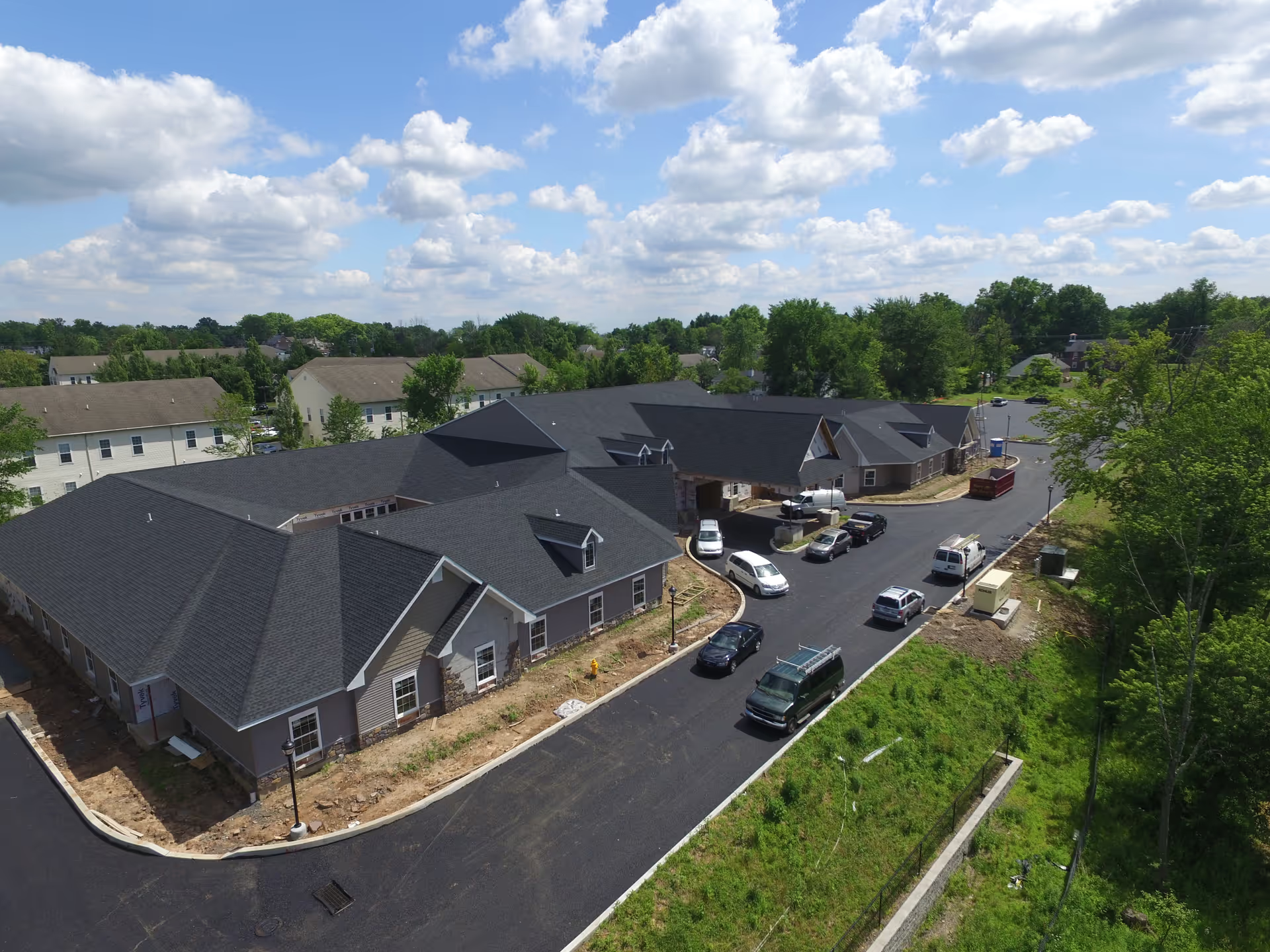
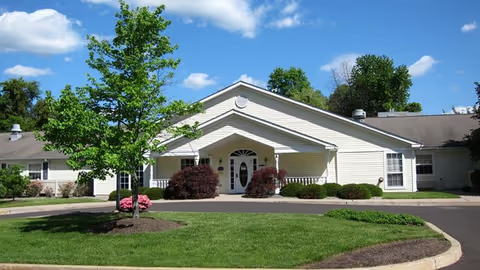
Reviews of Richboro Rehabilitation & Nursing Center present a mixed but actionable picture for prospective residents and families. Strengths cited consistently include attentive, compassionate caregiving, proactive in-room safety checks, and generally prompt responses to call buttons. Several accounts highlight reliable medication management, facilitation of outside medical appointments, and a range of social activities (for example, scheduled games and group events). The facility’s small, home-like size (around 82 beds), semi-private and private room options, and its peaceful residential location are noted as appealing attributes.
Care and staff impressions vary. Many families describe staff as warm, caring, and effective at day-to-day clinical tasks and coordination of care, which supports respite for caregivers and steady routine management. At the same time, other descriptions point to staffing inconsistencies: perceptions of understaffing, lapses in communication, and occasions when administrative responsiveness was limited. These differing reports suggest variability in staff availability and communication style across shifts or cases rather than a uniform experience.
Dining and activities receive generally positive remarks. Food quality and dependable meal service are commonly praised, and the facility offers a variety of activities that promote social engagement. The rehabilitation program and therapy outcomes appear to be uneven based on reviewer feedback; some families report successful rehab experiences while others noted dissatisfaction with therapy progress. Prospective residents should inquire about individualized therapy plans and outcome tracking when evaluating the program.
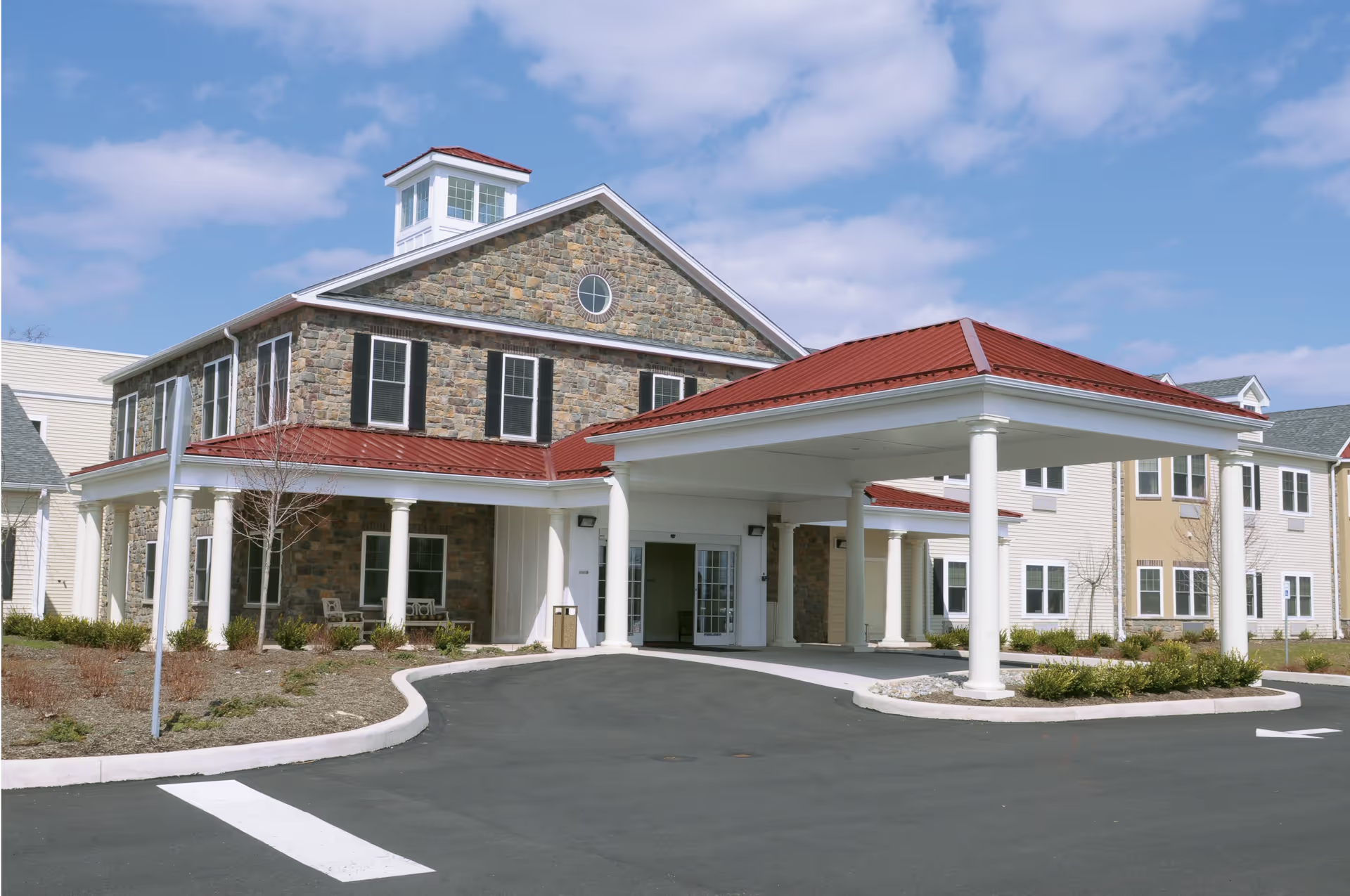
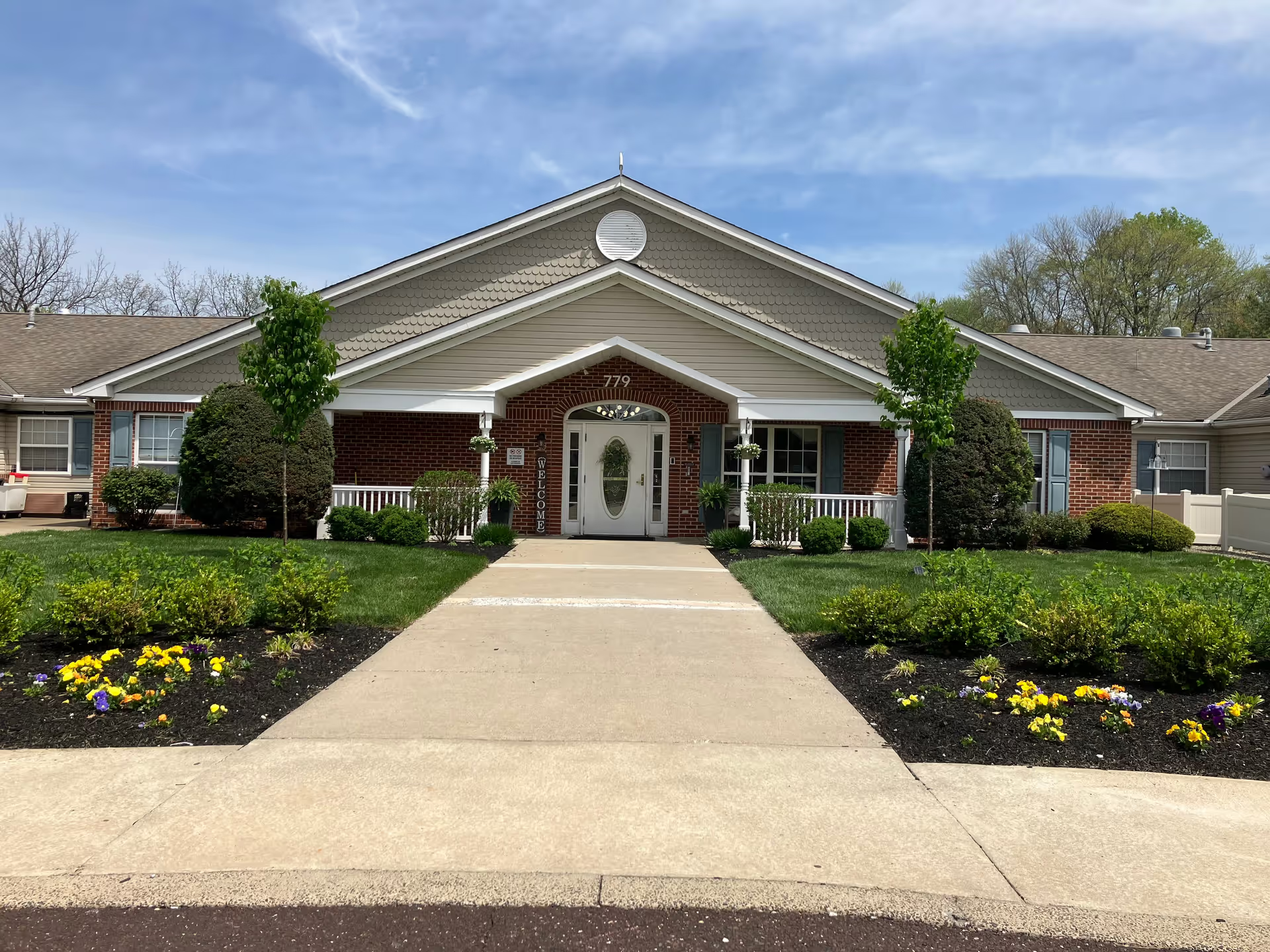
Facility condition and management show contrasting impressions. The building’s small, residential character is a benefit for those seeking a less institutional feel, but reviewers also describe older infrastructure and limitations in amenities. More importantly, there are reports indicating sanitation concerns in resident rooms and bathrooms and episodic gaps in clinical oversight (for example, issues related to availability of critical equipment or timely medication administration). A few accounts raised concerns about end-of-life and hospice communication, emphasizing the need for clear protocols and family communication during those transitions.
Notable patterns: feedback is polarized — several very favorable reports coexist with serious operational concerns. This pattern points to variability in experience that may depend on unit, shift, or individual care teams. For prospective families, an on-site visit is recommended with specific questions about current staffing levels, infection-control and cleaning protocols, medication and equipment checks, rehabilitation success metrics, and how the facility handles hospice and end-of-life coordination. Requesting recent survey results or speaking with current residents’ families can also help clarify which aspects are consistently strong and which are intermittent.