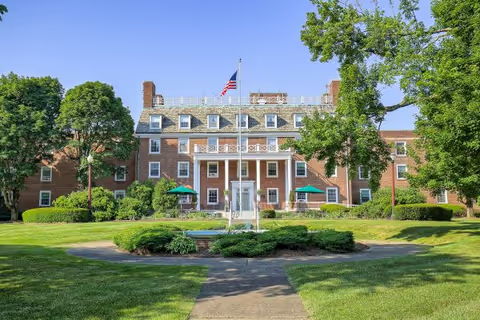
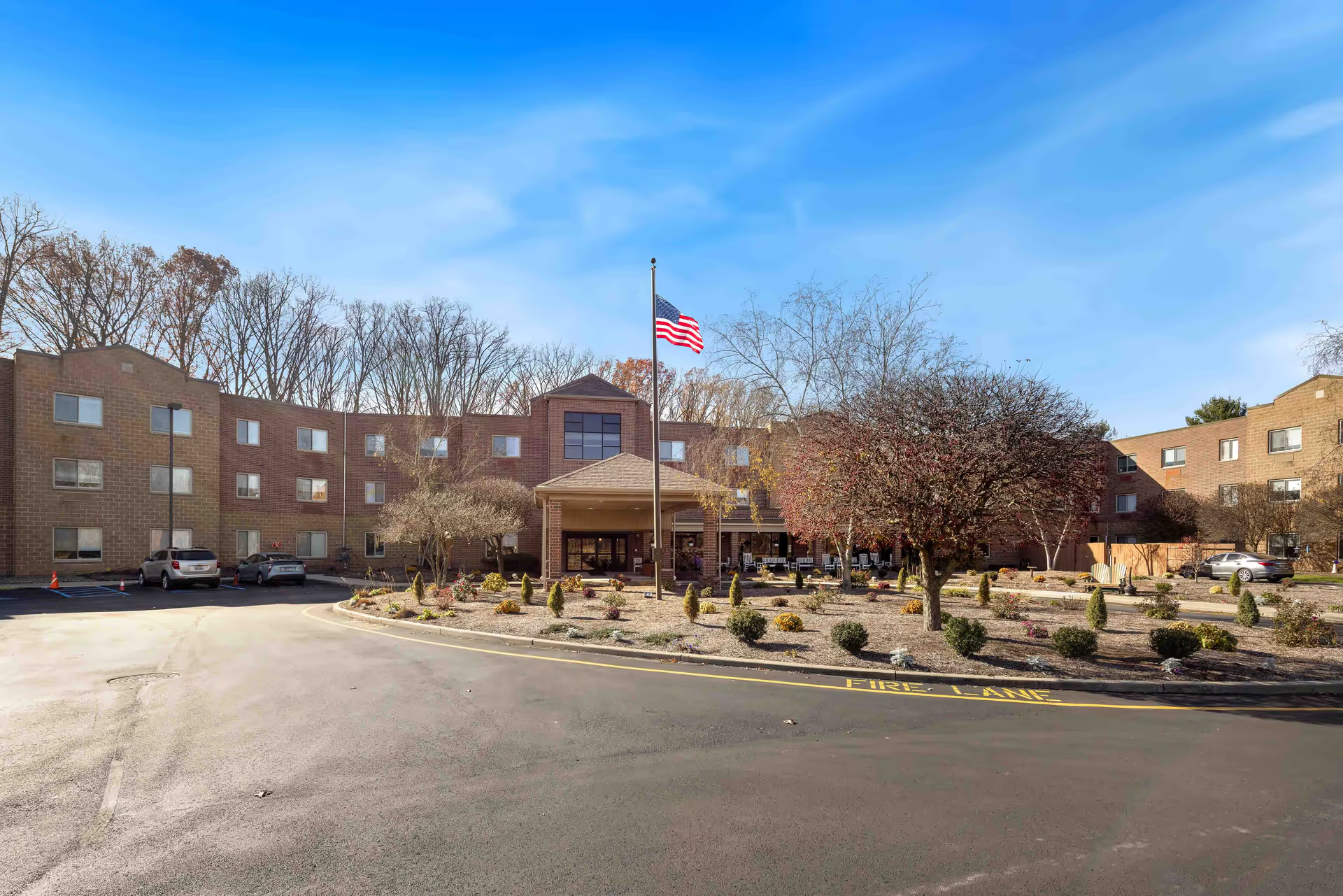
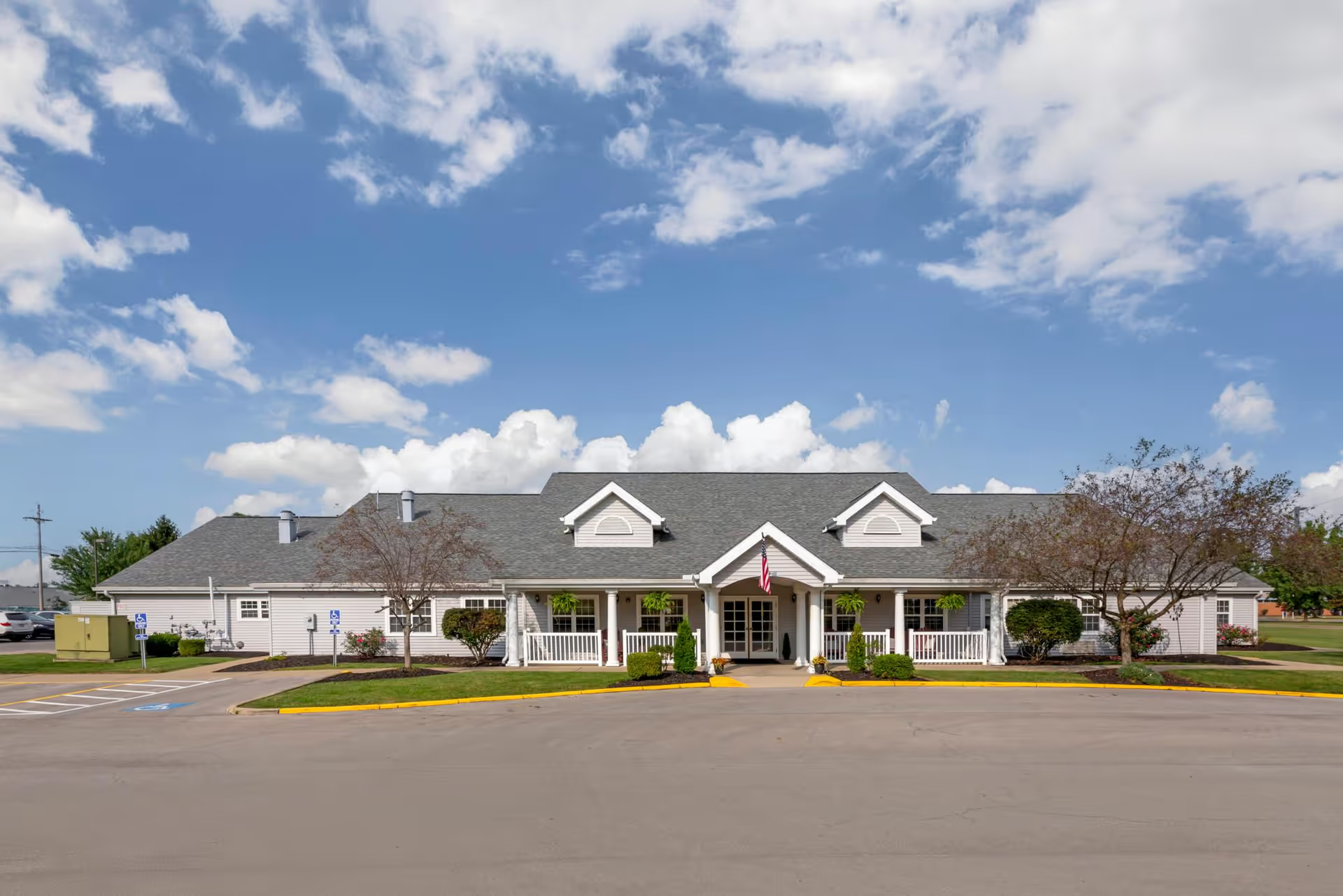
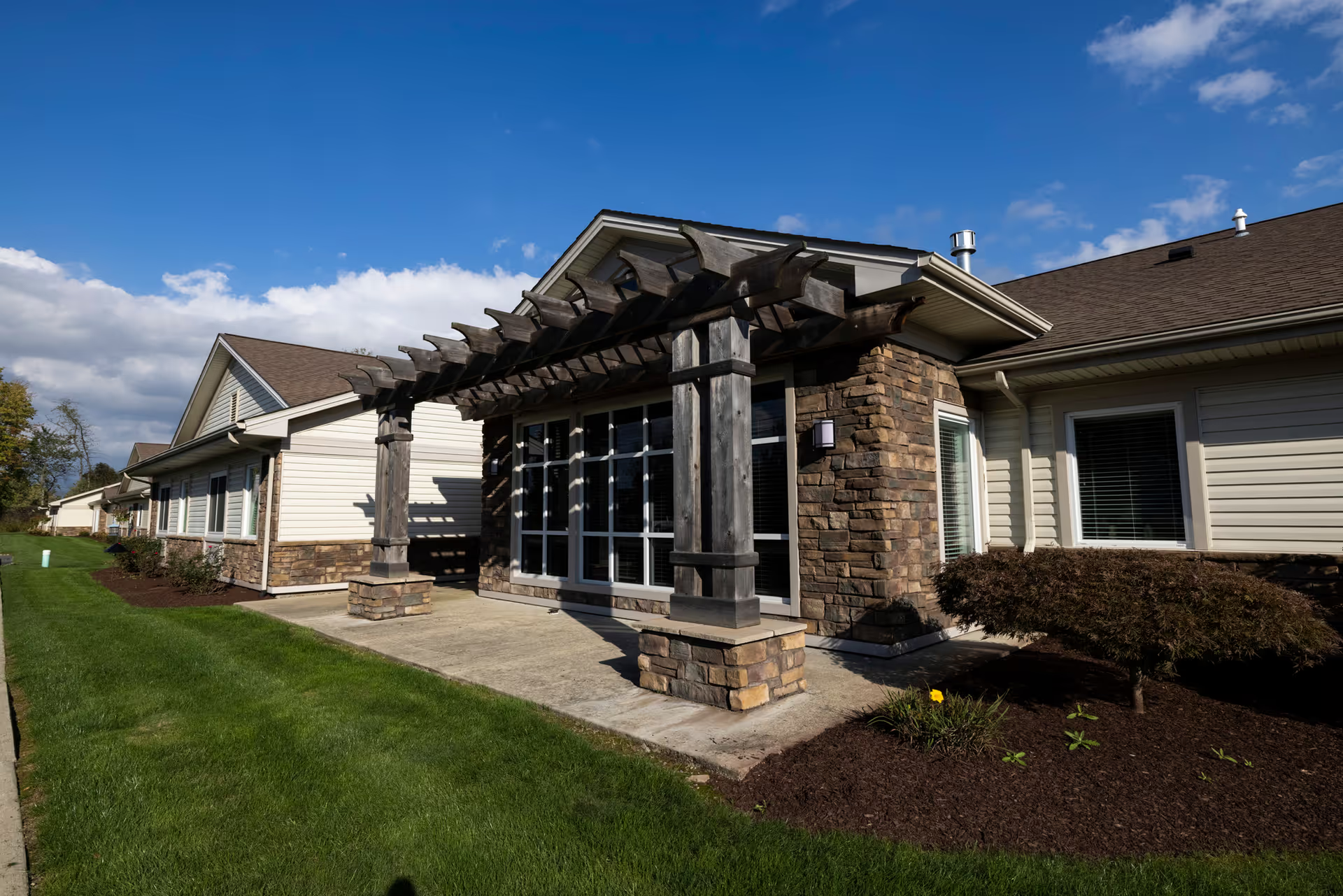
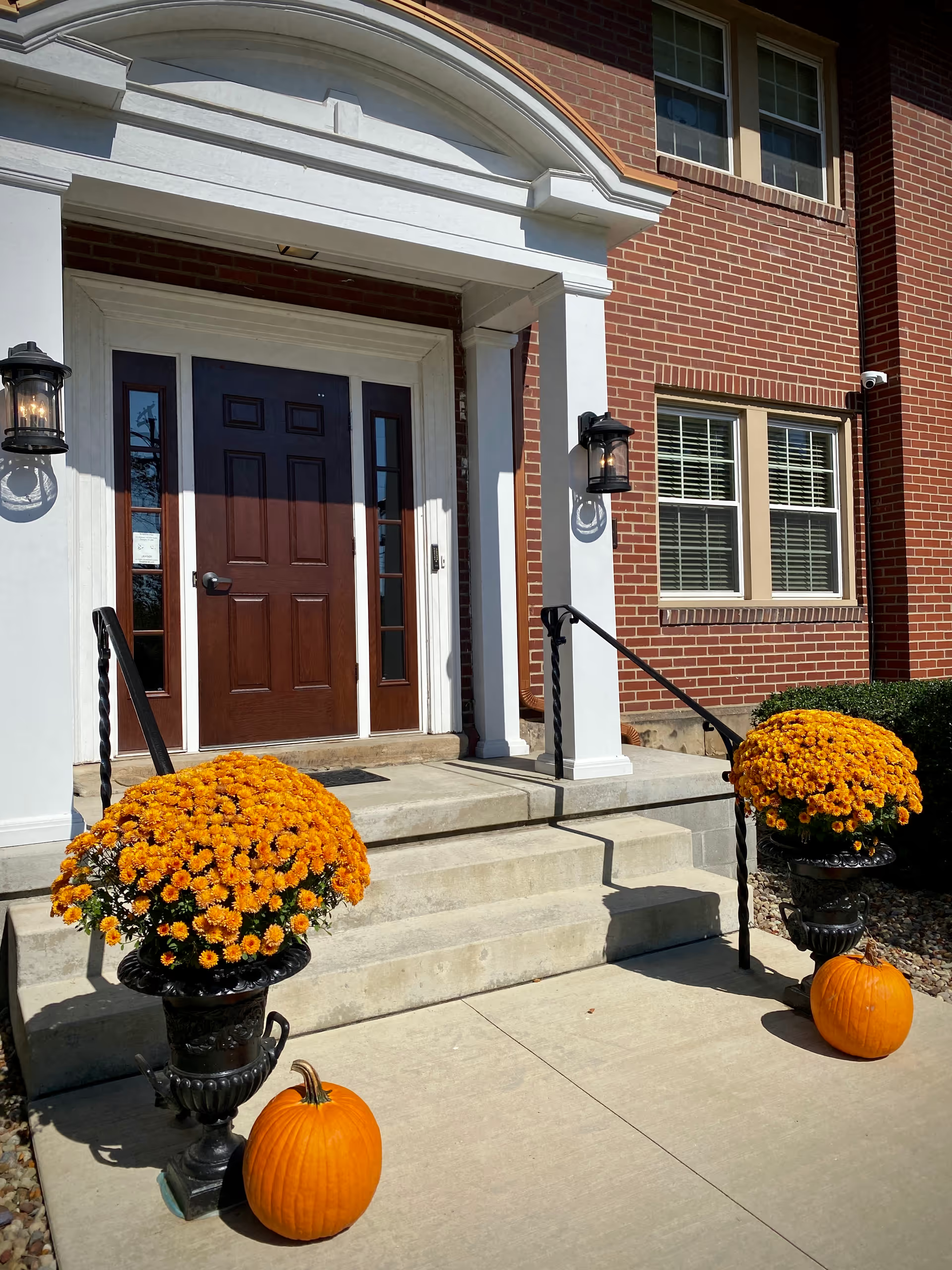
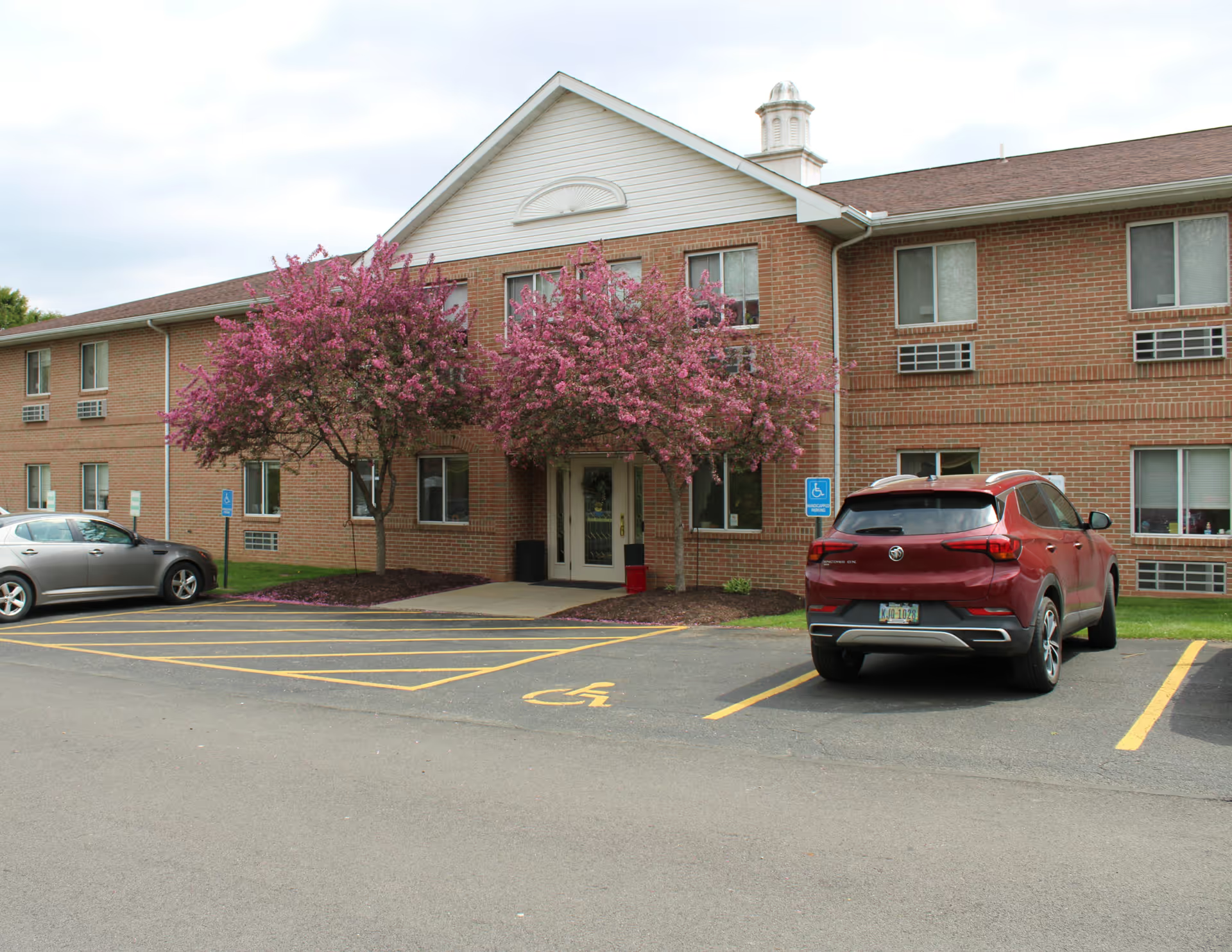
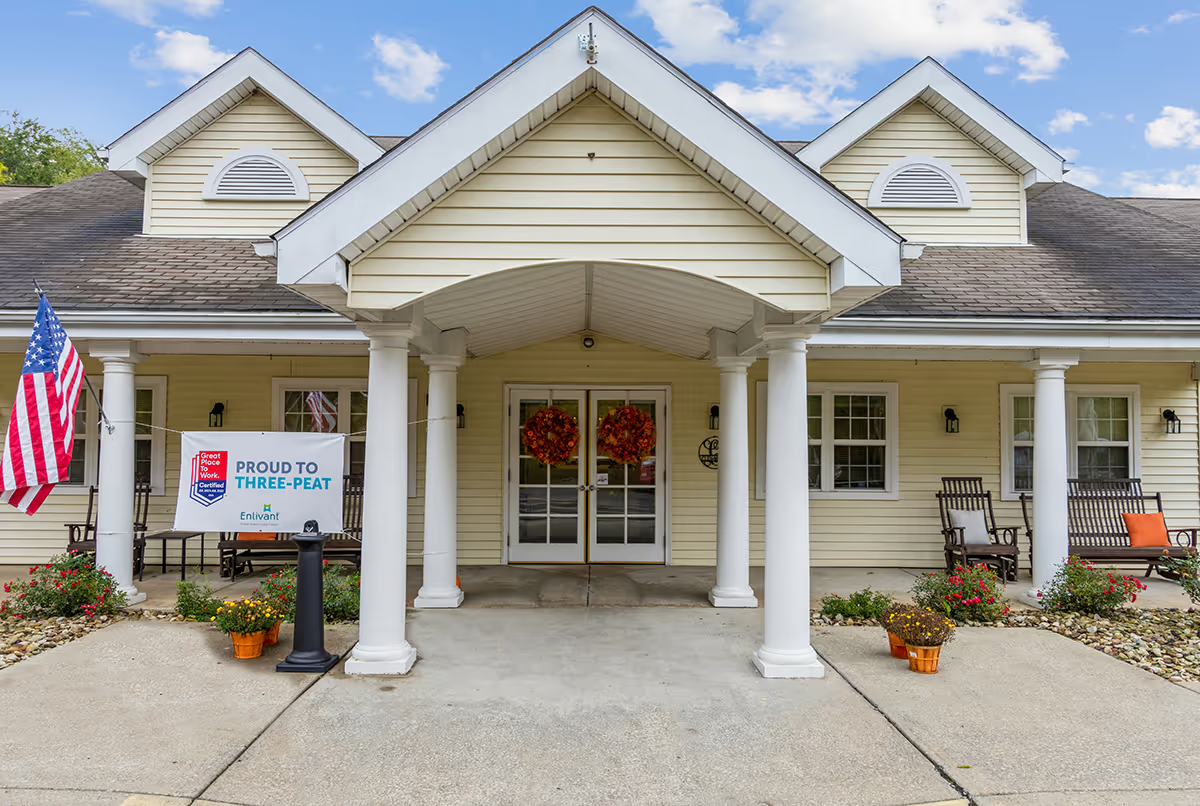
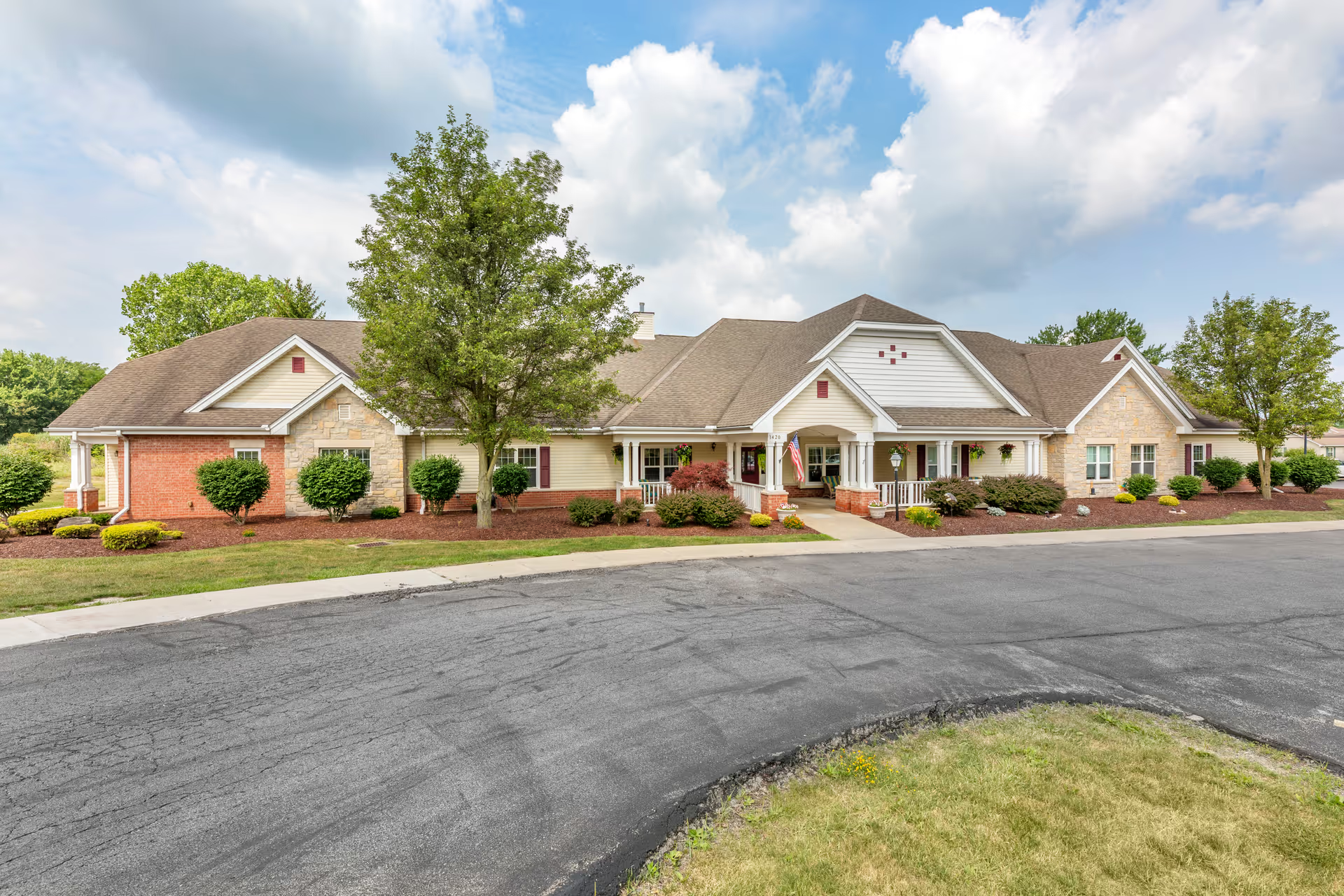
Reviews for Clepper Manor present a polarized picture: many reviewers praise the facility's therapy services, frontline caregivers, and overall atmosphere, while others raise serious operational and clinical concerns. The community is frequently described as focused on short-term rehabilitation with a relaxed, resident-centered environment and distinctive architecture that some families find appealing. Several accounts highlight positive care experiences, including strong mobility gains and first-rate physical and occupational therapy support.
Care and staffing are prominent themes. Strengths include skilled CNAs, LPNs, and RNs who provide attentive bedside care, and a professional therapy department that many families credit with measurable improvement in function. However, there are recurring complaints about inconsistent responsiveness from nursing staff, delays in clinical follow-up, and specific lapses in skin-integrity management. Reviewers also describe variability in staff professionalism and tone; while some administrators and clinicians are described as compassionate and accessible, others report conduct and communication issues that affected family confidence.
Dining and programming show mixed feedback. The therapy and activity programs are frequently praised for engagement and positive rehabilitation outcomes. Conversely, dining has been characterized as limited in variety by some families, with comments about menu composition and inconsistent meal quality. Prospective families should ask about current menu planning, special-diet accommodations, and how the facility handles individual nutritional needs.
Facilities and operations are similarly mixed. The building and common areas are often described as well-maintained and comfortable, supporting a pleasant short-term stay for many residents. At the same time, there are cited sanitation and odor concerns in certain areas, and reviewers have noted supply shortages and occasional equipment or alarm maintenance problems. These operational gaps were sometimes linked to slower response times and frustration among families.
Management and communication show notable variability. Some reviewers describe an accessible, compassionate administrator and smooth admissions/discharges; others point to leadership turnover, gaps in interdepartmental communication, and barriers when families sought transfers or escalations. Serious claims, including allegations of discriminatory treatment and concerns following a resident's death, appear in the feedback and warrant direct inquiry during visits and through official records.
Overall, Clepper Manor demonstrates clear strengths in rehabilitation and several committed clinical staff members, but the facility also exhibits operational inconsistencies that have affected families' experiences. Prospective residents and their families should schedule a thorough tour, meet the therapy and nursing leads, review current staffing patterns and turnover data, ask about skin-integrity protocols and alarm systems, and consult recent inspection reports to clarify which aspects reflect isolated incidents versus ongoing practice.