Overall impression Wayne Center elicits a mixed but broadly consistent picture: many families and former residents praise the facility for strong rehabilitation services, a caring core of nursing/CNA staff, and a small, home-like environment, while others raise operational concerns that affect clinical reliability and daily living. The center's strengths are most evident in therapy-driven recovery stays and in instances where leadership and long-tenured staff are actively involved. However, recurring operational issues — particularly around responsiveness, medication timing, sanitation consistency, and post-discharge follow-through — appear frequently enough to merit targeted inquiry by prospective families.
Care quality and clinical services Therapy (physical, occupational, speech, and respiratory) is a clear strength; multiple accounts emphasize substantial functional progress and successful returns home after short rehab stays. Reviewers commonly praised therapists as hardworking and effective. Nursing care received mixed evaluations: many describe compassionate, respectful, and attentive nurses and aides who provide reassurance and dignity, while others report inconsistent responsiveness to calls, delays in administering pain medication, and occasional hesitancy in bedside care. A small number of accounts referenced serious adverse clinical concerns; these were isolated in the dataset but indicate the importance of asking about clinical incident response protocols and staffing ratios during assessment.
Staff, communication, and leadership Staff behavior is a notable pattern: numerous reviewers named individual caregivers and leaders positively, citing visible involvement from the Director of Nursing and exceptional CNAs and nurses. Social work and admissions staff were frequently described as helpful and informative. At the same time, families reported variability in staff professionalism, lapses in courtesy, slow or absent callbacks from management, and inconsistent communication about care plans. Discharge planning and promised post-discharge services were highlighted as an area with inconsistent follow-through, including instances of missing promised in-home help and unclear clothing/belongings handling.
Dining, activities, and programming Activity programming receives generally favorable marks — musical therapy, recreation sessions, and the presence of a resident or facility cat were mentioned as contributors to a pleasant, social atmosphere. That said, there are identified gaps in programming for residents with dementia and requests for more targeted engagement for cognitively impaired residents. Dining evaluations are mixed: some describe meals as acceptable or even enjoyable, while others cite inconsistent meal quality and limited suitability for specific dietary needs (for example, diabetes-friendly options). Prospective residents should ask about menu flexibility and therapeutic diets.
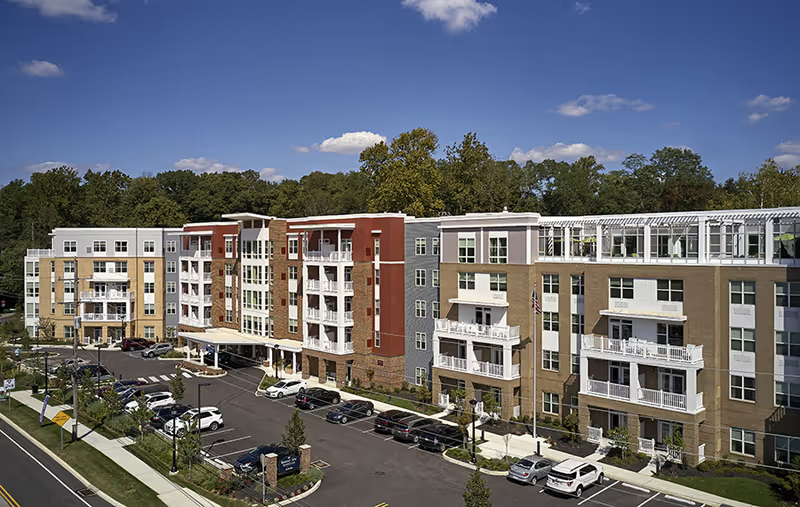
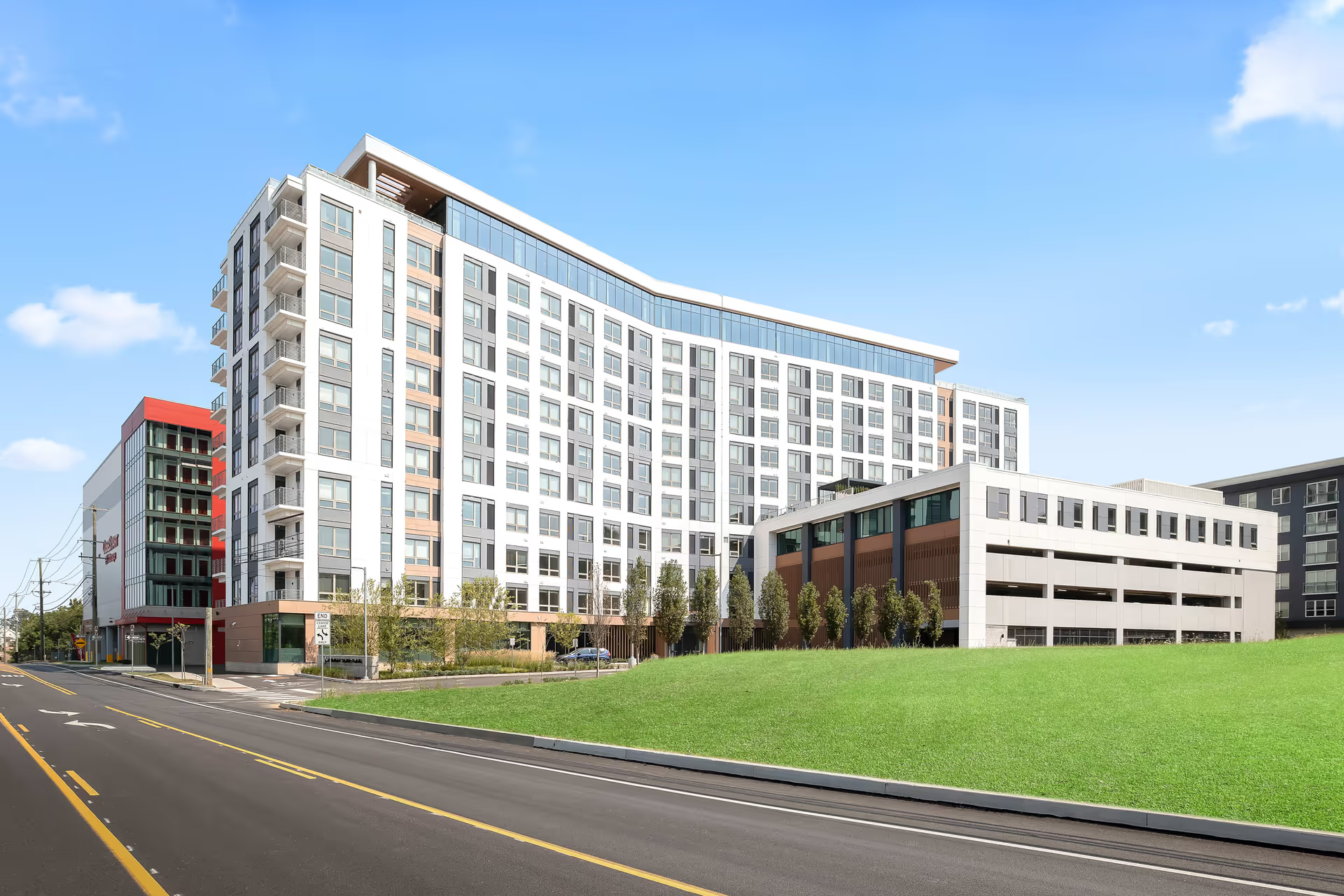
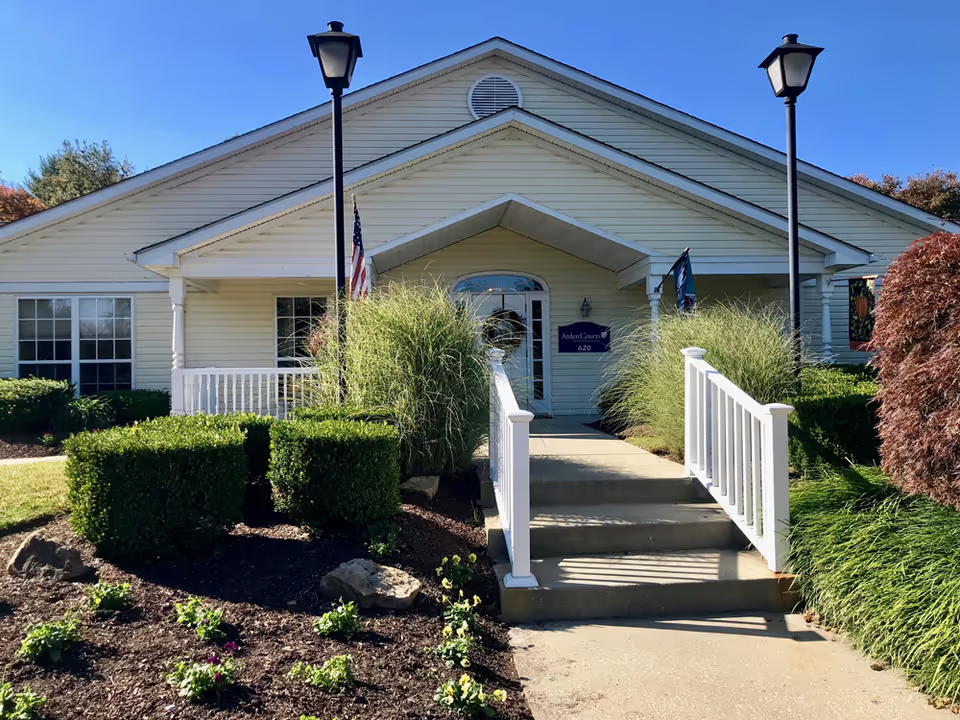
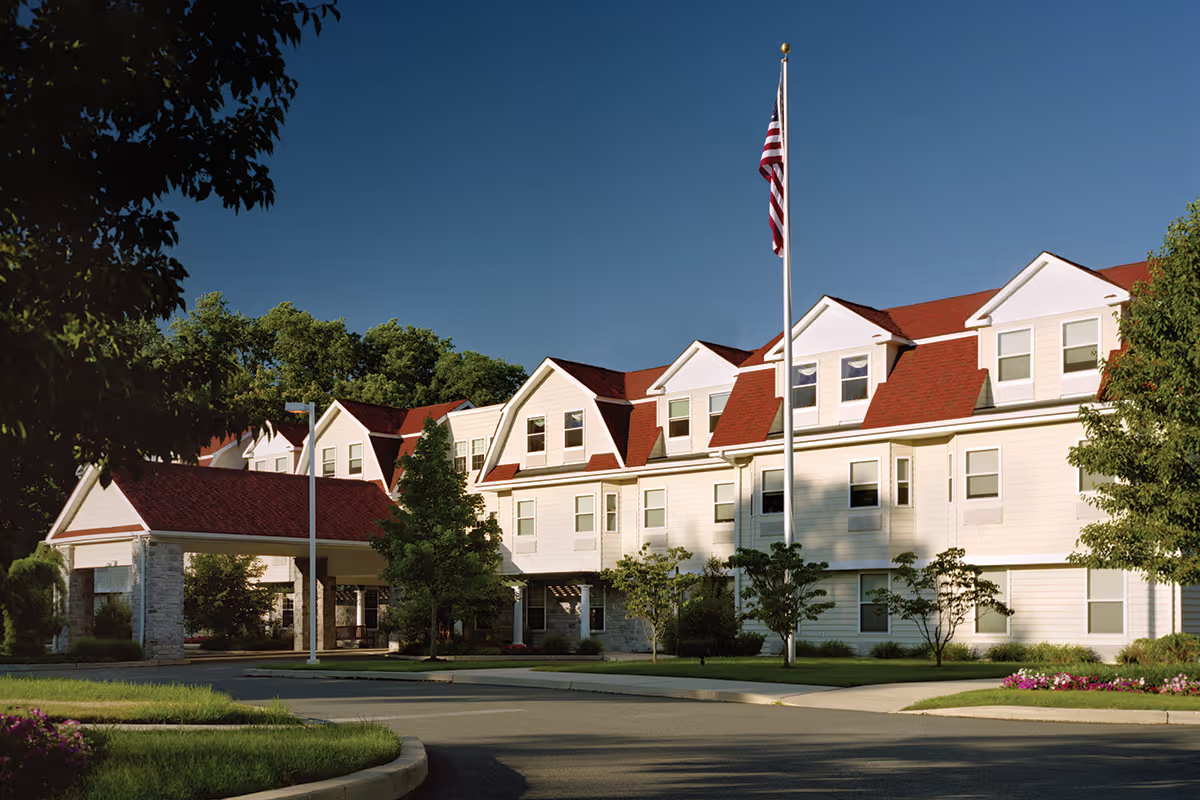
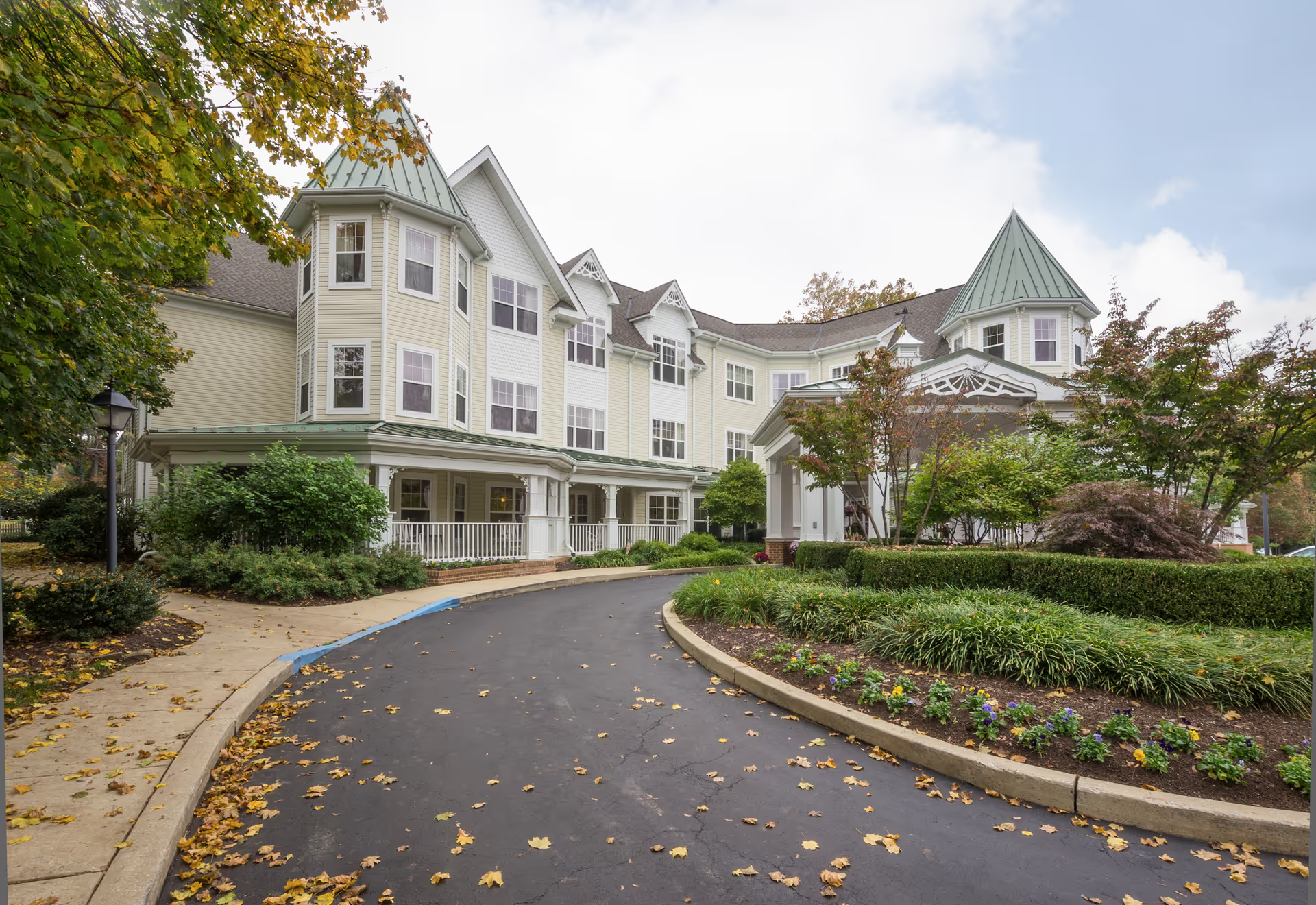
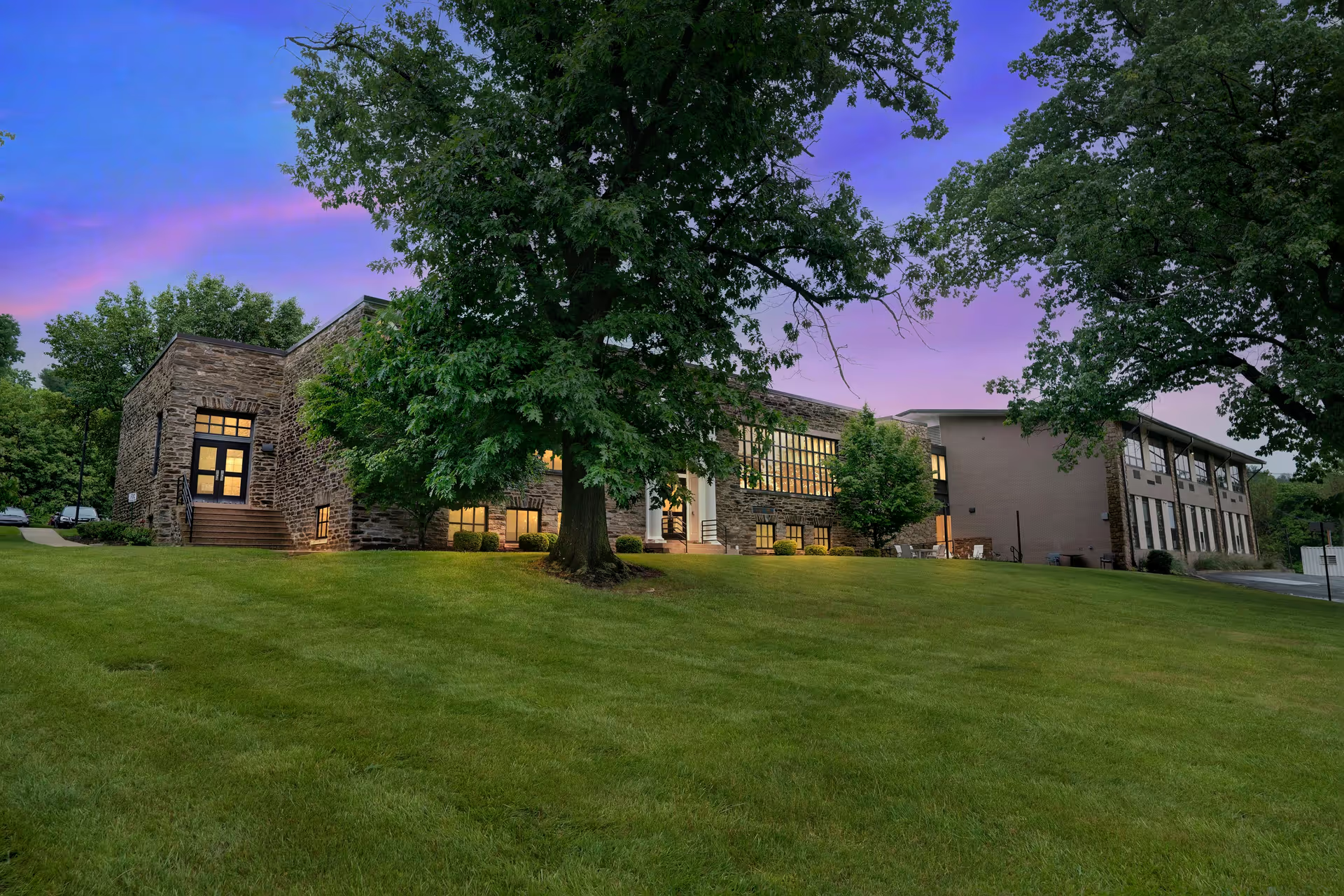
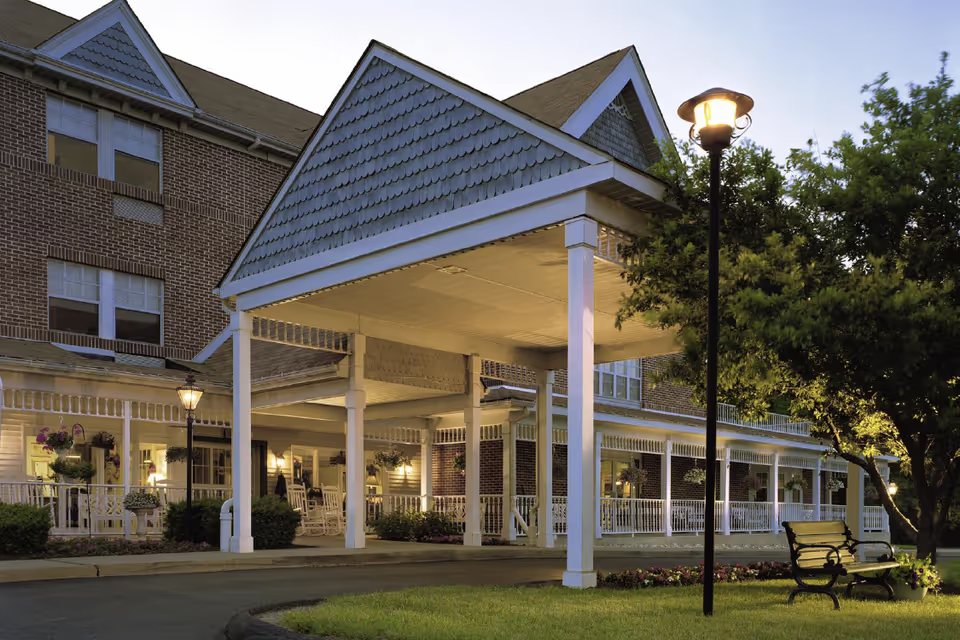
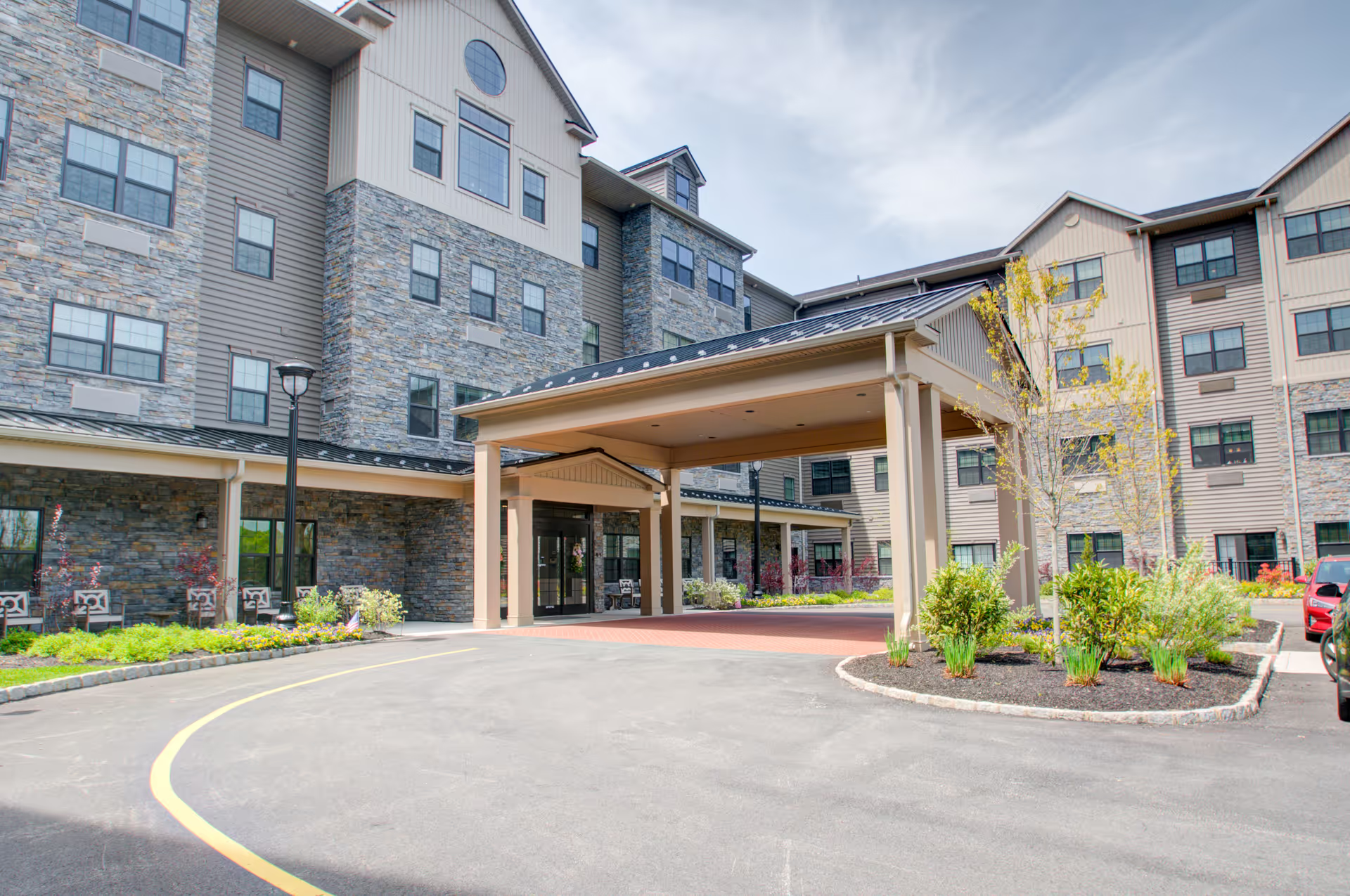
Facilities, cleanliness, and environment Many reviewers describe the facility as clean, bright, and well-maintained with an overall odor-free environment and orderly public areas. Conversely, others reported sanitation concerns, maintenance shortcomings (damaged walls, overflowing trash in some areas), and issues with missing or mixed-up personal items. The facility's small, non-luxury scale is seen as positive by those who prefer a homelike feel, but shared rooms and limited private-rehab-room availability are operational constraints to consider. Several comments also raised concerns about interior lighting and limited natural windows, which some felt affected residents' sleep–wake cycles.
Notable operational patterns and recommendations Patterns across reviews suggest consistent strengths in rehabilitation, compassionate individual caregivers, and a welcoming, small-facility culture. Persistent operational weaknesses to probe further include call-bell response times, medication administration policies and auditing, sanitation consistency, discharge-planning reliability, belongings-labeling procedures, and the availability of dementia-specific activities. Prospective families should explicitly ask about staffing ratios by shift, average response time to call bells, medication administration protocols, housekeeping schedules, private-room availability, and the facility's process for discharge coordination and post-discharge services.
Bottom line Wayne Center may be a strong option for residents prioritizing intensive therapy and a small, home-like setting with many compassionate staff members. However, variability in operational reliability and communication — especially around responsiveness, medication timing, sanitation, and discharge follow-through — suggests that an individualized assessment and direct questions about the facility's processes will be important before placement.