The reviews for Aventura at Pembrooke present a sharply mixed picture. Many families and residents highlighted strong, person-centered elements: individual caregivers and several department leaders receive frequent praise for compassion and responsiveness, the rehabilitation/therapy program is often described as effective, activity staff organize engaging programs and outings, and renovated rooms and certain common areas are viewed as clean and welcoming. Admissions, concierge, social services and business-office personnel are singled out positively in multiple accounts, and some reviewers explicitly credit recent management changes with measurable improvements.
At the same time, a substantial number of reviews describe operational inconsistencies that affect safety, clinical care and daily living. Reported problems include slow or unreliable responses to call bells and requests, missed or delayed wound and dressing changes, lapses in medication follow-through and incomplete care coordination for outpatient appointments and dialysis transitions. Several accounts describe incidents that suggest gaps in fall-prevention and transfer-safety practices and inconsistent monitoring of residents who are at risk for wandering. These concerns point to variability in frontline practice and supervision rather than a uniform standard of care.
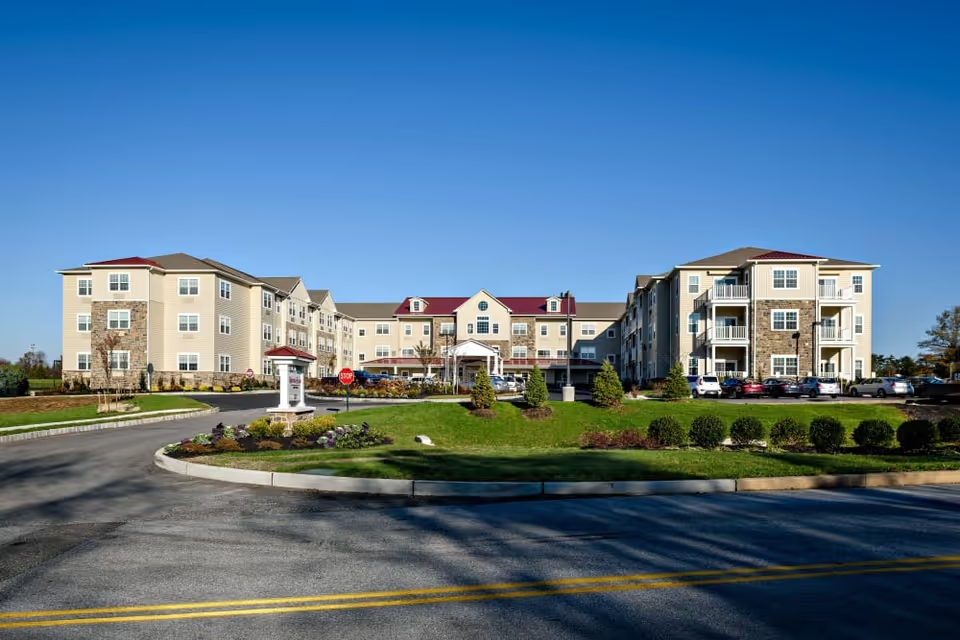
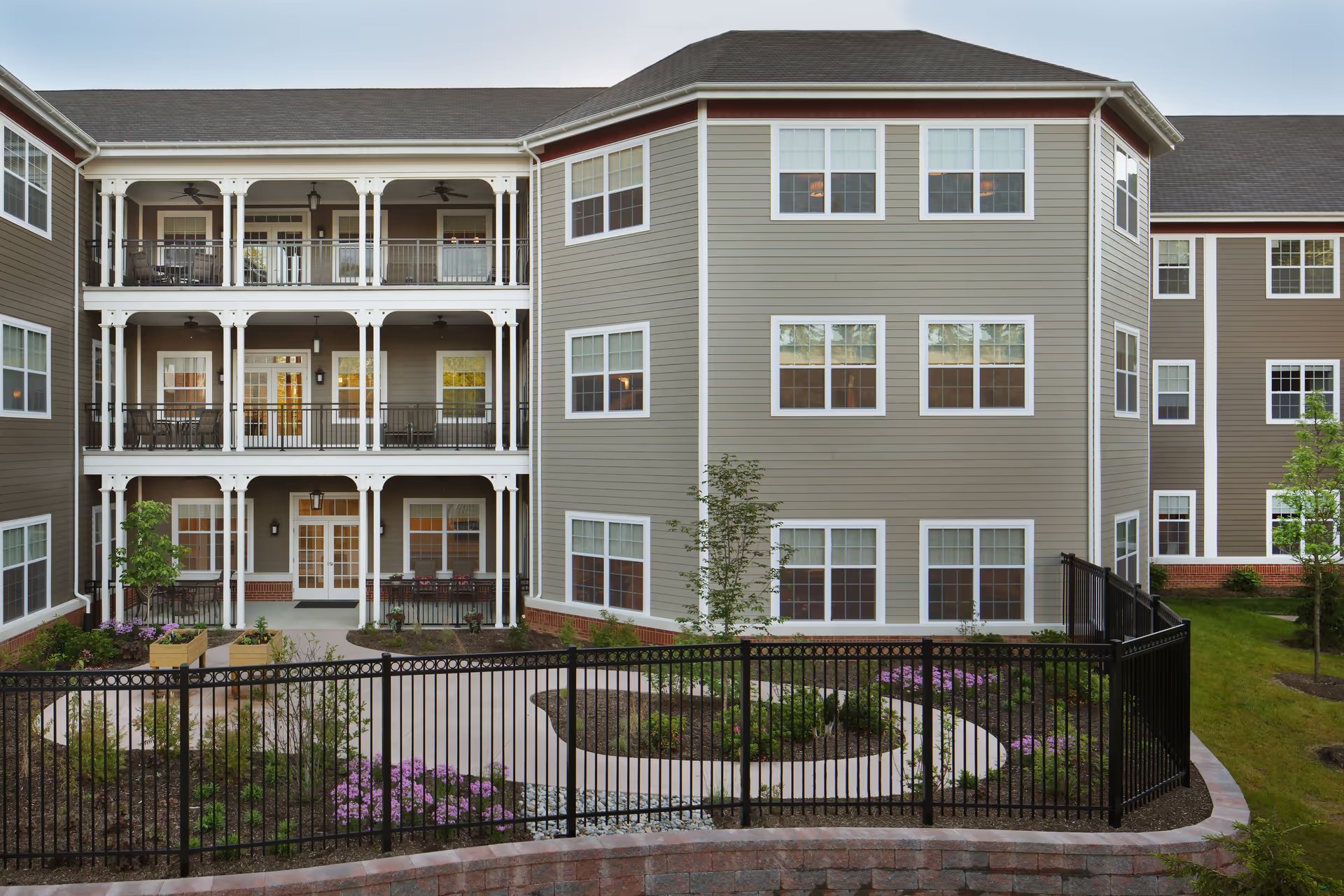
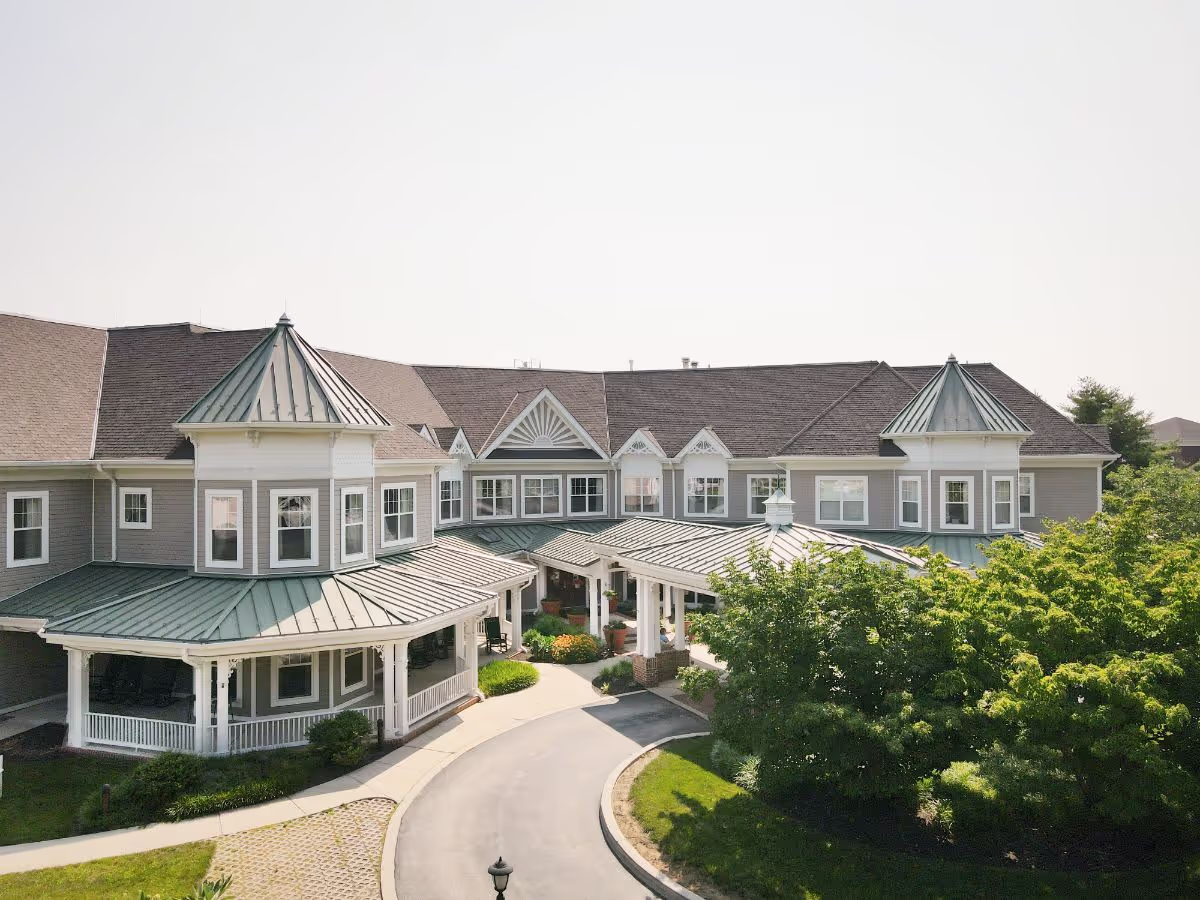
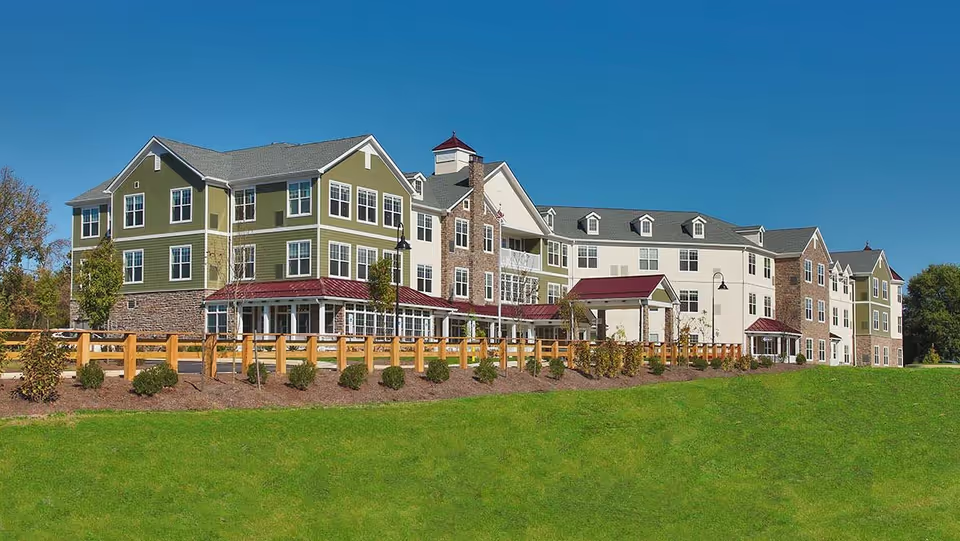
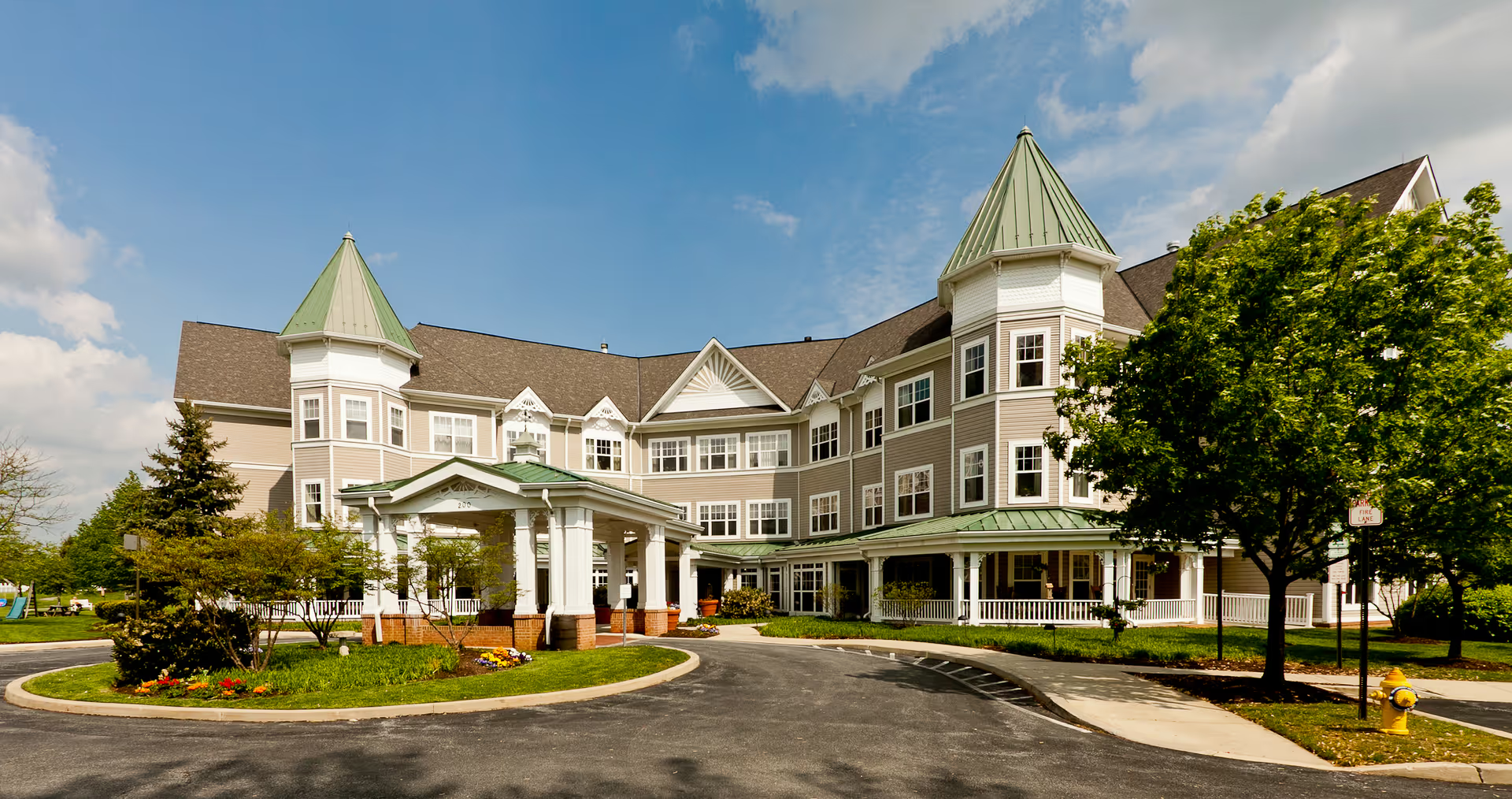
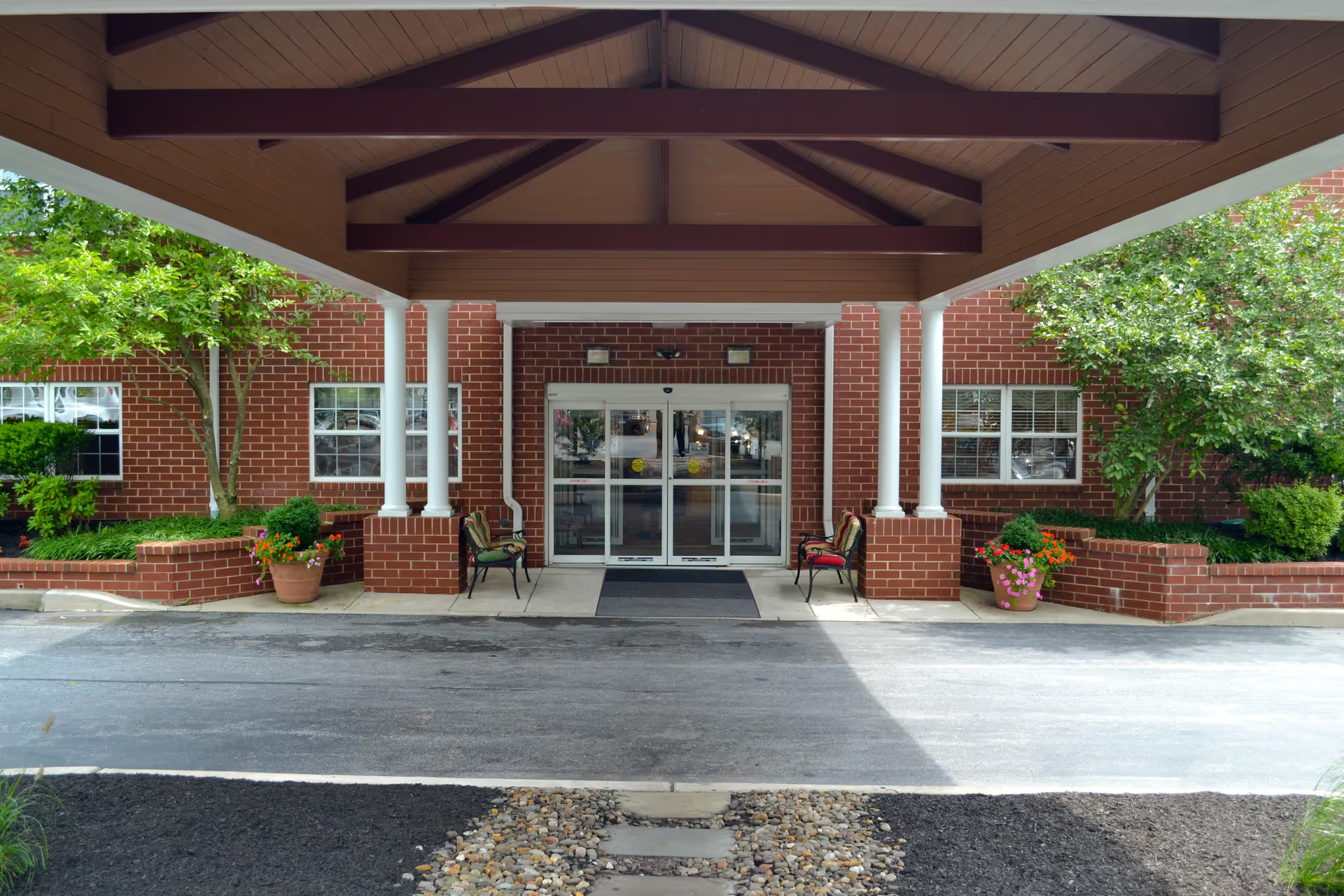
Facility condition and environmental services also generate mixed feedback. Positive comments about renovated rooms and attractive outdoor areas coexist with accounts of dated wings, water-damage-related maintenance needs, mildew or odor concerns in some spaces, and examples of housekeeping lapses. A number of reviews raise pest-control and sanitation issues tied to food handling and housekeeping consistency. Dining feedback is similarly variable: some reviewers praise nutritious, appealing meals and adequate food-service staffing, while others report cold or monotonous food, small portions and interruptions to meal continuity.
Communication and management patterns stand out as a notable theme. Several families praised visible, accessible leaders and credited new management with improvements; others describe poor follow-through from administrative staff, unanswered phone lines, social-work breakdowns and frustrating discharge planning. Staffing instability and reliance on agency staff are recurrent concerns that correlate with the variability in day-to-day care and responsiveness described by reviewers. A few comments reference legal actions or formal complaints; these are serious and, where present, were cited by reviewers in the context of broader dissatisfaction with administrative handling and transparency.
For prospective residents and families: this provider demonstrates clear strengths in therapy, some clinical teams and in pockets of strong, compassionate caregiving, and recent management change has produced tangible improvements according to multiple accounts. However, reviewers also describe recurring operational weaknesses — notably inconsistent staffing and responsiveness, uneven housekeeping and maintenance, gaps in clinical coordination, and variable dining and activity programming. Those considering placement should conduct an in-person assessment focused on current staffing patterns, call-response times, wound care and medication protocols, recent inspection or complaint history, pest-control practices, and the facility’s current plan for any ongoing construction or renovations. Asking specific questions about discharge planning, weekend coverage, and how leadership monitors agency staff and quality metrics can help families assess whether the facility’s current performance matches the positive experiences described by many reviewers or reflects the operational gaps cited by others.