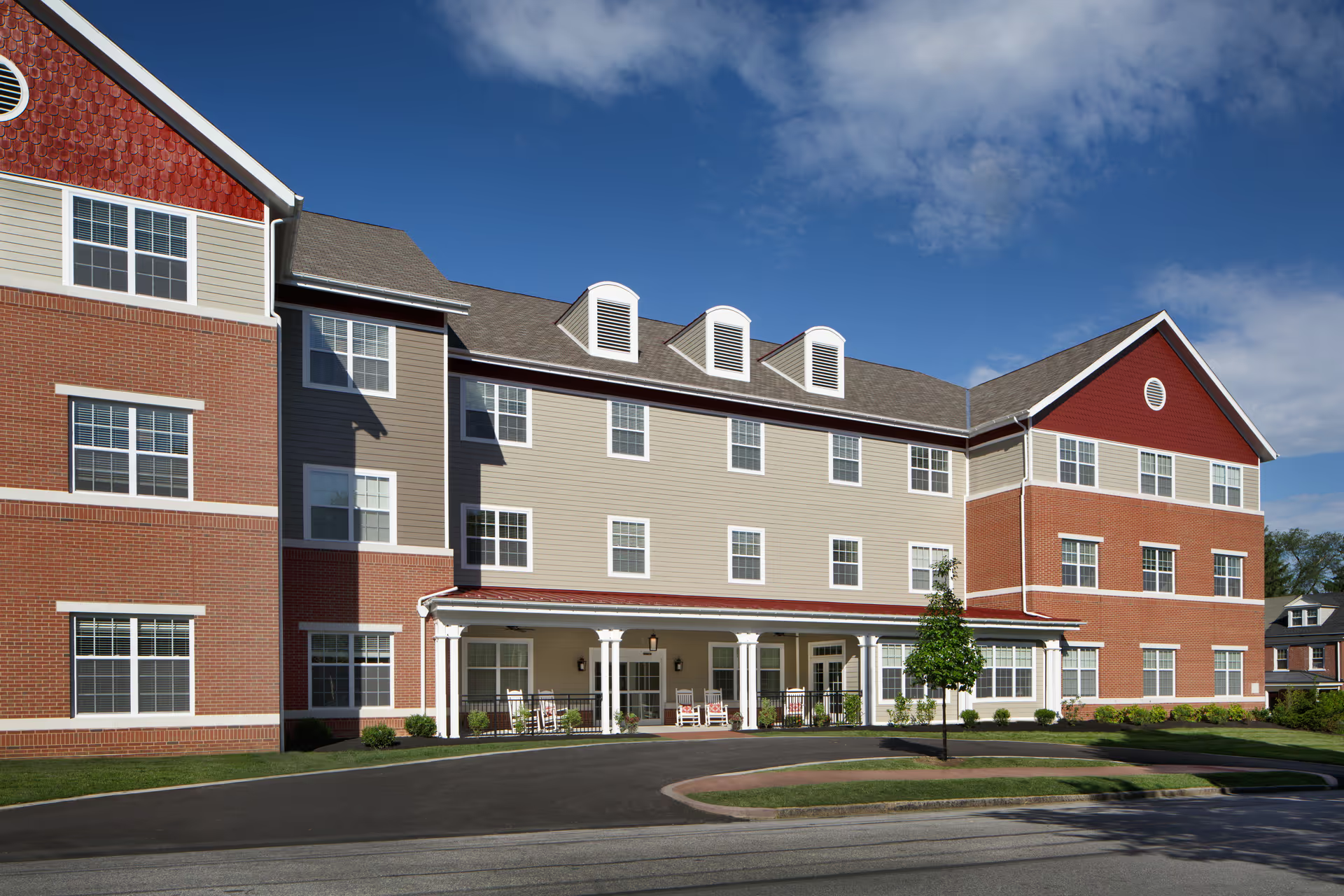
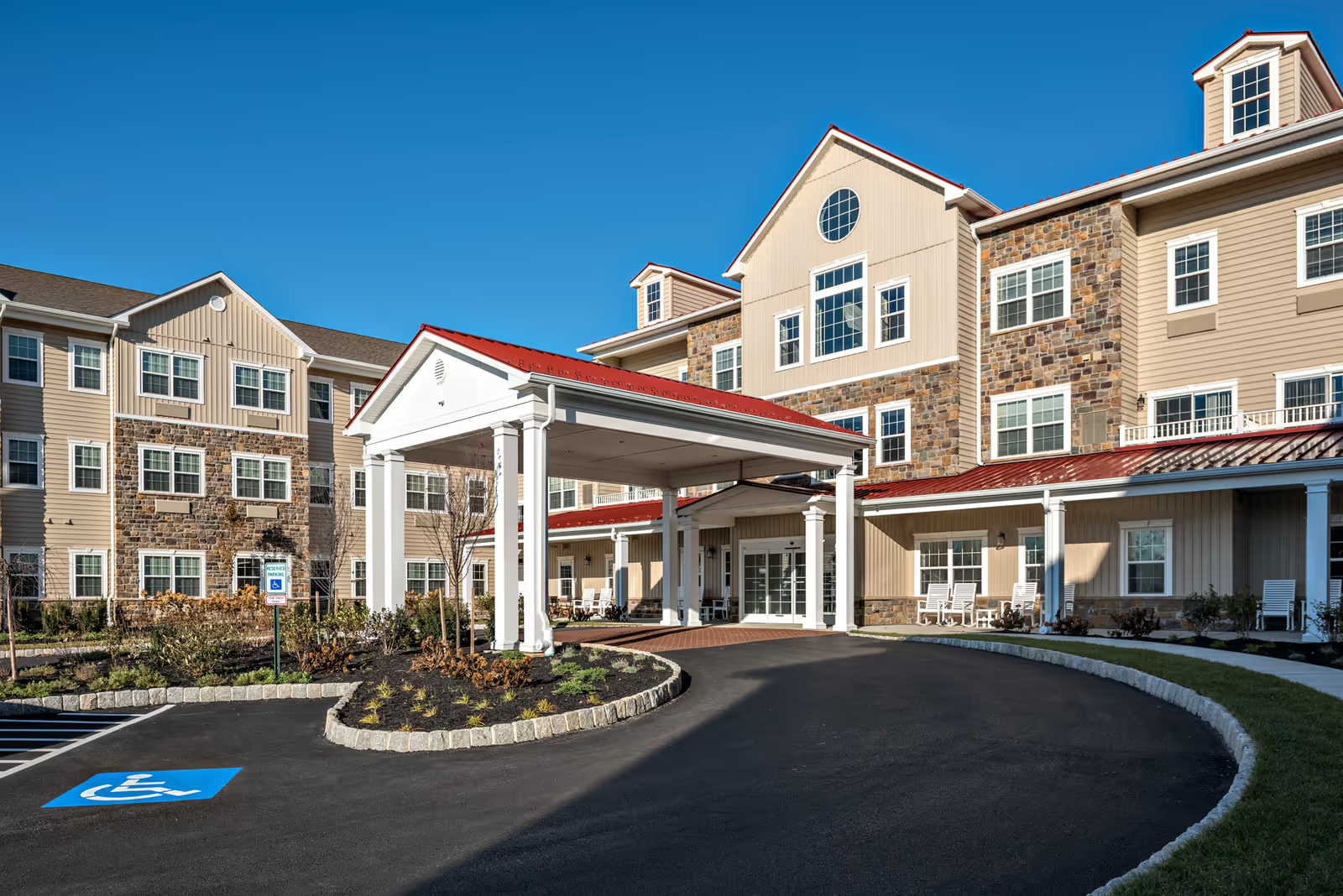
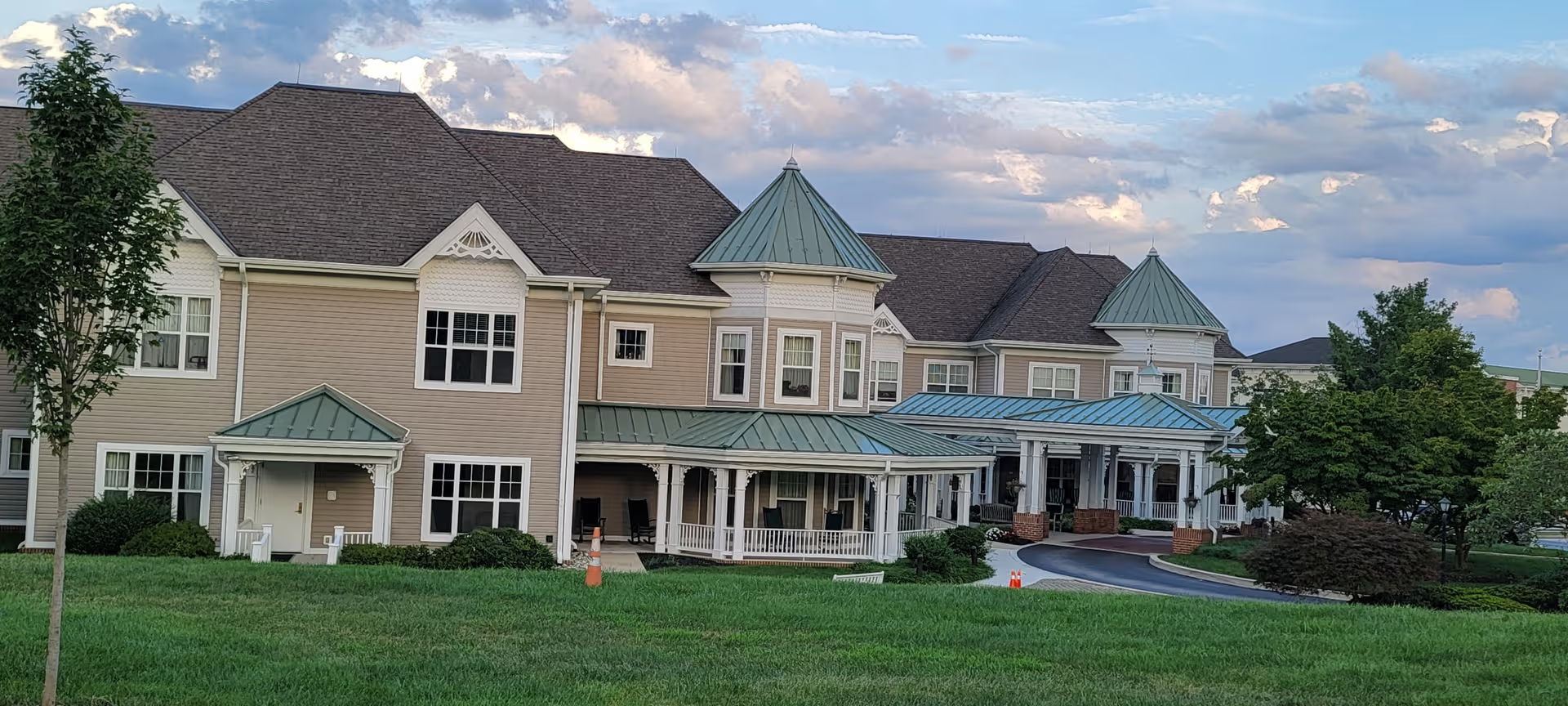
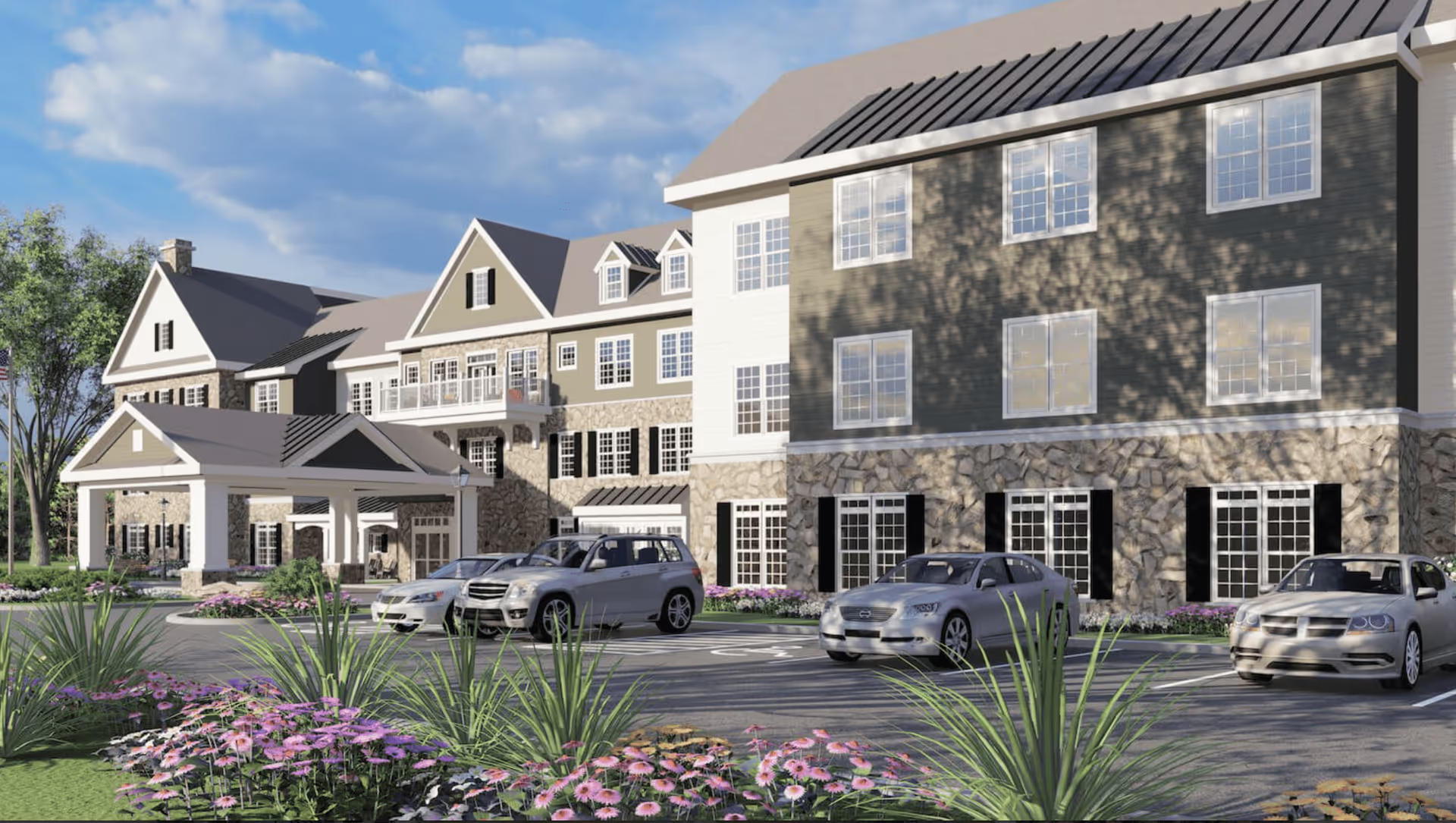
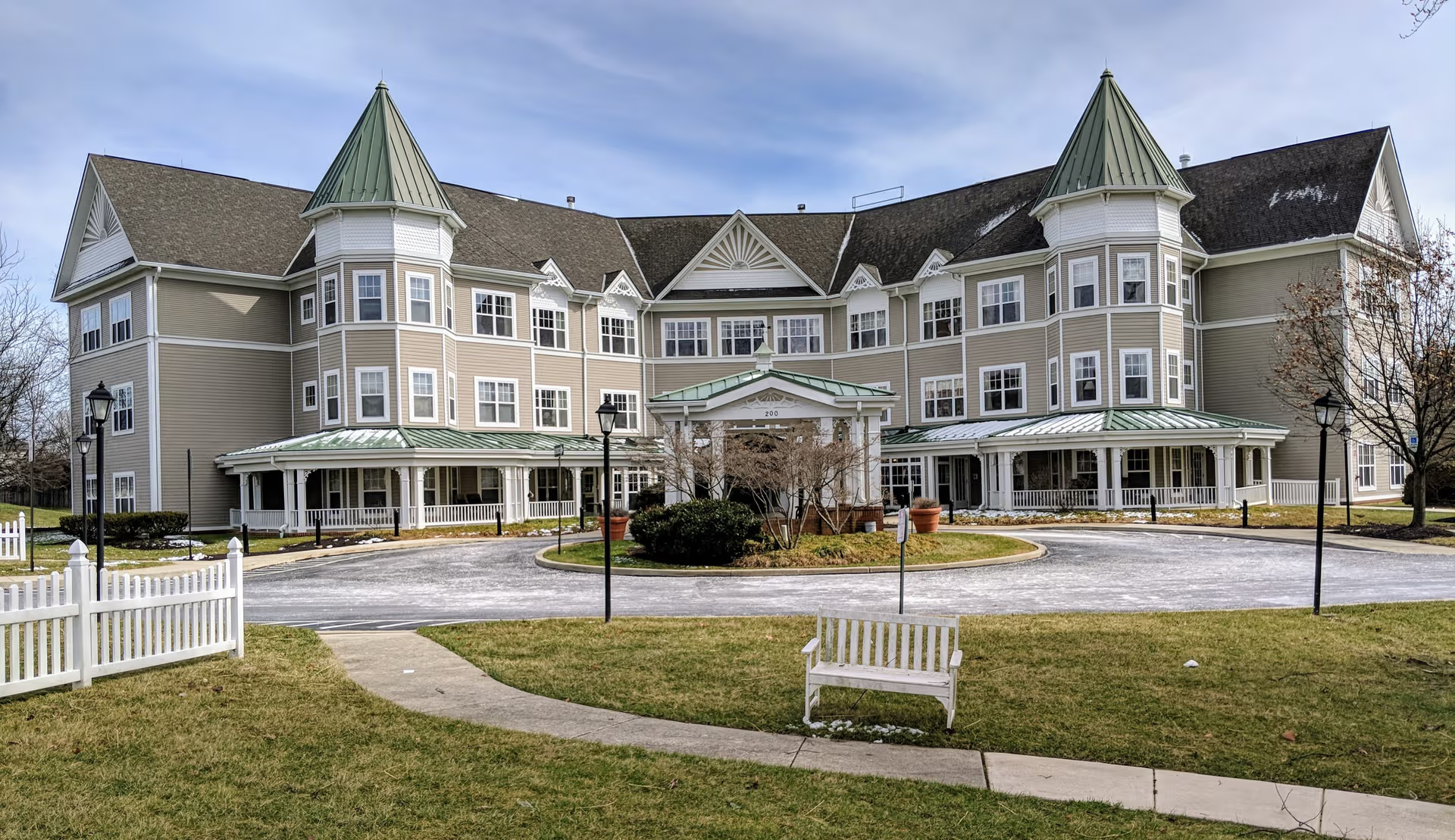
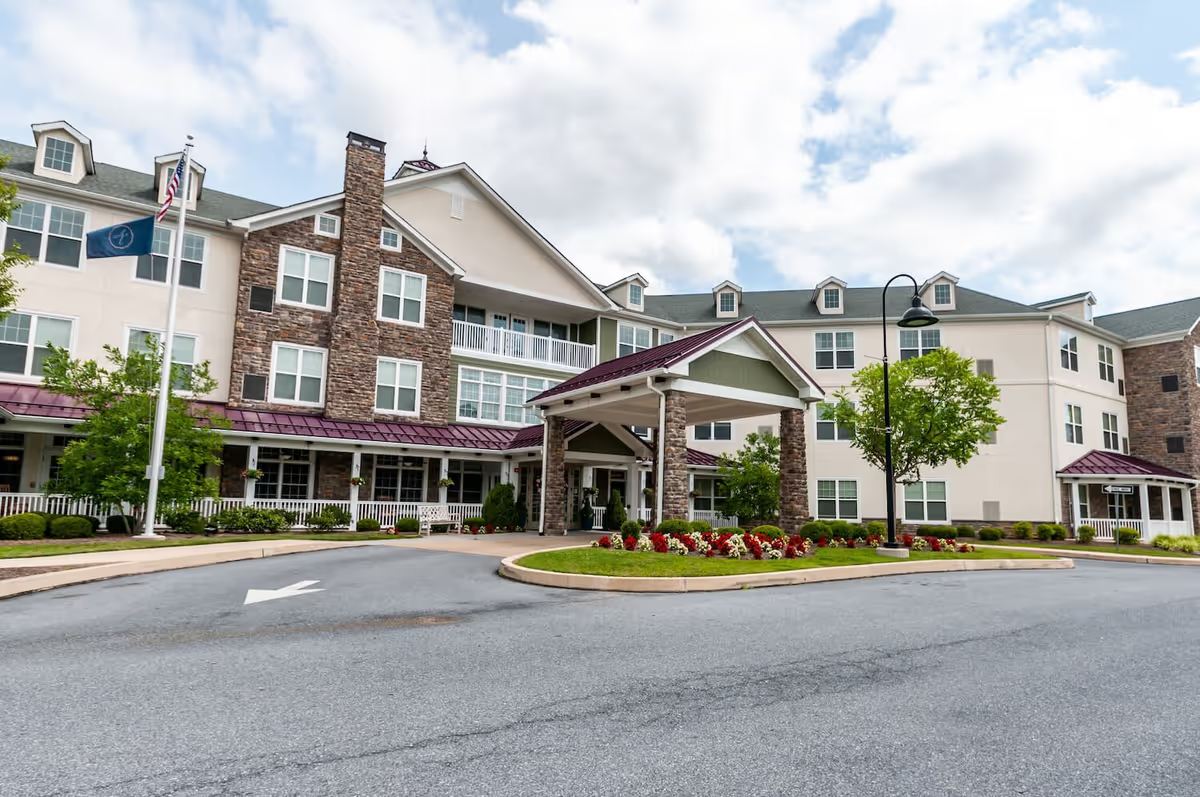
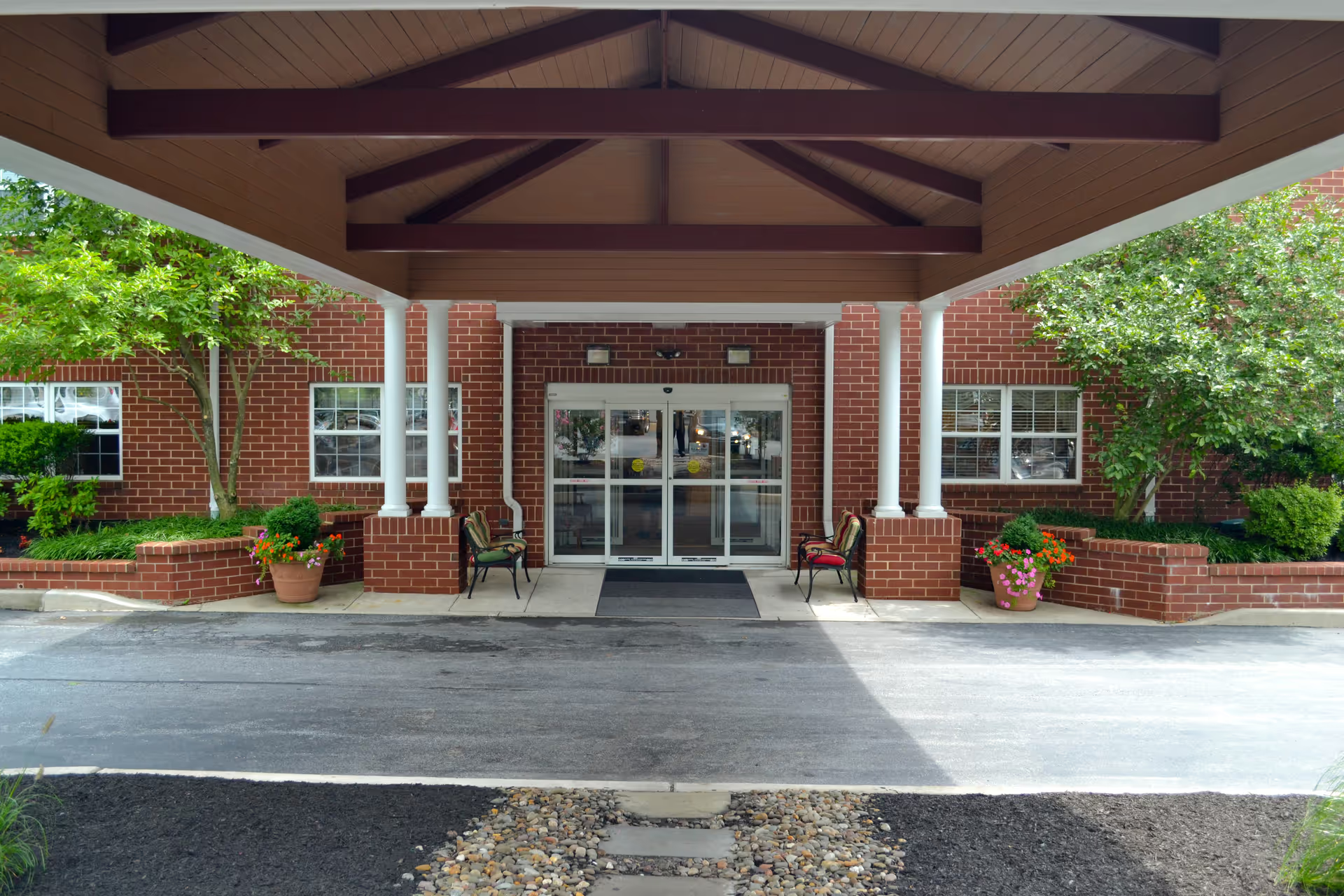
Barclay Friends presents as a largely well-appointed, high-end senior living campus with numerous strengths in amenities, activities, and rehabilitative services. Many families describe a clean, modern environment—including newly rebuilt memory-care space, private apartments, attractive common areas, and gardens with enclosed walking paths—that supports independence and social engagement. The dining program is frequently praised for varied, flavorful meals, personalized options, and proactive culinary staff. Activity programming is a notable asset: horticulture/botany offerings, group games, and a therapy-dog program are repeatedly mentioned as enriching daily life.
Clinical and hands-on care received mixed assessments. Positive accounts emphasize compassionate caregiving, long-tenured CNAs, coordinated interdisciplinary teamwork, and strong post-operative and rehab therapy that helped residents return home. At the same time, other accounts indicate operational weaknesses: inconsistent staffing and scheduling, variable professionalism and responsiveness among staff, and concerns about resident-handling and safety practices. Several reviewers described skin-integrity and wound-care issues that prompted serious concern; additionally, there is mention of a state regulatory investigation and cited care deficiencies. These contrasting reports produce a polarized view of clinical reliability—some families experience attentive, skillful care while others report lapses that they consider significant.
Day-to-day living and programmatic features are generally highlighted as strengths. Residents and families praise the activity director, the variety and thoughtfulness of activities, pleasant common areas, and regular housekeeping/linen services. Therapy teams and nursing staff are described as personable and effective in many instances, and the campus’s scale and design—private rooms, enclosed patios, and multiple social spaces—support a home-like atmosphere. However, there are repeated notes about inconsistent execution: therapy sessions that appear socialized rather than clinically focused for some residents, and uneven housekeeping attention in certain rooms.
Management and administrative areas show both responsiveness and weakness. Reviewers mention an open, helpful director and positive admissions experiences, but other accounts cite unclear or inconsistent admissions and availability communications, surprising or changing pricing quotes, and unexpected billing issues. Family communication is a strength when it is proactive, but some families report management indifference or delayed follow-up in the face of concerns. Visitation policies and suite-access practices were also described as restrictive in at least one case.
Overall pattern and recommendations: Barclay Friends offers many of the facility-level features prospective residents and families seek—quality dining, varied activities, pleasant grounds, and strong rehab services—delivered in an attractive, modern setting. However, reviews reveal a nontrivial number of operational concerns that affect clinical consistency and family confidence: staffing variability, inconsistent professional conduct, gaps in skin/wound care and resident-handling, and administrative opacity around admissions and billing. Prospective families should tour the specific unit of interest, ask for current staffing ratios, review skin-care and transfer-safety protocols, request documentation of any regulatory findings and corrective actions, and clarify admission pricing and visitation policies before making decisions.