Overall, reviewers present a mixed but informative picture of Chester County Pocopson Home. The facility receives consistent praise for the quality of hands‑on care: many families highlight compassionate, attentive nursing and caregiving staff, strong short‑term rehabilitation outcomes driven by PT/OT teams, and supportive admissions and social‑work personnel. Several accounts emphasize effective hospice support, helpful dining‑room staff, and generally clean, organized common areas. Recreational programming and seasonal events — from Bingo to Halloween activities and outdoor time on pleasant grounds — are noted as meaningful quality‑of‑life contributors.
Staff performance emerges as the facility’s primary strength and also its primary operational pressure point. While permanent staff, nurses, and therapists are frequently described as caring, skilled, and communicative, reviews point to inconsistent staffing levels and substantial reliance on temporary or agency personnel. That reliance is linked to lapses in familiarity with residents’ routines and preferences, and to occasional breakdowns in clinical follow‑through. Reviewers also described isolated but serious concerns about medication handling and clinical documentation; these accounts indicate gaps in medication‑management processes and family communication around clinical incidents.
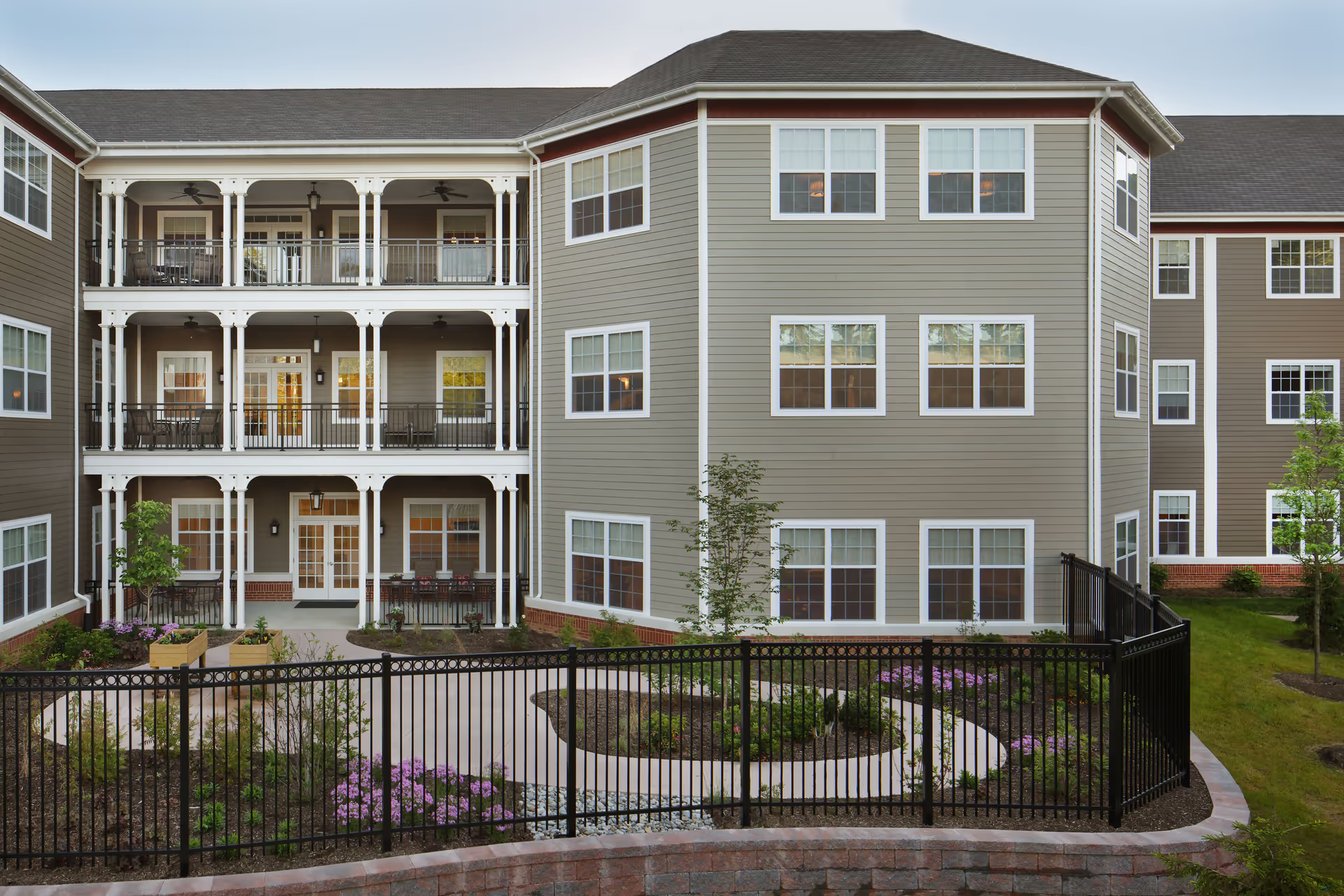
Dining and rehabilitation present a similarly mixed picture. The therapy program and many rehabilitation outcomes receive strong endorsement; conversely, meal service quality and timing are variable — examples include cold or late meals, order errors, and overcooked vegetables — despite praise for individual dining‑room staff members. Activities and outdoor amenities are generally positive: the grounds, garden areas, and organized events are highlighted as pleasant and engaging for residents.
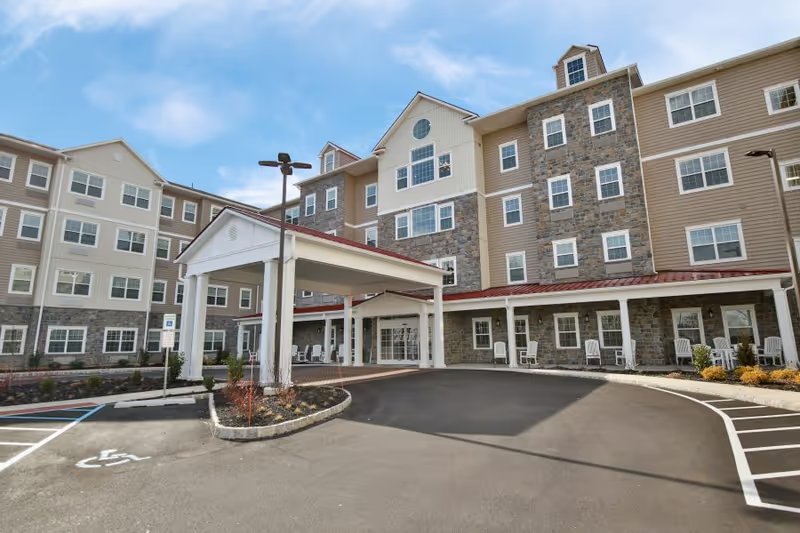
Physical plant and facility management show uneven performance. Multiple reviewers described an older, less modern building with some maintenance needs, a small lobby, and limited private‑room availability (several multi‑occupancy rooms noted). Odor concerns in specific common areas and locked doors restricting egress or movement were raised as operational issues affecting comfort and perceived accessibility. Several families expressed satisfaction with county oversight and pandemic safety measures, while a few reviews raised governance questions about administrative responsiveness and clinical oversight.
Notable patterns: strengths concentrate on caregiving quality, therapy, and resident engagement; recurring operational weaknesses involve staffing consistency, reliance on agency workers, meal‑service reliability, and elements of facility upkeep. There is at least one account referencing an allegation and regulatory investigation, which families should consider when evaluating risk. Prospective residents and their families would be well advised to tour the unit(s) of interest, ask about current staffing ratios and use of agency staff, review recent inspection or investigation findings, and inquire specifically about medication‑management protocols, meal schedules, and availability of private rooms before making placement decisions.